
“Writing is the painting of the voice.” – Voltaire
Are you ready to transform your thoughts into captivating stories? In today’s digital age, the power of storytelling has never been more accessible or impactful. This guide is designed to help you create a dynamic and engaging workshop that will inspire and equip budding writers to hone their craft.
From planning and promotion to execution and evaluation, we’ll walk you through each step to ensure your workshop is a resounding success. Whether you’re an experienced author looking to share your knowledge or an organization aiming to foster a community of writers, this guide will provide you with the insights and tools you need to make your online writing workshop a transformative experience for all participants.
Let’s get started on this exciting journey to nurture the next generation of literary talent!
TL;DR
- Craft a compelling curriculum: Design a course that caters to your target audience’s needs and skill levels, incorporating various teaching methods.
- Build a strong brand: Establish a professional online presence to attract students and build credibility.
- Master marketing magic: Utilize effective marketing strategies to reach your ideal students and promote your workshop effectively.
- Deliver exceptional value: Provide high-quality instruction, support, and feedback to create a positive learning experience.
- Monetize your expertise: Explore various pricing models and revenue streams to maximize your profits while ensuring accessibility.
- Continuously improve: Regularly solicit feedback and adapt your workshop to meet evolving needs and enhance the learning experience.
Defining Your Niche and Crafting Your Curriculum
Before launching your online writing workshop, you need a strong foundation. This involves identifying your niche and creating a curriculum that resonates with your target audience. What specific area of writing will you focus on? Will you teach creative writing, technical writing, scriptwriting, memoir writing, poetry, or perhaps a niche like writing compelling social media posts or crafting effective marketing copy? Focusing on a specific area allows you to target your marketing effectively and attract the right students.
Let’s say you choose “Creative Writing for Young Adults.” This niche is broad enough to attract a significant audience but specific enough to allow you to create a focused curriculum.
Consider your own expertise and passion. What writing styles do you excel in? What age group are you most comfortable working with? Focusing on your strengths will make the process more enjoyable and sustainable. For example, if you’re a published fantasy author, focusing on fantasy writing for young adults would be a natural fit.
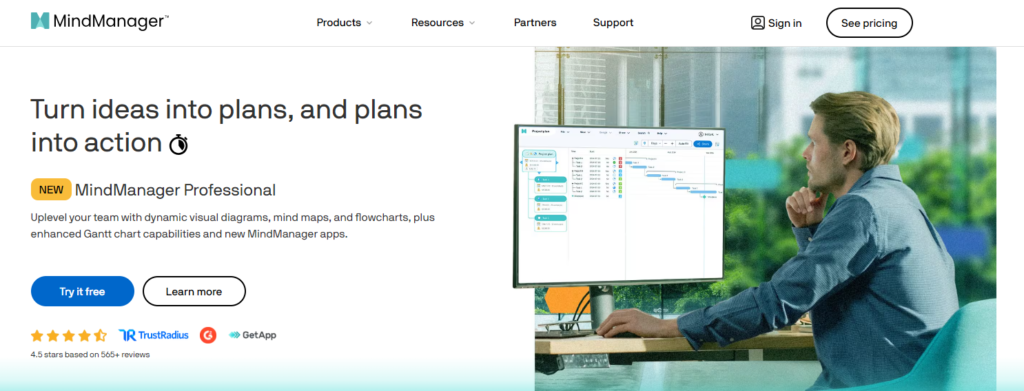
Once you’ve defined your niche, it’s time to develop your curriculum. This outlines the modules, lessons, and activities that comprise your workshop. Think about the skills and knowledge your students need to acquire. Break down the learning process into manageable steps, ensuring a clear progression from beginner to advanced levels. Use a mind map or outline tool like MindManager or XMind to visually organize your ideas.
- Beginner Level: Focus on foundational concepts, like grammar, punctuation, basic storytelling techniques (plot, character, setting), and different writing exercises (freewriting, journaling, character sketches). You could use examples from popular young adult novels to illustrate these concepts.
- Intermediate Level: Dive deeper into specific writing genres (fantasy, sci-fi, romance, etc.), character development techniques (backstory, motivations, flaws), plot structure (three-act structure, hero’s journey), and world-building (creating believable settings and cultures). Tools like Scrivener can help students organize their writing projects.
- Advanced Level: Explore advanced techniques like editing, self-publishing (using platforms like Amazon Kindle Direct Publishing), and marketing your work (social media strategies, building an author platform). Tools like ProWritingAid can assist with editing, while platforms like Canva can help create marketing materials.
A well-structured curriculum is crucial for student success and satisfaction. Use a learning management system (LMS) like Teachable, Thinkific, or Kajabi to organize and deliver your course content. These platforms offer features such as course creation tools, payment processing, student management, and marketing integrations. They often provide templates and guides to help you structure your course effectively.
Structuring Your Workshop for Maximum Impact
Structure is key to an engaging and effective online writing workshop. Think about the flow of information, the pacing of the course, and the types of activities you’ll include. Will you use video lectures, downloadable workbooks, writing prompts, peer reviews, or a combination of methods?
Consider incorporating interactive elements, such as live Q&A sessions using Zoom or Google Meet, group discussions using forum features within your LMS, and individual feedback through written comments or video critiques. This enhances student engagement and creates a sense of community. The goal is a supportive and encouraging learning environment.
For example, you could structure a module on character development with a video lecture explaining different techniques, followed by a writing prompt where students create a character sketch, then a peer review activity where students provide feedback on each other’s work, culminating in a final individual critique from you.
Building Your Brand and Online Presence
Your brand is your identity – how you present yourself to the world. A strong brand attracts students and builds credibility. Consider your target audience and what resonates with them. What kind of tone and style will you use? Will it be friendly and approachable, or more formal and academic? What kind of visual identity will you create? Use a tool like Canva to design a logo and consistent branding elements.
Building a strong online presence is crucial. This means creating a professional website or landing page (using website builders like Wix or Squarespace), establishing a social media presence (on platforms like Instagram, TikTok, or even a dedicated Facebook group), and optimizing your content for search engines (SEO). Use keywords relevant to your niche (e.g., “young adult fantasy writing,” “teen creative writing workshop”) to improve your search engine ranking. Tools like SEMrush or Ahrefs can help you with keyword research.
- Website: Showcase your expertise, testimonials, course details, and a blog with articles related to your niche.
- Social Media: Engage with potential students, share valuable content (writing tips, author interviews, behind-the-scenes glimpses), run contests or giveaways, and build a community.
- SEO Optimization: Use relevant keywords in your website copy, blog posts, and social media descriptions. Submit your website to relevant online directories.
Leveraging Social Media for Workshop Promotion
Social media is a powerful tool. Use platforms like Instagram (visual content, reels), TikTok (short, engaging videos), Facebook (groups, ads), and even Pinterest (visual inspiration) to connect with potential students and build a community. Share valuable content, engage with your followers, and run targeted advertising campaigns (using Facebook Ads or Instagram Ads). Consider using scheduling tools like Buffer or Hootsuite to manage your social media presence efficiently.
Create engaging video content: short tutorials on writing techniques, behind-the-scenes glimpses of your creative process, interviews with successful young adult authors, or student testimonials. This builds a personal connection and showcases your expertise. Use high-quality video and audio equipment for professional-looking content.
Marketing Your Workshop and Attracting Students
Marketing is essential for attracting students. Use a multi-channel approach, combining organic and paid marketing strategies.
- Organic Marketing: This includes content marketing (blog posts, articles, free resources like writing prompts or checklists), social media marketing (engaging posts, stories, reels), email marketing (building an email list and sending newsletters), and public relations (reaching out to relevant blogs or publications).
- Paid Marketing: This includes paid social media advertising (targeting specific demographics and interests), Google Ads (running search ads for relevant keywords), and affiliate marketing (partnering with other businesses or influencers in your niche).
Your marketing should target your ideal student. Who are you trying to reach? What are their needs and interests? Use tools like Google Analytics to track your marketing campaign performance and adjust your strategies accordingly.
Delivering Exceptional Value and Building a Loyal Following
Delivering exceptional value means providing high-quality instruction, support, and feedback. Create a supportive learning environment where students feel comfortable asking questions and sharing their work. Use your LMS’s communication features to facilitate interaction.
Offer bonus materials: templates, checklists, worksheets, or even access to a private online community where students can connect with each other and continue learning after the workshop ends. This fosters a sense of community and encourages continued engagement.
Building a loyal following is key. Encourage students to leave reviews and testimonials (which you can showcase on your website and social media). Actively solicit feedback to improve your workshop. Consider offering discounts or incentives to returning students or referrals.
Monetizing Your Workshop and Maximizing Profits
Several ways exist to monetize your online writing workshop. You can offer different pricing tiers (a basic package, a premium package with additional resources or one-on-one coaching, or a VIP package with even more personalized attention). You can also offer additional services, such as one-on-one coaching, manuscript editing, or help with self-publishing.
- Pricing Models: Research your competitors to find a competitive price point that reflects the value you offer. Consider offering early bird discounts or payment plans.
- Additional Services: These can significantly increase your revenue and provide greater value to your students.
- Affiliate Marketing: Partner with businesses selling writing tools, editing software, or publishing services. You can earn a commission for referring students to these products.
Don’t undervalue your expertise. Your knowledge and experience are valuable, and you should price your workshop accordingly. Use accounting software or spreadsheets to track your income and expenses.
Actionable Steps and Direct Advice
Beginner Writers (All Ages)
- Curriculum Focus: Foundational writing skills: grammar, punctuation, sentence structure, basic storytelling elements (plot, character, setting), different writing exercises (freewriting, journaling, character sketches). Start with simple, achievable goals.
- Teaching Methods: Lots of examples, clear explanations, step-by-step instructions, frequent practice exercises, positive reinforcement. Use simple language and avoid jargon.
- Marketing: Target beginners through social media posts focusing on building confidence, overcoming writer’s block, and finding your voice. Offer a free introductory lesson or webinar.
- Pricing: Offer a more affordable entry-level price point to attract beginners.
Young Adults (18-25)
- Curriculum Focus: Genre-specific workshops (e.g., young adult fiction, creative non-fiction, screenwriting). Focus on finding their unique voice and building an online presence. Incorporate interactive elements and social media strategies.
- Teaching Methods: Use a more informal, engaging style. Incorporate popular culture references and trending topics. Encourage collaboration and peer feedback. Utilize interactive online tools and platforms.
- Marketing: Target young adults through social media platforms like TikTok, Instagram, and YouTube. Use short, engaging videos and visually appealing content. Collaborate with relevant influencers.
- Pricing: Consider offering payment plans or scholarships to make the workshop more accessible.
Millennials (26-40)
- Curriculum Focus: Workshops focusing on career advancement (e.g., writing for marketing, content creation, technical writing). Balance creative writing with practical skills. Focus on productivity and time management techniques.
- Teaching Methods: Blend practical advice with creative exercises. Use case studies and real-world examples. Offer opportunities for networking and mentorship. Provide resources for freelance work or career advancement.
- Marketing: Target millennials through professional networking sites like LinkedIn and industry-specific blogs. Highlight the career benefits of the workshop.
- Pricing: Offer a range of pricing options, including group discounts or corporate partnerships.
Older Adults (41+)
- Curriculum Focus: Workshops focusing on memoir writing, creative expression, or personal storytelling. Consider workshops tailored to specific interests (e.g., travel writing, historical fiction). Emphasize community building and shared experiences.
- Teaching Methods: Create a supportive and encouraging environment. Use a slower pace and allow ample time for questions and discussions. Offer flexible scheduling options.
- Marketing: Target older adults through community centers, senior groups, and online forums for retirees. Emphasize the social and therapeutic benefits of writing.
- Pricing: Offer flexible payment options and consider discounts for seniors or group registrations.
Common Mistakes to Avoid and Their Solutions
Launching an online writing workshop requires careful planning and execution. Avoiding common pitfalls is crucial for success. Here’s a breakdown of frequent mistakes and practical solutions:
1. Not Defining Your Niche
- Problem: A broad focus (e.g., “general creative writing”) dilutes your marketing efforts. It’s difficult to target a specific audience, leading to low engagement and conversions.
- Solution: Clearly define your niche. Focus on a specific genre (e.g., science fiction, romance, mystery), skill (e.g., character development, plot structure), or target audience (e.g., young adults, aspiring novelists). Use keyword research tools to identify your ideal audience’s search terms. This allows for targeted marketing and a more focused curriculum. Example: Instead of “Creative Writing,” try “Writing Compelling Young Adult Fantasy Novels.”
2. Poor Curriculum Design:
- Problem: A disorganized or poorly structured curriculum leads to frustrated students. Lack of clear learning objectives, illogical progression of topics, and insufficient practice exercises result in a negative learning experience.
- Solution: Develop a well-structured curriculum with clear learning objectives for each module. Use a mind-mapping tool or outline to organize your content logically. Include a variety of teaching methods (video lectures, downloadable workbooks, writing prompts, peer reviews) to cater to different learning styles. Ensure ample opportunities for practice and feedback. Pilot test your curriculum with a small group before launching to identify and address any weaknesses.
3. Neglecting Marketing
- Problem: A lack of marketing leads to low enrollment. Failing to promote your workshop effectively means fewer students and lower revenue.
- Solution: Develop a comprehensive marketing plan that includes organic and paid strategies. This might involve creating a website, optimizing it for search engines (SEO), building an email list, engaging on social media, running targeted advertising campaigns (Facebook Ads, Google Ads), and collaborating with relevant influencers. Track your marketing efforts to measure their effectiveness and make adjustments as needed. Consider using a marketing automation tool to streamline your processes.
4. Lack of Student Support
- Problem: Inadequate student support leads to negative reviews and a poor reputation. Students need timely feedback, encouragement, and a sense of community.
- Solution: Provide prompt and constructive feedback on student work. Create a supportive learning environment through online forums or group discussions. Offer regular Q&A sessions or office hours. Be responsive to student inquiries and address their concerns promptly. Consider using a dedicated communication channel (e.g., a private Facebook group or Slack channel) for student interaction.
5. Unrealistic Pricing
- Problem: Overpricing can deter potential students, while underpricing can undervalue your expertise and negatively impact profitability.
- Solution: Research your competitors’ pricing to determine a competitive yet profitable price point. Consider offering different pricing tiers (e.g., basic, premium, VIP) to cater to various budgets. Clearly communicate the value proposition of your workshop and what students will gain from participating. Factor in your time, expertise, and the resources you’re providing when setting your prices. Don’t be afraid to adjust your pricing based on market demand and feedback.
Frequently Asked Questions
How do I get started with creating an online writing workshop?
Start by identifying your niche and crafting a basic curriculum. Then, choose a learning management system (LMS) and begin building your online presence.
What’s the best way to attract students to my workshop?
Implement a multi-channel marketing strategy, combining organic and paid methods. Target your ideal student and create engaging content.
How do I price my online writing workshop?
Research your competitors and determine a price point that reflects the value you offer. Consider offering different pricing tiers.
What kind of technology do I need to run an online writing workshop?
You’ll need a learning management system (LMS), a reliable internet connection, and potentially video conferencing software.
How do I handle student feedback and questions?
Establish clear communication channels and respond promptly to student inquiries. Regularly solicit feedback to improve your workshop.
How can I build a community around my online writing workshop?
Create a private online forum or group where students can connect and share their work.
What are some common mistakes to avoid when launching an online writing workshop?
Avoid not defining your niche, poor curriculum design, neglecting marketing, lack of student support, and unrealistic pricing.
How can I make my online writing workshop more engaging?
Incorporate interactive elements, such as live Q&A sessions, group discussions, and individual feedback.
How can I measure the success of my online writing workshop?
Track key metrics such as enrollment numbers, student satisfaction, and revenue generated.
What if I don’t have a large following or audience?
Start small and focus on building your audience organically. Utilize free marketing strategies and gradually invest in paid advertising as your budget allows.
Ready to Unleash Your Inner Writing Coach?
So, you’ve reached the end of this journey, armed with the knowledge and strategies to launch your own thriving online writing workshop. The key to success lies in a well-defined niche, a meticulously crafted curriculum, a robust marketing plan, and a commitment to providing exceptional value to your students. Building a successful online business also requires consistent self-reflection and planning. Regularly documenting your progress, challenges, and insights can significantly improve your decision-making and overall success. This video offers a compelling look at the power of journaling for personal and professional growth: Keeping a Journal Changed My Life (Money Journaling for Beginners).
For More Free Videos, Subscribe to the Rhodes Brothers YouTube Channel.
Let’s recap the actionable steps you can take right now:
- Identify your niche: What specific area of writing expertise will you focus on?
- Craft your curriculum: Outline your modules, lessons, and activities, ensuring a clear learning progression.
- Build your brand: Develop a professional online presence that reflects your expertise and resonates with your target audience.
- Market your workshop: Utilize a multi-channel approach, combining organic and paid strategies to reach your ideal students.
- Deliver exceptional value: Provide high-quality instruction, support, and feedback to build a loyal following.
- Monetize your expertise: Explore various pricing models and additional services to maximize your profits.
Don’t let your passion for writing and teaching remain untapped. The world needs your unique perspective and expertise. Take the first step today! Choose your niche, start outlining your curriculum, and begin building your online presence. Even small actions taken consistently will lead to significant progress.
Thank you for joining us on this exploration of launching your online writing workshop. We hope this guide has provided you with the tools and inspiration you need to succeed. To further enhance your entrepreneurial journey and discover more valuable insights, we encourage you to view and subscribe to the Rhodes Brothers YouTube Channel for the latest videos and information to help you thrive. We’re here to support you every step of the way!
Resource List
Books
- “Building a StoryBrand” by Donald Miller: Focuses on clarifying your message and connecting with your audience. Essential for marketing your workshop effectively.
- “The $100 Startup” by Chris Guillebeau: Provides practical advice on starting a low-cost, location-independent business, relevant for online course creators.
- “Platform: Get Noticed in a Noisy World” by Michael Hyatt: Offers strategies for building a strong online presence and attracting an audience.
- “Jab, Jab, Jab, Right Hook” by Gary Vaynerchuk: Explores the importance of providing value before promoting your product or service. Crucial for building trust and engagement.
- “Permission Marketing” by Seth Godin: Focuses on building relationships with your audience through valuable content and building trust.
- “On Writing” by Stephen King: A classic guide to the craft of writing, offering insights into the writing process and overcoming writer’s block.
- “Bird by Bird: Some Instructions on Writing and Life” by Anne Lamott: Provides encouragement and practical advice for writers of all levels.
- “Save the Cat! Writes a Novel” by Jessica Brody: A practical guide to novel writing, focusing on plot structure and character development.
- “The Elements of Style” by William Strunk Jr. and E.B. White: A classic guide to grammar and style.
- “Writing Down the Bones” by Natalie Goldberg: A guide to freewriting and creative writing techniques.
Online Courses and Workshops
- Skillshare: Offers a wide range of courses on writing, marketing, and online business.
- Udemy: Provides numerous courses on various aspects of online course creation and marketing.
- Coursera: Offers university-level courses on related topics.
- Teachable’s Blog and Resources: Provides valuable information on creating and marketing online courses.
Podcasts
- The Smart Passive Income Podcast: Focuses on building profitable online businesses.
- The Writer Files Podcast: Interviews successful authors and provides insights into the writing process.
- Copyblogger FM: Offers advice on content marketing and copywriting.
- Marketing Over Coffee: A weekly podcast discussing marketing trends and strategies.
- Entrepreneurs on Fire: Interviews successful entrepreneurs from various industries.
Tools and Software
- Learning Management Systems (LMS): Teachable, Thinkific, Podia, Kajabi, LearnWorlds
- Email Marketing Platforms: Mailchimp, ConvertKit, ActiveCampaign
- Video Editing Software: Adobe Premiere Pro, Final Cut Pro, DaVinci Resolve, Filmora
- Graphic Design Software: Canva, Adobe Photoshop, Adobe Illustrator
- Website Builders: Wix, Squarespace, WordPress
- Project Management Tools: Asana, Trello, Monday.com
- Social Media Management Tools: Buffer, Hootsuite, Later
- Grammar and Writing Tools: Grammarly, ProWritingAid
Additional Resources
- HubSpot Blog: Offers valuable content on inbound marketing and sales.
- Neil Patel’s Blog: Provides insightful articles on digital marketing.
- Copyblogger: A leading resource on content marketing and copywriting.
- MarketingProfs: Offers resources and training on various marketing topics.
Launching an Online Writing Workshop for Aspiring Authors Cheat Sheet
- Define your niche.
- Craft a compelling curriculum.
- Build a strong brand.
- Implement a multi-channel marketing strategy.
- Deliver exceptional value.
- Build a loyal following.
- Monetize your workshop effectively.
- Continuously improve your workshop based on feedback.
- Use a reliable LMS (Teachable, Thinkific, Kajabi).
- Utilize tools like Grammarly and Canva.
- Engage with your audience on social media.
- Offer various pricing tiers.
- Provide excellent student support.
- Promote your workshop through organic and paid marketing.
- Track key metrics to measure success.
- Avoid common pitfalls like poor curriculum design and inadequate marketing.
- Create engaging and interactive learning experiences.
- Consider offering additional services like one-on-one coaching.
- Build a strong online presence with a professional website.
- Optimize your content for search engines (SEO).
- Network with other writing professionals.
- Continuously learn and adapt your strategies.
- Focus on providing exceptional value to your students.
- Build a community around your workshop.
- Don’t be afraid to ask for help and feedback.
- Celebrate your successes along the way.