
For More Free Videos, Subscribe to the Rhodes Brothers YouTube Channel.
Achieving massive success isn’t about giant leaps but about tiny, consistent steps? What if the secret to transforming your skills, productivity, and even your income lies in just a 1% improvement every day?

It’s true—small, incremental changes can lead to exponential growth. As John S. Rhodes of the Rhodes Brothers says, “Even if you fall far short of improving 1% per day, you’ll still double, triple, or even quadruple your productivity and the value you create.” This principle, known as compounding, doesn’t just apply to money—it applies to every area of your life.
In this article, we’ll explore how to harness the power of compounding to improve your skills, productivity, and overall value to yourself and others. Drawing from the insights shared by John S. Rhodes in his video, “Compound Interest on Life (How to Get 37x More),” we’ll break down actionable strategies, tools, and tips to help you implement this transformative concept into your daily routine.
TL;DR
- Small improvements lead to massive results. A daily 1% improvement can make you 37x better in a year.
- Compounding applies to all aspects of life. Skills, productivity, habits, and even relationships grow exponentially with consistent effort.
- Prioritize the right things. Use the 80/20 rule (Pareto Principle) to focus on high-value tasks.
- Combine mental models for success. Layering strategies like compounding and prioritization supercharges growth.
- Action beats perfection. Even small, imperfect efforts create momentum.
- Use tools to track and measure progress. Apps, planners, and frameworks help you stay on track.
The Power of 1%: How Compounding Works
Let’s start with the basics. Compounding is the process of generating growth on top of growth—whether it’s money, skills, or productivity. It’s not just about adding value but multiplying it over time.
Imagine you improved by just 1% every day. At first glance, 1% feels insignificant—barely worth the effort. After all, what’s 1% of $10? Just 10 cents. But here’s the magic: when compounded daily for a year, that initial $10 grows to $377. Think about that for a moment—$10 to $377 in a single year, with just 1% daily improvement.
Now, apply this principle to your life. If you got 1% better at a skill—writing, coding, managing your time—every day, you’d be 37 times better by year’s end. Even if you fell short and improved by half that, the results would still be transformative.
“It’s not about where you start—it’s about having a runway and a commitment to consistent, habitual growth.” – John S. Rhodes
Step-by-Step Guide to Compounding Your Skills and Life
Let’s break it down into actionable steps. Whether you’re a beginner looking to improve or a seasoned professional aiming for the next level, these strategies will help you harness the power of compounding.
Step 1: Choose Your Focus Area
Before you start improving, decide where to direct your energy. This might be:
- Skills like public speaking, writing, or coding.
- Habits like exercising, reading, or journaling.
- Productivity by improving task management or reducing distractions.
Tip: Use the 80/20 rule to identify high-impact areas. Ask yourself, “What 20% of my efforts produce 80% of my results?” For example, if you’re learning a new skill, focus on the core principles that drive the biggest outcomes.
Step 2: Start Small and Be Consistent
One of the biggest mistakes people make is trying to change too much too quickly. Instead, focus on small, manageable improvements:
- If you want to write, start with just one paragraph a day.
- If you want to exercise, commit to 5 minutes of movement daily.
- If you want to save money, aim to save $1 more each week.
The key is consistency. Even small efforts, when repeated daily, create momentum. As James Clear writes in Atomic Habits, “Habits are the compound interest of self-improvement.”
Step 3: Track Your Progress
To stay motivated, measure your growth. Use tools like:
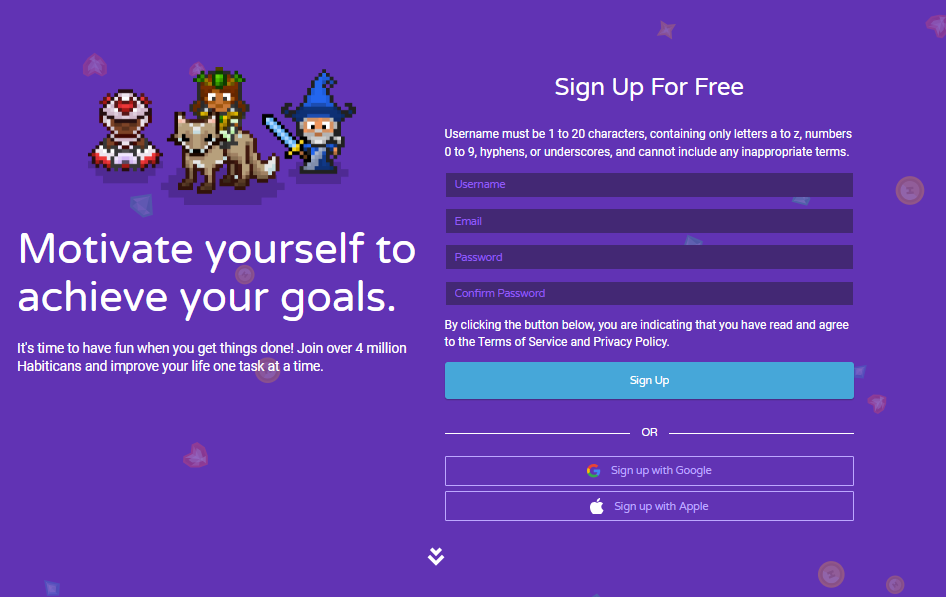
- Habit-tracking apps like Habitica or Streaks.
- Planners and journals to record daily wins.
- Goal-setting frameworks like SMART goals (Specific, Measurable, Achievable, Relevant, Time-bound).
Example: If you’re trying to improve your productivity, track how many deep-focus work sessions you complete each day. Seeing progress—even small wins—encourages you to keep going.
Step 4: Leverage Tools and Resources
You don’t have to do it all on your own. Here are some tools to amplify your efforts:
- Learning platforms: Use sites like Coursera or Skillshare to learn new skills.
- Productivity apps: Tools like Trello or Notion help organize your tasks and priorities.
- Finance calculators: Use compound interest calculators to see how small savings grow over time.
Step 5: Combine Mental Models for Greater Impact
Compounding becomes even more powerful when paired with other strategies. For example:
- Pareto Principle (80/20 rule): Focus on high-value tasks that yield the biggest results.
- The Eisenhower Matrix: Prioritize tasks based on urgency and importance.
- Kaizen (Continuous Improvement): Embrace the philosophy of making small, ongoing improvements.
Example: Let’s say you’re improving your video editing skills. Instead of trying to learn everything at once, focus on the 20% of techniques that make your videos 80% better (like transitions, sound design, and storytelling).
Step 6: Create an Environment for Success
Your environment plays a massive role in your ability to grow. Optimize it for success:

- Remove distractions: Turn off notifications, block social media, and create a dedicated workspace.
- Surround yourself with growth-minded people: Join communities, mastermind groups, or forums where you can learn from others.
- Automate where possible: Use tools like Zapier to automate repetitive tasks so you can focus on growth.
Actionable Steps to Harness the Power of Compounding
No matter where you’re starting, the principle of compounding can help you achieve extraordinary growth through small, consistent improvements. Here are step-by-step strategies tailored to different demographics, each with a brief introduction to help you relate and take action.
For Beginners: Start Small, Think Big
As a beginner, it’s easy to feel daunted by big goals, but success doesn’t require giant leaps. By focusing on small, manageable actions, you can build momentum and confidence over time.
Focus on One Area
- Pick a single skill or habit to improve, like writing, fitness, or time management.
- Example: If you want to write better, start by journaling a few sentences each day.
Set Micro Goals
- Break down your goal into tiny steps, like 5 minutes of focused work or one small task a day.
Track Progress
- Use a simple system like a calendar or app (e.g., Streaks) to log daily wins.
Reward Consistency
- Celebrate small efforts to stay motivated, like treating yourself after a week of habit-building.
For Professionals: Focus on High-Impact Growth
Professionals often juggle busy schedules, but compounding can help you grow skills and productivity without overwhelming yourself. The key is to focus on high-impact areas and refine your approach daily.
Prioritize High-Value Tasks
- Apply the Pareto Principle (80/20 rule) to focus on tasks that drive the most significant results.
- Example: If you’re in sales, focus on improving your pitch to close more deals.
Commit to Continuous Learning
- Dedicate 15–30 minutes a day to sharpening skills, like leadership, communication, or industry knowledge.
Create Systems for Efficiency
- Automate repetitive tasks or streamline workflows using tools like Zapier or Asana.
Seek Feedback
- Regularly ask colleagues or mentors to point out areas for improvement, then act on their advice.
For Students: Build a Strong Knowledge Foundation
Students have the unique opportunity to compound knowledge over time. By committing to consistent learning and focusing on foundational skills, you can set yourself up for long-term success.
Master Core Skills
- Focus on subjects that will benefit you long-term, like math, writing, or problem-solving.
Use Spaced Repetition
- Tools like Quizlet or Anki help you retain information more effectively over time.
Develop a Study Habit
- Dedicate a fixed time daily to studying or practicing a skill.
- Example: Spend 20 minutes each day reviewing class notes or solving practice problems.
Learn with Others
- Join study groups or forums to share knowledge and gain new perspectives.
For Entrepreneurs: Scale Your Business Step by Step
Entrepreneurs thrive on growth, and compounding allows you to scale your business by making consistent, high-value improvements. Focus on refining processes, improving skills, and building relationships.
Optimize Daily Operations
- Identify small improvements in your processes, like faster customer responses or better time management.
Invest in Learning
- Dedicate time to mastering key business skills, such as marketing, negotiation, or sales.
- Example: Spend 20 minutes daily reading a business book or watching a webinar.
Experiment and Iterate
- Test new ideas on a small scale and refine based on results.
- Example: A/B test email subject lines to improve campaign performance.
Network Consistently
- Build relationships with one new person weekly. These connections often lead to future opportunities.
For Retirees: Keep Growing and Thriving
Retirement doesn’t mean growth ends—in fact, it’s a great time to focus on hobbies, relationships, and financial health. Compounding small actions daily can bring fulfillment and purpose.
Learn a New Hobby or Skill
- Dedicate 15–30 minutes daily to something you’ve always wanted to try, like painting, gardening, or a new language.
Strengthen Relationships
- Make small, consistent efforts to connect with family or friends.
- Example: Call a loved one weekly or schedule regular meetups.
Grow Financially
- Use the power of compound interest to grow your savings or investments, even in retirement.
- Example: Use a compound interest calculator to track long-term growth.
Volunteer for Impact
- Dedicate a small amount of time each week to helping others, which compounds into a sense of purpose and fulfillment.
By focusing on incremental improvements, you can unlock exponential growth in any area of your life. Whether you’re a beginner, a busy professional, or someone enjoying retirement, compounding is the key to creating meaningful, lasting change.
Common Mistakes to Avoid
Even with the best intentions, compounding can lose its effectiveness if you fall into certain traps. Here are the most common mistakes people make, along with actionable solutions to stay on track:
Trying to Do Too Much at Once
When you’re motivated, it’s tempting to overhaul multiple habits or goals all at once. However, spreading yourself too thin often leads to burnout and inconsistency.
- Why it Happens: People get excited and aim for rapid, large-scale change.
- The Problem: Lack of focus dilutes your efforts, making it hard to sustain progress.
- Solution: Focus on one improvement at a time. Start small, master one habit or skill, and then build on it. For example, if you want to improve your fitness, start with 10 minutes of daily exercise instead of trying to adopt a full workout routine overnight.
Expecting Immediate Results
The excitement of starting something new can lead to unrealistic expectations for quick success.
- Why it Happens: We live in a world of instant gratification, so waiting for results feels frustrating.
- The Problem: Impatience can lead to discouragement, causing you to abandon your efforts prematurely.
- Solution: Trust the process and keep your focus on small, daily actions. Compounding takes time, but the results are exponential. Remind yourself that small improvements add up over weeks, months, and years.
Neglecting Measurement
Without tracking your progress, it’s hard to see the benefits of your efforts, which can lead to losing motivation.
- Why it Happens: Tracking feels tedious or unnecessary when results aren’t immediately visible.
- The Problem: Without measurement, you can’t identify patterns, celebrate wins, or adjust strategies that aren’t working.
- Solution: Track your progress in a simple, consistent way. Use habit trackers, apps, or journals to log daily actions. Seeing even small improvements over time can boost your confidence and keep you motivated.
Focusing on Low-Impact Areas
Not all actions provide equal benefits. Spending time on low-impact tasks slows your progress, even if you’re consistent.
- Why it Happens: It’s easier to work on comfortable or less challenging areas rather than tackling what truly makes a difference.
- The Problem: Your time and energy go toward activities that don’t significantly contribute to your goals.
- Solution: Use the 80/20 rule (Pareto Principle) to focus on high-impact areas. For example, if you’re learning a language, prioritize speaking and listening (high-impact) over memorizing obscure vocabulary (low-impact).
Giving Up After Setbacks
It’s natural to feel frustrated when you miss a day or falter in your consistency, but setbacks are part of the process.
- Why it Happens: Setbacks feel like failures, leading to discouragement and self-doubt.
- The Problem: Quitting after a setback breaks momentum and prevents long-term progress.
- Solution: View setbacks as opportunities to learn and grow. Missing a day doesn’t erase your progress—it’s just a small blip. The key is to get back on track the next day. Adopt the mindset that consistency over time matters more than perfection.
Frequently Asked Questions
How do I get started with compounding in my life?
Start small—choose one area to improve by 1% daily. Track your progress and focus on consistency.
Can I apply compounding to relationships?
Absolutely! Small, thoughtful gestures—like daily acts of kindness or better communication—can strengthen relationships over time.
What if I miss a day?
Don’t stress. Compounding is about long-term growth. Focus on getting back on track the next day.
How can I measure my progress?
Use tools like habit trackers, journals, or apps to log daily improvements.
Does compounding work for teams or businesses?
Yes! Encourage team members to improve processes, communication, or skills by 1% daily. The cumulative effect can transform an organization.
What’s the best tool for tracking habits?
Popular apps include Habitica, Streaks, and TickTick. Experiment to find what works for you.
Can compounding help with financial growth?
Definitely. Small, regular investments or savings, when compounded, lead to significant growth over time.
How do I stay motivated?
Celebrate small wins and remind yourself of the long-term benefits.
What’s the biggest challenge with compounding?
Staying consistent. Use reminders, accountability partners, or apps to keep yourself on track.
Is 1% improvement realistic every day?
It’s an ideal goal, but even smaller, irregular improvements can still lead to significant growth over time.
The Journey to 37x Growth Starts Today
Compounding isn’t just a mathematical concept—it’s a life-changing mindset. Whether you’re improving your skills, building better habits, or growing your financial wealth, the principle of small, consistent improvements can unlock exponential results. As John S. Rhodes of the Rhodes Brothers wisely said, “It doesn’t matter where you’re starting. As long as you have a runway and a way to compound, you can radically transform your life.”
The beauty of this approach is that it’s accessible to everyone. You don’t need to be a genius or have extraordinary talent. All you need is the commitment to show up daily and improve, even by the smallest margin. Remember, the path to 37x improvement isn’t about perfection—it’s about persistence.
Now, it’s your turn. Pick one area of your life—whether it’s a skill, a habit, or a goal—and commit to improving by just 1% every day. Track your progress, stay consistent, and watch as the compounding effect works its magic.
The first step is always the hardest, but it’s also the most important. Start small today:
- Choose one skill or habit to improve.
- Set a manageable daily goal (e.g., 1% better each day).
- Track your progress using a habit tracker or journal.
Most importantly, don’t wait for the “perfect” time. Start now, and let the momentum build.
Want to learn more about compounding and other transformative strategies? Check out the Rhodes Brothers YouTube Channel. They’re constantly sharing actionable insights, tools, and techniques to help you achieve your goals.
Resource List
To help you dive deeper into the concept of compounding and implement it effectively, here’s a comprehensive list of resources:
Books
- Atomic Habits by James Clear: A guide to building small habits that create big results.
- The Slight Edge by Jeff Olson: A deep dive into the power of small, consistent actions.
- The Compound Effect by Darren Hardy: A practical book on leveraging compounding in all areas of life.
Podcasts
- The Tim Ferriss Show: Insights on skill-building and productivity from world-class performers.
- The Knowledge Project: Explores mental models and strategies for growth and decision-making.
Courses
- Skillshare: Online classes for developing creative and professional skills.
- Coursera: Courses on productivity, time management, and personal growth.
Tools and Apps
- Habitica: Gamify your habit tracking to make it fun and rewarding.
- Streaks: A simple app for tracking daily habits.
- Notion: A powerful tool for organizing your tasks, goals, and progress.
- Compound Interest Calculator: Use online calculators to visualize the growth of your financial investments or savings.
Blogs and Websites
- Farnam Street: Focused on mental models and decision-making strategies.
- Zen Habits: Practical advice on building habits and simplifying your life.
- Rhodes Brothers YouTube Channel: Subscribe here for actionable tips on compounding and personal growth.