
For More Free Videos, Subscribe to the Rhodes Brothers YouTube Channel.
“Why am I unhappy with my life?” If this question has ever crossed your mind, you’re in the right place. Many of us feel stuck, frustrated, or even defeated at some point in life. The good news? That dissatisfaction doesn’t have to last forever. With the right mindset and actions, you can turn things around.

John S. Rhodes of the Rhodes Brothers said it best: “If you’re unhappy with your life, stop looking out and start looking in. Happiness isn’t out there—it’s already within you.” This powerful statement is the cornerstone of today’s article, where we’ll dive into actionable strategies to help you break free from the cycle of unhappiness.
In this blog, we’ll explore five essential lessons from John’s video, along with insights, tools, and techniques to help you reset your perspective and build a fulfilling life. You’ll learn why chasing material things doesn’t work, how to shift your focus inward, and the secret to finding true happiness by giving to others.
Let’s get started!
TL;DR
Here’s a quick summary of what you’ll gain from this post:
- Stop chasing material possessions—happiness comes from within, not from what you own.
- Appreciate the present—gratitude for what you already have boosts happiness.
- Focus on giving, not getting—true joy lies in bringing value to others.
- Redefine success—it’s not about “more,” but about “needing less.”
- Stop being bored—be less boring—embrace curiosity and excitement in everyday life.
Let’s break these down step-by-step and uncover how you can stop being unhappy with your life.
The Trap of Materialism
Have you ever thought, “If I could just buy that dream car, own that bigger house, or get that new phone, I’d finally be happy?” It’s a common belief, but it’s one that often leads to disappointment. As John S. Rhodes wisely points out, “More stuff won’t fill the gap you feel inside.”
Here’s why: The excitement of acquiring something new—whether it’s the latest gadget or a luxury item—is fleeting. Sure, you might feel a rush of satisfaction when you first get it, but that feeling doesn’t last. Studies confirm this. A 2023 report by the Journal of Positive Psychology found that material purchases only bring short-term satisfaction, whereas investing in experiences or personal growth leads to longer-lasting happiness.
The problem with materialism isn’t just that it doesn’t fulfill you—it can actually make you feel worse. When you tie your happiness to things, you’re always chasing the next “fix.” And if you can’t afford or access it? You’re left feeling frustrated and inadequate.
The truth is, happiness doesn’t come from what you own. It comes from who you are and how you see yourself. As John Rhodes says, happiness starts with building your “inner citadel.” This means focusing on your mindset, your values, and your inner peace, rather than trying to fill emotional gaps with external possessions.
Tools to Shift Away From Materialism
If you’re ready to break free from the cycle of chasing more “stuff,” here are some tools and strategies to help:
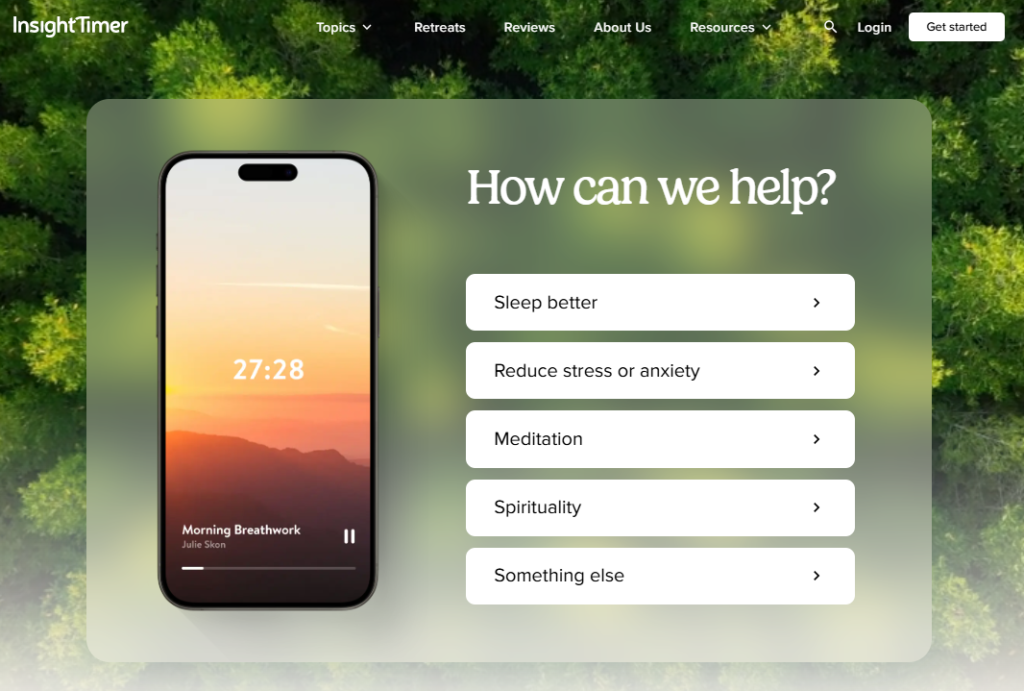
- Mindfulness Apps: Apps like Headspace or Insight Timer can help you practice mindfulness, which shifts your focus from external desires to internal peace.
- Spending Trackers: Tools like Mint or YNAB (You Need A Budget) can help you track spending and identify areas where you’re buying things you don’t really need.
- Experiences Over Things: Websites like Airbnb Experiences or Eventbrite can help you plan activities that create memories instead of clutter.
Actionable Tip: Practice Gratitude
One of the simplest ways to reduce your reliance on material possessions is to cultivate gratitude. Start a daily gratitude journal. Each day, write down three things you’re thankful for. These could be as small as enjoying your morning coffee or as big as having supportive friends and family.
Gratitude rewires your brain to focus on what you already have, rather than what you lack. Over time, you’ll find yourself feeling more content and less tempted to chase fleeting material highs.
Stop Chasing and Start Living
We’ve all done it—pinned our happiness on a future milestone. “Once I get that promotion, I’ll be happy.” “When I lose 10 pounds, everything will be better.” But as John S. Rhodes explains in his video, this mindset creates a vicious cycle of dissatisfaction.
Consider this example: You save up for months to buy a luxury car. When you finally get it, you feel amazing… for a little while. But soon, the thrill wears off. You start noticing flaws, or you begin craving an even better car. This is called the hedonic treadmill—the tendency to return to a baseline level of happiness after achieving or acquiring something.
Instead of chasing the next big thing, shift your perspective. Appreciate what you have while still working toward your goals. Use the future as inspiration, not as a condition for happiness.
Tools to Help You Appreciate the Present

- Meditation Apps: Apps like Calm can guide you through meditations focused on gratitude and present-moment awareness.
- Vision Boards: Use tools like Canva to create a vision board that celebrates your current accomplishments alongside your future goals.
- Habit Trackers: Apps like Habitica can help you build habits that reinforce appreciation, like journaling or reflecting on your day.
Actionable Tip: Reflect on Your Accomplishments
Take time each week to reflect on what you’ve achieved. This could include personal milestones, professional wins, or even small victories like sticking to a daily routine.
To make this easier, try this:
- Create a “Wins List” in a notebook or app like Notion.
- At the end of each week, jot down 3-5 things you’re proud of.
- Revisit this list whenever you feel stuck or unmotivated.
This practice not only boosts your confidence but also reminds you of how much you’ve already accomplished, helping you appreciate the present moment.
The Joy of Giving
One of the most profound lessons from John’s video is this: True happiness comes from giving. But giving doesn’t have to mean writing big checks to charity (although that’s great if you can). It’s about providing value to others—whether through your time, skills, or even small acts of kindness.
Example: The $10/$100 Rule
John shares a powerful example in his video: Imagine you provide $100 worth of value to someone but only charge them $10. They feel like they’ve won, and you feel fulfilled knowing you’ve genuinely helped them.
This principle doesn’t just apply to business. Think about how you can “overdeliver” in your personal relationships:
- Spend extra time helping a friend in need.
- Go out of your way to make someone feel special.
- Offer your expertise for free to someone who could benefit.
Actionable Tip: Start Small
Not sure where to start? Here are a few simple ways to give:
- Compliment someone: A kind word can brighten someone’s day.
- Help a neighbor: Offer to mow their lawn, carry groceries, or babysit.
- Volunteer your skills: Whether you’re good at graphic design, writing, or fixing things, someone out there could use your help.
Redefine Freedom: Need Less, Not More
We live in a society that equates freedom with having more—more money, more stuff, more experiences. But true freedom, as John S. Rhodes explains, comes from needing less.
Here’s a powerful comparison:
- Person A has $99 and only needs $5.
- Person B has $1,000 but feels like they need $5,000.
Who’s richer? Clearly, Person A. They’ve mastered the art of contentment, while Person B is stuck in a cycle of craving.
Tools to Help You Simplify

- Decluttering Apps: Use apps like Decluttr or Letgo to sell items you no longer need.
- Minimalism Guides: Read The Life-Changing Magic of Tidying Up by Marie Kondo for practical strategies.
- Budgeting Tools: Apps like EveryDollar can help you align your spending with your values.
Actionable Tip: Declutter Your Life
Start small. Pick one area of your life to declutter—your closet, your kitchen, or even just your email inbox. As you let go of things that no longer serve you, you’ll notice a surprising sense of relief and clarity.
Stop Being Bored: Be Less Boring
As John S. Rhodes points out, the key to overcoming boredom is to stop being boring. This doesn’t mean you need to become a thrill-seeker or constantly chase adrenaline. Instead, focus on bringing curiosity and energy to everyday activities.
Albert Einstein once said, “Creativity is intelligence having fun.” By approaching life with creativity and gratitude, even mundane tasks can become enjoyable.
Example: Turning a Walk Into an Adventure
A simple walk can become a mini-adventure if you approach it with curiosity:
- Notice the details around you—the colors of the trees, the sounds of birds, the feel of the ground beneath your feet.
- Challenge yourself to spot five things you’ve never noticed before.
- Bring a notebook or camera to capture interesting observations.
Actionable Tip: Try Something New
If you’re feeling stuck in a rut, shake things up:
- Learn a new skill: Take an online course on cooking, painting, or coding.
- Explore your city: Visit a museum, park, or coffee shop you’ve never been to.
- Start a new hobby: Gardening, photography, or even puzzles can spark joy and creativity.
By intentionally adding variety to your routine, you’ll find yourself feeling more engaged and less bored.
By applying these tools and strategies, you’ll not only break free from the cycle of materialism but also find deeper fulfillment in your everyday life. Happiness isn’t about what you have—it’s about how you live.
Actionable Steps to Break Free from Materialism and Find True Happiness
Whether you’re a beginner just starting to rethink your mindset, a millennial navigating societal pressures, or someone nearing retirement seeking a more fulfilling life, there are practical steps you can take to move away from the trap of materialism and focus on what truly matters. Below, we’ve tailored strategies for different stages of life and experience levels to help you build lasting happiness.
For Beginners: Start with Awareness and Small Changes
If you’re just starting to realize that “stuff” isn’t making you happy, the first step is awareness. Recognize the patterns in your life and take small, actionable steps to shift your focus.
- Reflect on Why You Want Things
- Ask yourself: “Why do I want this item?” Is it because it will truly improve your life, or is it to impress others or fill an emotional void?
- Write down your answers in a journal. This helps you uncover the emotional drivers behind your purchases.
- Practice Gratitude Daily
- Each morning or evening, write down three things you’re grateful for. They can be as simple as a good meal or a supportive friend.
- Tools: Use a gratitude app like Grateful or Daylio to make this practice easy and consistent.
- Set a “Pause Rule” for Purchases
- Before buying anything non-essential, wait 24-48 hours. This cooling-off period helps you avoid impulse purchases.
- Example: If you’re tempted to buy new clothes online, leave them in your cart for two days. You’ll often find the urge fades.
- Shift Focus to Experiences
- Instead of shopping, plan activities that create memories: visit a park, cook a new recipe, or watch a free community event.
- Resources: Check out sites like Meetup or Eventbrite for free or low-cost local activities.
For Millennials: Navigate Societal Pressures and Redefine Success
Millennials often face intense pressure to “keep up” with peers on social media or achieve traditional markers of success (like a house or luxury car). Here’s how to counteract these pressures:
- Unfollow the Comparison Trap
- Social media can fuel feelings of inadequacy. Take a break or unfollow accounts that make you feel like you’re not enough.
- Tools: Use apps like Freedom or Offtime to limit time spent on platforms like Instagram or TikTok.
- Redefine Success on Your Own Terms
- Write down what success means to you—not what society or your peers expect. For example, maybe success is having free time to pursue hobbies or maintaining close relationships, rather than earning six figures.
- Keep this definition visible as a reminder to stay focused on your values.
- Adopt Minimalism
-
- Start with your living space. Declutter one area (like your closet or kitchen) and donate or sell anything you don’t use.
- Tools: Use Marie Kondo’s KonMari Method or apps like Decluttr to make the process easier.
- Example: Millennials often accumulate tech gadgets—ask yourself if you really need all those old phones, tablets, and chargers.
- Invest in Experiences Over Things
- Plan trips, take classes, or join groups that align with your interests. Experiences offer lasting fulfillment and memories.
- Example: Instead of buying a new watch, spend that money on a weekend camping trip with friends.
For People Nearing Retirement: Focus on Fulfillment and Legacy
As you approach or enter retirement, the challenge may shift from acquiring things to finding purpose and meaning. Here’s how to focus on fulfillment:
- Reflect on Your Legacy
- Ask yourself: “What do I want to be remembered for?” This might be the relationships you’ve built, the knowledge you’ve shared, or the lives you’ve touched.
- Action: Start a journal to document your thoughts, or talk with loved ones about the values you want to pass down.
- Declutter and Simplify
- Retirement is the perfect time to downsize and simplify your life. Let go of items that no longer serve you or bring joy.
- Tools: Use Home Inventory apps to catalog what you have and decide what to keep, donate, or sell.
- Give Back to Your Community
- Volunteering can bring immense joy and fulfillment. Join local organizations or mentor younger generations in areas where you have expertise.
- Resources: Websites like VolunteerMatch or AARP’s Create The Good can connect you with opportunities.
- Build Emotional Wealth
- Focus on relationships, health, and personal growth. Spend quality time with family, pursue hobbies, or learn something new like painting or gardening.
- Courses: Look into online platforms like Coursera or Skillshare for accessible learning opportunities.
Universal Steps for Everyone: Practical Ways to Shift Focus
No matter where you are in life, these universal steps can help you transition from chasing material possessions to building a fulfilling life:
- Track Your Spending
- Use budgeting tools like Mint, YNAB, or PocketGuard to see where your money is going. This helps identify areas where you’re spending on unnecessary things.
- Create a “Joy List”
- Make a list of activities, people, and experiences that genuinely bring you joy. Refer to this list whenever you’re tempted to buy something to “feel better.”
- Learn the Value of Time
- Start seeing time as your most precious resource. Ask yourself: “Am I spending my time on things that truly matter?”
- Example: Instead of spending hours shopping online, use that time to call a friend, exercise, or work on a passion project.
- Focus on Giving
- Find ways to give to others. This could mean donating items you no longer need, mentoring someone, or simply offering support to a friend.
- Example: A retiree might tutor local students, while a millennial could start a side project that provides value to their community.
- Practice Mindfulness
- Mindfulness helps you stop and appreciate the present moment, reducing the urge to seek happiness externally.
- Tools: Apps like Calm or 10% Happier offer guided meditations for beginners.
Common Mistakes to Avoid (and How to Fix Them)
When it comes to building a fulfilling and happy life, many of us unknowingly make mistakes that keep us stuck in cycles of dissatisfaction. The good news is that by recognizing these pitfalls and taking intentional steps to correct them, you can create a life that feels more meaningful and joyful. Below, we’ll explore five common mistakes and practical solutions to overcome them.
Mistake #1: Seeking Happiness Outside Yourself
One of the biggest misconceptions about happiness is that it’s found in external things—possessions, achievements, or the approval of others. Many people believe that once they get the promotion, buy the dream house, or achieve a certain status, they’ll feel fulfilled. However, this approach often leads to emptiness because external factors are fleeting and outside your control.
Instead, focus on building your inner world. Happiness is something you cultivate within yourself by practicing mindfulness, gratitude, and self-reflection. Mindfulness helps you stay present and appreciate what you have right now, rather than constantly yearning for more. Gratitude shifts your focus to the positives in your life, while self-reflection helps you connect with your values and purpose. By nurturing your inner world, you’ll find that happiness becomes less dependent on external circumstances.
Mistake #2: Comparing Yourself to Others
In today’s social media-driven world, it’s easier than ever to fall into the comparison trap. Scrolling through Instagram or Facebook often makes it seem like everyone else is living a perfect life filled with success, travel, and happiness. But remember this: social media is a highlight reel, not real life. Comparing your behind-the-scenes struggles to someone else’s curated moments will only rob you of joy and confidence.
The solution is to focus on your own journey. Everyone’s path is different, and growth happens at its own pace. Instead of comparing yourself to others, celebrate your progress—no matter how small it may seem. Reflect on how far you’ve come and set goals that are meaningful to you. By keeping your attention on your own journey, you’ll feel more grounded and less distracted by what others are doing.
Mistake #3: Overloading Your Life With Stuff
Many people believe that having more will make them happier—more possessions, more commitments, more achievements. However, overloading your life with “stuff” often leads to stress, clutter, and a lack of focus on what truly matters. Whether it’s physical clutter in your home or mental clutter in your schedule, having “too much” can leave you feeling overwhelmed and unfulfilled.
The solution is to simplify. Take a step back and evaluate what truly brings you joy and value, and let go of the rest. Declutter your physical space by donating or selling items you no longer need. Simplify your schedule by saying no to commitments that don’t align with your priorities. By creating space—both physically and mentally—you’ll feel lighter, more focused, and better able to enjoy the things that genuinely make you happy.
Mistake #4: Neglecting Relationships
In the pursuit of personal goals and material success, it’s easy to overlook the importance of relationships. However, studies consistently show that strong, meaningful connections with others are one of the biggest predictors of happiness and well-being. Neglecting relationships—whether with family, friends, or your community—can leave you feeling isolated and disconnected.
To avoid this mistake, invest time and energy in nurturing your relationships. Schedule regular time to connect with loved ones, even if it’s just a phone call or a quick coffee date. Show appreciation for the people in your life by expressing gratitude, lending a listening ear, or offering support when they need it. Building and maintaining strong connections doesn’t require grand gestures—it’s the small, consistent efforts that matter most.
Mistake #5: Ignoring Your Health
Your physical and mental health are foundational to your overall happiness, yet they’re often the first things people neglect—especially when life gets busy. Skipping exercise, eating poorly, and not taking care of your mental well-being might seem harmless in the short term, but over time, these habits can drain your energy, mood, and quality of life.
To prioritize your health, focus on building small, sustainable habits that support your physical and mental well-being. Incorporate regular exercise into your routine, even if it’s just a 20-minute walk each day. Eat nourishing foods that fuel your body and mind. And don’t overlook self-care—whether that means meditating, journaling, or simply taking time to relax and recharge. Remember, taking care of your health isn’t selfish—it’s essential for living a happy and fulfilling life.
Frequently Asked Questions
How can I start practicing gratitude?
Start with a simple gratitude journal. Write down three things you’re thankful for each day.
What if I feel stuck in my current situation?
Focus on small, actionable steps you can take to improve your mindset or environment.
Can giving really make me happy?
Yes! Studies show that helping others releases feel-good chemicals in your brain, boosting happiness.
How do I stop comparing myself to others?
Limit your time on social media and focus on your own progress.
What’s the fastest way to declutter my life?
Start small—one room or one drawer at a time.
How can I find my purpose?
Reflect on what brings you joy and how you can use your skills to help others.
What if I lack motivation?
Set small, achievable goals to build momentum.
How can I create more excitement in my life?
Try new experiences, even small ones, and approach life with curiosity.
Can mindfulness really make a difference?
Yes! Research shows that mindfulness reduces stress and improves overall well-being.
How do I know if I’m on the right path?
Listen to your inner voice and focus on what feels meaningful to you.
Take the First Step Toward Happiness
If you’re feeling unhappy with your life, know this: change is within your control. By shifting your focus inward, practicing gratitude, and redefining your idea of success, you can break free from the cycle of dissatisfaction. The key is to stop chasing external validation and start cultivating inner peace and purpose.
To recap:
- More stuff won’t fill the gap—focus on building your inner world instead.
- Appreciate what you already have—practice gratitude daily.
- True joy comes from giving—provide value to others and watch your happiness grow.
- Redefine success as needing less, not having more—simplify your life and focus on what truly matters.
- Stop being bored by being less boring—embrace curiosity, new experiences, and the joy of small moments.
As John S. Rhodes said, “Happiness starts inside you. Build yourself up, and the world around you will transform.”
No matter where you are in life, it’s never too late to make a change. Start small. Take one step today—whether it’s writing down three things you’re grateful for, decluttering a single drawer, or reaching out to someone you can help. Tiny actions lead to big transformations over time.
Looking for more actionable advice to improve your mindset and achieve your goals? Check out the Rhodes Brothers YouTube channel for practical tips and motivational insights. Subscribe here to stay updated on their latest videos.
Resource List
Books
- The Subtle Art of Not Giving a F*ck by Mark Manson – A no-nonsense guide to focusing on what truly matters.
- Atomic Habits by James Clear – Learn how small habits can lead to massive changes in your life.
- Man’s Search for Meaning by Viktor E. Frankl – A profound exploration of finding purpose, even in the darkest times.
Podcasts
- The Happiness Lab by Dr. Laurie Santos – Science-backed insights into what makes us happy.
- The Tim Ferriss Show – Interviews with top performers on productivity, mindset, and success.
- Unlocking Us by Brené Brown – Honest conversations about vulnerability,
courage, and connection
Tools
- Grateful (App) – A simple gratitude journaling app.
- Headspace (App) – Guided meditations to help you focus on mindfulness and inner peace.
- Trello (App) – Organize your goals and decluttering projects with this intuitive productivity tool.
Blogs and Articles
- The Minimalists (www.theminimalists.com) – Learn how simplifying your life can lead to greater happiness.
- Zen Habits (zenhabits.net) – Practical advice on mindfulness, simplicity, and intentional living.
- James Clear Blog (jamesclear.com) – Insights on habits, decision-making, and personal growth.
Video
Ted Talk: The Surprising Science of Happiness by Dan Gilbert – A fascinating look at what truly makes us happy.
Courses
- Mindfulness-Based Stress Reduction (MBSR) – Offered online by various institutions, this course teaches mindfulness techniques for reducing stress and improving well-being.
- Gratitude Training by Happify – A structured program to cultivate gratitude and positivity.
- Skillshare: Finding Purpose – Explore courses on finding your passion and purpose in life.