
For More Free Videos, Subscribe to the Rhodes Brothers YouTube Channel.
Do you ever feel stuck in that endless loop of procrastination, knowing what you need to do but just not feeling like doing it? You’re not alone. Laziness is not about a lack of ambition or capability—it’s often about fear, overwhelm, or simply not knowing where to start. The good news? You can overcome it. As John S. Rhodes of the Rhodes Brothers says, “Laziness is just a problem you haven’t faced head-on yet—it’s not permanent, and it can be mastered with small, deliberate actions.”

In this post, we’ll break down proven strategies to overcome laziness, step by step. You’ll learn how to set actionable goals, face your fears, and build unstoppable momentum—all while keeping it simple and manageable. Whether you’re struggling to start a big project, tackle small daily tasks, or just get off the couch, this guide is for you. Let’s dive in!
TL;DR
Here’s a quick rundown of what you’ll learn in this post:
- Set big dreams and actionable goals that inspire you to take the first step.
- Break tasks into bite-sized actions so they feel less overwhelming.
- Face your fears directly—fear is often the root cause of laziness.
- Avoid common excuses by recognizing them as opportunities to grow.
- Use momentum-building techniques like starting with a 2-minute task.
- Leverage visualization and energy management to stay motivated.
- Turn mistakes into learning opportunities and keep moving forward.
Ready to take control of your energy and productivity? Let’s go!
The Steps to Overcome Laziness
Breaking free from laziness doesn’t require a complete personality overhaul—it starts with small, intentional changes. Think of laziness not as a character flaw but as a temporary obstacle that can be overcome with the right strategies. Let’s dive into the steps that will help you take action and create momentum in your life.
Step 1: Dream Big and Set Actionable Goals
The first step to overcoming laziness is having a compelling reason to act. Big dreams provide motivation, but they can also feel overwhelming if they’re not broken down into smaller, achievable goals.
John S. Rhodes emphasizes this point, saying, “Dream big, but break it down until the first step only takes two or three minutes. That’s how you build momentum.”
How to Set Goals That Work:
- Start with your dream: Think about what you truly want to achieve. Maybe it’s writing a book, launching a business, or improving your health.
- Break it into milestones: Divide the big dream into smaller, medium-term goals (e.g., 3-6 months) and short-term goals (1-4 weeks).
- Make it bite-sized: Break short-term goals into tasks that take only 2-5 minutes. For example, instead of “start a blog,” begin with “choose a blog name.”
Tools to Help You Set Goals:

- Trello: Organize your tasks into boards and track your progress visually.
- Asana: A great tool for creating actionable to-do lists and assigning deadlines.
- Notion: Perfect for creating a flexible, all-in-one workspace for your goals.
- Google Keep: Jot down quick ideas and reminders to keep your goals top of mind.
Step 2: Stop Letting Fear Control You
Laziness often hides a deeper cause: fear. Fear of failure, fear of not being good enough, or fear of the unknown can paralyze you and make starting feel impossible. Recognizing and addressing this fear is a crucial step in overcoming laziness.
Practical Steps to Overcome Fear:
- Name your fear: Write down what’s holding you back. Is it fear of rejection? Fear of making mistakes?
- Break down the fear: For example, if you’re scared to start a big project, break it into a first step so small it feels impossible to fail.
- Visualize success: Close your eyes and spend 10 seconds imagining yourself completing the task and feeling proud.
“Do the thing you fear the most, and the death of fear is certain.” – Mark Twain
Tools to Help You Manage Fear:

- Calm App: Use guided meditations to reduce anxiety and clear your mind.
- Journaling Apps (like Day One): Write out your fears and thoughts to gain clarity and perspective.
- MindMeister: Create visual mind maps to break down overwhelming tasks into manageable parts.
Step 3: Start Small to Build Momentum
One of the best ways to overcome laziness is to start with something so small it feels almost effortless. Momentum builds on itself, and even a tiny action can spark a chain reaction of energy and motivation.
Momentum-Building Tips:
- Use the “2-Minute Rule”: If something takes less than 2 minutes, do it immediately. This could be responding to an email, tidying your desk, or opening a blank document.
- Stand up and move: Sometimes, simply standing up or walking around can shift your energy.
- Focus on one step at a time: Instead of thinking about the entire task, focus only on what you need to do next.
Tools to Jumpstart Momentum:
- Habitica: Gamify your tasks by turning them into a game where you earn rewards.
- Focus To-Do: Combines the Pomodoro technique with task management.
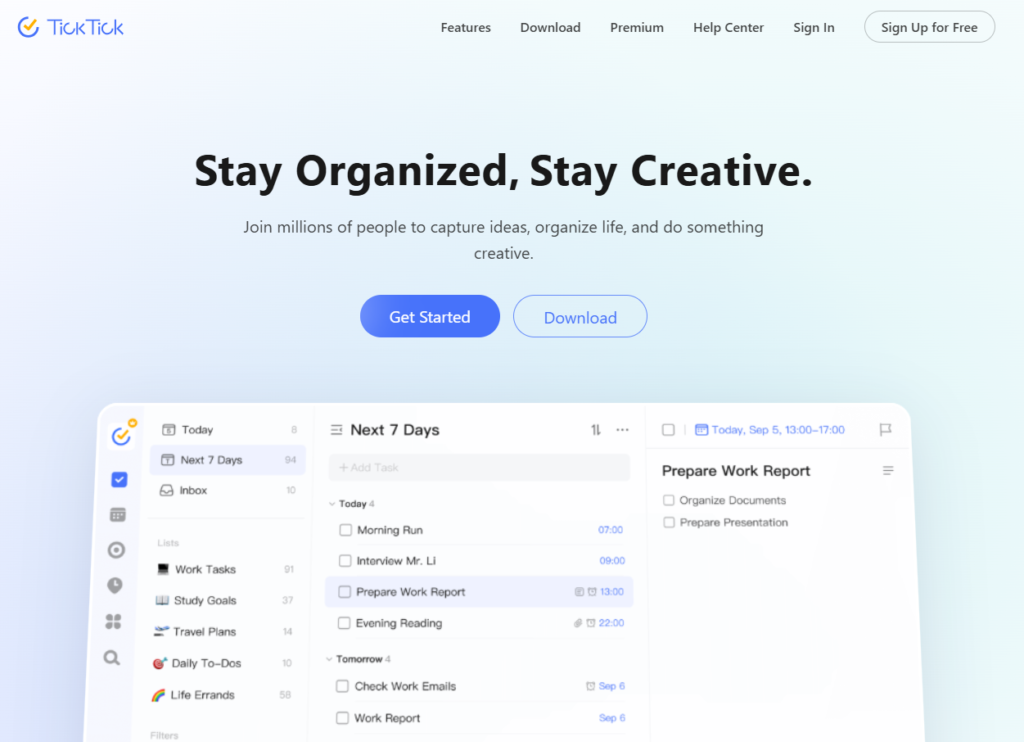
- TickTick: A simple app for creating and completing small tasks.
Step 4: Stop Making Excuses
Excuses are the enemy of progress. They tend to sound valid—“I don’t have time,” “I’m too tired,” “I don’t know where to start”—but they’re often just mental roadblocks.
John S. Rhodes recommends a powerful tactic: “Write down all your excuses. Once you see them on paper, you’ll realize they’re just problems to solve, not immovable obstacles.”
How to Stop Excuses:
- Create an “excuse list”: Write down every reason you think you can’t get started.
- Flip the script: Turn each excuse into a solution. For example:
- Excuse: “I don’t have time.”
- Solution: “I’ll work on it for just 5 minutes.”
- Focus on results: Remind yourself why completing the task is important to you.
Tools to Overcome Excuses:

- RescueTime: Track how you spend your time and identify where you might be wasting it.
- Beeminder: Set a goal, and the app will hold you accountable (with financial consequences if you fail).
Step 5: Face Challenges Head-On
Avoiding tasks often makes them seem bigger and scarier than they really are. Instead, turn toward the challenge and tackle it directly.
Tactical Advice:
- Visualize the challenge: Imagine the task as a dragon to slay. Facing it head-on makes it less intimidating.
- Take one deliberate action: Even something as simple as opening a file or making a to-do list can create momentum.
- Celebrate progress: Each small win brings you closer to your goal.
Tools for Tackling Challenges:

- Todoist: Create structured to-do lists to help you feel in control.
- Brain.fm: Use focus-boosting music to block out distractions and stay on task.
Step 6: Embrace Mistakes as Learning Opportunities
Fear of failure is one of the biggest drivers of laziness. But mistakes are not the enemy—they’re how we learn and grow.
How to Use Mistakes:
- Reframe failure: Instead of saying, “I failed,” say, “I learned what doesn’t work.”
- Track lessons learned: Use a notebook or app to record what you’ve learned from your mistakes.
- Reward effort: Celebrate the fact that you tried, even if the result wasn’t perfect.
Tools for Learning From Mistakes:
- Evernote: Keep a running log of lessons learned.
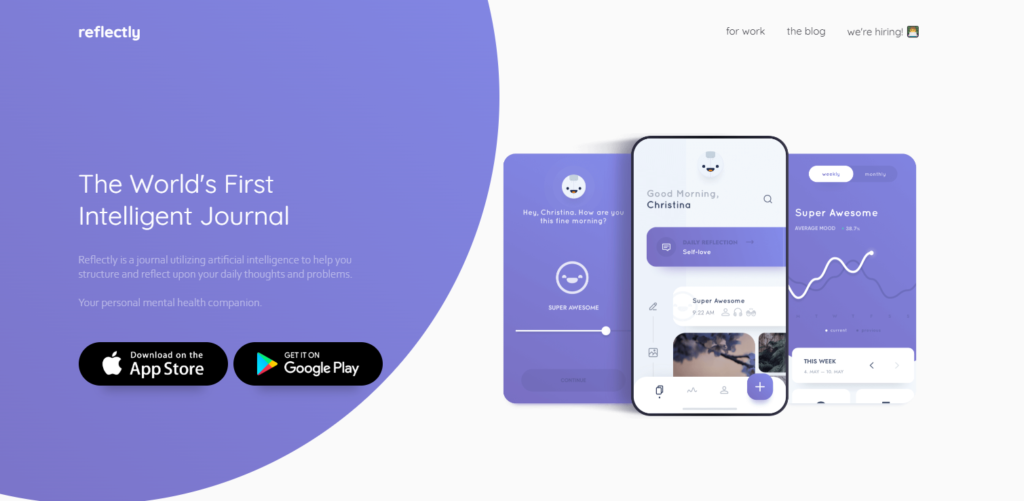
- Reflectly: A guided journaling app to help you reflect on your experiences.
Step 7: Use Energy to Create More Energy
Laziness is often the result of low energy. But here’s the trick: energy creates energy. Once you start moving, it’s easier to keep going.
Tips for Managing Energy:
- Move your body: Even a 5-minute walk or some light stretching can increase your energy.
- Stay hydrated: Dehydration can sap your energy, so drink plenty of water throughout the day.
- Work in bursts: Use the Pomodoro technique to work in focused 25-minute intervals, followed by 5-minute breaks.
Tools for Energy Management:

- WaterMinder: A simple app to remind you to drink water regularly.
- Yoga with Adriene (YouTube): Short yoga videos to help you reset your energy.
Step 8: Avoid the “All or Nothing” Trap
Perfectionism can lead to paralysis. Instead of aiming for perfection, focus on small, consistent progress.
How to Aim for Progress:
- Set minimum goals: Commit to doing the bare minimum, like writing one sentence or cleaning one drawer.
- Build consistency: It’s better to do a little every day than to wait for the perfect time to do a lot.
Tools for Building Consistency:

- Streaks: Track your habits and build a chain of daily wins.
- Coach.me: Get reminders and coaching to stay consistent with your goals.
By combining these tools, techniques, and strategies, you’ll not only overcome laziness but also build a system for sustained energy, productivity, and success. Let’s keep moving forward—one step at a time!
Actionable Steps to Overcome Laziness
Overcoming laziness isn’t a one-size-fits-all approach—it depends on where you are in life, your goals, and your personal obstacles. Below, we’ll break down practical, step-by-step strategies tailored to different demographics. Whether you’re a beginner looking for motivation, a millennial balancing a busy life, or someone nearing retirement seeking purpose, these steps will guide you toward action.
For Beginners: Starting Small and Building Momentum
If you’re new to tackling laziness and feel overwhelmed by where to start, the key is simplicity. Small wins lead to bigger wins, so your focus should be on gaining momentum.
Steps for Beginners:
- Adopt the “2-Minute Rule”: Choose a task that takes two minutes or less to complete. For example, if you want to clean your room, start by picking up one item off the floor.
- Celebrate Small Wins: Each time you complete a small task, acknowledge it. This builds confidence and reinforces the habit of taking action.
- Use Visual Cues: Set up reminders or visual triggers, like keeping your running shoes by the door if you want to start exercising.
- Track Your Progress: Use a simple checklist or app to record your daily wins. Apps like Habitica or Streaks are excellent for this.
For Millennials: Balancing Productivity with a Busy Life
Millennials often juggle careers, side hustles, social commitments, and personal goals. Laziness can creep in when you’re overwhelmed or burned out. To overcome it, focus on prioritization and time management.
Steps for Millennials:
- Declutter Your Priorities: Write down all the tasks you think you “should” do, then eliminate or delegate anything non-essential. Focus on the top 1-3 things that truly matter.
- Use the Pomodoro Technique: Work in 25-minute bursts, followed by a 5-minute break. This keeps you focused and prevents burnout. Tools like Focus Keeper or Forest can help.
- Batch Similar Tasks: Group similar activities (e.g., responding to emails, running errands) into one time block to save energy and avoid decision fatigue.
- Schedule Rest: Plan downtime into your schedule so you can recharge guilt-free. This prevents the exhaustion that leads to laziness.
For People Nearing Retirement: Finding Purpose and Overcoming Apathy
If you’re approaching retirement or have already retired, laziness may stem from a lack of direction or routine. The key here is to rediscover purpose and create structure in your day.
Steps for Retirees:
- Set Personal Goals: Think about what you’ve always wanted to do—learn a skill, volunteer, or start a hobby. Set specific, measurable goals around these activities.
- Create a Daily Routine: Structure your day with blocks of time dedicated to meaningful activities. Use a physical planner or apps like Google Calendar to stay on track.
- Start a Passion Project: Whether it’s gardening, painting, or mentoring younger generations, find something that excites you and commit to small, consistent progress.
- Join a Community: Surround yourself with like-minded people by joining clubs, classes, or online groups. Accountability and connection can fuel motivation.
For Students: Beating Procrastination and Staying Motivated
Students often face laziness when tasks feel overwhelming or boring. The trick is to make studying and productivity manageable and rewarding.
Steps for Students:
- Create a Study Schedule: Break study sessions into manageable 30-minute blocks with 5-minute breaks in between. Use apps like My Study Life to organize assignments and deadlines.
- Use the “Reward System”: Promise yourself a small treat (e.g., watching a 10-minute YouTube video, having a snack) after completing a task.
- Eliminate Distractions: Use tools like Cold Turkey or StayFocusd to block distracting websites while you work.
- Work with a Study Buddy: Pair up with a friend to hold each other accountable and make studying more enjoyable.
For Parents: Overcoming Laziness in a Busy Household
Parents often feel too drained to tackle personal goals on top of family responsibilities. The solution lies in finding small pockets of time and using them effectively.
Steps for Parents:
- Set Micro-Goals: Focus on tasks that can be completed in 5-10 minutes, like tidying one corner of a room or prepping a quick meal.
- Involve Your Kids: Turn chores or tasks into fun family activities (e.g., make cleaning a game). This lightens your load and builds teamwork.
- Use Energy Peaks: Identify the times of day when you have the most energy (e.g., early morning, after lunch) and reserve those for important tasks.
- Simplify Your Routine: Use tools like Mealime for meal planning or Cozi Family Organizer to keep track of schedules and to-do lists.
For Working Professionals: Breaking the Cycle of Overwhelm
Professionals often experience laziness as a result of burnout or decision fatigue. To stay productive, focus on simplifying your workflow and building sustainable habits.
Steps for Professionals:
- Plan Tomorrow, Today: At the end of each workday, write down the 3 most important tasks to tackle the next day.
- Set Boundaries: Avoid overcommitting by learning to say no to non-essential tasks.
- Automate Repetitive Tasks: Use tools like Zapier or IFTTT to automate emails, reminders, and other repetitive tasks.
- Create a Focus Zone: Block out distractions by working in a quiet space or using noise-canceling headphones.
For Creatives: Staying Inspired and Avoiding Creative Blocks
Creatives often struggle with laziness when inspiration feels out of reach. The key is to treat creativity like a habit rather than waiting for motivation to strike.
Steps for Creatives:
- Set a Daily Practice: Dedicate 15 minutes daily to your craft, even if you don’t feel inspired. Tools like Headspace for mindfulness can help clear mental blocks.
- Change Your Environment: Work in a new location, like a coffee shop or park, to spark fresh ideas.
- Use Prompts: Start with a creative prompt or challenge to get the ideas flowing. Websites like ArtPrompts or The Daily Page can help.
- Collaborate: Join a creative group or forum to share ideas and receive feedback. Platforms like Behance or DeviantArt are great for this.
Key Takeaways for All Demographics
Regardless of your stage in life, the principles of overcoming laziness remain universal:
- Start small: Focus on the smallest possible step to build momentum.
- Find your “why”: Identify the deeper purpose driving your goals.
- Eliminate distractions: Create an environment that supports focus and productivity.
- Use tools and systems: Apps like Trello, Notion, and Forest can simplify your workflow and keep you on track.
- Celebrate progress: Acknowledge every win, no matter how small, to stay motivated.
By implementing these strategies, you’ll not only overcome laziness but also unlock your full potential, one step at a time.
Common Mistakes to Avoid
When it comes to overcoming laziness, people often fall into traps that make progress harder than it needs to be. Recognizing and avoiding these common mistakes is key to building momentum and staying consistent. Let’s dive into a few of the most frequent pitfalls and how to steer clear of them.
Waiting for Motivation
One of the biggest misconceptions about productivity is the belief that you need to feel motivated before you can act. In reality, it’s the action that creates motivation—not the other way around. When you wait for motivation to strike, you give laziness the power to linger indefinitely. Instead of waiting for that magical burst of inspiration, focus on starting with a small, achievable task. Even taking one tiny step forward can generate the momentum and motivation you need to keep going. For example, if you’re dreading writing a report, open a blank document and write a single sentence. Once you start, you’ll likely find it easier to keep moving.
Overthinking
Another common mistake is spending too much time thinking about what you need to do instead of actually doing it. While planning is important, overthinking can lead to decision paralysis. You might find yourself stuck in a cycle of analyzing every possible angle or waiting for the “perfect” conditions to take action. The truth is, action beats perfection every time. Instead of overanalyzing, focus on taking the first step, even if it’s not perfect. A messy start is better than no start at all. Remember, you can always refine and improve as you go, but you can’t fix something that hasn’t been started.
Setting Unrealistic Goals
Big dreams are exciting—they inspire us and give us something to work toward. However, setting goals that are too ambitious or vague can quickly lead to overwhelm and inaction. For instance, deciding to “lose 50 pounds by next month” or “write a book in a week” sets you up for frustration and failure. Unrealistic goals create pressure, which can make laziness feel like the easier option. Instead, break your big dreams into smaller, realistic steps. If your goal is to lose weight, start with a commitment to walk for 10 minutes a day. If you want to write a book, aim to write 100 words a day. These small, manageable steps build confidence and progress without feeling overwhelming.
Comparing Yourself to Others
It’s easy to fall into the trap of comparing your progress to someone else’s. Whether you’re scrolling through social media or hearing about someone else’s achievements, comparison can make you feel like you’re not doing enough or that you’ll never measure up. This mindset often leads to discouragement and, ultimately, laziness. Instead of focusing on what others are doing, turn your attention inward. Celebrate your own progress, no matter how small, and remind yourself that everyone’s journey is different. Your goals and timeline are unique to you, and that’s what makes your progress meaningful.
Ignoring Energy Levels
Many people make the mistake of pushing themselves to work when their energy levels are at their lowest. This usually leads to frustration, low-quality work, or outright procrastination. Your energy isn’t consistent throughout the day—it fluctuates based on factors like sleep, nutrition, and natural rhythms. Ignoring these energy levels and trying to force productivity during times when you’re naturally less alert can set you up for failure. Instead, work with your body’s rhythms, not against them. If you’re a morning person, tackle your most challenging tasks early in the day. If you find your energy peaks in the afternoon or evening, plan your focus-intensive work during those times. By aligning your tasks with your energy levels, you’ll find it easier to stay productive and avoid the frustration that leads to laziness.
By avoiding these common mistakes, you’ll not only make it easier to overcome laziness but also create a smoother path toward achieving your goals. Progress isn’t about perfection or comparison—it’s about consistent, intentional actions that work for you.
Frequently Asked Questions
How do I stop procrastinating?
Start with a 2-minute task to build momentum. Action creates motivation.
What’s the best way to set goals?
Start with your big dream and break it into smaller, actionable steps.
How do I stay consistent?
Create a routine and reward yourself for small wins.
What if I don’t feel motivated?
Take one tiny action—motivation often follows movement.
How do I overcome fear of failure?
Reframe failure as a learning opportunity and take small, low-risk actions.
What tools help with productivity?
Apps like Trello, Asana, and Notion can help you organize tasks and stay on track.
What if I make mistakes?
Embrace them as opportunities to learn and grow.
How do I manage my energy?
Move your body, stay hydrated, and take regular breaks.
What’s the Pomodoro Technique?
Work in focused 25-minute intervals, followed by 5-minute breaks, to stay productive.
How do I avoid excuses?
Write them down and turn each one into a solution.
Take the First Step Today
Overcoming laziness isn’t about forcing yourself to become a productivity machine overnight—it’s about small, deliberate actions that build momentum and energy over time. As we’ve covered, the key lies in dreaming big, breaking tasks into bite-sized goals, facing your fears, and using energy to create more energy.
By embracing mistakes and avoiding common pitfalls like excuses or perfectionism, you’ll find yourself not only overcoming laziness but thriving with purpose and clarity.
In the words of John S. Rhodes, “The obstacle is the way—face it head-on, and you’ll find that laziness is just another opportunity for growth.”
So, what’s your first step? Whether it’s standing up, writing down your goal, or taking two minutes to plan your next move, do something today. Even the smallest action can spark a chain reaction of energy and motivation.
Subscribe to the Rhodes Brothers YouTube Channel for more actionable strategies, motivation, and insights to help you master your energy, productivity, and personal growth.
Resource List
Here’s a curated list of tools, books, and resources to help you continue your journey toward overcoming laziness and achieving your dreams:
Books
- Atomic Habits by James Clear – Learn how small changes can lead to lasting habits.
- The War of Art by Steven Pressfield – A powerful book on overcoming resistance and procrastination.
- Deep Work by Cal Newport – Strategies for staying focused and productive in a distracted world.
Courses
- Getting Things Done by David Allen – A time-tested productivity system.
- Mindset Mastery – A course to reframe your mindset and overcome procrastination.
Podcasts
- The Tim Ferriss Show – Insights on productivity hacks and overcoming challenges.
- The Productivity Show by Asian Efficiency – Tips for managing time and energy.
Apps and Tools
- Trello: Task organization and tracking.
- Notion: A flexible all-in-one workspace for planning and organizing.
- Forest: Stay focused by gamifying your productivity.
- Focus@Will: Music that enhances focus and tunes out distractions.
Communities
- Reddit: r/productivity – Join discussions and share tips with like-minded individuals.