
For More Free Videos, Subscribe to the Rhodes Brothers YouTube Channel.
Have you ever wondered why some headlines grab attention instantly while others are ignored? The magic of a great headline isn’t a mystery—it’s a formula anyone can use. Whether you’re writing a sales letter, crafting email subject lines, or creating social media posts, the right headline can make all the difference. And the best part? You don’t need to be a professional copywriter to master this skill.

As John S. Rhodes of the Rhodes Brothers says, “A great headline’s number one job is to get people to keep reading.” That’s the key. Your headline is like a door—it invites your audience in or keeps them out.
In this article, I’ll break down a simple, repeatable formula for crafting attention-grabbing headlines that work across industries and niches. You’ll learn step-by-step how to create headlines that highlight benefits, address pain points, and inspire action—all while avoiding common mistakes. Let’s dive in!
TL;DR
- A winning headline focuses on three things: the desired outcome, a specific timeframe, and eliminating objections.
- Use the “How to” formula: How to [desired outcome] in [timeframe] without [pain point].
- Examples of successful headlines:
-
- How to Lose 10 Pounds in 30 Days Without Starving Yourself
- How to Start a Business in 90 Days Without Risking Any Money
- Practical, step-by-step instructions: Learn how to apply this formula to your specific industry or product.
- Common pitfalls: Avoid overpromising, being too vague, or failing to address objections.
The Secret Formula for Writing Headlines That Convert
What if I told you that the difference between a thriving business and one that struggles could hinge on just a few words? That’s the power of a great headline. A compelling headline grabs your audience’s attention, sparks curiosity, and convinces them to keep reading. Whether you’re writing a sales letter, an email subject line, or a blog post, your headline is your first (and often only) chance to make an impact.
As John S. Rhodes puts it, “A great headline’s number one job is to get people to keep reading.” And once they do, they’re one step closer to taking action—whether that’s clicking, subscribing, or buying.
Why Headlines Matter More Than Ever
Let’s start with a simple truth: your headline is a make-or-break moment. In a world where attention spans are shorter than ever, your audience decides in milliseconds whether they’ll engage with your content. According to a study by Copyblogger, 80% of people never make it past the headline. That means your headline isn’t just important—it’s essential.
A great headline doesn’t just grab attention; it speaks directly to your audience’s desires and needs. It promises an outcome they care about and reassures them that their fears or doubts are unfounded.
As John S. Rhodes explains in his video, the best headlines are built around three key elements:
- Desired Outcome: What does your audience want the most? This is the core of your headline.
- Specific Timeframe: When can they expect results? Adding urgency makes the headline more compelling.
- Overcoming Objections: What’s stopping them from taking action? Address their fears or pain points upfront.
These three elements, combined with the proven “How To” formula, create headlines that don’t just attract attention—they inspire action.
The “How to” Formula: Your New Best Friend
The “How to” formula is one of the most effective tools for crafting headlines because it speaks directly to human curiosity. People naturally want to know how to solve their problems or achieve their goals. Here’s the formula broken down again:
How to [desired outcome] in [specific timeframe] without [pain point].
This formula works across industries, niches, and platforms—whether you’re writing a sales letter, blog post, email subject line, or social media caption. Let’s look at some real-world examples to see it in action:
Real-Life Examples of the Formula
- Fitness/Weight Loss:
-
- How to Lose 10 Pounds in 30 Days Without Starving Yourself
-
- How to Build Muscle in 90 Days Without Spending Hours in the Gym
- Make Money Online/Business:
-
- How to Generate $10,000 a Month From Home Without Any Prior Experience
-
- How to Start Your Own Business in 90 Days Without Risking Your Savings
- Personal Development:
-
- How to Overcome Procrastination in 5 Days Without Feeling Overwhelmed
-
- How to Improve Your Confidence in Just 7 Days Without Faking It
- Health/Wellness:
-
- How to Get Clear Skin in 7 Days Without Using Harsh Chemicals
-
- How to Sleep Better in 3 Days Without Expensive Sleep Aids
Why This Formula Works
What makes this formula so powerful? It’s all about psychology. Humans are naturally drawn to solutions that promise three things:
- A clear and desirable outcome
- A realistic and fast timeframe
- An easy, pain-free process
This formula taps into those desires while addressing objections in advance. It’s simple, but it works—and it can work for you, too.
Tools to Help You Create Better Headlines
Crafting headlines doesn’t have to be a guessing game. With the right tools, you can analyze and refine your headlines to ensure they resonate with your audience. Here are some of the best tools for the job:
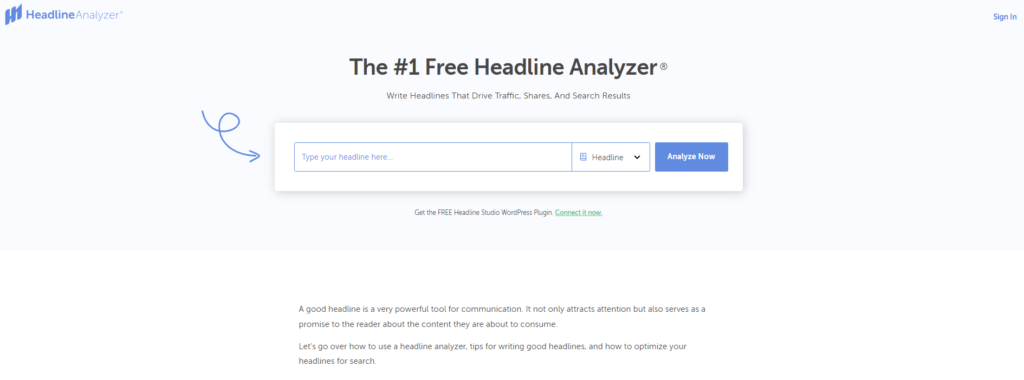
This free tool evaluates your headline’s emotional impact, word balance, and readability. It even assigns a score to help you determine how effective your headline will be.
Another excellent tool for testing your headlines. Sharethrough analyzes engagement potential, emotional resonance, and style to ensure your headline connects with readers.
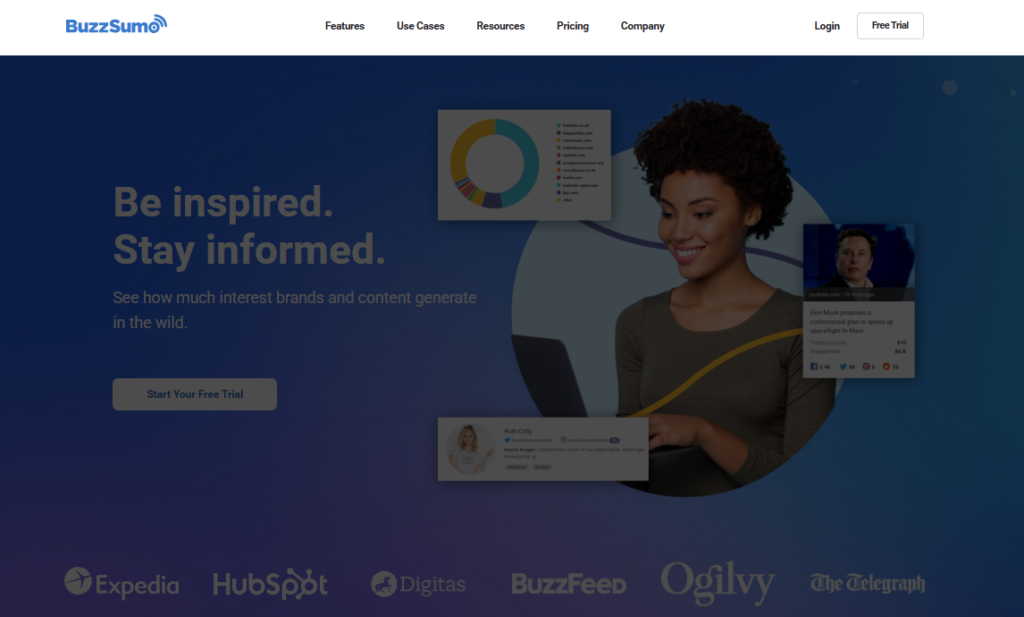
BuzzSumo helps you discover trending content and analyze which types of headlines are performing well in your niche. Use it to get inspiration and see what’s working for your competitors
While primarily a grammar-checking tool, Grammarly can also help ensure your headlines are clear, concise, and error-free.
This tool generates a list of questions people are searching for online, giving you insight into their desires and pain points. Use these insights to craft headlines that directly address their needs.
Test different versions of your headline to see which one performs best. A/B testing is a must for optimizing email subject lines, ad headlines, and landing pages.
How to Tailor the Formula to Your Audience
Writing a great headline is about more than just following a formula—it’s about understanding your audience. Here’s how to tailor the formula to fit your specific niche or industry:
Step 1: Understand Their Pain Points
What’s the biggest problem your audience is facing? For example:
- In the health niche, it might be weight loss or chronic fatigue.
- In the business niche, it might be a lack of time or resources.
- For personal development, it could be low confidence or procrastination.
Use tools like customer surveys (via Typeform or Google Forms) or social listening tools (like Hootsuite) to gather insights directly from your audience.
Step 2: Identify Realistic Timeframes
Your timeframe should align with the results your product or service can deliver. For example:
- If you’re selling a fitness program, a 30-day timeframe for weight loss is realistic.
- If you’re teaching a skill like writing a book, 60-90 days might make more sense.
Step 3: Address Common Objections
Think about the “buts” and “what ifs” your audience might have. For example:
- “I don’t have time.”
- “I’ve failed before.”
- “I don’t have the money.”
Address these objections directly in your headline.
Actionable Steps to Write Headlines That Sell
Crafting a compelling headline starts with understanding your audience. Different demographics have unique desires, challenges, and pain points, so tailoring your message to resonate with them is key. Below is a step-by-step process to create headlines using the “How to” formula, with specific examples and strategies for different groups like beginners, millennials, busy professionals, retirees, and more.
Step 1: Brainstorm Desired Outcomes
The first step is to identify what your audience wants to achieve. Think about their biggest goals, dreams, or problems they’re trying to solve. Be specific—vague outcomes won’t grab attention.
Examples for Different Demographics:
- Beginners:
-
- “Learn to Code” becomes “Learn to Code Your First App in 30 Days.”
- “Lose weight” becomes “Lose Your First 5 Pounds in 14 Days.”
- Millennials:
-
- “Make money” becomes “Build a Side Hustle That Earns $1,000 a Month.”
- “Travel more” becomes “Plan an Affordable Two-Week Trip to Europe.”
- Busy Professionals:
-
- “Improve productivity” becomes “Get More Done in Just 2 Hours a Day.”
- “Learn leadership skills” becomes “Master Leadership in 30 Minutes a Day.”
- Retirees:
-
- “Save money” becomes “Save $500 on Your Monthly Expenses Without Sacrificing Comfort.”
- “Stay healthy” becomes “Improve Your Flexibility in Just 10 Minutes a Day.”
Pro Tip: Use tools like AnswerThePublic or Google Trends to see what your audience is searching for. This will help you fine-tune your desired outcomes to align with their real needs.
Step 2: Add a Realistic Timeframe
Timeframes create urgency and make promises feel achievable. However, they must be realistic for your product or service. Different demographics may respond better to different timeframes based on their needs and expectations.
Examples for Different Demographics:
- Beginners:
-
-
- 7 days for small wins like “How to Write Your First 500 Words in 7 Days.”
- 30 days for slightly larger goals like “How to Lose 5 Pounds in 30 Days Without Dieting.”
-
- Millennials:
-
-
- Short-term goals like “How to Save $100 This Week Without Cutting Out Coffee.”
- Mid-term goals like “How to Master Instagram Marketing in 60 Days.”
-
- Busy Professionals:
-
-
- Focus on fast results like “How to Organize Your Workweek in Under an Hour.”
- Longer-term habits like “How to Double Your Productivity in 90 Days.”
-
- Retirees:
-
- Small, consistent changes like “How to Improve Your Cardio Fitness in 10 Minutes a Day.”
- Mid-term results like “How to Declutter Your Home in 30 Days Without Stress.”
Tool Suggestion: Use customer testimonials or feedback to determine realistic timeframes based on past successes. Tools like Hotjar can help you analyze customer behavior to refine expectations.
Step 3: Address a Pain Point or Objection
What’s holding your audience back? This step is all about removing barriers that prevent them from taking action. Address their fears, doubts, or frustrations directly in your headline.
Examples for Different Demographics:
- Beginners:
-
-
- “Without Feeling Overwhelmed” for complex topics like starting a new skill.
- “Without Spending a Fortune” for budget-conscious audiences learning something new.
- Example: “How to Start a Blog in 30 Days Without Feeling Overwhelmed.”
-
- Millennials:
-
-
- “Without Giving Up Your Social Life” for work-life balance concerns.
- “Without Any Prior Experience” for those learning new skills.
- Example: “How to Build a Side Hustle That Earns $1,000 a Month Without Quitting Your Job.”
-
- Busy Professionals:
-
-
- “Without Taking Hours Out of Your Day” for time-strapped individuals.
- “Without Risking Your Current Job” for those exploring new opportunities.
- Example: “How to Learn a New Skill in Just 10 Minutes a Day Without Taking Time Off Work.”
-
- Retirees:
-
- “Without Feeling Stressed or Overwhelmed” for tasks like home decluttering or fitness.
- “Without Sacrificing Comfort” for financial or lifestyle changes.
- Example: “How to Save $500 a Month Without Sacrificing Your Favorite Activities.”
Tool Suggestion: Use tools like Surveys (via Typeform or SurveyMonkey) to ask your audience directly about their pain points. Their answers will help you craft more relevant headlines.
Step 4: Test and Refine Your Headline
Even the best headline ideas need to be tested. A/B testing allows you to see which headlines resonate most with your audience.
Steps to Test Your Headlines:
- Write Multiple Variations:
Create 3-5 versions of your headline with slight tweaks. For example:
-
- “How to Save $500 in 30 Days Without Cutting Back on Fun.”
-
- “Save $500 a Month Without Sacrificing Your Lifestyle in 30 Days.”
-
- “In Just 30 Days, Save $500 Without Giving Up What You Love.”
- Use A/B Testing Tools:
-
-
- For website headlines: Use Google Optimize or Optimizely to test different versions on live traffic.
- For email subject lines: Use Mailchimp or ActiveCampaign to split-test subject lines and measure open rates.
-
- Analyze Data:
-
-
- Look at metrics like click-through rates, engagement, and conversions to evaluate performance. Keep the winner and iterate on it for future campaigns.
-
- Incorporate Feedback:
-
- Use customer feedback, surveys, or social media comments to understand what resonated most with your audience.
Common Mistakes to Avoid
Even with a strong formula like the “How to” structure, there are common mistakes that can undermine the effectiveness of your headline. These errors can reduce trust, engagement, and conversions. Let’s explore these pitfalls in detail and learn how to avoid them.
Overpromising Results
While it’s important to inspire excitement and highlight the value of your content, making unrealistic claims can backfire. Overpromising results, such as “Lose 50 Pounds in 7 Days Without Exercising” or “Make $1 Million Overnight Without Effort,” not only damages your credibility but also makes your audience skeptical. Unrealistic promises set expectations you can’t fulfill, leading to disappointment and negative feedback, which can harm your brand.
Instead, focus on achievable and believable promises. For example, “Lose 10 Pounds in 30 Days Without Starving Yourself” or “Build a Side Hustle That Earns $1,000 a Month” strike the right balance between aspiration and realism. Always ensure your headline is grounded in reality and supported by evidence, such as testimonials or data, to build trust with your audience.
Being Too Vague
While simplicity is important, being too vague in your headline can leave your readers unsure of what to expect. Headlines like “How to Be Successful” or “Learn How to Improve Yourself” are generic and fail to communicate a clear benefit. Vague headlines don’t stand out or provide enough information to make readers curious or excited to click.
Specificity is key to crafting compelling headlines. Adding details like numbers, clear timeframes, or measurable outcomes gives the audience a reason to engage. For example, a headline like “How to Land Your First 3 Clients in 30 Days” or “Learn How to Improve Your Public Speaking Skills and Wow Any Audience in 7 Days” provides clear, tangible outcomes that resonate with readers. Ask yourself, “Does this headline clearly tell the reader what they’ll gain and how they’ll achieve it?” If not, refine it further.
Ignoring Objections
Your audience comes to your content with doubts, fears, and concerns. If your headline doesn’t address these objections, readers may dismiss your offer as unrealistic or irrelevant. For instance, a headline like “How to Launch a Business in 30 Days” might raise concerns about financial risk, lack of experience, or time constraints. If these objections aren’t addressed, they become mental roadblocks that prevent readers from engaging with your content.
A more effective approach is to anticipate and tackle these objections directly in your headline. For example, instead of just saying “How to Launch a Business in 30 Days,” you could say “How to Launch a Business in 30 Days Without Risking Your Savings” or “How to Lose Weight Without Starving Yourself or Spending Hours in the Gym.” Phrases like “without,” “even if,” or “no need to” are particularly effective for reassuring readers. These headlines not only promise a result but also remove the perceived barriers to achieving it, making your offer more appealing.
Trying to Be Too Clever
Sometimes, in an effort to stand out, people try to craft overly clever or cryptic headlines. While creativity can occasionally work, it often sacrifices clarity, leaving readers confused or unsure of the benefit. For example, a headline like “The Secret Sauce You’re Missing to Change Your Life” might sound intriguing, but it doesn’t clearly communicate what the audience will gain.
Instead, prioritize clarity over cleverness. A headline like “How to Boost Your Revenue by 30% in 90 Days Without Any Extra Work” is straightforward, actionable, and immediately tells readers what they’ll get. Cleverness can still have a place, but it’s better suited for subheadings or introductions where there’s more room to elaborate. Before finalizing your headline, ask yourself, “Would someone unfamiliar with my content immediately understand the benefit?” If not, simplify it.
Forgetting to Test Your Headlines
Even the most carefully crafted headline may not resonate with every audience. Failing to test your headlines means you’re relying on guesswork rather than data, which can lead to missed opportunities for engagement. Different platforms (e.g., social media, email, blog posts) and different demographics may respond better to specific styles of headlines, so testing is critical.
To avoid this mistake, create multiple variations of your headline and test them using tools like Google Optimize, Optimizely, or email platforms like Mailchimp. For example, you could test whether “How to Save $500 in 30 Days Without Cutting Back on Fun” performs better than “Save $500 a Month Without Sacrificing Your Lifestyle in 30 Days.” Track metrics like click-through rates, open rates, and engagement to determine which headline resonates most. Testing ensures you’re optimizing for success across all platforms.
Frequently Asked Questions
How do I get started with this formula?
Start by identifying your audience’s biggest desire. Then, brainstorm timeframes and objections to include in your headline.
Can I use this formula for email subject lines?
Absolutely! The same principles apply. For example, “How to Save $500 on Your Next Vacation in Just 7 Days” works as an email subject line.
What if my audience doesn’t care about timeframes?
Even if time isn’t a major concern, adding a timeframe can still make your headline more compelling.
Can I use this formula for blog titles?
Yes! Blog titles like “How to Start a Blog in 30 Days Without Spending a Fortune” are perfect examples.
What’s the best way to test my headlines?
Use A/B testing tools to compare different versions of your headline and see which performs best.
How long should my headline be?
Aim for 6-12 words. Shorter headlines tend to perform better, but clarity is more important than length.
Can I use this for social media posts?
Definitely! For example, “How to Get Fit in 30 Days Without a Gym Membership” works well as a Facebook or Instagram post.
What if my product doesn’t solve a specific pain point?
Focus on the emotional benefits instead (e.g., “How to Feel Confident in 30 Days Without Stressing About Diets”).
Should I include keywords in my headline?
Yes, but only if it feels natural. Don’t sacrifice readability for SEO.
What’s the most important part of this formula?
Understanding your audience’s desires. If you don’t know what they want, your headline won’t resonate.
Write Headlines That Drive Results
Crafting a powerful headline is not just about grabbing attention—it’s about connecting deeply with your audience. A great headline focuses on what your audience truly desires, provides a realistic timeframe for results, and addresses any potential objections upfront. When done right, your headline becomes the gateway that drives your audience to engage with the rest of your content, whether it’s a sales letter, an email, or a blog post.
As John S. Rhodes reminds us, “The number one job of a great headline is to get people to keep reading.” By using the “How to” formula—How to [desired outcome] in [timeframe] without [pain point]—you’ll have a simple, proven method to create headlines that sell across any industry or niche.
Now it’s your turn. Start small: brainstorm a few headlines using this formula and test them out. Whether you’re promoting a product, writing a blog post, or crafting an email subject line, this approach will work wonders.
If you’re ready to maximize your results, start applying this formula today! Write a headline for your next project and watch the difference it makes. And don’t stop there—keep refining your skills by testing and analyzing what resonates most with your audience.
Want more strategies like this? Subscribe to the Rhodes Brothers YouTube Channel for actionable tips, free templates, and expert advice.
Resource List
To help you sharpen your headline-writing skills and overall copywriting expertise, check out these valuable resources:
Books
- The Copywriter’s Handbook by Robert Bly – A must-read for anyone looking to improve their copywriting skills.
- Made to Stick by Chip Heath and Dan Heath – Learn how to make your ideas (and headlines) unforgettable.
- Breakthrough Advertising by Eugene Schwartz – A classic book on understanding customer psychology and crafting compelling copy.
Courses and Podcasts
- Copyhackers Copy School – An in-depth course on writing copy that converts, including headline strategies.
- The Copywriter Club Podcast – Conversations with top copywriters sharing actionable tips and strategies.
- HubSpot Academy – Offers free resources and courses on content marketing and copywriting.
Tools
- CoSchedule Headline Analyzer – Evaluate the effectiveness of your headlines and get suggestions for improvement.
- Sharethrough Headline Analyzer – Another great tool for testing your headline’s emotional impact and engagement potential.
- Optimizely – A/B testing software to see which headlines perform best for your audience.
- Grammarly – Ensure your headlines (and all your content) are error-free and professional.
Blogs and Websites
- Copyblogger – Expert advice on writing headlines, blog posts, and sales copy.
- Neil Patel’s Blog – Insights into digital marketing, including headline strategies that drive traffic.
- HubSpot Blog – Comprehensive guides on content marketing and sales strategies.
Additional Tools for Copywriting Success
- BuzzSumo – Discover trending topics and see which types of headlines are working in your niche.
- AnswerThePublic – Generate headline ideas based on what people are searching for online.
- Headline Generator by Portent – A fun tool to generate creative headline ideas when you’re stuck.
Communities for Learning and Feedback
- The Copywriter Club (Facebook Group) – A supportive community of copywriters sharing tips and critiques.
- Reddit: r/Copywriting – Discussions, feedback, and inspiration from fellow writers.