
Digital art is experiencing an unprecedented surge in popularity, creating a prime opportunity for entrepreneurs to establish a thriving online marketplace. Successfully building such a platform goes beyond simply connecting buyers and sellers; it involves curating high-quality art, ensuring a seamless user experience, and implementing strategic marketing to attract a global audience.
In this guide, we will explore the essential steps to create a profitable online marketplace for digital art, from understanding market trends and setting up a user-friendly platform to engaging with artists and leveraging social media for maximum exposure. Ready to dive into the vibrant world of digital art commerce? Let’s get started!
TL;DR
- Learn why the digital art market is booming and how you can capitalize on it
- Discover key features that make a digital art marketplace stand out
- Explore essential technologies like blockchain and NFTs for art authentication
- Understand how to attract and retain both artists and collectors
- Learn strategies for monetization and long-term profitability
- Avoid common pitfalls in building and scaling your platform
- Get expert insights on marketing, community building, and user experience
Understanding the Digital Art Landscape
Before we dive into the nitty-gritty of building your marketplace, it’s crucial to understand the current state of the digital art world. Digital art encompasses a wide range of creations, from static images and animations to interactive experiences and virtual reality installations.
The Rise of NFTs and Blockchain Technology
One of the most significant developments in recent years has been the emergence of Non-Fungible Tokens (NFTs) and blockchain technology. These innovations have revolutionized the way digital art is bought, sold, and authenticated.
“NFTs are changing the game for digital artists, providing a way to create scarcity and provenance for digital works that was previously impossible,” says Mike Winkelmann, also known as Beeple, whose digital artwork “Everydays: The First 5000 Days” sold for a staggering $69 million at Christie’s.
The integration of blockchain technology has opened up new possibilities for digital artists, allowing them to:
- Prove ownership and authenticity of their work
- Create limited editions with verifiable scarcity
- Receive royalties on secondary sales
Key Players and Market Trends
To build a successful marketplace, it’s essential to study existing platforms and identify gaps in the market. Some notable players include:
- OpenSea: The largest NFT marketplace, covering various digital assets
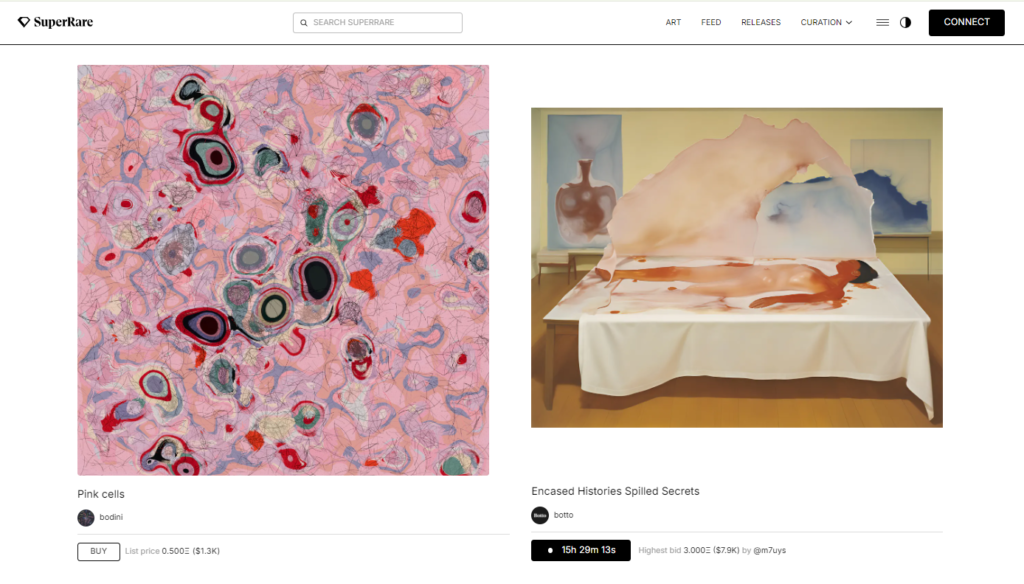
- SuperRare: Focuses on high-quality, curated digital art
- Foundation: An invitation-only platform for emerging artists
By analyzing these platforms, you can identify unique selling points for your own marketplace. Some current trends to consider:
- Increased interest in generative art and AI-created artwork
- Growing demand for virtual reality and augmented reality experiences
- Rising popularity of crypto art and blockchain-based collectibles
Essential Features for Your Digital Art Marketplace
Now that we understand the landscape, let’s explore the key features that will make your marketplace stand out.
User-Friendly Interface
A clean, intuitive interface is crucial for both artists and collectors. Consider implementing:
- Easy-to-use upload tools for artists
- Advanced search and filtering options for collectors
- Mobile responsiveness for on-the-go browsing and purchasing
To enhance user experience, consider adding:
- Customizable galleries for artists to showcase their work
- Virtual exhibition spaces for immersive viewing experiences
- Drag-and-drop functionality for easy artwork uploads
Robust Authentication and Security
To build trust in your platform, implement:
- Blockchain integration for provenance tracking
- Secure payment gateways
- Two-factor authentication for user accounts
Additional security measures to consider:
- Regular security audits and penetration testing
- Cold storage solutions for high-value digital assets
- Fraud detection systems to prevent counterfeit artworks
Social and Community Features
Foster a thriving community with:
- Artist profiles and portfolios
- Social sharing options
- Comment sections and discussion forums
Enhance community engagement by adding:
- Live streaming capabilities for artist demonstrations
- Collaborative creation tools for group projects
- Curated collections and themed exhibitions
Technology Stack for Your Digital Art Marketplace
Choosing the right technologies is crucial for building a scalable and secure platform.
Backend Development
Consider using:
- Node.js or Python for server-side logic
- PostgreSQL or MongoDB for database management
- AWS or Google Cloud for hosting and scaling
Additional backend considerations:
- Implement a microservices architecture for scalability
- Use GraphQL for efficient data querying
- Integrate a content delivery network (CDN) for fast global access
Frontend Development
For a smooth user experience, explore:
- React or Vue.js for building interactive interfaces
- WebGL or Three.js for 3D art rendering
- Progressive Web App (PWA) technologies for mobile optimization
Enhance frontend performance with:
- Lazy loading for improved page load times
- Skeleton screens for perceived faster loading
- WebAssembly for computationally intensive tasks
Blockchain Integration
Implement blockchain solutions like:
- Ethereum for smart contracts and NFT minting
- IPFS (InterPlanetary File System) for decentralized storage
- MetaMask for wallet integration
Consider multi-chain support:
- Integrate other blockchain networks like Solana or Flow
- Implement cross-chain bridges for interoperability
- Offer layer-2 solutions for reduced gas fees
Attracting Artists and Collectors
Building a two-sided marketplace requires strategies to attract both creators and buyers.
Artist Onboarding
- Offer competitive commission rates
- Provide tools for easy artwork uploads and management
- Implement a curation process to maintain quality standards
Additional artist incentives:
- Offer promotional spotlights for emerging artists
- Provide analytics tools for tracking sales and engagement
- Facilitate collaborations between artists and brands
Collector Engagement
- Offer exclusive drops and limited editions
- Implement a loyalty program for frequent buyers
- Provide educational resources on collecting digital art
Enhance collector experience with:
- Virtual reality galleries for immersive browsing
- Fractional ownership options for high-value pieces
- Gamification elements, such as collecting achievements or badges
Monetization Strategies
To build a profitable marketplace, consider multiple revenue streams:
- Transaction fees on sales
- Premium features for artists (e.g., enhanced visibility)
- Subscription models for collectors (e.g., early access to drops)
- Partnerships with brands for sponsored content
In addition to these direct monetization strategies, consider providing value-added services that can indirectly boost your platform’s success. For instance, offering financial education resources can help your users make more informed decisions, potentially increasing engagement and transaction volume.
Here’s an insightful video on how millionaires think about net worth, which can be valuable for both artists and collectors: How Millionaires Think About Net Worth.
For More Free Videos, Subscribe to the Rhodes Brothers YouTube Channel.
Explore additional revenue opportunities:
- Offer consulting services for businesses entering the digital art space
- Create a white-label solution for other marketplaces
- Host virtual events and charge for premium access
Marketing Your Digital Art Marketplace
Effective marketing is key to attracting users and growing your platform.
Content Marketing
- Start a blog covering digital art trends and artist spotlights
- Create video tutorials on using your platform
- Develop an email newsletter for updates and featured artworks
Expand your content strategy:
- Launch a podcast featuring interviews with prominent digital artists
- Create interactive infographics explaining blockchain and NFT concepts
- Develop a resource library for artists transitioning to digital mediums
Social Media Strategy
- Leverage platforms like Instagram and Twitter to showcase artworks
- Use TikTok to create engaging, short-form content about digital art
- Collaborate with influencers in the art and tech spaces
Enhance social media presence:
- Host regular Twitter Spaces or Clubhouse rooms on digital art topics
- Create AR filters featuring popular artworks for Instagram and Snapchat
- Organize virtual art challenges and contests on social platforms
SEO Optimization
- Optimize artist profiles and artwork pages for search engines
- Create landing pages for specific art styles or themes
- Build backlinks through partnerships and guest posting
Advanced SEO tactics:
- Implement schema markup for rich snippets in search results
- Create interactive tools like “Digital Art Style Quiz” for link building
- Develop a comprehensive long-tail keyword strategy for niche art styles
Scaling Your Marketplace
As your platform grows, focus on:
- Optimizing server infrastructure for increased traffic
- Implementing machine learning for personalized recommendations
- Expanding into new markets and languages
Additional scaling strategies:
- Develop strategic partnerships with art institutions and galleries
- Create an API for third-party integrations and ecosystem growth
- Implement a federated marketplace model for global expansion
Legal Considerations
Don’t forget the legal aspects of running a digital art marketplace:
- Develop clear terms of service and user agreements
- Implement copyright protection measures
- Stay compliant with data protection regulations like GDPR
Further legal considerations:
- Consult with blockchain legal experts on regulatory compliance
- Develop a dispute resolution system for artwork authenticity claims
- Create clear guidelines for handling potentially controversial artworks
By implementing these expanded strategies and features, you’ll be well-positioned to create a thriving and profitable online marketplace for digital art. Remember to stay flexible and adapt to the rapidly evolving digital art landscape, always keeping the needs of your artists and collectors at the forefront of your decision-making process.
Actionable Steps
Ready to take your art to the next level? Here are some practical steps designed to help you harness the power of technology and expand your reach:
For Young, Tech-Savvy Artists (18-30):
- Offer easy-to-use mobile app for artwork uploads
- Integrate with popular social media platforms
- Provide tutorials on NFT minting and blockchain basics
- Host virtual networking events and collaborations
For Established Traditional Artists (40+):
- Offer white-glove service for digitizing physical artworks
- Provide step-by-step guidance on transitioning to digital sales
- Emphasize the potential for reaching new, global audiences
- Offer higher-touch customer support
For Millennial Collectors (25-40):
- Implement gamification elements (e.g., collection achievements)
- Offer fractional ownership options for high-value pieces
- Provide clear investment potential data for artworks
- Create mobile-first browsing experience
For High-Net-Worth Collectors (50+):
- Offer curated, exclusive collections
- Provide personalized art advisory services
- Implement robust authentication and provenance tracking
- Offer VIP events with featured artists
For Gen Z Crypto Enthusiasts (18-24):
- Support multiple cryptocurrencies for purchases
- Implement cutting-edge features like AR previews
- Host regular digital art challenges and competitions
- Offer limited edition, gamified collectibles
For Corporate Art Buyers:
- Provide bulk purchasing options
- Offer licensing for commercial use of artworks
- Implement team accounts with approval workflows
- Provide detailed analytics on art investments
Common Mistakes to Avoid
The success of your digital art marketplace depends on avoiding critical pitfalls. Here’s a guide to help you navigate potential challenges:
Neglecting mobile users:
- Implement responsive design
- Develop a dedicated mobile app
- Optimize for touch interfaces
Overlooking user experience:
- Conduct regular user testing
- Implement A/B testing
- Use analytics to identify pain points
Ignoring community building:
- Create forums or discussion boards
- Host virtual events
- Implement social features
Underestimating technical challenges:
- Partner with blockchain experts
- Use scalable cloud services
- Conduct regular performance audits
Failing to educate users:
- Create a knowledge base
- Produce video tutorials
- Implement in-app guides
Frequently Asked Questions
What is digital art?
Digital art is created or presented using digital technology, easily reproducible without quality loss, and includes various forms like digital paintings, 3D renders, and animations.
How do NFTs work for digital art?
NFTs represent unique ownership of digital art on a blockchain, allowing for buying, selling, and transferring of verifiable, one-of-a-kind digital assets.
What are key marketplace features?
Essential features include user-friendly interfaces, secure wallet integration, advanced search options, social features, blockchain integration, responsive design, and analytics tools.
How can I ensure transaction security?
Implement secure payment gateways, use blockchain for transaction records, offer escrow services, enable two-factor authentication, and conduct regular security audits.
How can I attract artists?
Offer competitive rates, provide artist tools and resources, implement fair curation, offer marketing opportunities, build a supportive community, and provide educational resources.
What are effective monetization strategies?
Consider transaction fees, premium artist features, collector subscriptions, brand partnerships, curation services, and hosting virtual events.
What legal considerations should I be aware of?
Focus on clear terms of service, copyright protection, data protection compliance, AML and KYC regulations, tax implications, and intellectual property rights.
How can I stand out in the market?
Focus on a niche, offer unique features, provide exceptional customer service, develop a strong brand identity, host exclusive events, and implement innovative curation methods.
How do I address scaling challenges?
Use cloud solutions for server load, enhance support systems for user growth, implement AI curation and moderation, offer multi-language support, and stay updated on blockchain technology.
How can I measure the success of my marketplace?
Track transaction volume and revenue, active users, engagement metrics, sell-through rates, customer acquisition costs, platform performance, social media engagement, and user satisfaction rates.
Empowering the Future of Digital Art
As we’ve explored throughout this guide, building a profitable online marketplace for digital art is an exciting and achievable goal. By understanding the unique dynamics of the digital art world, leveraging cutting-edge technologies, and focusing on creating value for both artists and collectors, you can position yourself at the forefront of this rapidly evolving industry.
Success in this space requires a delicate balance of technical expertise, artistic sensibility, and business acumen. Stay curious, adapt to new trends, and always prioritize the needs of your community. With persistence and innovation, your digital art marketplace can become a thriving hub for creativity and commerce in the digital age.
Are you ready to take the first step towards building your digital art empire? Start by defining your unique vision, assembling your team, and creating a detailed roadmap for your marketplace. The world of digital art is waiting for your contribution!
Thank you for joining us and checking out this article. For the latest videos and information to help you succeed in the world of digital art and online marketplaces, be sure to view and subscribe to the Rhodes Brothers YouTube Channel .
Resource List
Books
- “The NFT Handbook” by Matt Fortnow and QuHarrison Terry
- “Token Economy” by Shermin Voshmgir
- “The Metaverse: And How it Will Revolutionize Everything” by Matthew Ball
- “Digital Art” by Christiane Paul
- “Blockchain Revolution” by Don Tapscott and Alex Tapscott
Courses and Podcasts
- Coursera: “Blockchain Specialization” by the University at Buffalo
- Udemy: “The Complete NFT Course – Learn Everything About NFTs”
- edX: “Blockchain Fundamentals” by the University of California, Berkeley
- Podcast: “The Nifty Show” – discussions on NFTs and digital collectibles
- Podcast: “Bankless” – insights on crypto and blockchain technology
Tools and Platforms
- IPFS (InterPlanetary File System) – for decentralized storage of digital assets
- MetaMask – popular cryptocurrency wallet for Ethereum-based transactions
- Alchemy – blockchain development platform
- Moralis – backend infrastructure for blockchain applications
- Figma – for collaborative UI/UX design
- AWS or Google Cloud – for scalable cloud hosting
- Stripe – for secure payment processing
- Intercom – for customer support and engagement
- Mixpanel – for advanced analytics and user behavior tracking
Online Resources
- NonFungible.com – market data and insights on NFTs
- CryptoArt.io – resource for tracking crypto art sales and trends
- GitHub – open-source repositories for blockchain and NFT projects
- Stack Overflow – community for developers to ask and answer technical questions
- Medium – articles and tutorials on blockchain, NFTs, and digital art
- ConsenSys Academy – educational resources on Ethereum and blockchain development
- Dapp University – tutorials on building decentralized applications
- The Block – news and research on the digital asset industry
- Art Basel Reports – insights on the global art market, including digital art trends
- Digital Art History – academic resource for understanding the evolution of digital art
Building a Profitable Online Marketplace for Digital Art Cheat Sheet
- Understand the digital art market landscape
- Research existing platforms and identify unique opportunities
- Define your niche and target audience
- Develop a minimum viable product (MVP) with core features
- Implement blockchain and NFT technology for authentication
- Create a user-friendly interface for both artists and collectors
- Prioritize mobile responsiveness and accessibility
- Integrate secure payment gateways and wallet connections
- Implement robust security measures and data protection
- Develop a strong community with social features and forums
- Offer tools for artists to easily upload and manage their work
- Implement advanced search and discovery features for collectors
- Create a fair and transparent curation process
- Develop clear terms of service and user agreements
- Implement copyright protection measures
- Stay compliant with relevant regulations (GDPR, AML, KYC)
- Offer competitive commission rates or lower fees
- Provide marketing and promotion opportunities for artists
- Implement multiple monetization strategies (fees, subscriptions, etc.)
- Develop a comprehensive marketing plan (content, social media, SEO)
- Collaborate with influencers and industry experts
- Host virtual events and exclusive drops
- Provide educational resources on digital art and NFTs
- Implement a loyalty program for frequent collectors
- Continuously gather and act on user feedback
- Monitor key performance metrics and adapt strategies accordingly
- Stay updated on emerging technologies and market trends
- Plan for scalability from the beginning
- Build partnerships with other platforms and brands
- Consider international expansion and localization
- Prioritize customer support and community management
- Regularly audit and update security protocols
- Explore innovative curation methods (AI, community-driven)
- Develop a strong brand identity and narrative
- Offer unique features not found on other platforms
- Consider environmental impact and explore eco-friendly solutions
- Plan for long-term sustainability and growth