

In today’s hyper-connected world, the demand for mindfulness and meditation apps has skyrocketed. People are searching for ways to cope with stress, anxiety, and digital overload. This creates a unique opportunity for entrepreneurs and developers to tap into a thriving market—but how do you go about building an app for mindfulness and meditation that not only serves users but also generates recurring revenue?
The good news is, with the right strategies, tools, and dedication, you can build an app that fosters mental wellness while creating a sustainable business model. Whether you’re a seasoned app developer or someone with a passion for mindfulness, this guide will walk you through the process.
As Peter Drucker famously said, “The best way to predict the future is to create it.” This quote speaks volumes to aspiring app creators like you. By developing an app that enhances mindfulness and meditation practices, you’re not only shaping your future but also contributing to the well-being of countless individuals around the world.
TL;DR
- The mindfulness and meditation industry is booming, offering a prime opportunity for recurring revenue.
- You can create a subscription-based model to ensure consistent income.
- Strategic partnerships, in-app purchases, and premium features can enhance profitability.
- Focus on user experience and community building to retain customers and encourage long-term engagement.
- Avoid common mistakes like neglecting user feedback or overcomplicating the app.
Finding Your Niche in the Mindfulness and Meditation Space
The mindfulness and meditation app market is booming, but it’s also competitive. To succeed, you need to carve out a niche that sets you apart from the rest. The key is to target a specific audience with unique needs. Rather than trying to appeal to everyone, focus your app on a particular demographic or pain point.
Here are some potential niches:
- Mindfulness for Beginners: Tailor your app to people new to meditation and mindfulness practices, offering simple, guided meditations and educational content.
- Stress Management for Professionals: Create content geared towards busy professionals looking for quick relaxation techniques during their workday.
- Mindfulness for Kids or Teens: Offer mindfulness exercises designed for younger audiences, such as calming games or bedtime meditations.
- Sleep-Focused Meditation: Develop an app that focuses solely on improving sleep quality through meditations, breathing exercises, and sleep stories.
Actionable Steps:
- Conduct Market Research: Use tools like Google Trends, Reddit, or Answer the Public to find out what people are looking for. This will help you identify gaps in the market and guide your app’s direction.
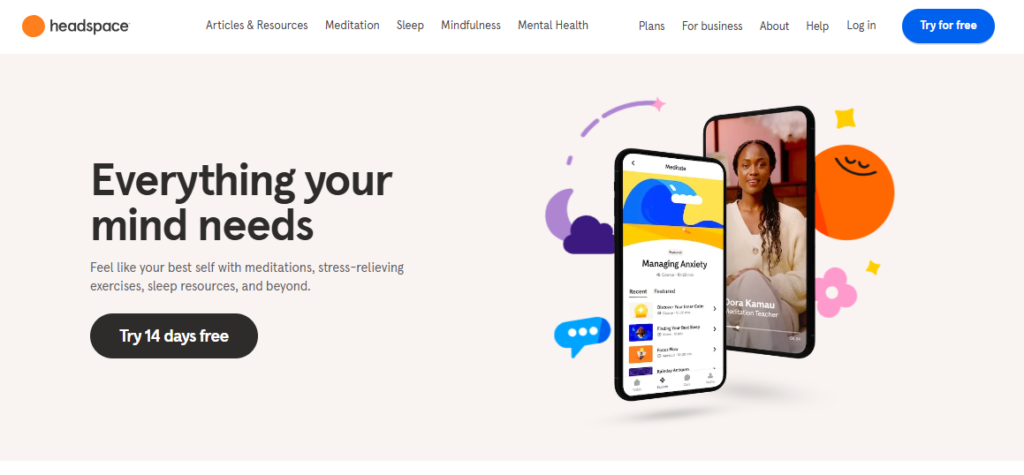
- Study Competitors: Look at successful apps like Headspace or Calm to see what they do well and where they might fall short. This will give you ideas on how to differentiate your app.
- Survey Your Audience: If you already have a small following or community, ask them directly what they want in a mindfulness app. You can use tools like Typeform or Google Forms to collect feedback.
Pro Tip: Don’t try to solve everyone’s problems. Find a niche and become the go-to app for that specific audience. Once you’ve established yourself, you can always expand the app to include more features and content.
Choosing the Right Revenue Model
Now that you’ve identified your niche, it’s time to focus on the money-making aspect. There are multiple ways to monetize your mindfulness app, but the key to generating recurring revenue is to implement a business model that encourages users to keep coming back.
Subscription-Based Model
This is by far the most popular and effective model for mindfulness and meditation apps. The idea is simple: users pay a monthly or yearly fee to access premium content. This not only creates a steady income stream but also gives users an incentive to stay engaged with your app.
Benefits:
- Predictable Revenue: Subscriptions provide a reliable, recurring source of income.
- Higher LTV (Lifetime Value): Users who subscribe are more likely to stay engaged and use your app consistently.
Tools to Help:
- RevenueCat: This tool helps you manage in-app purchases and subscriptions across multiple platforms (iOS, Android) without needing to build your own backend.
- Stripe: An easy-to-use payment processing tool that supports subscriptions and recurring billing.
Freemium Model
The freemium model is another excellent way to generate recurring revenue. You offer a free version of your app with limited content or features and charge users for access to premium content. This allows people to try your app without any initial investment, reducing the barrier to entry.
Benefits:
- Wider Reach: Free apps attract more downloads, giving you the chance to convert a portion of free users into paying customers.
- Upselling Opportunities: Once users see the value in your free content, they’ll be more likely to upgrade to premium features.
Tools to Help:
- Apphud: A platform for managing freemium subscriptions and in-app purchases.
- Firebase: Use Firebase Analytics to track user behavior and conversion rates, helping you optimize your freemium model.
Building the App: Focus on User Experience
Building a mindfulness app isn’t just about cramming in features—it’s about creating a simple, calming experience that aligns with the purpose of the app. In a world where people are bombarded with distractions, your app should be a haven of peace.
Keep It Simple
The most successful mindfulness apps have one thing in common: simplicity. Users should be able to open the app, find what they need, and start meditating within seconds. Complicated navigation or features will only frustrate users and cause them to abandon your app.
Tips for Better UX:
- Minimalist Design: Use a clean, uncluttered design with soothing colors and intuitive navigation. Your app should feel like a digital sanctuary.
- Easy Onboarding: The onboarding process should be quick and stress-free. Don’t overwhelm users with too many instructions right away.
- Personalization: Allow users to customize their experience. For example, let them choose their preferred meditation length or background sounds.
Tools to Help:
- Figma: A powerful design tool for creating wireframes and mockups.
- InVision: Allows you to create interactive prototypes and test them with users before development.
Retaining Users: Building Engagement and Community
Getting users to download your app is just the beginning. The real challenge is retaining them and ensuring they continue to use your app over time. Building a sense of community and encouraging regular engagement will be crucial to your success.
Engagement Strategies
- Push Notifications: Send gentle reminders to encourage users to meditate daily. Be mindful of the frequency—too many notifications can lead to users disabling them or uninstalling the app.
- Daily Streaks: Gamify the experience by rewarding users for maintaining a daily meditation streak. This technique has been highly successful in apps like Duolingo and Headspace.
- In-App Challenges: Introduce monthly or weekly meditation challenges where users can track their progress. You could even offer badges or rewards for completing challenges, further motivating users to stay engaged.
- Community Features: Consider adding a social component to your app. For example, users could join groups, share their progress, or leave encouraging comments for others. Building a sense of community can strengthen user loyalty and increase retention rates.
Tools to Help:
- OneSignal: A popular platform for managing push notifications.
- Firebase: Provides user engagement analytics, allowing you to track how often users return to your app.
Actionable Steps for Building a Mindfulness and Meditation App That Generates Recurring Revenue
To create a successful mindfulness app, it’s crucial to tailor your approach based on the target audience’s needs and preferences while ensuring a solid monetization strategy. Below are practical steps for different demographics to help you build a recurring revenue stream.
Beginners: Simplicity & Habit Formation
Beginners need an easy entry into mindfulness. Focus on making the experience simple and habit-forming.
- Offer Guided Meditations: Short, beginner-friendly sessions (5-10 mins) to introduce mindfulness.
- Provide Free Trials: Use a freemium model with a 7-day challenge to encourage daily practice.
- Simple UX: Keep the interface clean and intuitive, with clear onboarding to build trust.
- Monetization: After the challenge, entice users with discounts on premium subscriptions.
Millennials: Convenience, Gamification & Community
Millennials are busy and tech-savvy, valuing convenience, progress tracking, and social engagement.
- Quick Sessions: Offer flexible meditations (5-10 mins) with personalized reminders.
- Gamification: Incorporate streaks, badges, and leaderboards to motivate users.
- Community Features: Enable social sharing and group challenges to foster engagement.
- Monetization: Offer personalized data insights and premium content to encourage subscriptions.
People Nearing Retirement: Health & Accessibility
Older adults may focus on relaxation, health benefits, and ease of use. Prioritize accessibility and wellness.
- Long Sessions: Provide longer, calming meditations (15-30 mins) focused on sleep and stress reduction.
- Accessible UI: Use large fonts and simple navigation to ensure easy app use.
- Health Benefits: Emphasize how mindfulness improves physical health, such as sleep and stress levels.
- Monetization: Offer premium content focusing on sleep and personalized health insights.
Corporate Wellness: Productivity & Analytics
Appeal to companies by offering solutions that boost employee well-being and productivity.
- Corporate Packages: Create group subscriptions with team-building challenges and stress-relief exercises.
- Employee Wellness Tracking: Provide analytics dashboards for companies to track participation and stress reduction.
- Custom Content: Offer short, workplace-specific meditations for focus and relaxation.
- Monetization: Provide premium corporate plans with deeper analytics and tailored content.
Parents & Families: Kid-Friendly & Family Bonding
Parents seek mindfulness tools for both themselves and their children. Focus on family-oriented content.
- Interactive Kids’ Content: Fun, engaging meditations and mindfulness games for children.
- Family Meditations: Include shared meditations parents can do with their kids.
- Stress Relief for Parents: Offer quick, calming sessions for busy parents.
- Monetization: Provide family subscription plans with access to exclusive content for children and parents.
Universal Marketing & Monetization Strategies
Regardless of your target audience, effective marketing and monetization are key to success.
- Social Media & Influencers: Promote content on Instagram and TikTok, and partner with influencers for greater reach.
- SEO & ASO: Optimize app listings with keywords like “mindfulness app” and track performance to boost visibility.
- Free Challenges/Webinars: Use 7-day challenges or free webinars to attract new users and convert them to premium subscribers.
By following these steps, you can develop a mindfulness app that meets user needs while generating recurring revenue through targeted subscriptions and engagement techniques.
Common Mistakes to Avoid When Building a Mindfulness and Meditation App
Creating a successful mindfulness app goes beyond just having a great idea—it requires thoughtful execution and avoiding common pitfalls. Here are key mistakes to watch out for, along with advice on how to avoid them.
Overcomplicating the App
One of the biggest mistakes developers make is trying to pack too many features into the app right from the start. While it’s tempting to include everything from advanced analytics to social sharing, a cluttered interface or too many options can overwhelm users—especially beginners.
Why It’s a Problem:
- User Fatigue: Too many features can confuse or frustrate users, leading them to abandon the app early on.
- Higher Learning Curve: Complex navigation can deter new users who are just starting their mindfulness journey.
How to Avoid It:
- Start Simple: Focus on delivering core features that your target audience will love. For instance, start with basic guided meditations and simple habit-tracking. Once you’ve built a loyal user base, you can gradually introduce more advanced features like community engagement or personalized recommendations.
- Iterative Approach: Release new features gradually based on user feedback and demand, rather than trying to launch with everything at once.
Ignoring User Feedback
Your users are your most valuable source of insight. Many apps fail because they don’t listen to their users’ needs or address their pain points. Ignoring feedback can result in a product that feels out of touch with its audience.
Why It’s a Problem:
- Missed Opportunities for Improvement: Users often point out bugs, confusing elements, or desired features that could make the app more valuable.
- Negative Reviews: If users feel unheard, they may leave poor reviews or abandon the app, affecting growth and retention.
How to Avoid It:
- Actively Gather Feedback: Set up regular touchpoints to collect user feedback. Offer in-app surveys, follow-up emails after completing meditation sessions, or ask for feedback after updates.
- Make Changes Based on Feedback: Ensure your development cycle includes room for reviewing and implementing user suggestions. Prioritize common requests and pain points.
- Create a Feedback Loop: Let users know you’re listening by implementing their suggestions and alerting them when changes are made. This builds trust and loyalty.
Pro Tip: Use feedback tools like Typeform or in-app surveys to gather insights regularly and identify patterns in user preferences.
Neglecting Marketing
Even the best app can fail if no one knows about it. Many developers focus solely on building the app and neglect marketing efforts, assuming that users will find the app on their own. This is a critical mistake, especially in a crowded market like mindfulness and meditation apps.
Why It’s a Problem:
- Limited Visibility: Without marketing, your app won’t reach potential users, no matter how beneficial or well-designed it is.
- Lost Revenue: Failing to invest in marketing early on can result in sluggish growth and missed opportunities for conversions and subscriptions.
How to Avoid It:
- Start Marketing Early: Begin building an online presence even before the app is launched. Use social media platforms (Instagram, TikTok, YouTube), create content related to mindfulness, and build an email list with interested users.
- Influencer Partnerships: Collaborate with wellness influencers or mindfulness coaches to promote your app. Reviews, testimonials, and social media shoutouts can significantly boost visibility.
- SEO & ASO: Optimize your app store listing with relevant keywords, screenshots, and descriptions to ensure your app ranks well in searches for terms like “mindfulness,” “meditation for beginners,” and “stress relief.”
By avoiding these common mistakes, you’ll be better positioned to create a mindfulness and meditation app that’s not only user-friendly but also highly successful in the marketplace.
Frequently Asked Questions
How do I get started with building a mindfulness app?
Begin by identifying your niche and choosing the right business model. Then, focus on creating a simple, user-friendly experience.
What are the best tools for app development?
Tools like Figma for design, UsabilityHub for testing, and Stripe for payment processing are excellent for app development.
How much should I charge for subscriptions?
Most mindfulness apps charge between $5 to $15 per month. Consider offering different tiers based on the content you provide.
How can I build an engaged community?
Introduce features like push notifications, daily streaks, and community forums to keep users engaged.
What’s the best way to market my app?
Use social media, influencer partnerships, and SEO to get the word out.
Do I need coding experience to build an app?
No, platforms like Bubble and Adalo allow you to build apps without coding.
How do I keep users from uninstalling my app?
Focus on retention strategies like regular updates, new content, and community engagement.
Is it better to offer a free or paid app?
A freemium model works best—offer a free version with limited content and charge for premium features.
Can I use ads to make money from my app?
Yes, but be careful. Too many ads can ruin the user experience.
How long does it take to build a mindfulness app?
It depends on your resources, but expect anywhere from 3 to 6 months for development.
Achieving Success with Mindfulness and Meditation
In summary, we’ve covered the essential strategies to help you create a successful mindfulness and meditation app. The key takeaways include:
- Start simple: Launch with core features that are easy to use and understand, particularly for beginners.
- Listen to user feedback: Continuously adapt the app based on user suggestions to improve the user experience.
- Invest in marketing: A great app won’t succeed if users don’t know about it. Utilize social media, SEO, and partnerships to increase visibility.
By implementing these strategies, you can build a mindfulness app that not only engages users but also generates recurring revenue.
If you’re curious about the long-term benefits of mindfulness, check out this video: What Meditation Did For Me After 6 Years. It offers personal insights into how consistent meditation practice can transform your life.
For More Free Videos, Subscribe to the Rhodes Brothers YouTube Channel.
Take action today—whether it’s refining your app’s core features or launching your first marketing campaign, every step gets you closer to success.
Thank you for joining us! Don’t forget to check out the Rhodes Brothers YouTube Channel for more expert insights to help you on your journey. Subscribe to stay updated with the latest videos and information to help you succeed in the world of mindfulness and meditation.
Resource List
To enhance your journey in creating or practicing mindfulness and meditation, here are some valuable resources:
Books
- The Miracle of Mindfulness by Thich Nhat Hanh
- Wherever You Go, There You Are by Jon Kabat-Zinn
Courses
- Mindfulness-Based Stress Reduction (MBSR) by Jon Kabat-Zinn
- Headspace for Educators – A program designed to bring mindfulness to the classroom.
Podcasts
- 10% Happier by Dan Harris – Practical approaches to meditation and mindfulness.
- The Mindful Kind by Rachael Kable – Tips and insights on bringing mindfulness into everyday life.
Tools/Apps
- Headspace – Popular app for guided meditations and mindfulness exercises.
- Calm – Meditation, sleep stories, and breathing exercises for relaxation.
- Insight Timer – A large library of free meditations from various teachers.
Blogs
- Zen Habits – Blog focused on mindfulness, simplicity, and living consciously.
- Mindful.org – Articles and resources on integrating mindfulness into everyday life.
Mindfulness and Meditation Cheat Sheet
- Launch with essential features that cater to beginners.
- Keep the user interface simple and intuitive.
- Regularly collect and act on user feedback.
- Offer free trials or challenges to build a user base.
- Invest in marketing early—use social media, SEO, and influencer partnerships.
- Optimize app listings with mindfulness-related keywords.
- Create personalized content based on user preferences and behavior.
- Use gamification (streaks, badges) to keep users engaged.
- Build a community feature to foster social engagement.
- Focus on accessibility, particularly for older users or beginners.
- Track user data to improve and iterate your app.
- Consider corporate wellness packages for additional revenue.
- Continuously update the app with new content and features.