

Welcome to the wild world of sales funnels, where dreams of conversion rates dance in your head and leads are just waiting to be turned into loyal customers.
If you’ve ever felt lost in the labyrinth of marketing jargon or wondered how to turn a casual browser into a buying enthusiast, you’re in the right place!
That’s exactly what we’re going to explore today. We’ll dive into the world of sales funnels, uncovering the secrets to building a system that attracts, nurtures, and converts your audience into loyal customers.
In today’s digital marketplace, simply having a product isn’t enough. You need a strategy—a well-oiled machine that guides potential customers from their first interaction with your brand all the way to making that coveted purchase. Here’s why mastering your sales funnel is crucial:
- Visibility: It helps you attract and engage your target audience.
- Nurturing: It builds relationships and trust over time.
- Conversion: Ultimately, it drives sales and boosts revenue.
“A good sales funnel is like a great roller coaster: thrilling, engaging, and leaves you wanting more!”
In this guide, we’ll take a deep dive into the elements that make up an effective sales funnel. We’ll explore how to design one that not only captures attention but also converts interest into action. So buckle up, because we’re about to transform your approach to sales!
TL;DR
- Learn how to design a sales funnel that converts like a pro.
- Discover the four key stages of a successful funnel: Awareness, Interest, Decision, and Action.
- Understand the importance of lead nurturing and how to effectively engage your audience.
- Get actionable tips and strategies to optimize your funnel for maximum conversions.
- Learn how to measure your success and make data-driven improvements.
Let’s get started!
What is a Sales Funnel?
Think about a busy street corner. You’ve got a bustling crowd, everyone going about their day. Some people might just glance at your storefront, others might stop to browse, and only a few will actually walk in and make a purchase.
That’s kind of like a sales funnel! It’s a way to visualize how people interact with your business, from the moment they first hear about you to the moment they actually buy something.
Think of it like a real funnel. At the top, you’ve got a wide range of people who might be interested in what you offer. As they move down the funnel, they learn more about your products or services, and they become more qualified and ready to buy. By the time they reach the bottom, they’re ready to make a purchase!
It’s all about guiding those potential customers through a series of steps, making sure they get the information they need and feel confident about choosing your product or service.
The Four Stages of a Sales Funnel
Think of a sales funnel as a roadmap for your customers. It guides them through a series of steps, leading them closer to making a purchase. It’s all about building relationships and providing value at each stage. Here are the four key stages:
1. Awareness
This is where you introduce your brand and your products or services to the world. Think of it as the “first impression” stage. To attract potential customers, you need to create compelling content that captures their attention and sparks their interest.
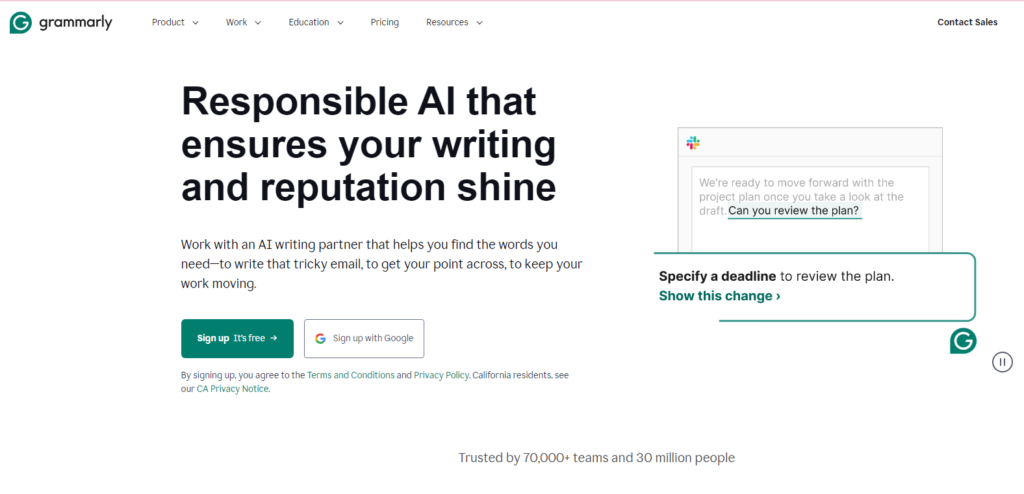
- Content Marketing: Create blog posts, articles, videos, social media updates, and other valuable content that addresses your target audience’s needs and pain points. Use content creation tools like Canva, Adobe Spark, or Grammarly to create visually appealing and engaging content. And don’t forget about video! There are some really creative ways to use video to capture attention, like this one: Free Coffee Forever (this will blow your mind)
For More Free Videos, Subscribe to the Rhodes Brothers YouTube Channel.
- SEO Optimization: Make sure your website and content are optimized for search engines so potential customers can easily find you. Use SEO tools like SEMrush, Ahrefs, or Moz to analyze keywords, track rankings, and optimize your website for search engines.
- Social Media Marketing: Engage with your target audience on social media platforms to build brand awareness and generate interest. Use social media management tools like Hootsuite, Buffer, or SproutSocial to schedule posts, track analytics, and engage with your audience.
- Paid Advertising: Consider running targeted ads on platforms like Google, Facebook, and Instagram to reach a wider audience. Use ad platforms like Google Ads, Facebook Ads, or Instagram Ads to create and manage targeted ad campaigns.
2. Interest
Once you’ve captured someone’s attention, it’s time to nurture their interest. This stage is all about building trust and providing valuable information that helps potential customers understand how your product or service can solve their problems.
- Email Marketing: Use email to stay top-of-mind, provide valuable content, and offer exclusive promotions. Use email marketing platforms like Mailchimp, Constant Contact, or ConvertKit to create email campaigns, segment your audience, and track email performance.
- Webinars and Online Events: Host webinars and online events to educate your audience and showcase your expertise. Use webinar platforms like Zoom, GoToWebinar, or WebinarJam to host live online events and engage with your audience.
- Free Resources: Offer free downloads like e-books, white papers, or checklists to provide valuable information and build trust. Use lead generation tools like Leadpages, Unbounce, or Instapage to create landing pages for your free resources and capture leads.
- Personalized Communication: Tailor your communication to individual preferences and needs. Use CRM systems like Salesforce, HubSpot, or Zoho to manage your customer data, track interactions, and personalize your communication.
3. Decision
This is where potential customers start considering making a purchase. They’ve gathered information, and now they’re weighing their options. Your goal is to help them make an informed decision and choose your product or service.
- Case Studies and Testimonials: Share real-life examples of how your product or service has helped others. Use social proof tools like Trustpilot, Yotpo, or Feefo to collect and display customer reviews and testimonials.
- Product Demos and Trials: Offer free trials or product demos to give potential customers a hands-on experience. Use screen recording tools like Loom, Camtasia, or Screencast-O-Matic to create product demos and tutorials.
- Comparison Charts: Highlight the benefits of your product or service compared to competitors. Use comparison chart tools like Venngage, Canva, or Lucidchart to create visually appealing comparison charts.
- Clear Call-to-Actions: Make it easy for customers to take the next step, whether it’s signing up for a free trial, scheduling a consultation, or making a purchase. Use A/B testing tools like Optimizely, VWO, or Google Optimize to test different call-to-action buttons and landing page designs.
4. Action
This is the final stage, where potential customers take the plunge and become paying customers. It’s all about making the purchase process as smooth and effortless as possible.
- Multiple Payment Options: Offer a variety of payment options to cater to different preferences. Use payment gateways like Stripe, PayPal, or Square to process payments securely and efficiently.
- Excellent Customer Support: Provide prompt and helpful customer support to address any questions or concerns. Use live chat tools like Intercom, Drift, or Zendesk to provide instant customer support.
- Post-Purchase Follow-Up: Thank customers for their purchase and provide ongoing support and resources. Use email automation tools like Mailchimp, Constant Contact, or ConvertKit to send automated follow-up emails to customers after they make a purchase.
Lead Nurturing
Think of lead nurturing as the art of building relationships with your potential customers. It’s about providing value and building trust over time, guiding them through the sales funnel at their own pace.
- Segmentation: Divide your audience into different segments based on their interests, needs, and behaviors. This allows you to tailor your communication and offer more relevant content. Use CRM systems like Salesforce, HubSpot, or Zoho to segment your audience and create personalized email campaigns.
- Personalized Communication: Use automation tools to send personalized emails, messages, and offers based on individual preferences and actions. Use email marketing platforms like Mailchimp, Constant Contact, or ConvertKit to create personalized email campaigns and track email performance.
- Content Curation: Share relevant and valuable content that addresses your audience’s needs and interests. Use social media management tools like Hootsuite, Buffer, or SproutSocial to curate and share relevant content from other sources.
- Follow-Up: Stay in touch with your leads even if they haven’t made a purchase yet. Nurture those relationships and continue to provide value. Use email marketing platforms like Mailchimp, Constant Contact, or ConvertKit to create automated follow-up email sequences.
Optimizing Your Sales Funnel for Maximum Conversions
Once you’ve built a solid foundation for your sales funnel, it’s time to optimize it for maximum conversions. Think of it like fine-tuning a machine to run at peak performance.
- A/B Testing: Experiment with different elements of your funnel, such as website copy, landing pages, and email subject lines, to see what resonates best with your audience. Use A/B testing tools like Optimizely, VWO, or Google Optimize to test different variations of your website pages and email campaigns.
- Data Analytics: Track key metrics like website traffic, conversion rates, and customer engagement to identify areas for improvement. Use analytics tools like Google Analytics, Adobe Analytics, or Mixpanel to track website traffic, user behavior, and conversion rates.
- Customer Feedback: Ask your customers for feedback on their experience. What worked well? What could be improved? Use survey tools like SurveyMonkey, Typeform, or Google Forms to collect customer feedback.
- Stay Up-to-Date: The digital landscape is constantly evolving. Stay informed about the latest trends and technologies to keep your sales funnel relevant and effective.
Actionable Steps
Here’s a breakdown of practical steps you can take to design an effective sales funnel, tailored to different experience levels:
For Beginners:
- Define your ideal customer: Who are you trying to reach? What are their needs and pain points?
- Create a simple website or landing page: Make it easy for visitors to find information about your product or service.
- Start with email marketing: Build an email list and send out regular newsletters or updates.
- Offer a free resource: This could be an e-book, checklist, or guide related to your product or service.
- Track your results: Use basic analytics tools like Google Analytics to see what’s working and what needs improvement.
Common Mistakes to Avoid
Even the best-laid plans can go awry. Here are some common mistakes to avoid when designing your sales funnel:
- Not Defining Your Target Audience: Without a clear understanding of who you’re trying to reach, your efforts will be scattered and ineffective.
- Ignoring the Customer Journey: Don’t just focus on the end goal. Pay attention to each stage of the customer journey and provide value at every step.
- Not Measuring Your Results: You can’t improve what you don’t measure. Track key metrics and use data to make informed decisions.
- Failing to Adapt: The digital landscape is constantly changing. Be prepared to adapt your sales funnel to stay relevant and effective.
Frequently Asked Questions
Q: How do I get started with creating a sales funnel?
A: Start by defining your target audience and understanding their needs and pain points. Then, create a content strategy that addresses those needs and attracts potential customers.
Q: How do I know if my sales funnel is working?
A: Track key metrics like website traffic, conversion rates, and customer engagement. Analyze the data to identify areas for improvement.
Q: How often should I update my sales funnel?
A: The digital landscape is constantly changing. It’s a good idea to review your sales funnel at least once a quarter and make adjustments as needed.
Q: What are some examples of successful sales funnels?
A: Many successful businesses have implemented effective sales funnels. Take a look at companies like Amazon, Apple, and HubSpot for inspiration.
Q: What are some tips for creating compelling content for my sales funnel?
A: Focus on providing value to your audience. Address their needs and pain points. Use storytelling to connect with your readers. Make your content easy to read and understand.
Q: How can I personalize my communication with my leads?
A: Use email marketing platforms and CRM systems to segment your audience and send personalized emails and messages. Use data to understand your leads’ interests and preferences.
Q: What are some ways to optimize my landing pages for conversions?
A: Use clear and concise headlines. Highlight the benefits of your product or service. Include strong calls to action. Make your landing pages mobile-friendly.
Q: How can I improve my customer support to increase conversions?
A: Provide prompt and helpful customer support. Offer multiple channels of support, such as email, phone, and live chat. Be responsive to customer inquiries.
Q: How can I track the performance of my sales funnel?
A: Use analytics tools like Google Analytics to track website traffic, conversion rates, and customer engagement. Set up goals in your analytics platform to measure specific actions, such as form submissions or purchases.
Q: What are some common mistakes to avoid when designing a sales funnel?
A: Not defining your target audience, ignoring the customer journey, not measuring your results, and failing to adapt to changes in the digital landscape.
Unlocking the Power of a Well-Designed Sales Funnel
Building a successful sales funnel is about more than just attracting customers; it’s about creating a seamless and engaging experience that guides them through every stage of their journey. By understanding the four key stages, nurturing leads, and optimizing your funnel for maximum conversions, you can create a system that attracts, engages, and converts your audience.
Think of your funnel as a roadmap to success, a system that helps you turn casual visitors into loyal customers.
Remember, the digital landscape is constantly evolving. Stay informed, experiment, and adapt your funnel to keep it relevant and effective.
Thank you for joining us! Be sure to check out the Rhodes Brothers YouTube Channel for the latest videos and information to help you succeed.
Resources
Books:
- “Inbound Marketing: Get Found Using Google, Social Media, and Blogs” by Brian Halligan and Dharmesh Shah
- “The Lean Startup: How Today’s Entrepreneurs Use Continuous Innovation to Create Radically Successful Businesses” by Eric Ries
Courses:
- “Digital Marketing Specialization” by Coursera
- “Inbound Marketing Certification” by HubSpot
Sales Funnel Cheat Sheet
- Define your target audience.
- Create compelling content that attracts attention.
- Nurture leads with valuable information and personalized communication.
- Guide customers through the decision-making process.
- Make the purchase process easy and seamless.
- Track key metrics and make data-driven improvements.
- Stay up-to-date with the latest trends and technologies.
- Ready to start building your own high-converting sales funnel? Get started today by taking the first step.