
For More Free Videos, Subscribe to the Rhodes Brothers YouTube Channel.
Are you tired of feeling sluggish, battling cravings, and struggling with your weight? The solution might be simpler than you think. By focusing on protein-rich foods and ditching the sugar, you can transform your health and vitality. As John S. Rhodes of the Rhodes Brothers says, “Sugar doesn’t just magically show up. It really, really starts at the grocery store, and that is under your control.” This powerful insight sets the stage for a journey towards better eating habits that anyone can achieve with the right strategies.

In this comprehensive guide, we’ll explore why protein is your best friend and sugar is your worst enemy when it comes to nutrition. We’ll dive into practical, actionable steps to increase your protein intake and reduce sugar consumption, all while making your meals more satisfying and your body healthier. Whether you’re a busy professional, a parent juggling family responsibilities, or someone simply looking to improve their diet, these strategies will work for you.
Did you know that the average American consumes about 17 teaspoons of added sugar per day, which is more than triple the recommended amount for women and double for men? This staggering statistic highlights the urgent need for a dietary shift. But don’t worry – by the end of this article, you’ll have all the tools you need to make that shift happen.
TL;DR
- Protein is essential for muscle health, satiety, and overall well-being
- Sugar is detrimental to health and should be minimized in your diet
- Plan your grocery shopping to avoid impulsive junk food purchases
- Prioritize protein in your meals to reduce cravings for sugary foods
- Stay hydrated to support your new eating habits
- Implement simple strategies to make healthier choices at home and when dining out
The Power of Protein: Your Secret Weapon for Better Health
Protein is a vital macronutrient that plays numerous crucial roles in our bodies. Understanding its importance and incorporating adequate amounts into your diet can significantly improve your overall health and well-being.
Why Protein Matters
Protein is the unsung hero of nutrition. It’s not just for bodybuilders and athletes; everyone needs adequate protein for optimal health. Here’s why:
- Muscle Maintenance: Protein is crucial for building and repairing muscle tissue, which is essential for maintaining strength and mobility as we age.
- Satiety: High-protein foods keep you feeling full longer, reducing the likelihood of overeating or snacking on unhealthy options.
- Metabolism Boost: Your body burns more calories digesting protein compared to fats or carbohydrates, giving your metabolism a natural boost.
- Blood Sugar Regulation: Protein helps stabilize blood sugar levels, preventing the crashes that often lead to sugar cravings.
- Hormone Production: Many hormones are made from proteins, including those that regulate hunger and fullness.
How Much Protein Do You Need?
The general recommendation is to consume 0.8 grams of protein per kilogram of body weight daily. However, this is just a baseline. Active individuals, older adults, and those looking to lose weight may benefit from higher intake, ranging from 1.2 to 2.0 grams per kilogram of body weight.
Example: A sedentary 70 kg (154 lb) person would need about 56 grams of protein daily, while an active individual of the same weight might aim for 84-140 grams.
Top Protein Sources to Include in Your Diet
- Lean meats (chicken, turkey, lean beef)
- Fish and seafood
- Eggs
- Greek yogurt
- Cottage cheese
- Legumes (beans, lentils, chickpeas)
- Tofu and tempeh
- Nuts and seeds
Tool Spotlight: The “Protein Content Calculator”
Use this online tool to quickly determine the protein content of various foods. Simply input the food item and portion size, and it will calculate the protein amount for you.
The Sugar Trap: Understanding and Overcoming Your Sweet Tooth
While sugar can make foods taste delicious, excessive consumption can lead to numerous health problems. Many people struggle with sugar cravings and overconsumption, often unaware of the hidden sugars in their diets. Understanding the dangers of sugar and learning strategies to reduce intake can significantly improve your health and well-being.
The Hidden Dangers of Sugar
Sugar is more than just empty calories. Excessive sugar consumption has been linked to:
- Weight gain and obesity
- Increased risk of type 2 diabetes
- Heart disease
- Inflammation throughout the body
- Tooth decay
- Mood swings and energy crashes
- Accelerated skin aging
- Increased risk of certain cancers
As the famous nutritionist Adelle Davis once said, “Eat breakfast like a king, lunch like a prince, and dinner like a pauper.” This advice aligns perfectly with our protein-focused approach, as starting your day with a protein-rich breakfast sets the tone for better eating habits throughout the day.
Identifying Hidden Sugars
Sugar hides in many foods you might not suspect. Learn to read labels and look out for these common sugar aliases:
- High fructose corn syrup
- Dextrose
- Maltose
- Sucrose
- Agave nectar
- Fruit juice concentrate
- Barley malt
- Rice syrup
- Molasses
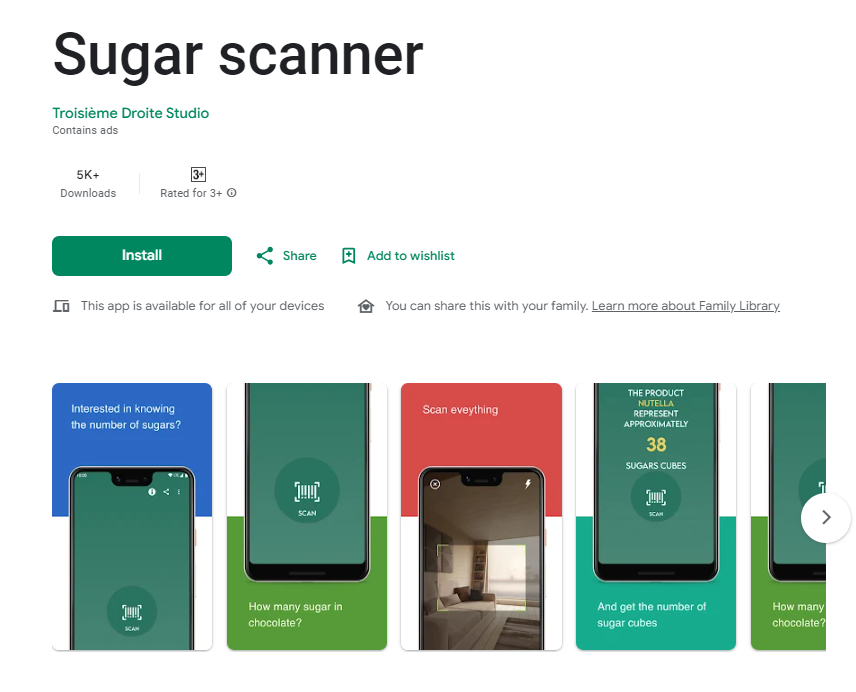
Tool Spotlight: “Sugar Scanner” App
This mobile app allows you to scan food labels and instantly see the amount of added sugars in a product. It also provides healthier alternatives and educates users on different types of sugars.
Practical Strategies for Increasing Protein and Reducing Sugar
Implementing dietary changes can be challenging, but with the right strategies, you can successfully increase your protein intake while reducing sugar consumption. This section will provide you with actionable tips to make healthier choices, starting with your grocery shopping habits.
The Grocery Store Game Plan
- Shop the Perimeter: As John S. Rhodes advises, “Stay on the outside of the grocery store, don’t go down the center aisles as much as you possibly can.”
- Make a List: Plan your meals for the week and stick to your shopping list to avoid impulsive purchases.
- Never Shop Hungry: Eat a protein-rich snack or meal before grocery shopping to reduce temptation.
- Read Labels: Look for high-protein options and be wary of added sugars in packaged foods.
- Choose Whole Foods: Opt for unprocessed or minimally processed foods which typically have higher protein content and less added sugar.
Example Shopping List:
- Lean chicken breast
- Wild-caught salmon
- Greek yogurt
- Eggs
- Lentils
- Quinoa
- Mixed nuts
- Spinach and kale
- Bell peppers
- Berries
Meal Planning and Preparation
- Protein-First Approach: Start each meal by eating your protein source first. This strategy helps you fill up on nutrient-dense food before moving on to other components of your meal.
- Batch Cooking: Prepare large batches of protein-rich meals (like chili, stir-fries, or grilled chicken) to have ready-to-eat options throughout the week.
- Snack Smart: Keep protein-rich snacks on hand, such as hard-boiled eggs, Greek yogurt, or nuts, to curb hunger between meals.
- Protein-Packed Smoothies: Blend protein powder or Greek yogurt with fruits and vegetables for a quick, nutritious meal replacement.
- Use Herbs and Spices: Enhance the flavor of your protein sources without adding sugar by experimenting with various herbs and spices.
Tool Spotlight: “Meal Prep Magic” App
This app offers customizable meal plans based on your protein goals and dietary preferences. It generates shopping lists, provides step-by-step cooking instructions, and even tracks your progress over time.
Dining Out Strategies
- Preview Menus: Look at restaurant menus online beforehand to identify protein-rich options.
- Customization is Key: Don’t be afraid to ask for modifications, such as extra protein or vegetables instead of starchy sides.
- Portion Control: Restaurant portions are often oversized. Consider sharing a meal or taking half home for later.
- Salad Bar Savvy: If available, load up on protein-rich toppings like grilled chicken, hard-boiled eggs, and legumes at the salad bar.
- Sauce on the Side: Ask for sauces and dressings on the side to control sugar intake, as many restaurant sauces are high in added sugars.
Example Restaurant Order:
Instead of a burger with fries, opt for a grilled chicken breast with a side salad and steamed vegetables. Ask for any dressings or sauces on the side.
Hydration: Your Secret Weapon Against Sugar Cravings
Staying hydrated is crucial for overall health and can help reduce sugar cravings. Here’s how to make it work for you:
- Water First: When you feel a craving coming on, drink a glass of water first. Often, thirst can be mistaken for hunger.
- Flavor Infusions: Add natural flavors to your water with slices of lemon, cucumber, or berries for variety without added sugar.
- Herbal Teas: Unsweetened herbal teas can provide flavor satisfaction without the sugar hit.
- Track Your Intake: Use a water tracking app or a marked water bottle to ensure you’re getting enough fluids throughout the day.
- Eat Water-Rich Foods: Incorporate foods with high water content like cucumbers, watermelon, and zucchini into your diet.
Tool Spotlight: “Hydration Reminder” Smart Water Bottle
This innovative water bottle tracks your water intake and sends reminders to your smartphone when it’s time to drink more water. It syncs with fitness apps to adjust your hydration goals based on activity level and climate.
Leveraging Your New Eating Habits for Better Health and Performance
By increasing your protein intake and reducing sugar consumption, you’re not just changing your diet – you’re investing in your future health and well-being. Here’s how to maximize the benefits:
- Track Your Progress: Keep a journal of how you feel as you implement these changes. Note improvements in energy levels, mood, and physical performance.
- Set Realistic Goals: Whether it’s increasing your daily protein intake or reducing sugar consumption, set achievable targets and celebrate your successes.
- Educate Your Circle: Share your knowledge with friends and family. Creating a supportive environment can make your journey easier and more enjoyable.
- Professional Guidance: Consider consulting with a registered dietitian for personalized advice and support in implementing these dietary changes.
- Combine with Exercise: Incorporate strength training exercises to complement your increased protein intake and maximize muscle health.
Tool Spotlight: “Nutrient Tracker Pro” App
This comprehensive app allows you to log your meals, track protein and sugar intake, and provides detailed nutrient breakdowns. It offers insights into your eating patterns and suggests improvements based on your goals.
Example Weekly Meal Plan:
Monday:
- Breakfast: Greek yogurt parfait with berries and nuts
- Lunch: Grilled chicken salad with mixed greens and olive oil dressing
- Dinner: Baked salmon with roasted vegetables
Tuesday:
- Breakfast: Scrambled eggs with spinach and whole grain toast
- Lunch: Lentil soup with a side of cottage cheese
- Dinner: Turkey stir-fry with mixed vegetables
Wednesday:
- Breakfast: Protein smoothie (protein powder, banana, spinach, almond milk)
- Lunch: Tuna salad wrapped in lettuce leaves
- Dinner: Grilled lean steak with sweet potato and steamed broccoli
Thursday:
- Breakfast: Overnight oats with chia seeds and protein powder
- Lunch: Chickpea and vegetable curry with brown rice
- Dinner: Baked chicken breast with quinoa and roasted Brussels sprouts
Friday:
- Breakfast: Tofu scramble with bell peppers and onions
- Lunch: Turkey and avocado wrap with a side salad
- Dinner: Grilled shrimp skewers with zucchini noodles
Saturday:
- Breakfast: Protein pancakes topped with fresh berries
- Lunch: Grilled chicken Caesar salad (dressing on the side)
- Dinner: Homemade turkey meatballs with zucchini pasta
Sunday:
- Breakfast: Smoked salmon on whole grain toast with cream cheese
- Lunch: Egg and vegetable frittata
- Dinner: Slow-cooker beef and vegetable stew
The goal is progress, not perfection. Small, consistent changes can lead to significant improvements in your health over time. By implementing these strategies and utilizing the tools and examples provided, you’ll be well on your way to a healthier, more energized life with increased protein intake and reduced sugar consumption.
Actionable Steps
Making dietary changes can feel overwhelming, but breaking them down into manageable steps based on your experience level makes the process more approachable. Here’s how to get started, whether you’re new to nutrition or looking to refine your habits.
Beginner Level
Making dietary changes can feel overwhelming at first. The beginner level focuses on simple, manageable changes that create a foundation for healthier eating habits. Start with these basic steps that anyone can implement, regardless of cooking experience or nutrition knowledge.
Start with breakfast:
- Replace sugary cereals with protein-rich options like Greek yogurt with berries, or eggs with whole-grain toast.
- Action: This week, try having eggs or Greek yogurt for breakfast at least 3 days.
Swap sugary snacks:
- Replace candy or cookies with nuts, cheese sticks, or hard-boiled eggs.
- Action: Buy a variety pack of nuts and pre-portion them into small bags for easy snacking.
Read labels:
- Learn to identify added sugars and compare protein content in foods.
- Action: Next time you shop, compare labels of 3 products you usually buy and choose the ones with less sugar and more protein.
Gradual sugar reduction:
- If you usually add 2 spoons of sugar to your coffee, reduce to 1.5, then 1, over time.
- Action: Reduce sugar in your coffee or tea by 1/4 teaspoon each week.
Intermediate Level
Once you’ve mastered the basics, you’re ready to take your nutrition to the next level. The intermediate stage focuses on building sustainable habits and implementing more structured approaches to your diet. These strategies require more planning and dedication but offer greater results.
Meal prep:
- Prepare protein-rich meals in advance to avoid relying on sugary convenience foods.
- Action: On Sunday, cook a large batch of chicken breast and portion it out for lunches throughout the week.
Protein-first approach:
- Start each meal by eating your protein source first.
- Action: For your next 5 meals, eat all of your protein before moving on to other components of your meal.
Sugar-free challenge:
- Try going a full day without added sugars, then extend to a week.
- Action: Pick a day this week to avoid all added sugars. Plan your meals in advance to ensure success.
Advanced Level
For those who have mastered basic nutrition principles and meal preparation, the advanced level introduces precise monitoring and optimization of your diet. This stage requires dedication, attention to detail, and a solid understanding of nutritional science.
Macro tracking:
- Use a food tracking app to monitor your protein and sugar intake precisely.
- Action: Set a goal for daily protein intake (e.g., 1.6g per kg of body weight) and stay under 25g of added sugar. Track for a full week.
Intermittent fasting:
- Implement a 16/8 fasting schedule to reduce overall sugar intake and potentially increase protein synthesis.
- Action: Start with a 12-hour fast (including sleep time) and gradually increase to 16 hours over a few weeks.
Advanced meal prep:
- Prepare a variety of protein sources and mix-and-match meals for the week.
- Action: On your next meal prep day, prepare 3 different protein sources (e.g., chicken, fish, tofu) and 4 different vegetable sides for diverse, balanced meals all week.
Sugar detox:
- Commit to a 30-day no-added-sugar challenge.
- Action: Plan a full month of sugar-free meals and snacks. Prepare for potential withdrawal symptoms in the first week.
For Families
Implementing dietary changes with a family requires a different approach than individual changes. Success comes from making gradual, inclusive adjustments that consider everyone’s preferences and needs while keeping the process positive and engaging for children.
Gradual changes:
- Slowly replace sugary snacks with fruit and protein-rich options.
- Action: Each week, swap out one sugary snack in your pantry for a healthier alternative.
Make it fun:
- Create a family challenge to try a new protein source each week.
- Action: Have each family member choose a new protein to try, then vote on your favorites.
Education:
- Teach kids about nutrition in an age-appropriate way.
- Action: Use colored stickers to mark foods as “go” (high protein, low sugar), “slow” (moderate), and “whoa” (high sugar, low nutrient) foods.
For Older Adults
Nutritional needs change as we age, and maintaining proper protein intake while managing sugar becomes increasingly important for health, muscle maintenance, and energy levels. This guide addresses the unique dietary considerations for older adults.
Prioritize protein:
- Aim for 25-30g of protein per meal to maintain muscle mass.
- Action: Include a palm-sized portion of protein (meat, fish, or plant-based alternative) at each meal.
Choose easy-to-prepare options:
- Stock up on canned fish, rotisserie chicken, and pre-cooked legumes.
- Action: Try making a quick tuna salad or chicken wrap for lunch using pre-prepared proteins.
Boost protein in familiar foods:
- Add Greek yogurt to smoothies or use it as a base for dips.
- Action: Replace sour cream with Greek yogurt in your next recipe that calls for it.
Be mindful of medications:
- Some medications can affect taste, potentially increasing sugar cravings.
- Action: Discuss any changes in taste or cravings with your healthcare provider at your next appointment.
Remember, the key is to start where you are and make gradual, sustainable changes. Choose the actions that feel most achievable for you right now and build from there.
Common Mistakes to Avoid
When trying to increase protein intake and reduce sugar consumption, people often fall into several common traps. Understanding these mistakes and their solutions can help you make more successful dietary changes.
Cutting out all carbs
Many people mistakenly believe that reducing sugar means eliminating all carbohydrates. This approach can lead to low energy, mood swings, and nutritional deficiencies.
Solution:
- Focus on choosing complex carbohydrates and reducing added sugars.
- Include whole grains like quinoa, brown rice, and oats in your meals.
- Opt for fruits as natural sources of carbohydrates and sweetness.
- Balance your plate with 1/4 complex carbs, 1/4 lean protein, and 1/2 vegetables.
Relying too heavily on protein powders
While protein supplements can be convenient, overreliance on them may lead to missing out on the additional nutrients found in whole food protein sources.
Solution:
- Use whole food protein sources as your foundation, with supplements as occasional aids.
- Plan meals around lean meats, fish, eggs, legumes, and dairy.
- Reserve protein powders for post-workout shakes or when whole food options aren’t available.
- Experiment with high-protein recipes that use whole ingredients.
Ignoring plant-based proteins
Many people focus solely on animal proteins, overlooking the valuable contribution that plant-based proteins can make to their diet.
Solution:
- Incorporate a variety of plant-based proteins into your diet.
- Try a “Meatless Monday” to explore plant-based protein options.
- Add beans or lentils to salads and soups for a protein boost.
- Snack on nuts and seeds, or use them as toppings for yogurt or oatmeal.
Overdoing it on artificial sweeteners
While artificial sweeteners can help reduce sugar intake, excessive use may maintain sugar cravings and potentially lead to other health issues.
Solution:
- Use artificial sweeteners sparingly and focus on reducing overall sweetness in your diet.
- Gradually reduce the amount of sweetener you use in beverages.
- Experiment with natural flavors like cinnamon, vanilla, or fruit to add sweetness.
- Train your palate to appreciate less sweet tastes by slowly cutting back on all sweeteners.
Neglecting fiber
When focusing on protein and reducing sugar, fiber often gets overlooked, leading to digestive issues and reduced satiety.
Solution:
- Consciously include high-fiber foods in your protein-rich diet.
- Pair protein sources with high-fiber vegetables like broccoli, Brussels sprouts, or spinach.
- Choose whole grain options over refined grains when consuming carbs.
- Snack on fiber-rich foods like apples with peanut butter or carrot sticks with hummus.
Not drinking enough water
When increasing protein intake and reducing sugar, proper hydration becomes even more crucial. Dehydration can lead to increased sugar cravings and impaired protein utilization.
Solution:
- Increase water intake to support protein metabolism and reduce sugar cravings.
- Carry a reusable water bottle and set reminders to drink throughout the day.
- Flavor water with cucumber, lemon, or herbs if you find plain water unappealing.
- Aim for at least 8 glasses (64 oz) of water per day, adjusting for activity level and climate.
Skipping meals in an attempt to reduce calories
Some people mistakenly believe that skipping meals will help them reduce sugar intake or lose weight. This often backfires, leading to increased cravings and overeating later.
Solution:
- Maintain regular, balanced meals to stabilize blood sugar and prevent overeating.
- Plan and prep meals in advance to ensure you always have healthy options available.
- Keep protein-rich snacks on hand for times when you can’t have a full meal.
- Aim for 3 balanced meals and 1-2 small snacks per day, adjusting portions as needed.
Not considering individual nutritional needs
Everyone’s nutritional requirements are different, and following generic advice without considering personal factors can lead to suboptimal results or health issues.
Solution:
- Tailor your approach to your personal health status, activity level, and goals.
- Consult with a registered dietitian for personalized advice.
- Adjust protein intake based on factors like age, activity level, and any health conditions.
- Keep a food diary for a week to identify areas for improvement in your current diet.
Falling for “low-fat” or “sugar-free” marketing claims
Marketing claims can be misleading, and products labeled as “healthy” alternatives often contain hidden sugars or unhealthy substitutes.
Solution:
- Learn to read nutrition labels critically and choose whole foods when possible.
- Compare nutrition facts, not just front-of-package claims.
- Choose foods with shorter, recognizable ingredient lists.
- Opt for naturally low-fat or low-sugar foods instead of heavily processed alternatives.
Neglecting food preparation methods
Even healthy ingredients can become less nutritious or higher in sugar depending on how they’re prepared. Poor cooking methods can undermine your efforts to eat better.
Solution:
- Use cooking methods that enhance nutrition without adding unnecessary sugar or unhealthy fats.
- Grill, bake, or steam proteins instead of frying.
- Use herbs and spices to add flavor without sugar or excess salt.
- Prepare sauces and dressings at home to control sugar content.
Frequently Asked Questions
How quickly can I expect to see results from increasing protein and reducing sugar?
While individual results vary, many people report increased energy and reduced cravings within 1-2 weeks of making these dietary changes. Significant weight loss, if that’s a goal, typically becomes noticeable after 4-6 weeks of consistent adherence to the new eating habits.
Can I still enjoy sweets occasionally?
Absolutely! The goal is to reduce overall sugar consumption, not eliminate it entirely. Enjoying small treats in moderation can be part of a healthy, balanced diet. The key is to make these occasional indulgences rather than daily habits.
I’m vegetarian/vegan. How can I increase my protein intake?
Plant-based proteins like legumes, tofu, tempeh, seitan, and quinoa are excellent options. Combining different plant proteins throughout the day ensures you get all essential amino acids. Consider incorporating protein-rich nuts and seeds into your meals and snacks as well.
Will eating more protein make me gain weight?
Not necessarily. Protein can actually support weight loss by increasing satiety and boosting metabolism. However, it’s important to consider overall calorie intake. Replace high-sugar, low-nutrient foods with protein-rich options rather than simply adding more protein to your existing diet.
How can I reduce sugar cravings?
Increase protein intake, stay hydrated, get adequate sleep, and manage stress. Also, gradually reduce added sugars in your diet to allow your taste buds to adjust. Consider natural sweeteners like fruit or small amounts of honey as transitional alternatives.
Is it safe to follow a high-protein diet long-term?
For most healthy individuals, a moderately high-protein diet is safe and beneficial. However, those with kidney issues or certain medical conditions should consult their healthcare provider before significantly increasing protein intake.
What’s the best time to eat protein for muscle building?
While post-workout protein is important, research shows that distributing protein intake evenly throughout the day is most beneficial for muscle synthesis and overall health.
Can increasing protein intake help with diabetes management?
Yes, higher protein intake can help stabilize blood sugar levels and improve insulin sensitivity. However, individuals with diabetes should work closely with their healthcare provider to adjust their diet safely.
Are protein bars a good snack option?
Some protein bars can be a convenient option, but many are high in added sugars and calories. Choose bars with at least 10g of protein, less than 5g of added sugar, and a short list of whole food ingredients.
How can I make high-protein meals more interesting?
Experiment with different cooking methods (grilling, roasting, slow-cooking), use a variety of spices and herbs, and try international cuisines that feature protein-rich dishes. Also, incorporate colorful vegetables to make meals more visually appealing and nutritionally balanced.
Your Path to a Healthier, Energized You
Embarking on a journey to eat more protein and reduce sugar intake is one of the most powerful steps you can take for your health. By implementing the strategies we’ve discussed – from smart grocery shopping to mindful meal planning and hydration – you’re setting yourself up for success.It’s not about perfection, but progress. Every small change you make is a step towards a healthier, more energized you.
As you begin this journey, keep in mind the words of John S. Rhodes: “It’s more important what you’re eating and not so much how you eat it.” Focus on making better choices, one meal at a time, and you’ll be amazed at how quickly these changes become habits.
We encourage you to take action today. Start by planning your next grocery trip using the strategies we’ve discussed. Choose one high-protein recipe to try this week. And most importantly, be patient and kind to yourself as you make these changes.
For more tips, strategies, and motivation to help you succeed, be sure to check out and subscribe to the Rhodes Brothers YouTube Channel . Your healthier, more energized future starts now!
Resource List
Books
- “The Complete Guide to Fasting” by Dr. Jason Fung
- “The Obesity Code” by Dr. Jason Fung
- “The Whole30” by Melissa Hartwig Urban and Dallas Hartwig
- “Eat to Live” by Joel Fuhrman, MD
Podcasts
- “The Model Health Show” by Shawn Stevenson
- “Found My Fitness” by Dr. Rhonda Patrick
- “The Nutrition Diva’s Quick and Dirty Tips for Eating Well and Feeling Fabulous”
- “The Proof with Simon Hill”
- “The Genius Life” by Max Lugavere
Courses
- “Precision Nutrition Level 1 Certification”
- “Nutrition and Lifestyle in Pregnancy” on edX by Ludwig-Maximilians-Universität München (LMU)
Tools and Apps
- MyFitnessPal – for tracking nutrition and protein intake
- Cronometer – for detailed nutrient tracking
- Eat This Much – for meal planning and recipe suggestions
- Noom – for behavioral change and nutrition education
- Happy Scale – for weight trend tracking
- Water Reminder – for staying hydrated
- Fooducate – for analyzing food labels and finding healthier alternatives
- Mealime – for meal planning and grocery list creation
- Yummly – for recipe discovery based on dietary preferences
Websites and Blogs
- Examine.com – for science-based nutrition information
- NutritionFacts.org – for evidence-based nutrition research
- Precision Nutrition – for in-depth nutrition articles and coaching resources
- The Nutrition Source by Harvard T.H. Chan School of Public Health
- American Society for Nutrition
YouTube Channels
- Rhodes Brothers Channel
- HealthyGamerGG – for mental health and nutrition
- What I’ve Learned – for science-based nutrition videos
- Nutrition Made Simple! – for easy-to-understand nutrition information
- Thomas DeLauer – for science-based fitness and nutrition content
Cookbooks
- “The High-Protein Cookbook” by Linda West Eckhardt and Katherine West DeFoyd
- “Run Fast. Cook Fast. Eat Slow.” by Shalane Flanagan and Elyse Kopecky
- “The Complete Mediterranean Cookbook” by America’s Test Kitchen
- “The How Not to Die Cookbook” by Michael Greger, MD
- “The Skinnytaste Cookbook” by Gina Homolka
Meal Delivery Services
- Trifecta Nutrition – for high-protein, prepared meals
- Green Chef – for organic meal kits with various dietary options
- HelloFresh – for customizable meal kits with protein options
These resources provide a comprehensive toolkit for anyone looking to increase their protein intake, reduce sugar consumption, and improve their overall nutrition. From educational materials to practical tools and delicious recipes, these resources cover all aspects of implementing and maintaining a healthier eating lifestyle.