
For More Free Videos, Subscribe to the Rhodes Brothers YouTube Channel.
Managing multiple billion-dollar companies like Tesla, SpaceX, and Neuralink simultaneously might seem like an unattainable feat. Yet, Elon Musk does it with precision and focus, and the cornerstone of his success is one fundamental principle: delegation. But this isn’t your run-of-the-mill delegation—it’s a carefully structured and empowering approach that allows his teams to operate independently while driving exceptional results. If you’re looking to transform how you lead, manage, or even approach your own workflow, this strategy could be the game-changer you’ve been searching for.

As John S. Rhodes of the Rhodes Brothers said, “The role of the ultimate authority figure is to bestow trust, confidence, and belief in others.” Elon Musk exemplifies this philosophy by delegating at “Level 5,” a process that empowers his teams to act independently while still delivering exceptional results. This article will break down Musk’s delegation framework, step by step, so you can apply these principles to your business, career, or personal life.
TL;DR
- Level 1 Delegation: Command and control—tell people exactly what to do.
- Level 2 Delegation: Research and report—team members gather information, but you make the decisions.
- Level 3 Delegation: Research and recommend—team members analyze options and suggest actions, but you still have the final say.
- Level 4 Delegation: Research, recommend, and decide—team members take ownership but check in periodically for updates.
- Level 5 Delegation: Act independently—team members are trusted to make decisions and take full responsibility for outcomes.
Why Delegation Matters
Delegation is not just about offloading tasks; it’s about empowering others to succeed. According to a study by Gallup, managers who delegate effectively improve organizational performance by 33%. Yet, many leaders struggle to delegate because they fear losing control or worry their team won’t deliver.
Elon Musk’s delegation system tackles these fears head-on by creating a structured framework that builds trust and accountability. Whether you’re managing a small team or running a massive organization, this approach can help you scale your efforts and achieve more.
The 5 Levels of Delegation (and How to Use Them)
Delegation isn’t just about assigning tasks—it’s about empowering your team to take ownership and excel. Elon Musk’s approach to delegation is a masterclass in balance, trust, and accountability. Here’s a breakdown of the five levels of delegation, along with tools and strategies to make each one work seamlessly.
-
Level 1: Do as I Say
At this stage, delegation is minimal and highly directive. You tell your team exactly what to do and how to do it. Think of it as the “military command” style—clear, concise, and authoritative.
When to use it:
- With new or inexperienced team members who need step-by-step guidance.
- For critical tasks where precision is non-negotiable.
Example:
-
- Onboarding a new employee might involve instructions like:
- “Follow this checklist to set up the account exactly as I’ve outlined.”
Tool Recommendations:
- Trello: Create detailed checklists for tasks to ensure clarity and structure.
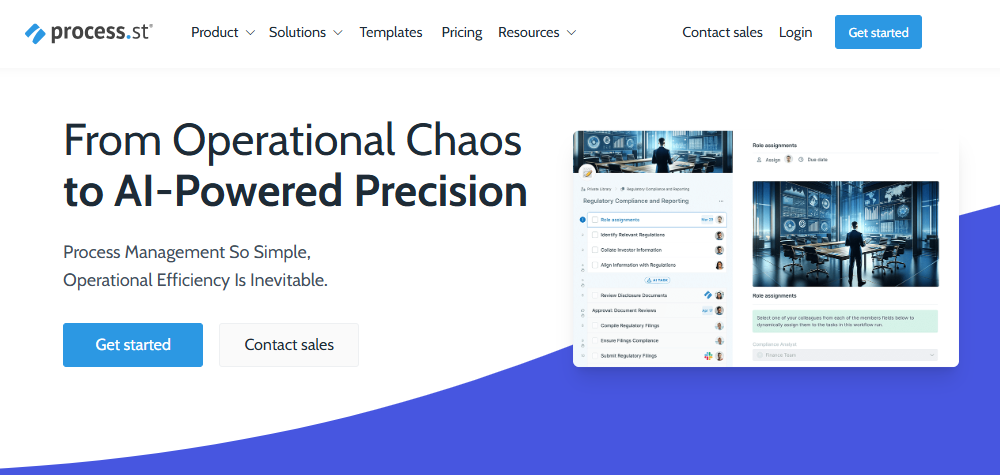
- Process Street: Automate repeatable workflows and ensure consistency in how tasks are executed.
Pitfall:
Overusing Level 1 delegation can stifle creativity and make your team overly dependent on you for instructions. Strive to progress beyond this level as your team gains experience.
-
Level 2: Research and Report
Here, you’re starting to delegate the task of information gathering. Your team member collects the necessary data and presents it to you, but you still make the final decision.
When to use it:
- When exploring new opportunities or solving problems that require detailed research.
- With team members who are gaining confidence but are not yet ready to decide independently.
Example:
- “Research the top three project management tools and bring me a summary of their features. We’ll decide together which one to use.”
Tool Recommendations:
- Notion: A flexible workspace where team members can organize their research and share it with you.
- Google Sheets: For presenting data in a structured, shareable format.
- Evernote: Encourage team members to collect and annotate research materials in one place.
Pro Tip:
Use this level as a learning opportunity for your team. Provide feedback on their research to help them improve and gain confidence.
-
Level 3: Research and Recommend
At Level 3, you’re stepping up the level of trust. Your team not only gathers information but also analyzes it and presents a recommendation. This requires more critical thinking and ownership.
When to use it:
- When you trust your team member’s judgment but still want final approval.
- For decisions that have multiple pros and cons to weigh.
Example:
- “Research our top three competitors and recommend strategies we can implement to differentiate our brand.”
Tool Recommendations:
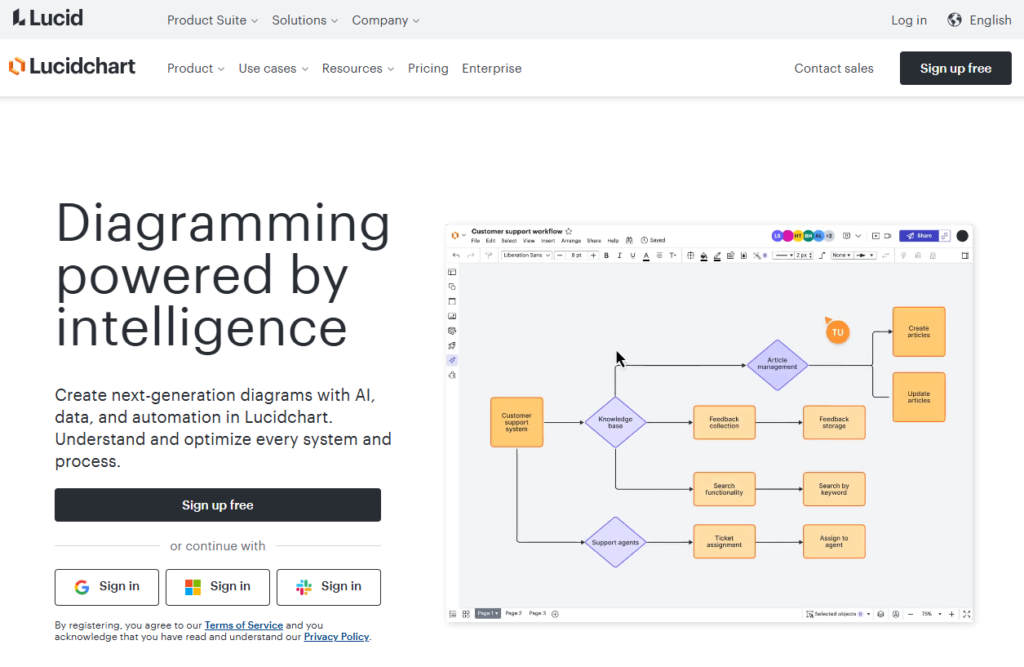
- Lucidchart: For creating visual comparisons or decision trees to present options.
- Slack: Use dedicated channels for team discussions and collaboration on recommendations.
- Miro: A collaborative whiteboard tool that lets teams map out ideas and strategies.
Pro Tip:
Encourage team members to present their reasoning.
Level 4: Research, Recommend, and Decide
This level is where delegation becomes empowering. Your team is not only responsible for gathering information and making recommendations but also for acting on their decisions. However, they keep you in the loop with regular updates.
When to use it:
- With experienced team members who have proven their capability.
- For projects where you want to empower your team while maintaining some oversight.
Example:
- “Plan the upcoming product launch, decide on the marketing strategy, and keep me updated weekly on your progress.”
Tool Recommendations:
- Monday.com: Ideal for tracking progress and updates on ongoing projects.
- ClickUp: A versatile tool for managing tasks, milestones, and team updates in one place.
- Loom: Team members can record quick video updates for asynchronous communication.
Common Mistake:
Avoid micromanaging during updates. If you interfere too much, your team may feel undermined and revert to seeking constant approval. Trust their judgment and focus on providing guidance when necessary.
-
Level 5: Act Independently
This is the pinnacle of delegation—complete trust. At Level 5, your team is fully empowered to make decisions and execute tasks without needing your input. You only step in if they encounter a major obstacle or explicitly request your guidance.
When to use it:
- With highly skilled, autonomous individuals or teams who consistently deliver results.
- For long-term projects where you want to focus on big-picture strategy.
Example:
- “You’re in charge of managing the entire supply chain. Let me know if you run into any bottlenecks, but otherwise, I trust you to handle it.”
Tool Recommendations:
- Basecamp: A simple, effective tool for autonomous teams to manage projects independently.
- Asana: Excellent for assigning tasks with clear responsibilities and deadlines.
- Zapier: Automate repetitive tasks so your team can focus on strategic decisions.
Pro Insight:
As Henry Ford famously said, “Don’t find fault. Find a remedy.” Level 5 delegation embraces this mindset by empowering teams to solve problems independently without fear of blame.
Actionable Steps to Master Delegation
Mastering delegation starts with matching the right level of responsibility to your team’s skills. For new or inexperienced team members, start with Level 1 (Do as I Say) or Level 2 (Research and Report) to provide clear guidance and structure. As team members gain confidence, transition to Level 3 (Research and Recommend) or Level 4 (Research, Recommend, and Decide) to encourage independent thinking and ownership. With seasoned professionals, trust them at Level 5 (Act Independently), where they take full responsibility for decisions and outcomes.
Clarity is key, so always define expectations upfront. Specify the task, timeline, and desired outcome, such as, “Research three project management tools, summarize their features, and recommend one by Friday.” Tools like Asana or Trello can help streamline task management and create transparency. Build trust gradually by starting with small, low-risk tasks and increasing autonomy as team members prove their capabilities.
Monitoring progress is essential but avoid micromanaging. For Levels 2–4, set regular check-ins through tools like Slack or Loom to stay updated without interfering. At Level 5, step in only when guidance is explicitly requested. To ensure your team has the resources they need, provide tools like Notion for research or Monday.com for project tracking, and invest in skill development through platforms like Udemy or LinkedIn Learning.
Recognize and reward initiative to motivate your team. Public acknowledgment during meetings or incentives through tools like Bonusly can go a long way in fostering accountability. After each project, reflect on the delegation process by gathering feedback using tools like Google Forms or Typeform to refine your approach. As John S. Rhodes aptly said, “The role of the ultimate authority figure is to bestow trust, confidence, and belief in others.” By delegating effectively, you empower your team while freeing yourself to focus on the bigger picture.
Common Mistakes to Avoid
Even the best leaders can stumble when it comes to delegation. Here’s how to sidestep some of the most common pitfalls:
-
Micromanaging
Micromanaging can kill your team’s motivation and growth. When you hover over every detail, your team feels disempowered and hesitant to take initiative. They may stop thinking critically and become overly reliant on your input, which defeats the entire purpose of delegation. Instead, trust your team’s abilities and focus on providing guidance only when absolutely necessary. Use tools like Slack or Loom for regular updates without being intrusive.
-
Skipping Levels of Delegation
Jumping straight to Level 5 (Act Independently) without building trust or assessing your team’s readiness can result in major mistakes and miscommunication. If your team isn’t prepared for full autonomy, they may lack the confidence or experience to make sound decisions. Progress through the levels gradually, starting with Level 1 (Do as I Say) or Level 2 (Research and Report) for newer team members, and give them time to develop the necessary skills and judgment.
-
Failing to Set Boundaries
Even at Level 5, where your team acts independently, it’s essential to set clear boundaries. Define when and how they should involve you, such as during critical decision points or in the face of significant challenges. Without these boundaries, your team might hesitate to ask for help when it’s genuinely needed, or they might overburden you with unnecessary updates. Establishing a balance ensures that they feel supported while still retaining autonomy.
-
Ignoring Feedback
Delegation isn’t a one-way process. If you don’t regularly ask your team how they feel about the delegation process, you risk overlooking blind spots or areas for improvement. For example, some team members might feel micromanaged, while others might feel unsupported. Use tools like Google Forms or conduct informal check-ins to gather feedback and adjust your approach. This not only strengthens trust but also ensures you’re empowering your team effectively.
Avoiding these mistakes will help you build a more confident, capable team while freeing yourself to focus on higher-level priorities.
Frequently Asked Questions
What if my team isn’t ready for higher levels of delegation?
Start with Level 1 or 2 and gradually move them up as they gain confidence and skills.
How do I handle mistakes made by my team?
Treat mistakes as learning opportunities. Discuss what went wrong and how it can be avoided in the future.
How can I track progress without micromanaging?
Use tools like Trello or Asana to monitor tasks without constant check-ins.
What’s the biggest challenge with Level 5 delegation?
Letting go of control. Trust is key, and it takes time to build.
How do I know when to intervene?
If a project is off track or your team explicitly asks for help, step in temporarily.
Can delegation work in small businesses?
Absolutely. Even in small teams, effective delegation can free up your time to focus on growth.
What if I don’t trust my team?
Invest in training and build trust incrementally through Levels 1–4.
How does Elon Musk handle mistakes?
Musk uses mistakes as opportunities to innovate, often diving in himself to solve complex problems.
Should I delegate everything?
No. Focus on delegating tasks that don’t require your unique expertise.
What if delegation slows down progress?
Ensure clear communication and set realistic deadlines to keep things moving.
Master Delegation to Unlock Productivity
Delegation isn’t just about handing off tasks—it’s about empowering your team, building trust, and freeing yourself to focus on what truly matters. By understanding and applying the five levels of delegation, you can transform how you lead and manage. Start small with Level 1 (Do as I Say) or Level 2 (Research and Report) for new team members, and gradually build their confidence and skills to progress to Level 5 (Act Independently). Clear communication, trust, and the right tools are key to ensuring success at every stage.
To recap, here are actionable tips you can implement today:
- Assess your team’s capabilities and match them to the appropriate delegation level.
- Clearly define expectations, timelines, and desired outcomes.
- Use tools like Slack, Trello, and Notion to streamline communication and task management.
- Provide resources and training to set your team up for success.
- Monitor progress without micromanaging to build trust and accountability.
- Avoid common mistakes like skipping levels, failing to set boundaries, or ignoring valuable feedback.
Take the first step today. Start experimenting with these strategies in small, low-risk tasks, and watch as your team grows more confident and capable. Delegation isn’t just about managing people—it’s about creating a culture of trust, innovation, and success.
To dive deeper into leadership, productivity, and personal growth, check out the Rhodes Brothers YouTube Channel for insightful videos and actionable tips. Don’t forget to subscribe and stay updated on their latest content to help you succeed!
Resource List
Here are some additional resources to help you refine your delegation and leadership skills:
Books
- Leaders Eat Last by Simon Sinek – On fostering trust and collaboration within teams.
- The 5 Levels of Leadership by John C. Maxwell – A deep dive into leadership development and delegation strategies.
- Drive: The Surprising Truth About What Motivates Us by Daniel H. Pink – Learn how to inspire and empower your team.
Courses and Podcasts
- Leadership Foundations on LinkedIn Learning – A course on building leadership skills and empowering teams.
- The Tim Ferriss Show (Podcast) – Episodes on productivity, delegation, and tools for success.
- Delegation Mastery Course on Udemy – A practical guide to mastering delegation as a leader.
Tools
- Slack: For team communication and updates.
- Trello: For task management and creating structured workflows.
- Asana: For managing complex projects and tracking progress.
- Loom: For asynchronous video updates and clear communication.
- Zapier: Automate routine tasks to save time.
- Monday.com: For advanced project collaboration and tracking.
Blogs and Websites
- Harvard Business Review – Articles on leadership and delegation strategies.
- Gallup Research – Studies on trust and team performance.
- Farnam Street Blog – Insights on decision-making and leadership frameworks.