
For More Free Videos, Subscribe to the Rhodes Brothers YouTube Channel.
You’re in the middle of an important conversation—trying to close a deal, ask for a raise, or navigate a tricky discussion—and the right words just don’t come to you. It’s a situation we’ve all been in, and it can feel overwhelming. But here’s the truth: finding the perfect thing to say isn’t about luck or natural talent. It’s a skill—one that you can develop with the right strategies and tools.
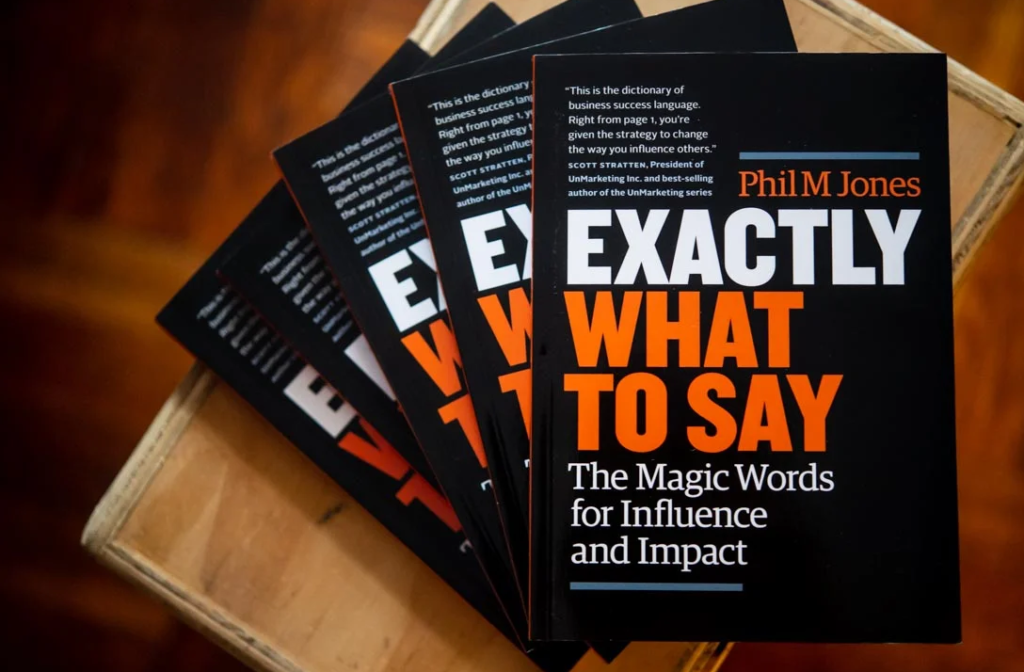
The secret lies in a resource that’s been quietly transforming how people communicate: Phil M. Jones’s book, Exactly What to Say: The Magic Words for Influence and Impact. This isn’t just another communication book—it’s a masterclass in persuasion, confidence, and connection. As John S. Rhodes of the Rhodes Brothers says, “The worst time to think about the thing you are going to say is in the moment you are saying it.” Preparation is key, and this book equips you with the tools to handle any conversation with precision and purpose.
In this post, we’ll dive deep into the strategies and techniques outlined in Exactly What to Say. Whether you’re in sales, marketing, leadership, or just want to improve everyday interactions, you’ll discover actionable insights to help you become a more persuasive and impactful communicator.
TL;DR
- Master communication skills with Phil M. Jones’s proven techniques.
- Learn powerful phrases like “Just imagine,” “What makes you say that?,” and “If I can…will you?”
- Discover how to tap into human psychology to influence decisions ethically.
- Avoid common communication pitfalls and learn to ask the right questions at the right time.
- Unlock practical tools and frameworks to use in sales, negotiations, or personal relationships.
The Power of Words: Why They Matter More Than Ever
Communication is everything. Whether you’re closing a deal, leading a team, or even just sending an email, the words you choose can make or break your message. Yet, most people struggle to articulate their thoughts clearly, especially in high-pressure situations.
Phil M. Jones’s approach isn’t about memorizing scripts—it’s about understanding the psychology behind words. Why do certain phrases resonate while others fall flat? How can a simple tweak in your language drastically alter the outcome of a conversation? Let’s explore.
Key Strategies from Exactly What to Say
Phil M. Jones’s Exactly What to Say isn’t about memorizing scripts—it’s about mastering simple, powerful phrases that connect with people on a deeper psychological level. These phrases are designed to spark curiosity, inspire action, and guide conversations toward your desired outcome. Here are four of the most impactful techniques from the book, along with actionable tips on how to use them effectively.
“Just Imagine” – The Power of Visualization
“Just imagine” might seem like two simple words, but their impact is profound. These words leverage a psychological superpower: the human brain’s natural tendency to create mental images. When you ask someone to “just imagine,” you’re inviting them to paint a vivid picture in their mind—one that aligns with the outcome you want them to consider. This technique works because humans are highly visual creatures, and when someone visualizes a scenario, they’re more likely to emotionally connect with it and take action.
Phil M. Jones calls this “fantasy fuel”—a way to ignite the imagination and help others envision their ideal outcome. Whether you’re trying to sell a product, motivate a team, or even inspire yourself, “just imagine” can be the spark that gets the wheels turning.
How to Use It:
- In Sales: “Just imagine how much time you’ll save with this software. Instead of spending hours on repetitive tasks, you could focus on growing your business.”
- In Leadership: “Just imagine what we could accomplish as a team if every department worked together seamlessly.”
- In Personal Life: “Just imagine how accomplished you’ll feel after completing that marathon you’ve been training for.”
Why It Works:
This technique is backed by neuroscience. Studies show that visualization activates the same parts of the brain that are engaged during real-life experiences. By helping someone “see” the outcome you’re describing, you make it feel real and attainable. This emotional connection often leads to action because people become invested in their own vision.
Pro Tip: Make the vision as vivid and specific as possible. For example, instead of saying, “Just imagine having more free time,” you could say, “Just imagine spending your evenings relaxing with a cup of tea, a good book, and no more work emails to worry about.” The more detailed the image, the more compelling it becomes.
“If…Then” – The Logic Trigger
The “if…then” framework is one of the most powerful tools in communication because it taps into the human brain’s natural way of processing cause and effect. From a young age, we’re conditioned to think this way—“If you eat your vegetables, then you can have dessert.” This pattern becomes ingrained in our decision-making and is an effective way to guide someone toward a desired outcome.
This simple phrase is especially useful in negotiations and problem-solving. It provides clarity, structure, and a sense of fairness, making it easier for others to see the benefit of your proposition.
How to Use It:
- In Negotiations: “If I can reduce the price by 10%, then will you agree to close the deal today?”
- In Parenting: “If you clean your room by tonight, then you can stay up an extra 30 minutes.”
- In Team Collaboration: “If we finish this project ahead of schedule, then we’ll have more time to plan for the next phase.”
Why It Works:
According to behavioral economics, conditional statements like “if…then” create a sense of logical fairness. People feel they’re part of an equitable exchange, which makes them more likely to agree. This approach also subtly guides them toward the action you want them to take by framing it as a straightforward, beneficial choice.
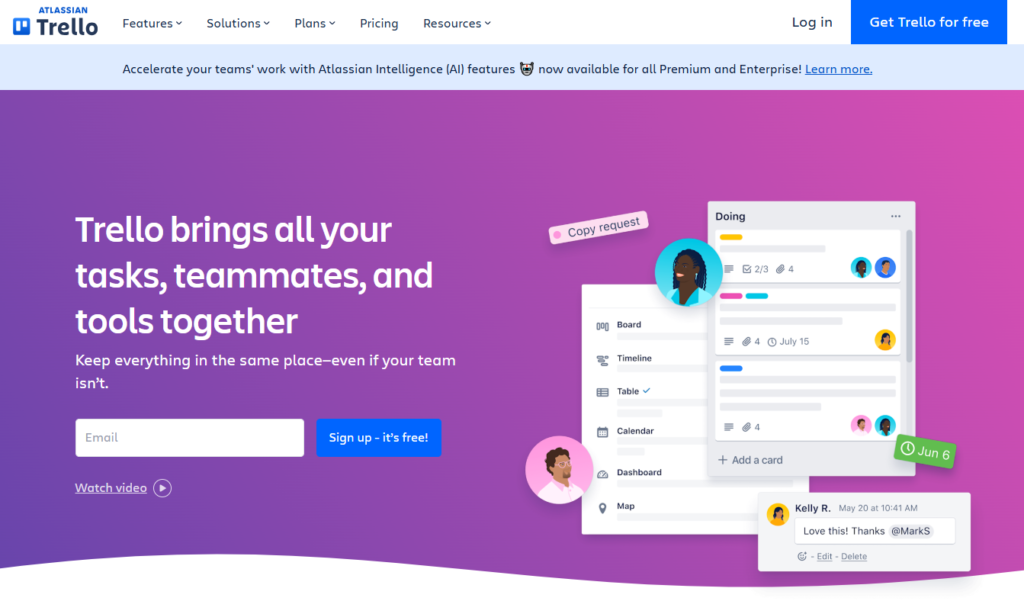
Tool Tip: Platforms like Trello and Asana can help you visualize and plan “if…then” scenarios for tasks and project management. For instance, you can create workflows where completing one step triggers the next, reinforcing the cause-and-effect mindset.
“What Makes You Say That?” – The Curiosity Catalyst
When faced with objections, doubts, or even criticism, our natural instinct is often to defend ourselves or argue our point. But instead of reacting, Phil M. Jones suggests a different approach: “What makes you say that?”
This open-ended question is a game-changer. It disarms the other person and shifts the focus from confrontation to curiosity. It shows that you’re genuinely interested in their perspective, which can diffuse tension and open the door to productive dialogue.
How to Use It:
- In Objection Handling: If a client says, “This product is too expensive,” respond with, “What makes you say that?” This invites them to elaborate, giving you insight into their concerns and a chance to address them.
- In Conflict Resolution: If a colleague says, “This process isn’t working,” ask, “What makes you say that?” This encourages them to share their perspective and may reveal actionable solutions.
- In Personal Conversations: If a friend says, “I don’t think this plan will work,” reply with, “What makes you say that?” This gives them space to express their thoughts without feeling dismissed.
Why It Works:
This phrase flips the script. Instead of reacting defensively, you’re showing genuine interest in understanding the other person’s viewpoint. And as Dale Carnegie famously said, “An argument is never won.” By fostering collaboration instead of conflict, you’re more likely to reach a productive outcome.
Pro Tip: Use this phrase with a calm and curious tone. The goal isn’t to challenge but to understand. Once they’ve shared their reasoning, you can address their concerns or build on their ideas.
“Just One More Thing” – The Columbo Technique
Fans of the classic TV detective Columbo will recognize this gem. In the show, Columbo would often end his conversations with, “Just one more thing…” before delivering a crucial piece of information that caught the suspect off guard.
In communication, this technique can be just as effective. “Just one more thing” is perfect for making a final, impactful point that leaves a lasting impression. It’s often the moment that seals the deal or shifts the conversation in your favor.
How to Use It:
- In Sales: “Just one more thing—this package also includes a free upgrade if you sign up today.”
- In Interviews: “Just one more thing I’d like to add: my experience managing cross-functional teams has prepared me to hit the ground running in this role.”
- In Negotiations: “Just one more thing—if we agree to these terms, I can ensure delivery within 24 hours.”
Why It Works:
This phrase feels conversational and unassuming, which often catches people off guard in a positive way. It creates a sense of finality while giving you the chance to add a compelling detail or sweeten the deal.
Pro Tip: Use this phrase strategically. Save it for a point that truly adds value or addresses a key concern. For example, in a sales pitch, you might hold back a bonus feature until the end to create a sense of excitement and urgency.
These strategies are simple yet incredibly powerful. By mastering phrases like “Just imagine,” “If…then,” “What makes you say that?” and “Just one more thing,” you can transform your communication skills and influence others with confidence and ease.
Actionable Steps for Mastering Exactly What to Say
Knowing exactly what to say is a skill that can transform your ability to communicate, influence, and lead, no matter your background or experience level. Whether you’re a seasoned professional, a beginner looking to improve, or someone navigating personal relationships, these practical strategies will help you harness the power of words to achieve your goals.
Below, we’ve broken down step-by-step advice tailored to different demographics and experience levels. Each set of steps focuses on how to apply the techniques effectively in your daily conversations for maximum impact.
For Beginners: Building Confidence
Starting out can feel intimidating, but building confidence with these techniques is all about taking small, manageable steps. Focus on practicing in low-pressure situations to develop your skills naturally over time.
- Start Small: Practice one phrase at a time in casual conversations.
- Example: “Just imagine how much fun this weekend will be.”
- Role-Play: Rehearse scenarios (e.g., job interviews or sales pitches) with a friend.
- Reflect: After each conversation, assess what worked and refine for next time.
For Professionals: Workplace Communication
In professional settings, clear and strategic communication is key to achieving your goals. These techniques will help you navigate workplace conversations with confidence and precision.
- Set Goals: Clarify your purpose before a conversation (e.g., closing a deal, resolving a conflict).
- Use “If…Then”: Frame proposals logically.
- Example: “If we meet this deadline, then we’ll have extra time for reviews.”
- Handle Objections: Respond with “What makes you say that?” to uncover concerns.
- End Strong: Add a final impactful point using “Just one more thing.”
For Salespeople: Closing Deals
Closing deals requires building trust, addressing objections, and leaving a lasting impression. These techniques will help you connect with clients and guide them toward saying “yes.”
- Build Rapport: Use “What makes you say that?” to show curiosity and build trust.
- Highlight Benefits: Use “Just imagine” to help clients visualize positive outcomes.
- Example: “Just imagine how much easier managing your schedule will be.”
- Seal the Deal: Close with “Just one more thing” to add a bonus or incentive.
For Leaders: Inspiring Teams
Great leaders inspire their teams by using clear communication to foster collaboration, address concerns, and align everyone toward a shared vision. These techniques will help you motivate and empower your team.
- Set a Vision: Use “Just imagine” to help your team visualize success.
- Example: “Just imagine what we can achieve together this quarter.”
- Encourage Dialogue: Ask “What makes you say that?” to address concerns constructively.
- Motivate with Rewards: Frame team goals with “If…then.”
- Example: “If we complete this project early, then we’ll have time to celebrate.”
For Personal Relationships: Strengthening Connections
Strong relationships are built on empathy, understanding, and meaningful communication. These techniques can help you connect more deeply with loved ones while fostering trust and positivity.
- Inspire Action: Use “Just imagine” to help loved ones envision positive outcomes.
- Diffuse Conflict: Respond to disagreements with “What makes you say that?” to encourage understanding.
- Add Warmth: End conversations with thoughtful phrases like “Just one more thing—I really appreciate you.”
Common Mistakes to Avoid
While the techniques from Exactly What to Say are simple and effective, their success depends on how they’re delivered. Misusing or overusing them can backfire, making your communication feel forced or inauthentic. Here’s a deeper look at common pitfalls and how to avoid them:
-
Sounding Robotic
These phrases are impactful, but only when delivered naturally. If you sound scripted or stiff, the other person may feel manipulated or disengaged.
How to Avoid It:
- Practice using the phrases in low-stakes settings (e.g., casual chats with friends or colleagues).
- Focus on your tone, ensuring it feels conversational and authentic.
Example: Instead of mechanically saying, “Just imagine how much easier this will make your life,” soften it with a natural flow: “You know, just imagine how much easier this could make things for you.”
Pro Tip: Record yourself or role-play conversations with a trusted friend to refine your tone and delivery.
-
Overusing the Techniques
Throwing all the phrases into one conversation can overwhelm the other person and make your intentions feel insincere.
How to Avoid It:
- Choose the technique that best fits the context and objective of the conversation.
- Limit yourself to one or two phrases per interaction to keep the conversation natural.
Example: In a sales pitch, don’t try to use “Just imagine,” “If…then,” and “What makes you say that?” all at once. Pick the one that aligns with the flow of the discussion.
Pro Tip: Think of these phrases as tools in a toolbox—use the right one for the job, not all of them at once.
-
Ignoring Emotional Cues
Effective communication isn’t just about what you say—it’s about how well you listen and respond to the other person’s emotions. Failing to pick up on their tone, body language, or facial expressions can make you seem disconnected or pushy.
How to Avoid It:
- Observe their tone, pace, and body language. Are they engaged, skeptical, or distracted? Adjust your approach accordingly.
- Pause and check in during the conversation.
- Example: If they seem hesitant, say, “Does this make sense so far?” or “How does that sound to you?”
- Be flexible. If they’re not responding well to one technique, shift to a different strategy or focus on listening instead.
Pro Tip: Mirror their energy and tone subtly to build rapport and show that you’re tuned into their emotions.
-
Focusing Only on Your Goal
Persuasion isn’t about pushing your agenda—it’s about creating a shared path forward. If you focus solely on what you want, the other person may feel like you’re disregarding their needs, leading to resistance.
How to Avoid It:
- Approach conversations with a win-win mindset. Always consider how your message benefits the other person.
- Use phrases like “Just imagine” or “If…then” to highlight outcomes that matter to them, not just to you.
Example: Instead of saying, “If you buy now, I’ll hit my sales target,” focus on their benefit: “If you buy now, you’ll lock in the promotional rate and avoid future price increases.”
Pro Tip: Before entering the conversation, ask yourself: What’s in it for them? Then tailor your messaging accordingly.
Frequently Asked Questions
How can I practice these phrases effectively?
Start with low-stakes conversations, like chatting with friends or colleagues. Gradually incorporate the phrases into more important discussions.
Are these techniques manipulative?
Not at all—when used ethically, they’re about fostering understanding and collaboration, not manipulation.
Can these techniques work in emails?
Absolutely! Phrases like “If I can…will you?” and “Just imagine” are highly effective in written communication.
How do I respond if someone gets defensive?
Use “What makes you say that?” to understand their perspective and defuse tension.
Is this book only for salespeople?
No, the techniques are universal and can be applied in leadership, parenting, and personal relationships.
How long does it take to master these skills?
With consistent practice, you can see noticeable improvements within a few weeks.
Can I combine these phrases?
Yes! For example, you can say, “Just imagine if we do this—then we can achieve that.”
What’s the best way to avoid sounding scripted?
Focus on your tone and delivery. Practice until the phrases feel natural.
Are there tools to help me improve communication?
Yes! Tools like Crystal Knows can help you tailor your communication style.
How can I measure my progress?
Track your success in conversations. Are you closing more deals, resolving conflicts faster, or building stronger relationships?
Take Action Toward Success
Mastering the art of communication using techniques like those from Exactly What to Say is achievable for anyone willing to practice and refine their approach. The key takeaways are clear:
- Be Intentional: Use phrases like “Just imagine” or “If…then” with purpose and in the right context.
- Stay Authentic: Avoid sounding robotic; practice until the techniques feel like second nature.
- Adapt to Your Audience: Pay attention to emotional cues, tone, and body language to keep conversations engaging and empathetic.
- Focus on Win-Win Outcomes: Highlight mutual benefits to build trust and inspire action.
The actionable tips outlined here can be implemented immediately to improve your conversations, whether you’re working to close a deal, inspire your team, or connect with loved ones.
Start now! Pick one technique, practice it today, and notice the difference in how people respond. Small, consistent steps will lead to significant results over time.
Thank you for reading this article! We encourage you to explore and subscribe to the Rhodes Brothers YouTube Channel for the latest videos and insights to help you excel in communication, personal growth, and professional success.
Resource List
Below is an extensive list of resources to deepen your understanding and mastery of effective communication and related skills:
Books
- Exactly What to Say by Phil M. Jones
- How to Win Friends and Influence People by Dale Carnegie
- Never Split the Difference by Chris Voss
- Crucial Conversations: Tools for Talking When Stakes Are High by Kerry Patterson
Podcasts
- The Art of Charm (covers communication, influence, and persuasion)
- The Tony Robbins Podcast (focuses on personal development and leadership)
- Negotiate Anything by Kwame Christian (practical negotiation strategies)
Courses
- Phil M. Jones Masterclass: Communication training directly from the author of Exactly What to Say.
- Coursera: Effective Communication: Writing, Design, and Presentation by University of Colorado Boulder.
- LinkedIn Learning: Persuasive Selling Techniques by Jeff Bloomfield.
Tools and Apps
- Grammarly: Improve written communication for emails, proposals, and presentations.
- Notion: Keep track of communication strategies and notes for meetings.
- Zapier: Automate “If…then” workflows for efficient task management.
- Coach.me: Track and build habits to improve communication skills over time.
YouTube Channels
- Charisma on Command: Learn techniques to improve confidence and charisma in conversations.
- TED Talks: Gain inspiration from thought leaders on communication and personal growth.
Blogs and Websites
- PhilMJones.com: Resources, books, and training from the author.
- Harvard Business Review: Articles on leadership, communication, and influence.
- MindTools: Guides on effective communication and workplace skills.