
For More Free Videos, Subscribe to the Rhodes Brothers YouTube Channel.
Strong families don’t happen by accident. They are built—intentionally, thoughtfully, and with purpose.
In a world where life moves fast and digital distractions pull us in every direction, one powerful way to foster unity, direction, and legacy within your household is by creating a Family Honor Code. It’s not just for the ultra-organized or the overly sentimental—it’s a practical, transformative tool that any family can use to grow closer, communicate better, and build something that lasts beyond a single generation.
A Family Honor Code is more than just a set of values on a fridge magnet. It’s your family’s operating system. It defines who you are, what you stand for, and how you support each other. And the best part? You don’t need a background in psychology or a family therapist by your side to build one.
As John S. Rhodes of the Rhodes Brothers says: “If you have a family, there is an honor code in place—you might just not know what it is.”
In this post, we’ll walk you through everything you need to know to create your own Family Honor Code. You’ll learn the four essential questions that unlock your family’s core values, how to gather input from everyone (yes, even your sarcastic cousin), and how to turn all that into a living, breathing document that guides your family for years to come.
Here’s what you’ll get:
- Step-by-step strategies for building a Family Honor Code from scratch
- Tools and templates to help you gather insights
- Mistakes to avoid and how to make this process actually enjoyable
- Real-world examples to keep things practical
- How to turn your Honor Code into a legacy-building tool
And if you’re worried this might get too serious, remember what George Bernard Shaw once said: “A happy family is but an earlier heaven.”
Let’s get to work on building your version of that heaven.
TL;DR
- A Family Honor Code is your household’s unique guide to values, behaviors, and legacy.
- Start with 4 deep questions to uncover what matters most to your family.
- Collect individual responses privately to ensure honesty and clarity.
- Compile, review, and refine the responses into a clear, prioritized document.
- Revisit regularly—it’s a living document, not a one-time thing.
- Use tools like Google Forms or Trello to organize and track input.
- Avoid groupthink, vague ideals, or skipping the feedback process.
- Use your Family Honor Code to strengthen bonds, guide decisions, and even plan generational wealth.
Why a Family Honor Code Matters
Without a shared code, families can drift. Disagreements grow. Communication breaks down. But with a Family Honor Code in place, there’s a clear foundation that everyone can lean on—even during tough times.
It’s not just for traditional families either. Whether you’re a single parent, a blended household, or a chosen family of close-knit friends, this process works.
The Core Foundation: Four Life-Changing Questions
John S. Rhodes outlines four powerful questions to start designing your Family Honor Code.
1. What is the #1 personal characteristic you admire or require in your family?
Think of this like your family’s north star. Is it loyalty, honesty, resilience, or generosity?
Tips:
- Ask each family member to describe a person they admire within the family.
- Use a shared Google Doc or private form to collect responses.
- Look for recurring themes—those are your starting values.
Tools You Can Use:
- Google Forms – create anonymous surveys for each family member.
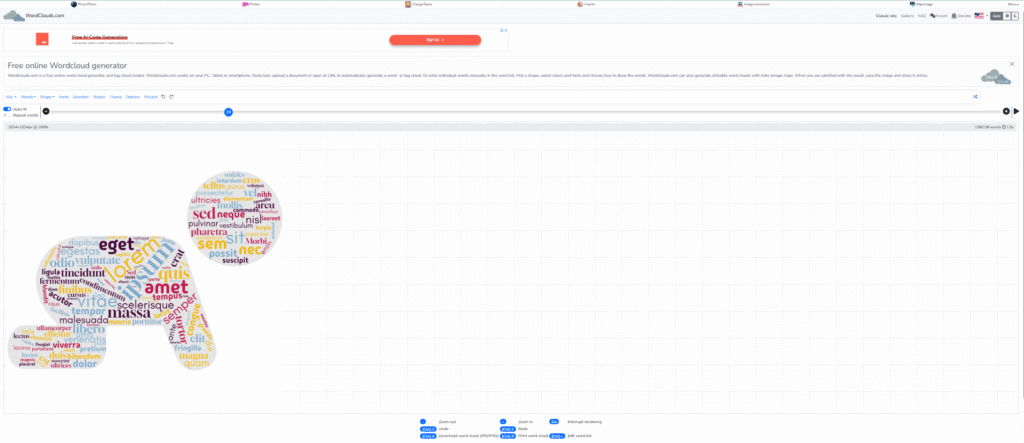
- WordClouds.com – visualize frequently mentioned traits.
2. What’s the one thing you want for and from your family?
This digs into mutual expectations. What do you all want to give and receive?
Common answers:
- Support
- Time together
- Open communication
- Security
This is where your family’s emotional currency lives.
Pro Tip: Tie this to your family’s long-term goals. If financial security is a theme, maybe it’s time for regular family finance check-ins.
3. What are two ways you can help each member of the family and the family as a whole?
This is the action layer. It’s where values meet behaviors.
Examples:
- Teaching younger members life skills
- Being the “money mentor” of the group
- Organizing weekly family dinners
- Being available for mental health check-ins
Don’t overthink it. Start small and build over time.
4. What are two things the family should improve, fix, or talk about regularly?
This is where the magic happens. Families grow through honesty and accountability.
Examples:
- Cutting down on sarcasm or passive-aggressive comments
- Talking openly about money
- Being more organized with family events
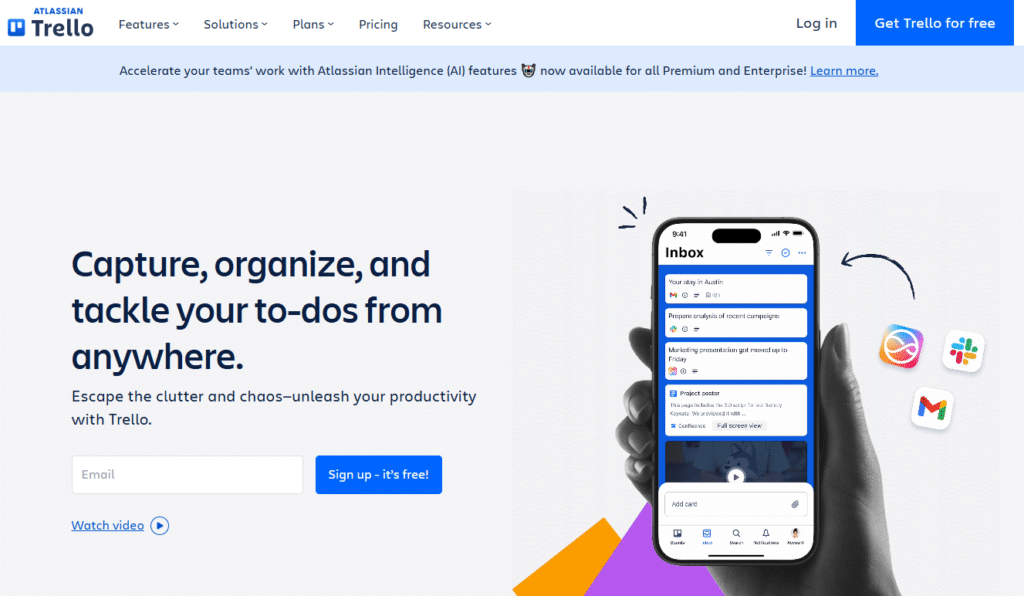
Tool Tip: Use Trello or Notion to track ongoing improvement areas and check in monthly.
Actionable Steps to Create Your Family Honor Code
Creating a Family Honor Code is both a reflective and collaborative process—it’s about bringing everyone’s voice to the table while shaping a shared vision that strengthens your family’s identity. Below is a deeper breakdown of each step, with practical tips, tools, and insights to help you execute this with confidence and clarity.
1. Schedule a Time to Introduce the Idea
Before you dive into the questions, set the stage. This isn’t something to bring up casually over dinner or in the middle of a busy weekend. You want your family to treat this with intention.
How to do it:
- Choose a quiet time with minimal distractions.
- Frame it as something exciting and meaningful—not another “family meeting.”
- Explain the benefits: better communication, stronger connection, and a chance to create something lasting together.
Tip: Share a short video or article (like this one) ahead of time to give context and get everyone thinking.
2. Send Out the Four Questions Privately
Instead of discussing the questions in a group (which can lead to peer influence or hesitation), ask each family member to reflect and respond on their own.
Why this matters:
- You get honest, unfiltered answers.
- It encourages deeper thinking.
- It avoids groupthink and surface-level responses.
How to do it:
- Use Google Forms for easy, anonymous collection.
- Or ask for responses by email or in a shared note-taking app like Notion or Evernote.
- Set a clear deadline (1 week works well).
Optional: Offer a few examples for each question to spark ideas without guiding the answers too much.
3. Ask for Private Responses (Again, Not in a Group)
This step deserves emphasis. You’re not just collecting data—you’re honoring each person’s individual voice. Even children should have the option to express themselves freely, either by writing or talking it out with you privately.
For younger kids:
- Ask the questions out loud and write down their answers.
- Use drawings or stories as prompts.
For teens or reluctant adults:
- Reassure them there are no wrong answers.
- Highlight that their opinion matters and will help shape the final document.
4. Collect and Review All Responses – Look for Patterns
Once you’ve got everyone’s input, it’s time to analyze.
What to look for:
- Repeated words or values (e.g., trust, support, honesty)
- Overlapping goals or desires (e.g., more time together, better money habits)
- Contradictions or outliers (these are great for discussion)
How to organize:
- Use a spreadsheet to categorize answers by question.
- Create a Word Cloud to see which terms are most frequently mentioned.
- Highlight themes or values that appear across multiple responses.
5. Draft a Shared Document with Your Findings
Now that the raw material is in front of you, start shaping the first draft of your Family Honor Code.
How to format it:
- Keep it under one page for clarity.
- Use bullet points or short paragraphs.
- Include a short introduction that explains the purpose and how it was created.
Structure Example:
- Our Core Value: (e.g., Integrity)
- What We Want for and from Each Other: (e.g., Support, Encouragement)
- How We Help Each Other: (e.g., Financial guidance, Positive affirmations)
- What We’re Improving: (e.g., Less sarcasm, More open conversations)
Tip: Use Canva or Google Docs to add a visual element—this makes it feel more official and display-worthy.
6. Host a Family Meeting to Discuss and Edit the Draft
With the draft in hand, gather your family for a thoughtful discussion. This is where it becomes a truly shared document.
How to lead the meeting:
- Start by thanking everyone for their input.
- Review the draft aloud.
- Invite discussion on each section—ask for feedback, edits, or additions.
- Encourage respectful disagreement and collaboration.
Tools to help:
- Use a whiteboard or shared screen for live editing.
- Set a time limit for each section to keep things moving.
Remember: The goal is consensus, not perfection. You want everyone to feel heard and aligned.
7. Finalize the Family Honor Code and Make It Visible
Once everyone agrees on the final version, make it real. This isn’t meant to live in a forgotten file folder.
Display Ideas:
- Print and frame it for the living room or kitchen.
- Save a digital copy in your cloud storage (Google Drive, Dropbox, etc.).
- Create a graphic version on Canva and share it with family members.
Optional: Record a short video of the family reading or agreeing to the code together. This can be a powerful keepsake.
8. Revisit Quarterly or Annually to Reflect and Update
Life changes. Kids grow up. Priorities shift. Your Family Honor Code should evolve too.
When to do it:
- Around New Year’s
- At a yearly family retreat or vacation
- During a designated “family check-in” day
How to update:
- Review each section and ask: “Is this still true for us?”
- Add new goals or values as needed.
- Celebrate progress and talk about how the Honor Code has helped.
Tip: Keep a version history so you can look back on how your family has grown.
Bonus Tip: Add It to Your Family Trust or Will
This step may not seem urgent, but it’s one of the most meaningful things you can do.
Why it matters:
- Embeds your values into your family’s legal and financial legacy.
- Ensures future generations understand what your family stood for.
- Provides context for decisions in your estate plan.
How to do it:
- Include the Family Honor Code as an addendum in your trust.
- Discuss it with your estate planner or attorney.
- Mention it in your will as a guiding document—not legally binding, but deeply meaningful.
Bottom Line: Don’t just talk about who you are as a family—write it down, live it out, and pass it on.
Creating a Family Honor Code might start with four simple questions, but the impact can last for generations.
Common Mistakes to Avoid When Creating Your Family Honor Code
Even the most well-meaning families can fall into traps that weaken the power and purpose of a Family Honor Code. The goal isn’t perfection—it’s alignment, clarity, and authenticity. Below, we’ll explore the most common mistakes families make during this process and how to avoid them with intention and strategy.
1. Groupthink: Collecting Ideas in a Group Setting Too Early
Why it’s a mistake:
When people are asked to share their thoughts in a group, especially family groups where dynamics are already established, they often hold back. Some may feel pressure to agree with dominant voices, while others may not speak up at all.
How to avoid it:
- Begin with individual reflections. Use private surveys, emails, or one-on-one conversations.
- Create psychological safety by making it clear that every answer matters.
- Only bring everyone together after the initial collection to review and refine.
What to do instead:
- Use Google Forms or a simple worksheet to gather honest input.
- Frame the group meeting as a collaborative review, not a brainstorming session.
2. Vague Values: Using Generic or Non-Actionable Words
Why it’s a mistake:
Words like “be kind” or “be good” are too open to interpretation. What “kind” means to one person might mean something totally different to another. Without clear definitions, your Honor Code becomes a list of platitudes instead of a practical guide.
How to avoid it:
- Define each value clearly. Don’t just say “respect”—explain what respect looks like in your family.
- Use real-life examples to illustrate the value. For instance, if you list “honesty,” follow it with: “We tell the truth, even when it’s hard.”
Better alternatives:
- Instead of “be nice,” say: “We speak to each other with patience and without sarcasm.”
- Instead of “try hard,” say: “We finish what we start and support each other when we struggle.”
Pro Tip: Ask, “How would a stranger know if our family is living by this value?” That forces clarity and behavior-based definitions.
3. No Follow-Up: Treating It Like a One-Time Project
Why it’s a mistake:
A Family Honor Code isn’t something you create and forget—it’s a living, breathing document. Without regular reviews, it risks becoming outdated or irrelevant as your family grows and changes.
How to avoid it:
- Schedule annual or semi-annual reviews. Tie them to existing family events, like New Year’s or birthdays.
- Use check-ins to celebrate wins and identify areas for growth.
- Consider rotating a “family values captain” who reminds everyone of the Honor Code and facilitates updates.
What this looks like:
- A quarterly dinner where you talk about what’s working and what’s not.
- A shared Google Doc that’s revisited and edited over time.
- A printed version that’s updated and re-displayed annually.
4. Ignoring Younger Voices: Overlooking Kids and Teens
Why it’s a mistake:
Too often, adults assume kids and teens won’t understand or care about values, legacy, or family culture. But younger members bring fresh perspectives and often hold deeper insights than we expect.
How to avoid it:
- Ask age-appropriate versions of the four core questions.
- Allow them to express values through art, storytelling, or conversation.
- Validate their input by including it in the final document.
Why it matters:
When kids are part of the process, they’re more likely to buy in. It becomes their Family Honor Code, not just something imposed by adults.
Example: A 10-year-old might say, “We shouldn’t yell when we’re mad.” That’s a value of emotional regulation—and it absolutely belongs in your Honor Code.
5. Making It Too Long or Complicated
Why it’s a mistake:
A bloated Honor Code becomes hard to remember, hard to apply, and easy to ignore. When every value or behavior is included, none of them stand out. Less truly is more.
How to avoid it:
- Stick to 3–5 core values or pillars.
- Keep the entire document to one page.
- Use simple, clear language that even a child can understand.
What works best:
- Short, punchy statements like “We show up for each other” or “We don’t hide from hard conversations.”
- Visual versions—such as a poster or handout—that can be displayed and referred to easily.
Bonus Tip: Create a “Family Honor Code Card” that each member can keep in their personal space or wallet. This reinforces daily habits and awareness.
Frequently Asked Questions
How do I get started with a Family Honor Code?
Start by asking the four questions privately. Use simple tools like Google Forms or a shared doc to collect answers.
What if my family doesn’t take this seriously?
Lead by example. Share your answers first and explain the purpose: stronger relationships, better communication, and lasting legacy.
Can this work for blended or non-traditional families?
Absolutely. The Honor Code is about shared values, not shared DNA.
Is this the same as family rules?
No. Rules are about behavior. The Honor Code is about identity, vision, and legacy.
Should I include my kids? They’re young.
Yes. Even young kids understand fairness, kindness, and sharing. Keep the language age-appropriate.
How often should we update it?
Once or twice a year is great. Tie it to a family tradition or New Year’s reflection.
Where should we keep our Family Honor Code?
Print a copy for the fridge, save a digital version in your family drive, and consider adding it to your estate documents.
What format should it take?
Bullet points or short paragraphs work best. Clear, simple, and visual.
What if family members disagree on values?
That’s normal. Use it as a chance to discuss and find common ground. Compromise is part of the process.
Can we make it fun?
Definitely. Turn the review into a family night, create a poster, or make a video version of your Honor Code.
Your Family’s Legacy Starts Here
The most successful families don’t just survive—they thrive by knowing who they are and what they stand for.
Creating a Family Honor Code is one of the most meaningful things you can do. It clarifies your values, strengthens your relationships, and gives your family a compass to navigate life’s challenges.
Here are your next steps:
- Ask the 4 questions
- Collect answers privately
- Compile and share the draft
- Finalize and revisit regularly
Get started today. Take 15 minutes to send those questions to your loved ones. That’s all it takes to begin shaping a stronger, more connected future.
Thanks for reading! If you found value in this guide, we encourage you to subscribe to the Rhodes Brothers YouTube Channel for more powerful insights on family, wealth, and legacy.
Resource List
Books
- The 7 Habits of Highly Effective Families by Stephen R. Covey
- The Family Board Meeting by Jim Sheils
- Raising Grateful Kids in an Entitled World by Kristen Welch
- Legacy: What the All Blacks Can Teach Us About the Business of Life by James Kerr
Podcasts
- The Smart Family Podcast
- Fierce Marriage
- The Art of Manliness – Family & Fatherhood episodes
- Focus on the Family Broadcast
Tools & Apps
- Google Forms – for collecting family input
- Trello – for tracking family goals and improvements
- Notion – to create a living Family Honor Code dashboard
- Canva – design a visual version of your Honor Code
- Miro – for collaborative brainstorming and mapping values