
For More Free Videos, Subscribe to the Rhodes Brothers YouTube Channel.
Feeling overwhelmed by the prospect of hiring your first employee? Think you need a team to launch your business? What if I told you the most crucial hire you’ll ever make is already staring back at you in the mirror? Unlocking explosive business growth starts with understanding the power of self-employment as CEO, and this guide will show you exactly how.

John S. Rhodes of the Rhodes Brothers perfectly encapsulates this idea: “You need to be the very first employee. Do not try to bring someone into the business before you yourself are making some money.” This isn’t just about finances; it’s about building a strong foundation for sustainable success.
Let’s face it, starting a business is tough. The statistics are daunting: a significant percentage of startups fail within the first few years. But what if you could drastically improve your odds by focusing on the most important asset you have – yourself?
TL;DR
- Hire Yourself First: Become your own first employee, the CEO, focusing on creating value and generating your first dollar.
- Develop a CEO Job Description: Define your highest-value tasks and create a plan to execute them.
- Establish Daily Routines & KPIs: Track your progress, measure success, and adjust your strategy accordingly.
- Prioritize Your First Dollar: The official start of your business isn’t the plan, but the moment you make your first sale.
- Monitor, Adapt, and Grow: Continuously refine your approach based on results and market feedback.
- Pay Yourself First: Allocate profits to yourself before other expenses, ensuring your own compensation.
- Strategic Planning is Key: Create a detailed business plan and use tools like ChatGPT to refine it.
- Leverage AI for Growth: Employ AI tools to streamline processes, analyze data, and enhance efficiency.
- Set Milestones: Regularly review your progress and make adjustments to your business plan and CEO role as needed.
- Delegate Effectively: Once profitable, strategically hire additional employees or freelancers to scale your business.
The Power of the CEO-Employee: A Step-by-Step Guide
The Rhodes Brothers’ philosophy emphasizes the crucial role of the founder as both CEO and first employee. This isn’t about ego; it’s a strategic approach to building a sustainable and profitable business. It prioritizes the founder’s unique skills and vision, ensuring the business is built on a solid foundation before scaling. Let’s delve deeper into each step:
Step 1: Define Your CEO Role (The Strategic Roadmap)
Before hiring anyone, create a detailed job description for the CEO – you. This isn’t a typical job description; it’s a living document that guides your actions and prioritizes your efforts.
- Identifying High-Value Tasks: This is crucial. Don’t just list tasks; analyze which directly contribute to your core business goals. What are the activities only you can do effectively at this stage? What are the activities that will have the biggest impact on your bottom line? This requires honest self-assessment. Consider using a SWOT analysis (Strengths, Weaknesses, Opportunities, Threats) to pinpoint your unique strengths and how they can be leveraged.
- Prioritization: The Art of Saying No: Ranking tasks by impact and urgency is key. High-impact, high-urgency tasks come first. Use tools like Trello or Asana to visualize this, assign deadlines, and track progress. Learn to say “no” to tasks that don’t directly contribute to your core goals. Delegation will come later; for now, ruthless prioritization is essential.
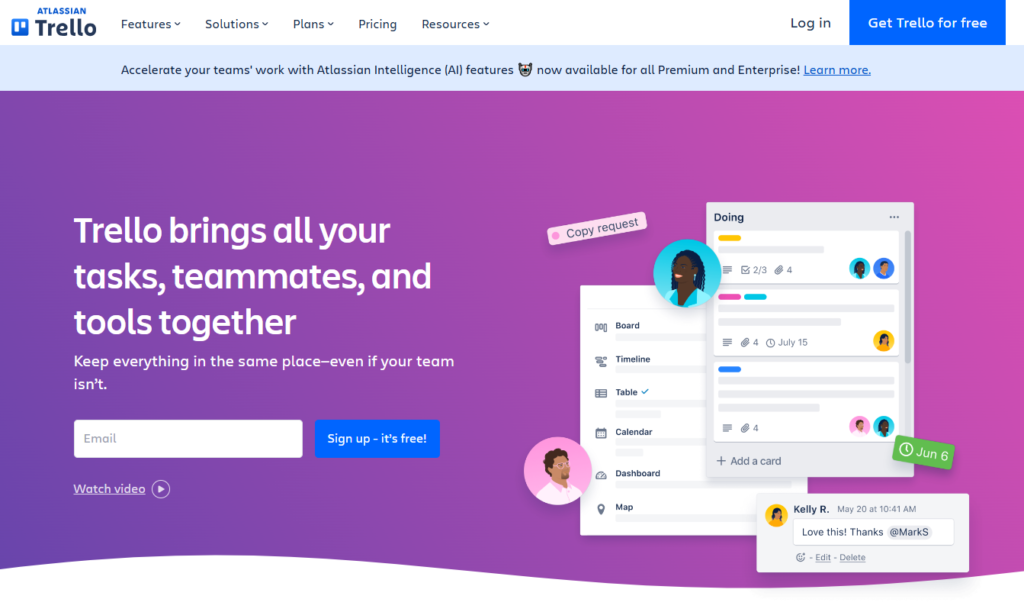
- Setting Realistic Goals (The Power of Small Wins): Break down large, daunting tasks into smaller, achievable steps. This creates a sense of accomplishment, boosts motivation, and prevents overwhelm. Celebrate each small win – these are the building blocks of success. Use the SMART goal framework (Specific, Measurable, Achievable, Relevant, Time-bound) to ensure your goals are well-defined and trackable.
- Example (E-commerce): Instead of “Improve marketing,” a more specific goal might be “Increase website traffic by 15% in the next month through targeted social media advertising.” This allows for measurable progress and iterative improvement. The CEO job description for an e-commerce business might initially include: product sourcing and quality control, developing a compelling brand narrative, creating high-quality product photography, setting up effective online marketing campaigns (including SEO and social media), managing customer service inquiries, and handling basic accounting and financial tracking.
Step 2: Create Your Daily Routine and KPIs (Measuring Your Success)
Structure your day around the CEO job description. KPIs provide objective measures of your progress, allowing for data-driven decision-making.
- Time Blocking: Mastering Your Time: Allocate specific time slots for each prioritized task. This prevents task-switching and improves focus. Use a calendar (Google Calendar, Outlook Calendar) or a time-tracking app (Toggl Track, Clockify) to stay organized and monitor your time allocation. Experiment to find the optimal time blocking strategy that works for your energy levels and peak productivity times.
- KPI Selection: Choosing the Right Metrics: Choose metrics that directly reflect your business goals. Don’t just track vanity metrics; focus on those that indicate real progress towards profitability. Examples include:
- Website Traffic (for online businesses): Track unique visitors, bounce rate, time on site, and conversion rates.
- Sales Conversions: Monitor the percentage of visitors who make a purchase.
- Customer Acquisition Cost (CAC): Calculate how much it costs to acquire a new customer.
- Customer Lifetime Value (CLTV): Estimate the total revenue generated by a customer over their relationship with your business.
- Profit Margins: Track the percentage of revenue that remains after deducting expenses.
- Regular Review: The Feedback Loop: Analyze your KPIs daily or weekly. This creates a feedback loop, allowing you to identify what’s working and what needs improvement. Use spreadsheets (Google Sheets, Microsoft Excel) or project management software to track your data visually and easily identify trends. Regular review prevents you from drifting off course.
- Example (Website Traffic KPI): If your KPI is website traffic, track daily visits, bounce rate, and time spent on site. If the bounce rate is high, it might indicate a problem with your website design or content. If time on site is low, it might suggest a lack of engaging content.
Step 3: The Pursuit of the First Dollar: Validating Your Business Model
The official start of your business isn’t the business plan; it’s the first sale. This validates your business model and proves there’s market demand for your product or service.
- Minimum Viable Product (MVP): Testing the Waters: Launch a basic version of your product or service to test the market. This reduces risk and allows for iterative improvements based on real customer feedback. Focus on the core features that solve your customers’ problems. Don’t overcomplicate things at this stage.
- Targeted Marketing: Reaching Your Ideal Customer: Focus your marketing efforts on your ideal customer profile. Don’t try to appeal to everyone; concentrate on the segment most likely to buy your product or service. This maximizes your marketing ROI (Return on Investment).
- Early Feedback: The Engine of Improvement: Actively solicit feedback from your early customers. Use surveys, email communication, or social media to gather insights. This feedback is invaluable for refining your product and improving customer satisfaction.
- Example (Handmade Jewelry): Instead of launching a large collection, start with a small, curated selection of your best pieces. Sell them through Etsy or social media, targeting specific demographics (e.g., women aged 25-45 interested in sustainable fashion). Actively ask for feedback on design, pricing, and overall customer experience.
Step 4: Monitoring, Adapting, and Growing: Continuous Improvement
The first sale is just the beginning. Continuous improvement and adaptation are crucial for long-term success.
- Data Analysis: Making Data-Driven Decisions: Regularly review your KPIs and make data-driven decisions. Don’t rely on gut feeling; let the data guide your strategy. Use analytics tools to understand customer behavior and identify areas for improvement.
- Market Research: Staying Ahead of the Curve: Stay updated on industry trends and competitor activities. This allows you to adapt your strategy and stay competitive. Use market research tools and resources to gather insights.
- Customer Feedback: The Voice of the Customer: Continuously seek feedback from your customers. This helps you improve your products, services, and overall customer experience. Use surveys, reviews, and social media monitoring to gather feedback.
- Example (Low Sales): If your sales are lower than expected, analyze your marketing campaigns, website analytics, and customer feedback. Consider adjusting your pricing, improving your product, or targeting a different customer segment.
Step 5: Pay Yourself First: Prioritizing Your Well-being and Financial Stability
As your business grows, prioritize paying yourself. This is crucial for motivation, financial stability, and preventing burnout.
- Setting a Salary: Fair Compensation: Determine a reasonable salary that covers your living expenses. Don’t undervalue your contribution. Consider industry benchmarks and your experience level.
- Profit Allocation: Rewarding Your Efforts: Allocate a portion of your profits to yourself before other expenses. This ensures you’re compensated for your hard work and dedication.
- Separate Accounts: Maintaining Financial Clarity: Maintain separate business and personal accounts for accounting and tax purposes. This simplifies financial management and makes tax preparation easier. This is crucial for financial clarity and legal compliance.
“The key is not to prioritize what’s on your schedule, but to schedule your priorities.” – Stephen Covey. This quote perfectly encapsulates the essence of this approach. By scheduling your priorities as the CEO, you ensure that the most impactful tasks receive the attention they deserve. This isn’t about self-indulgence; it’s about strategic leadership and ensuring the long-term success of your business.
Actionable Steps for Hiring Your First Employee (Yourself, the CEO)
These steps are designed to be adaptable to various experience levels and demographics. The key is to start small, focus on the essentials, and scale gradually.
For Beginners (Little to No Business Experience):
- Start with a Simple Business Plan: Don’t get bogged down in complex business plans. Focus on a concise document outlining your core offering, target market, and initial marketing strategy. Even a single page is sufficient to start. Use free templates available online.
- Identify Your Core Offering: What single product or service will you offer initially? Focus on one thing and master it before expanding. This allows you to learn the ropes without being overwhelmed.
- Build a Basic Website or Social Media Presence: A simple website or engaging social media profile is crucial for reaching your target market. Use free tools like Wix or Squarespace for website creation, or leverage free social media platforms like Instagram or Facebook.
- Set Realistic Sales Goals: Don’t aim for the moon immediately. Start with achievable sales targets. This helps maintain motivation and provides a clear measure of progress.
- Prioritize Customer Service: Provide exceptional customer service to build a strong reputation and encourage repeat business. Respond promptly to inquiries and address any concerns effectively.
- Track Basic KPIs: Focus on a few key metrics, such as website traffic, sales, and customer acquisition cost. Use simple spreadsheets or free analytics tools to track your progress.
- Learn Basic Accounting: Understand the basics of income and expenses. Use free accounting software or apps designed for small businesses.
- Seek Mentorship: Connect with experienced entrepreneurs or business mentors for guidance and support. Many communities and online resources offer free mentorship opportunities.
For Millennials (Some Business Experience, Tech-Savvy):
- Leverage Technology: Utilize project management tools (Asana, Trello), CRM software (HubSpot, Zoho), and marketing automation platforms to streamline your operations and improve efficiency.
- Develop a Strong Online Presence: Focus on building a professional website and engaging social media presence. Use SEO best practices to improve your search engine ranking. Consider paid advertising campaigns on platforms like Google Ads or social media.
- Data-Driven Decision Making: Use analytics tools to track your progress and make data-driven decisions. Regularly review your KPIs and adjust your strategies based on the results.
- Embrace Agile Methodologies: Use agile project management techniques to adapt quickly to changing market conditions. Iterate frequently and incorporate customer feedback into your product development process.
- Network Strategically: Attend industry events and connect with other entrepreneurs and potential partners. Leverage online networking platforms like LinkedIn to expand your professional network.
- Explore Freelancing Platforms: Use freelancing platforms like Upwork or Fiverr to outsource tasks that are not your core competencies. This allows you to focus on high-value activities.
For People Nearing Retirement (Significant Business Experience):
- Focus on Your Strengths: Concentrate on the aspects of your business that leverage your existing skills and experience. Delegate tasks that require less expertise.
- Build a Sustainable Business Model: Develop a business model that allows for flexibility and scalability. Consider remote work options or outsourcing to reduce overhead costs.
- Prioritize Work-Life Balance: Maintain a healthy work-life balance to avoid burnout. Set clear boundaries between work and personal life.
- Plan for Succession: Develop a plan for transitioning your business to someone else if desired. This ensures the continuity of your business and provides a clear path for your eventual retirement.
- Seek Advice from Peers: Connect with other experienced entrepreneurs for advice and support. Share your experiences and learn from their successes and failures.
- Embrace Technology Selectively: Use technology to improve efficiency, but don’t feel pressured to adopt every new tool or platform. Focus on technologies that align with your needs and preferences.
Common Mistakes to Avoid in Hiring Your First Employee (Yourself, the CEO)
Let’s delve deeper into the common mistakes entrepreneurs make when they hire themselves as their first employee (CEO), offering more detailed explanations and actionable solutions.
1. Ignoring Your Own Compensation: The Burnout Trap
Many entrepreneurs, especially bootstrappers, delay paying themselves, believing that reinvesting all profits is the fastest path to growth. While reinvestment is crucial, neglecting your own compensation is a recipe for burnout and financial instability. This mistake stems from several factors:
- The “Sacrifice Mentality”: Many entrepreneurs see self-sacrifice as a badge of honor, believing that deprivation fuels success. This is a false narrative. Consistent financial stress leads to burnout, impacting decision-making, creativity, and overall well-being.
- Lack of Financial Planning: Without a clear financial plan that includes a salary for the CEO, entrepreneurs often find themselves constantly scrambling for funds, leading to reactive rather than proactive decision-making.
- Underestimating Personal Expenses: Entrepreneurs often underestimate their personal living expenses, leading to unexpected financial shortfalls and increased stress.
Solutions:
- Develop a Realistic Budget: Create a detailed budget that includes a reasonable salary for yourself, covering living expenses and essential needs. This salary should be treated as a business expense, not an afterthought.
- Prioritize Profit Allocation: Allocate a percentage of your profits to your salary before reinvesting in the business. This ensures you receive consistent compensation, even during lean periods.
- Separate Business and Personal Accounts: Maintain separate bank accounts for business and personal finances. This simplifies accounting, tax preparation, and financial tracking, providing a clear picture of your financial health.
- Seek Financial Advice: Consult with a financial advisor or accountant to develop a comprehensive financial plan that addresses your personal needs and business goals.
2. Lack of Strategic Planning: Drifting Without a Roadmap
Starting a business without a clear plan is like sailing without a map – you might reach land eventually, but the journey will be far more challenging and uncertain. This mistake often manifests as:
- Unclear Goals: Without clearly defined goals, it’s difficult to prioritize tasks and measure progress. This leads to wasted time and effort, hindering overall progress.
- Reactive Decision-Making: Without a strategic plan, entrepreneurs often make reactive decisions based on immediate needs rather than long-term goals. This can lead to inconsistent strategies and missed opportunities.
- Ignoring Market Research: Without a thorough understanding of the market, entrepreneurs often struggle to identify their target audience, position their product or service effectively, and compete successfully.
Solutions:
- Develop a Comprehensive Business Plan: Create a detailed business plan outlining your goals, target market, competitive landscape, marketing strategy, and financial projections. This serves as a roadmap for your business journey.
- Conduct Thorough Market Research: Understand your target audience, their needs, and their preferences. Analyze your competitors and identify your unique value proposition.
- Set SMART Goals: Set specific, measurable, achievable, relevant, and time-bound goals. This allows you to track your progress and make data-driven adjustments.
- Regularly Review and Update Your Plan: Your business plan should be a living document that adapts to changing market conditions and customer feedback.
3. Neglecting KPIs: Flying Blind
Failing to track key performance indicators (KPIs) is like driving a car without looking at the speedometer – you might be moving, but you don’t know how fast or in what direction. This mistake often leads to:
- Lack of Visibility: Without tracking KPIs, it’s difficult to understand your business’s performance and identify areas for improvement.
- Ineffective Resource Allocation: Without data-driven insights, it’s challenging to allocate resources effectively, potentially wasting time and money on unproductive activities.
- Missed Opportunities: By not tracking KPIs, you might miss crucial opportunities for growth and optimization.
Solutions:
- Identify Relevant KPIs: Choose KPIs that directly reflect your business goals. These could include website traffic, sales conversions, customer acquisition cost, customer lifetime value, and profit margins.
- Use Analytics Tools: Utilize analytics platforms (Google Analytics, etc.) and spreadsheet software to track your KPIs and visualize your progress.
- Regularly Analyze Your Data: Review your KPIs regularly (daily, weekly, or monthly) to identify trends and areas for improvement.
- Make Data-Driven Decisions: Use your data to inform your decisions and adjust your strategies accordingly.
4. Ignoring Customer Feedback: Losing Touch with Reality
Ignoring customer feedback is like building a house without considering the needs of the people who will live in it. This mistake often leads to:
- Product Stagnation: Without understanding customer needs and preferences, your product or service might become outdated or irrelevant.
- Missed Opportunities: Ignoring customer feedback can lead to missed opportunities for product improvement, innovation, and expansion.
- Damage to Reputation: Negative customer experiences can severely damage your business’s reputation, leading to lost sales and decreased customer loyalty.
Solutions:
- Actively Seek Feedback: Use surveys, reviews, social media monitoring, and direct customer communication to gather feedback.
- Analyze Feedback Systematically: Don’t just collect feedback; analyze it to identify patterns and trends. Use this information to improve your products, services, and customer experience.
- Respond to Feedback Promptly: Address customer concerns and questions promptly and professionally. This shows that you value your customers and are committed to providing a positive experience.
- Implement Changes Based on Feedback: Don’t just collect feedback; use it to make improvements to your business. Show your customers that you are listening and responding to their needs.
By addressing these common mistakes proactively, you can significantly improve your chances of success as a solopreneur CEO. Remember, self-employment as CEO is a marathon, not a sprint. Consistent effort, strategic planning, and a willingness to learn and adapt are key to long-term success.
Frequently Asked Questions
How do I create a CEO job description if I’m unsure of my highest-value tasks?
Start by listing all your tasks, then prioritize them based on their impact on your business goals. Use tools like a SWOT analysis to identify your strengths, weaknesses, opportunities, and threats. This will help you focus on your most valuable contributions.
What KPIs should I focus on in the early stages of my business?
In the beginning, concentrate on metrics directly related to revenue generation and customer acquisition. Examples include website traffic, conversion rates, customer acquisition cost, and average order value.
How do I find time to manage everything as the CEO and the first employee?
Prioritize ruthlessly. Focus on high-impact activities and delegate or outsource non-essential tasks as your business grows. Use time-blocking techniques to manage your schedule effectively.
What if I don’t make a profit immediately?
Don’t get discouraged. Many businesses take time to become profitable. Focus on refining your business model, improving your marketing, and seeking feedback from your customers. Consider bootstrapping or seeking seed funding if necessary.
How do I know if my KPIs are the right ones for my business?
Your KPIs should directly reflect your business goals. Regularly review them and adjust them as needed based on your progress and market changes. Consult with business mentors or advisors for additional guidance
What tools can help me manage my CEO role and track my KPIs?
Project management software (Asana, Trello), time-tracking apps (Toggl Track, Clockify), spreadsheet software (Google Sheets, Microsoft Excel), and analytics platforms (Google Analytics) are all valuable tools.
How can I effectively delegate tasks once my business starts growing?
Start by identifying tasks that can be easily delegated without significant oversight. Clearly define roles and responsibilities, provide adequate training, and establish clear communication channels.
How do I balance my CEO role with other aspects of my life?
Set boundaries between work and personal life. Schedule time for relaxation and personal activities. Delegate tasks whenever possible to free up your time.
What if I don’t have a strong business plan?
Create a simple business plan outlining your goals, target market, and strategies. Use online resources and tools like ChatGPT to help you develop a comprehensive plan.
How can I stay motivated when things get tough?
Remember your “why.” Focus on your long-term goals and celebrate your successes along the way. Seek support from mentors, advisors, or other entrepreneurs. Remember that setbacks are a normal part of the entrepreneurial journey.
Building Your Empire: A Call to Action
This journey of hiring yourself as your first employee—the CEO—is a powerful path to building a thriving business. It’s about strategic leadership, relentless prioritization, and a commitment to continuous improvement. You’ve learned how to define your CEO role, establish key performance indicators, pursue that first dollar, adapt to market changes, and prioritize your own well-being. Remember, this isn’t just about making money; it’s about building a sustainable business that aligns with your values and goals.
The actionable steps outlined – from creating a simple business plan to leveraging technology and seeking mentorship – are designed to empower you, regardless of your experience level. The key takeaway is that you, the founder, are the most valuable asset in your business. By focusing on your own contributions and continuously refining your approach, you set the stage for long-term success.
Your Next Steps:
- Choose one actionable step from this guide and implement it today. Don’t wait for the perfect moment; start now.
- Schedule a time to review your progress and adjust your strategy. Regular review is crucial for staying on track.
- Connect with other entrepreneurs and seek mentorship. Learning from others’ experiences can accelerate your journey.
Thank you for joining us on this journey. For more valuable insights and strategies to help you succeed, be sure to view and subscribe to the Rhodes Brothers YouTube Channel for the latest videos and information. We’re here to support you every step of the way.
Resource List
- Book: The E-Myth Revisited by Michael E. Gerber
- Book: Built to Sell by John Warrillow
- Podcast: The Tim Ferriss Show
- Podcast: How I Built This
- Course: Udemy’s Business and Entrepreneurship courses
- Tool: Asana (Project Management)
- Tool: Trello (Project Management)
- Tool: Google Analytics (Website Analytics)
- Tool: ChatGPT (AI writing assistant)
- Tool: Canva (Graphic Design)
- Tool: Mailchimp (Email Marketing)
- Tool: HubSpot (Marketing Automation)
- Tool: Zapier (Automation)
- Tool: Stripe (Payment Processing)
- Tool: Shopify (E-commerce Platform)