
For More Free Videos, Subscribe to the Rhodes Brothers YouTube Channel.
“Frugality is not about cutting costs; it’s about increasing the value of every dollar.” – John S. Rhodes, Rhodes Brothers

What if I told you that transforming your financial life doesn’t require winning the lottery, landing a six-figure salary, or giving up everything you love? Living frugally—yes, even on just $20 a day—is not only possible but attainable with the right mindset and strategies. Whether your goal is to pay off debt, build savings, or simply live a more intentional life, extreme frugality can be your ultimate secret weapon.
In this post, we’ll dive into practical strategies for maximizing every penny, from affordable food hacks to minimalist housing ideas. You’ll also learn how to leverage free resources, avoid common pitfalls, and even turn frugality into a stepping stone toward financial independence.
As John S. Rhodes puts it: “The real challenge is the mindset to do this, combined with the action and consistency.”
Let’s get started!
TL;DR
If you’re short on time, here’s a quick summary of what you’ll learn:
- Budget-Friendly Food: Master the art of nutritious, low-cost eating with staples like rice, beans, and oats.
- Low-Cost Transportation: Use bikes, public transit, or carpooling to minimize spending.
- Minimalist Housing Hacks: Save big by sharing spaces, couch surfing, or renting creatively.
- Free and Cheap Services: Take advantage of public libraries, free workshops, and community resources.
- Minimalist Spending: Prioritize essentials and use multi-purpose tools to cut costs further.
Now, let’s break it all down step by step.
Step 1: Master Budget-Friendly Food
Living on $7 a day for food doesn’t mean compromising your health or flavor. By focusing on versatile, nutrient-dense staples and implementing smart shopping strategies, you can eat well while keeping your budget under control.
Key Strategies for Affordable, Nutritious Eating
Eating healthy on a budget doesn’t have to be complicated or boring. The key is to focus on affordable, nutrient-dense staples and make smart choices that maximize both your budget and your health. Staples are the foundation of a frugal diet, allowing you to create a variety of meals without overspending.
- Shop for Staples
Staples are the backbone of a frugal diet. They’re affordable, versatile, and provide excellent nutrition. Here are some key examples:
- Rice and Beans: This classic combo is high in protein, fiber, and energy. A 20-pound bag of rice can cost as little as $10 at stores like Walmart or Costco, and dried beans average $1–$2 per pound. Together, they create a filling meal for under $1 per serving.
- Oats: At around $2 per large container, oats are a great option for breakfast. Add a splash of milk, some cinnamon, or a sliced banana, and you’ve got a healthy, hearty meal for less than $0.50.
- Eggs: One of the cheapest protein sources available. A dozen eggs cost around $2–$3, and you can use them for breakfast, baking, or quick dinners like omelets.
- Pasta and Canned Tuna: A pound of pasta costs under $1, and canned tuna averages $1–$1.50 per can. Combine them with a simple tomato sauce or olive oil for a quick, satisfying meal.
Pro Tip: Look for seasonal produce at local farmers’ markets or discount grocery stores. Vegetables like carrots, potatoes, and cabbage are long-lasting, nutritious, and inexpensive.
- Buy in Bulk
Bulk purchasing is a frugal shopper’s best friend. Stores like Aldi, Walmart, and warehouse clubs like Costco or Sam’s Club offer significant discounts on large quantities of pantry staples. For example:
- A 10-pound bag of rice costs around $7 at Walmart, compared to $2 for a small 1-pound bag.
- Buying spices in bulk from stores like WinCo or ethnic markets is far cheaper than small containers from brand-name labels.
Investing in a membership at Costco or Sam’s Club (around $60 annually) can be worthwhile if you’re feeding a family or meal prepping in bulk.
- Avoid Processed Foods
Pre-packaged meals and processed snacks are often more expensive and less healthy. Instead, focus on whole foods that you can prepare yourself. For example:
-
- Instead of buying microwaveable mac and cheese, make it from scratch with pasta, butter, and cheese.
- Replace pricey granola bars with homemade ones using oats, peanut butter, and a drizzle of honey.
- Meal Prep Like a Pro
Meal prepping saves time and money. Here’s how to get started:
- Batch Cooking: Make a large pot of soup, stew, or chili and store it in individual containers for quick, reheatable meals.
- Freeze Leftovers: Freeze portions of casseroles, cooked rice, or pasta sauces for future use.
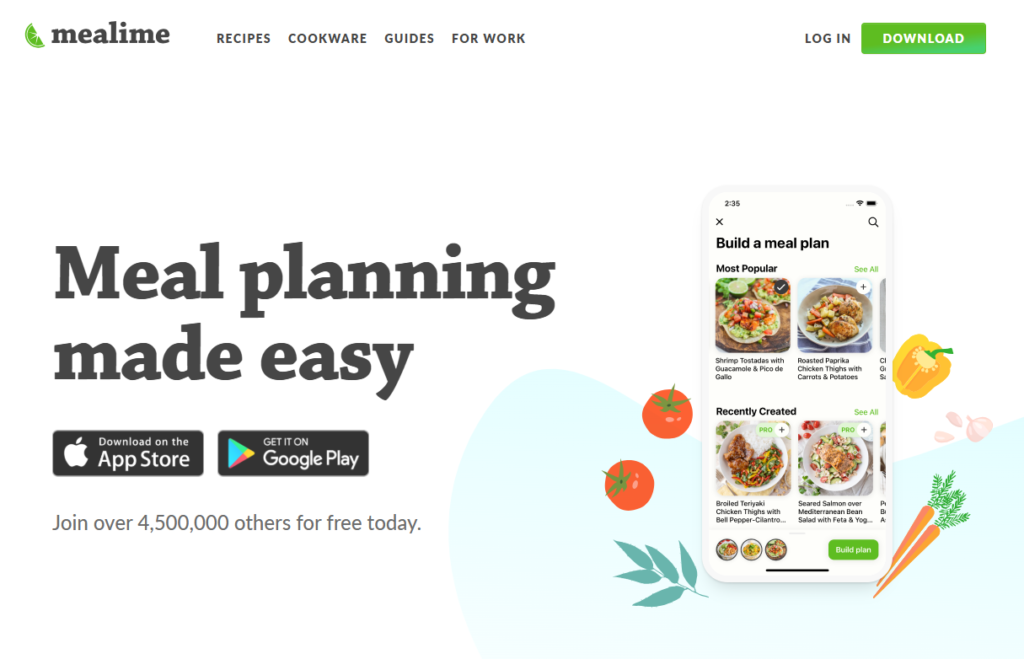
Example Tool: Use the app Mealime to create meal plans and shopping lists based on your budget and dietary preferences.
- Flavor Boosters on a Budget
Affordable additions like spices, lemon juice, and hot sauce can transform simple meals into something delicious. A $1 bottle of hot sauce or a $2 bag of dried chili flakes can last for months.
Step 2: Leverage Low-Cost Transportation
Transportation often becomes a hidden money drain, but with a little creativity, you can keep this expense as low as $3 a day while staying mobile and efficient.
Options to Save on Transportation
Transportation is often one of the most significant daily expenses, but with some strategic adjustments, you can drastically reduce or even eliminate many of these costs. One of the simplest and most budget-friendly ways to save is by embracing walking or biking as your primary means of getting around.
- Walking or Biking
-
- Walking: It’s free, eco-friendly, and great for your health. If your workplace or errands are within a few miles, skip the car.
- Biking: A one-time investment in a reliable bike (around $100–$300) can save you hundreds in gas and maintenance costs. Look for second-hand bikes on marketplaces like Facebook Marketplace or Craigslist.
- Public Transit
Public transportation is often far cheaper than driving. For example:
- A monthly bus pass in most cities costs $40–$70, which breaks down to just $2–$3 per day.
- Some cities offer discounted rates for students, seniors, or low-income individuals.
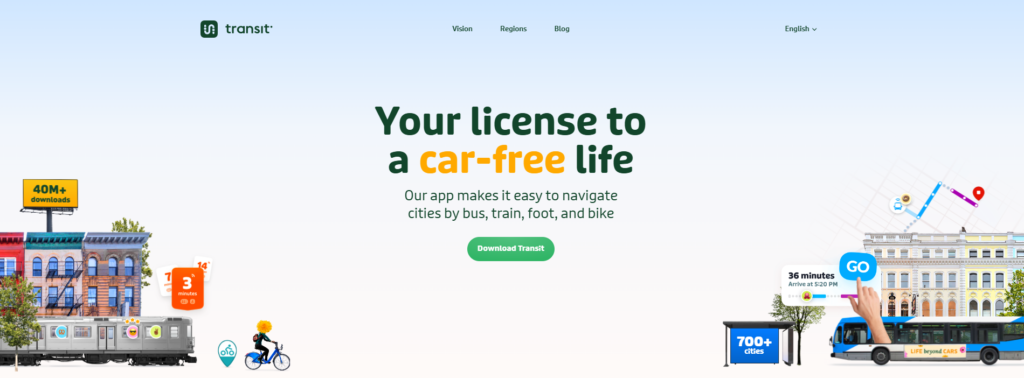
Example Tool: Use the Transit app to plan your bus, train, or subway routes efficiently.
- Carpooling

Sharing rides with coworkers or friends can drastically cut costs. Apps like Waze Carpool or BlaBlaCar match you with others traveling the same route.
- Bundle Your Errands
If you must drive, plan your trips strategically to minimize gas usage. For example, combine grocery shopping, post office visits, and other errands into one trip.
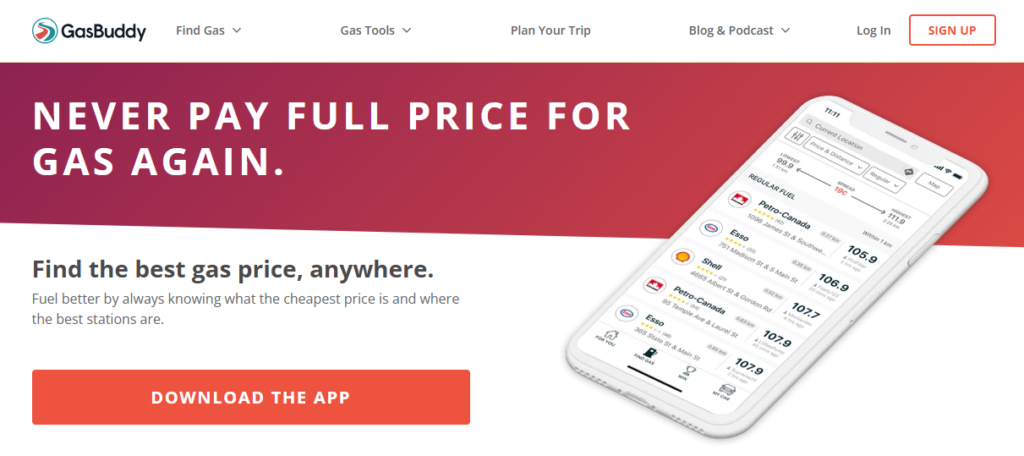
Example Tool: Use GasBuddy to locate the cheapest gas stations near you.
Step 3: Save Big on Housing
Housing is often the single largest expense in most budgets, but there are several creative ways to cut costs significantly.
Creative Housing Solutions
Housing typically makes up the largest chunk of anyone’s budget, but with some creativity, you can significantly reduce this expense. By thinking outside the box, you can save hundreds—or even thousands—of dollars each year. Here are some practical ways to cut your housing costs and still have a comfortable place to call home.
- Roommates
Splitting rent with roommates can slash your housing costs by more than half. For example:
-
- A $2,000 apartment shared by four people costs just $500 per person—or roughly $17 a day.
- Use platforms like Roommates.com or SpareRoom to find potential roommates in your area.
- Couch Surfing
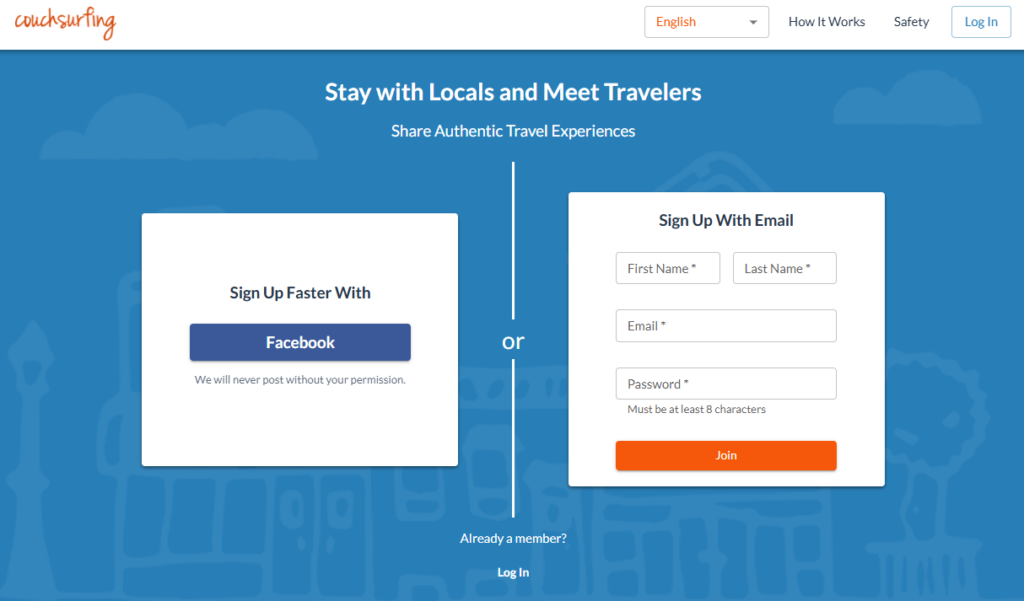
Websites like Couchsurfing.com connect you with hosts willing to offer a free place to stay. While this isn’t a permanent solution, it’s ideal for temporary situations or while traveling.
- Rent an RV or Garage Space
Some unconventional options include:
-
- Renting an RV to live in (often $300–$500/month).
- Renting a garage or basement space for even less.
- Barter for Rent
Offer to help with chores, repairs, or maintenance in exchange for reduced rent. For example:
- Mowing the lawn, shoveling snow, or painting walls could knock $100+ off your rent each month.
Step 4: Embrace Free and Cheap Services
There’s a wealth of free or low-cost resources available for entertainment, education, and personal development.
Where to Start
When you’re living on a tight budget, it’s easy to feel limited in your options for entertainment, education, and resources. But the truth is, there are plenty of free or nearly free options that can enrich your life without costing a dime. One of the best places to start? Your local library.
- Libraries
Libraries are often overlooked treasures. They offer:
-
- Free access to books, movies, and audiobooks.
- Workshops and classes on technology, resume building, or personal finance.
- Free Wi-Fi and quiet study spaces.
- Community Events
Many cities host free events like outdoor concerts, movie nights, or art walks. Check websites like Eventbrite or your city’s Parks and Recreation page for upcoming events.
- Volunteering
Volunteering can provide free access to events or resources while allowing you to give back to your community. For example:
-
- Volunteer at a local theater to earn free tickets to performances.
- Help at a community garden and take home fresh produce.
- Skill-Building Workshops
Learn new skills for free or cheap:
- Platforms like Coursera, edX, and Khan Academy offer free courses on topics ranging from business to coding.
- Local community centers often host free or low-cost workshops on cooking, fitness, or crafting.
Step 5: Minimize Personal Essentials
Minimalist spending involves making the most of what you already have and eliminating unnecessary purchases.
Multi-Purpose Hacks
When it comes to living frugally, multi-purpose hacks are a game-changer. These simple, creative solutions help you get the most out of what you already have, reducing waste and saving money in the process. From cleaning supplies to everyday household items, using versatile products can make a huge difference in your budget.
- DIY Cleaning Supplies
-
- Combine vinegar and baking soda for an all-purpose cleaner.
- Use lemon juice for natural stain removal. These options cost pennies compared to store-bought cleaners.
- Reusable Items
Invest in items that reduce waste and save money over time:
-
- Reusable water bottles: Save $1–$3 daily by skipping bottled water.
- Cloth shopping bags: Many stores now offer discounts for bringing your own bags.
- Buy in Bulk
Stock up on essentials like soap, shampoo, and toothpaste when they’re on sale. Buying in bulk reduces the cost per unit.
- Repurpose Items
Get creative with what you already own:
- Turn old T-shirts into cleaning rags.
- Use mason jars for food storage or DIY candles.
By combining these strategies across food, transportation, housing, and essentials, you can live comfortably on $20 a day while building a sustainable path to financial freedom.
Actionable Steps and Direct Advice for Living Extremely Frugal and Thriving
Living frugally on $20 a day may sound challenging, but with proper planning and smart strategies, it’s entirely possible—not just to survive but to thrive. Whether you’re trying to save money, pay off debt, or simply live a minimalist lifestyle, this guide breaks down actionable steps tailored to different levels of experience.
For Beginners: Start Building Habits
- Track Every Dollar
-
- Start by recording every penny you spend for a week to identify where your money goes. Use apps like Mint, YNAB (You Need a Budget), or even a simple notebook for this.
- Break your $20/day into categories: food, transportation, housing, savings, and miscellaneous.
- Focus on Essentials
-
- Prioritize needs over wants. Essentials like food, rent, and transportation should take precedence.
Example budget breakdown:
- $10/day for food: Stick to simple, home-cooked meals (see below for meal ideas).
- $5/day for transportation or savings.
- $5/day for housing/utilities (if rent is already accounted for via monthly budgeting).
- Master Meal Planning
-
- Food is often the largest daily expense, but it can be minimized with planning:
- Base your meals on affordable staples like rice, pasta, beans, and seasonal vegetables.
- Cook in bulk: Prepare meals like soups, stews, or stir-fries that stretch over several days.
- Example: A pot of lentil soup (~$5) can provide 4–5 meals, costing just $1–$1.25 per portion.
- Food is often the largest daily expense, but it can be minimized with planning:
For Intermediate Frugal-Livers: Optimize and Diversify
- Leverage Free and Low-Cost Resources
-
- Food: Visit food pantries, community gardens, or use cashback apps like Ibotta and Fetch Rewards to save on groceries.
- Entertainment: Use free options like local libraries for books, movies, and Wi-Fi. Explore free museum days or community events.
- Transportation: Walk, bike, or use public transit instead of owning a car. If you must drive, carpool or use gas rewards programs.
- Negotiate and Reduce Fixed Costs
-
- Housing: Consider downsizing, finding roommates, or even house-sitting to eliminate rent temporarily.
- Bills: Call service providers to negotiate lower rates on utilities or switch to cheaper plans.
- Example: Switching to a prepaid phone plan could save $20–$30/month.
- Shop Smart
-
- Buy in bulk: Visit dollar stores, warehouse clubs (e.g., Costco), or ethnic markets for cheaper staples.
- Thrift and DIY: For clothing, furniture, and household items, shop secondhand or repurpose what you already own.
For Advanced Frugal-Livers: Maximize Every Dollar
- Adopt a Minimalist Mindset
-
- Evaluate everything: Ask yourself, “Do I really need this?” before every purchase.
- Example: Challenge yourself to a “no-spend week” where you only use what you already have.
- Earn While You Spend
-
- Use cashback credit cards (paid off monthly) or apps like Rakuten to earn rewards on purchases.
- Sell unused items on platforms like Facebook Marketplace, eBay, or Poshmark to generate extra cash.
- Explore Alternative Living Arrangements
-
- Consider house-hacking, like renting out a room or living in a shared space.
- Look into van life, RV living, or tiny homes for lower-cost housing options if you’re flexible.
- Batch Activities for Efficiency
-
- Combine errands to save on gas or transit costs.
- Meal prep once or twice a week to reduce time spent cooking and energy costs.
Common Mistakes to Avoid
When practicing extreme frugality, it’s important to focus on the bigger picture and avoid pitfalls that can undermine your efforts. Frugality isn’t just about spending less—it’s about living smarter and maximizing value. Here are some common mistakes to avoid:
Focusing Only on Cutting Costs
Extreme frugality is about maximizing value, not just minimizing expenses. Cutting corners in the wrong areas can actually cost more in the long run.
- Why It’s a Mistake: Sacrificing quality—like buying cheap, poorly-made items—can lead to frequent replacements, ultimately costing more money.
- What to Do Instead: Invest in quality where it counts, such as durable clothing, reliable appliances, or a comfortable mattress. These purchases may have higher upfront costs but save you money over time.
Neglecting Health
Cheap food doesn’t have to mean unhealthy food. Many people opt for low-cost, processed meals, but this can lead to health problems and costly medical bills in the future.
- Why It’s a Mistake: Poor nutrition can lead to fatigue, illness, and chronic conditions, which can affect your productivity and increase healthcare expenses.
- What to Do Instead: Focus on affordable, nutrient-dense foods like beans, lentils, oats, eggs, and seasonal vegetables. Meal prep to save money and ensure balanced meals.
Overlooking Free Resources
Many people fail to take full advantage of free or low-cost resources available in their communities or online.
-
- Why It’s a Mistake: Paying for things that are available for free wastes money unnecessarily.
- What to Do Instead:
-
- Use libraries for books, movies, internet access, and even free classes.
- Attend free community events or workshops to learn new skills or enjoy entertainment.
- Explore free apps and online tools for budgeting, fitness, learning, and more.
Ignoring Long-Term Goals
Extreme frugality can sometimes feel like an endless cycle of sacrifice, leading to burnout or discouragement.
-
- Why It’s a Mistake: Without clear goals, frugality can start to feel like deprivation rather than empowerment.
- What to Do Instead:
-
- Set clear long-term financial goals, such as building an emergency fund, paying off debt, or saving for retirement.
- Celebrate milestones along the way to stay motivated.
Remember that frugality is a tool to achieve freedom—not a permanent lifestyle of restriction.
Frequently Asked Questions
How do I start living frugally?
Start by tracking your expenses and identifying areas where you can cut back. Focus on one category at a time, such as food or transportation.
Is extreme frugality sustainable?
Yes, but it’s essential to strike a balance. Use extreme frugality as a short-term strategy to achieve long-term goals.
What are the best frugal meals?
Rice, beans, pasta, and eggs are affordable staples. Add variety with seasonal vegetables and spices.
How can I find free resources in my area?
Check your local library, community center, or city website for information on free events and services.
How do I stay motivated?
Set clear financial goals and remind yourself of the bigger picture. Celebrate small wins along the way.
Can frugality help me pay off debt?
Absolutely! Use the money you save to make extra payments toward your debt.
What tools can help with frugality?
Apps like Mint or YNAB (You Need a Budget) can help you track expenses and stay on budget.
How do I involve my family?
Make it a team effort by setting shared goals and celebrating milestones together.
Is frugality only for low-income individuals?
Not at all! Even high earners can benefit from adopting frugal habits.
How do I balance frugality with enjoying life?
Focus on experiences rather than material things. Many of life’s best moments—like spending time with loved ones—don’t cost a dime.
Frugality as a Stepping Stone to Freedom
Living on $20 a day might sound impossible at first, but as we’ve explored, it’s absolutely achievable with the right mindset, strategies, and tools. More importantly, extreme frugality isn’t just about surviving—it’s about thriving. When you reduce unnecessary spending and maximize the value of every dollar, you’re not just saving money; you’re creating opportunities for growth, security, and financial independence.
As John S. Rhodes wisely said, “If you always have more money being saved than what you’re spending, you will always be ahead.” By applying the techniques in this guide—from budget-friendly meals to creative housing solutions—you’re setting yourself up for a brighter financial future.
But remember, frugality doesn’t have to be forever. Think of it as a tool to help you achieve your goals, whether it’s paying off debt, building an emergency fund, or saving for a dream investment. And as you grow financially, you can adjust your spending habits to align with your evolving needs and desires.
Ready to embrace frugality and take control of your finances? Start with one actionable step from this guide—whether it’s meal prepping, walking to work, or cutting out unnecessary expenses. Small changes add up quickly, and before you know it, you’ll see the positive impact on your bank account.
For more strategies, inspiration, and practical advice, be sure to check out the Rhodes Brothers YouTube Channel (subscribe here) for videos that guide you toward financial mastery.
Resource List
To help you on your frugal living journey, here’s a curated list of books, tools, and resources:
Books
- “The Total Money Makeover” by Dave Ramsey
- “Your Money or Your Life” by Vicki Robin and Joe Dominguez
- “Early Retirement Extreme” by Jacob Lund Fisker
Courses and Podcasts
- Khan Academy Financial Literacy Course (Free)
- The Frugal Friends Podcast
- Afford Anything by Paula Pant
Tools
- Mint – Free budgeting app to track your expenses.
- YNAB (You Need a Budget) – A paid tool for in-depth financial planning.
- GasBuddy – Find the cheapest gas in your area.
- Mealime – Plan meals to reduce food waste and cut grocery costs.
Additional Websites and Blogs
- Mr. Money Mustache: A blog dedicated to frugal living and early retirement.
- The Penny Hoarder: Tips and tricks for saving money and earning extra income.
- Budget Bytes: Affordable meal ideas with detailed cost breakdowns.