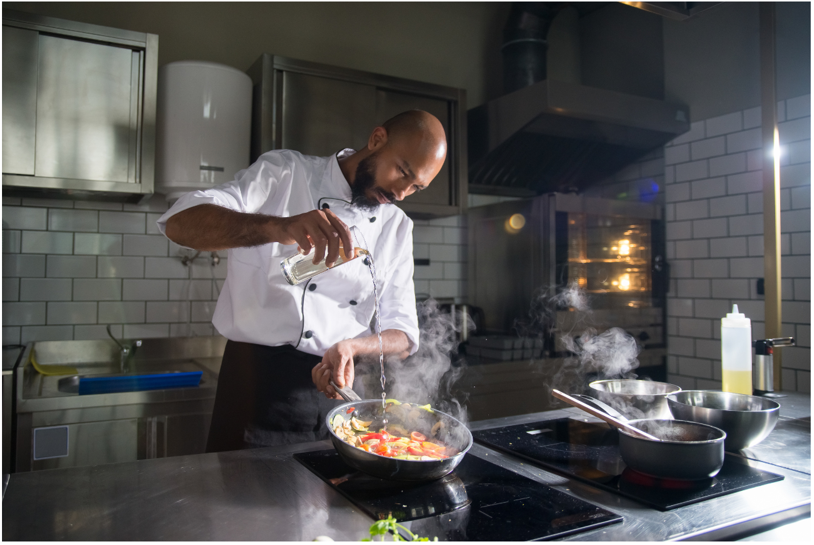
In today’s digital age, the culinary world is no longer confined to traditional kitchens and brick-and-mortar schools. Whether you’re a seasoned chef looking to share your expertise or a food enthusiast eager to connect with others who share your passion, building an online cooking school offers a unique and rewarding opportunity.
This guide will walk you through the essential steps to create a vibrant virtual classroom where culinary skills can flourish, and food lovers can unite. From selecting the right platform to designing engaging courses, you’ll learn how to turn your culinary dreams into a thriving online community.
Let’s embark on this delicious journey together!
TL;DR
- Discover the secrets to building a successful online cooking school, from choosing the right platform to crafting engaging content.
- Learn how to create compelling courses that cater to different skill levels and interests.
- Master the art of marketing your online cooking school to attract students and build a loyal community.
- Explore different monetization strategies to turn your passion into a profitable venture.
What is an Online Cooking School?
An online cooking school is essentially a virtual classroom where you can share your culinary knowledge and expertise with a global audience. It’s a platform for teaching cooking techniques, sharing recipes, and building a community of food enthusiasts. Think of it as a digital version of a traditional cooking class, but with the added benefits of accessibility, flexibility, and scalability. You can reach students from all over the world, regardless of their location or schedule.
Building Your Online Cooking School: A Step-by-Step Guide
Ready to turn your culinary passion into a thriving online business? Building an online cooking school is a rewarding journey, but it starts with a clear vision and understanding of your audience. Let’s dive into the first step:
1. Define Your Niche and Target Audience
Before you start building your online cooking school, it’s crucial to define your niche and target audience. What kind of cooking expertise do you want to share? Are you passionate about baking, international cuisine, healthy eating, or vegan cooking? Identifying your niche will help you focus your content and attract the right students.
Once you’ve defined your niche, consider your target audience. Are you targeting beginner cooks, experienced chefs, or somewhere in between? Understanding your ideal student will help you tailor your content, language, and teaching style accordingly.
For example, if you’re teaching beginner cooks, you’ll need to break down recipes and techniques in a clear and concise way. But if you’re teaching experienced chefs, you can dive deeper into advanced techniques and culinary theory.
2. Choose the Right Platform
There are many platforms available for building online cooking schools. Some popular options include:
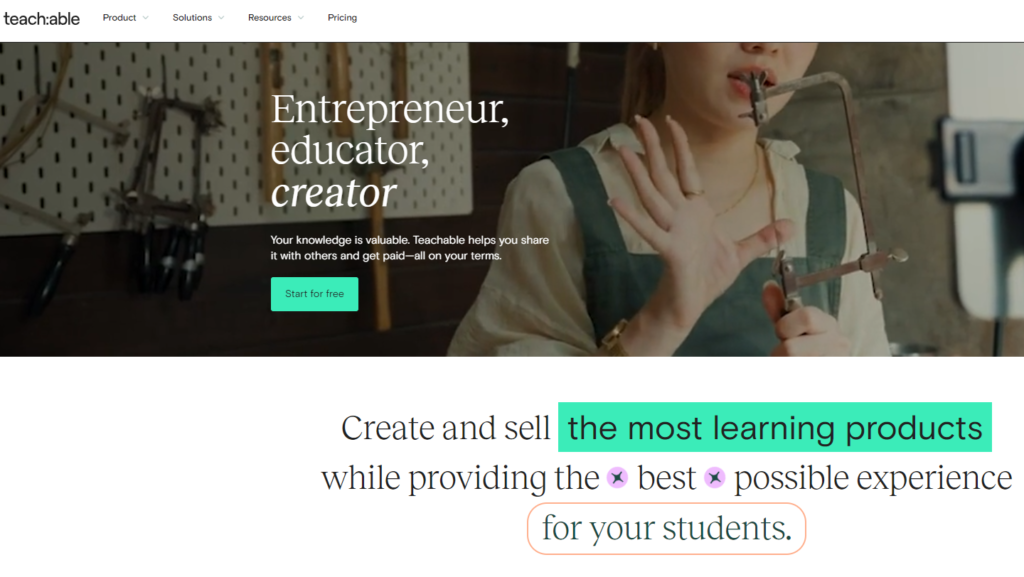
- Teachable: A user-friendly platform that allows you to create and sell online courses. It offers a range of features, including built-in marketing tools, payment processing, and student management.
- Thinkific: Another popular platform that provides a comprehensive suite of tools for creating and selling online courses. It offers a wide range of features, including customizable course templates, built-in marketing tools, and advanced analytics.
- Podia: A versatile platform that allows you to create and sell online courses, digital downloads, and memberships. It offers a range of features, including customizable landing pages, email marketing tools, and a built-in community forum.
- Kajabi: A comprehensive platform that offers a wide range of tools for building online businesses, including online courses, websites, landing pages, email marketing, and more. It’s a great option for those who want a one-stop shop for their online business.
The best platform for you will depend on your specific needs and budget. Consider factors such as ease of use, features, pricing, and customer support when making your decision.
3. Create Compelling Courses
The heart of your online cooking school is your courses. They should be engaging, informative, and valuable to your students. Here are some tips for creating compelling courses:
- Structure your courses logically: Break down your courses into manageable modules and lessons. This will make it easier for students to follow along and absorb the information.
- Use a variety of teaching methods: Don’t just rely on videos. Incorporate other elements like recipes, worksheets, quizzes, and interactive exercises to keep students engaged.
- Provide clear instructions and demonstrations: Make sure your instructions are easy to follow and your demonstrations are clear and concise. Use high-quality video and audio recordings to enhance the learning experience.
- Offer feedback and support: Provide opportunities for students to ask questions and receive feedback. This will help them learn and improve their skills.
4. Market Your Online Cooking School
Once you’ve created your courses, it’s time to start marketing your online cooking school. Here are some effective strategies:
- Build a website: Your website is your online storefront. It should be visually appealing, easy to navigate, and showcase your courses and expertise.
- Use social media: Social media is a powerful tool for promoting your online cooking school. Create engaging content, share recipes, and interact with your followers.
- Run ads: Paid advertising can be an effective way to reach a wider audience. Consider running ads on platforms like Facebook, Instagram, and Google.
- Partner with other businesses: Collaborate with other businesses in the food industry, such as restaurants, grocery stores, or cooking equipment suppliers.
- Offer free content: Give away free recipes, cooking tips, or short videos to attract potential students and build your audience.
5. Monetize Your Expertise
There are several ways to monetize your online cooking school. Here are some popular options:
- Sell individual courses: Offer individual courses on specific topics, such as baking, Italian cooking, or healthy eating.
- Create a membership site: Offer exclusive content, live classes, and community access to members who pay a monthly or annual fee.
- Offer private coaching: Provide one-on-one coaching to students who want personalized guidance and support.
- Sell cookbooks or other products: Create and sell your own cookbooks, recipe cards, or other culinary products.
6. Build a Community
One of the most rewarding aspects of building an online cooking school is connecting with your students and building a community. Here are some ways to foster a sense of community:
- Create a forum or group: Provide a space for students to connect with each other, share their experiences, and ask questions.
- Host live events: Organize live cooking classes, Q&A sessions, or virtual potlucks to bring your community together.
- Encourage student interaction: Create opportunities for students to share their creations, recipes, and feedback.
7. Tools and Resources
- Video editing software: Use video editing software like Adobe Premiere Pro, Final Cut Pro, or DaVinci Resolve to create professional-looking videos for your courses.
- Online course platforms: Use platforms like Teachable, Thinkific, Podia, or Kajabi to create, host, and sell your online courses.
- Social media scheduling tools: Use tools like Hootsuite or Buffer to schedule your social media posts and save time.
- Email marketing platforms: Use platforms like Mailchimp or ConvertKit to build your email list and send out newsletters and promotions.
- Web hosting services: Choose a reliable web hosting service to host your website. Popular options include Bluehost, HostGator, and GoDaddy.
Actionable Steps to Build Your Online Cooking School
Here are some actionable steps you can take to build your online cooking school, tailored to different experience levels and demographics:
For Beginner Cooks:
- Focus on the Basics: Start with courses that cover essential cooking techniques like knife skills, sautéing, roasting, and baking. Break down recipes and techniques into simple, easy-to-follow steps.
- Use Visuals: Create video demonstrations that clearly show each step of a recipe or technique. Use close-ups and slow-motion shots to highlight important details.
- Offer Recipe Downloads: Provide printable recipe cards or downloadable PDFs so students can easily refer to them while cooking.
- Create a Beginner-Friendly Community: Build a supportive community where beginner cooks can ask questions, share their experiences, and get encouragement from others.
For Experienced Chefs:
- Dive into Advanced Techniques: Offer courses on advanced cooking techniques like sous vide cooking, molecular gastronomy, or charcuterie.
- Focus on Culinary Theory: Explore topics like flavor profiles, food pairings, and culinary history.
- Host Live Q&A Sessions: Provide a platform for experienced chefs to ask questions and receive expert advice from you or other experienced chefs in your community.
- Offer Masterclasses: Host in-depth workshops on specific culinary skills or cuisines, featuring guest chefs or experts.
For Millennials:
- Use Short-Form Video Content: Create engaging short-form videos for platforms like TikTok and Instagram Reels that showcase quick and easy recipes or cooking hacks.
- Collaborate with Influencers: Partner with food bloggers or influencers who resonate with your target audience. This can help you reach a wider audience and build credibility.
- Offer Interactive Courses: Incorporate interactive elements like polls, quizzes, and live Q&A sessions into your courses to keep millennials engaged.
- Focus on Sustainability and Healthy Eating: Millennials are increasingly interested in sustainable and healthy eating. Offer courses that focus on these topics.
For People Nearing Retirement:
- Offer Courses on Comfort Food and Classic Recipes: Appeal to their nostalgia with courses that focus on comfort food and classic recipes from their childhood.
- Create Courses That Emphasize Ease and Convenience: Develop courses that focus on quick and easy recipes or meal prep strategies.
- Build a Community of Like-Minded Individuals: Create a space where retirees can connect with others who share their love of cooking and food.
- Offer Courses on Specific Dietary Needs: Consider offering courses that cater to specific dietary needs, such as gluten-free or low-sodium cooking.
Remember:
- Tailor your content to your target audience’s interests and needs.
- Use a variety of teaching methods to keep students engaged.
- Provide clear instructions and demonstrations.
- Offer feedback and support to help students learn and improve.
- Build a strong community to foster a sense of belonging and support.
By following these actionable steps, you can create an online cooking school that resonates with your target audience and helps them achieve their culinary goals.
Common Mistakes to Avoid When Building Your Online Cooking School
Building an online cooking school is exciting, but it’s important to be aware of common pitfalls that can derail your success. Here are some common mistakes to avoid, along with actionable solutions:
1. Not Defining Your Niche and Target Audience
Pitfall: Creating courses that are too broad or don’t appeal to a specific audience.
Solution: Identify your passion and expertise. Who are you most excited to teach? What specific skills or cuisines do you excel at? Once you’ve defined your niche, research your target audience’s interests, needs, and preferred learning styles.
2. Creating Low-Quality Content
Pitfall: Offering courses with poor video quality, unclear instructions, or unengaging content.
Solution: Invest in good equipment, including a camera, microphone, and lighting. Practice your delivery and editing skills. Use a variety of teaching methods to keep students engaged. Offer feedback and support to ensure students are learning and satisfied.
3. Not Marketing Your Online Cooking School
Pitfall: Expecting students to find you without actively promoting your courses.
Solution: Build a website that showcases your courses and expertise. Use social media to engage with potential students. Run ads on platforms like Facebook and Google. Partner with other businesses in the food industry. Offer free content to attract potential students and build your audience.
4. Not Building a Community
Pitfall: Failing to create a space where students can connect with each other and
share their experiences.
Solution: Create a forum or group where students can ask questions, share their creations, and get feedback from you and other students. Host live events, such as cooking classes, Q&A sessions, or virtual potlucks. Encourage student interaction and create a sense of belonging.
5. Giving Up Too Soon
Pitfall: Losing motivation or giving up on your online cooking school if you don’t see results immediately.
Solution: Remember that building a successful online business takes time and effort. Set realistic goals and track your progress. Celebrate your successes and learn from your setbacks. Stay passionate about your mission and keep pushing forward.
6. Over-Promising and Under-Delivering
Pitfall: Making unrealistic claims about the results students can achieve or offering courses that don’t live up to expectations.
Solution: Be honest and transparent about what students can expect to learn. Set clear learning objectives and provide realistic timelines. Deliver high-quality content and support to exceed student expectations.
7. Neglecting Customer Service
Pitfall: Ignoring student questions or concerns, leading to negative reviews and a poor reputation.
Solution: Be responsive to student inquiries and provide timely and helpful support. Address student concerns promptly and professionally. Encourage feedback and use it to improve your courses and services.
8. Not Adapting to Changing Trends
Pitfall: Sticking to outdated teaching methods or failing to keep up with the latest trends in online learning.
Solution: Stay informed about the latest trends in online education, including the use of short-form video content, interactive elements, and emerging technologies. Experiment with new teaching methods and platforms to keep your courses fresh and engaging.
By avoiding these common mistakes, you can increase your chances of building a successful online cooking school that reaches a wide audience, builds a loyal community, and helps students achieve their culinary goals.
Frequently Asked Questions
What equipment do I need to start an online cooking school?
You’ll need a good camera, microphone, and lighting to record high-quality videos. You’ll also need a computer and internet connection to create and host your courses.
How much does it cost to start an online cooking school?
The cost of starting an online cooking school can vary depending on the platform you choose, the equipment you need, and the marketing strategies you employ. You can start with a relatively low budget, but be prepared to invest more as your business grows.
How do I get students for my online cooking school?
There are many ways to get students for your online cooking school. You can use social media, paid advertising, email marketing, and content marketing to reach your target audience. You can also partner with other businesses in the food industry to promote your courses.
How do I make money from my online cooking school?
You can monetize your online cooking school by selling individual courses, creating a membership site, offering private coaching, or selling cookbooks or other products.
How do I keep my students engaged?
You can keep your students engaged by creating high-quality content, providing feedback and support, offering live events, and building a community.
What are some tips for creating engaging cooking videos?
Use high-quality video and audio recordings. Break down recipes and techniques into manageable steps. Use clear and concise language. Incorporate visual elements like close-ups and slow-motion shots. Add music or sound effects to enhance the viewing experience.
What are some common mistakes to avoid when building an online cooking school?
Don’t skimp on quality. Don’t be afraid to promote your courses. Don’t give up too soon.
What are some resources for learning more about building an online cooking school?
There are many resources available to help you learn more about building an online cooking school. You can find books, blogs, podcasts, and online courses on the topic. You can also join online communities and forums to connect with other online cooking school owners.
What are some tools that can help me manage my online cooking school?
There are many tools that can help you manage your online cooking school, including video editing software, online course platforms, social media scheduling tools, email marketing platforms, and web hosting services.
How do I know if my online cooking school is successful?
There are several metrics you can use to measure the success of your online cooking school, including student enrollment, course completion rates, student satisfaction, and revenue.
Building Your Online Cooking School
Building a successful online cooking school is a journey that requires passion, dedication, and a strategic approach. By defining your niche, choosing the right platform, creating compelling courses, marketing your school effectively, and building a vibrant community, you can turn your culinary expertise into a thriving online business.
Get started today by taking the first step toward achieving your culinary dreams. Create a free account on your chosen platform and start building your online cooking school.
To learn more about how to monetize your expertise, check out this helpful video on “What to Do Online for Money.”
For More Free Videos, Subscribe to the Rhodes Brothers YouTube Channel.
Thank you for joining us! Check out the Rhodes Brothers YouTube Channel for the latest videos and information to help you succeed.
Resource List
Books
- “The 4-Hour Workweek” by Timothy Ferriss
- “The Lean Startup” by Eric Ries
- “The Art of the Start” by Guy Kawasaki
- “The E-Myth Revisited” by Michael E. Gerber
- “Start with Why” by Simon Sinek
Blogs
Podcasts
- The School of Greatness
- The Tim Ferriss Show
- The Entrepreneurs on Fire
- The Gary Vaynerchuk Podcast
- The Marie Forleo Podcast
Tools
- Canva: For creating graphics and visual content.
- Adobe Premiere Pro: For video editing.
- Hootsuite: For social media scheduling.
- Mailchimp: For email marketing.
- Bluehost: For web hosting.
Online Cooking School Cheat Sheet
- Define your niche and target audience.
- Choose the right platform.
- Create compelling courses.
- Market your online cooking school.
- Monetize your expertise.
- Build a community.
- Use high-quality video and audio recordings.
- Break down recipes and techniques into manageable steps.
- Use clear and concise language.
- Incorporate visual elements like close-ups and slow-motion shots.
- Add music or sound effects to enhance the viewing experience.
- Don’t skimp on quality.
- Don’t be afraid to promote your courses.
- Don’t give up too soon.
- Use Canva for creating graphics and visual content.
- Use Adobe Premiere Pro for video editing.
- Use Hootsuite for social media scheduling.
- Use Mailchimp for email marketing.
- Use Bluehost for web hosting.
- Create a forum or group.
- Host live events.
- Encourage student interaction.
- Build a website.
- Use social media.
- Run ads.
- Partner with other businesses.
- Offer free content.
- Sell individual courses.
- Create a membership site.
- Offer private coaching.
- Sell cookbooks or other products.
- Provide feedback and support.
- Use a variety of teaching methods.
- Structure your courses logically.
- Use high-quality video and audio recordings.
- Break down recipes and techniques into manageable steps.
- Use clear and concise language.
- Incorporate visual elements like close-ups and slow-motion shots.
- Add music or sound effects to enhance the viewing experience.
- Don’t skimp on quality.
- Don’t be afraid to promote your courses.
- Don’t give up too soon.
- Use Canva for creating graphics and visual content.
- Use Adobe Premiere Pro for video editing.
- Use Hootsuite for social media scheduling.
- Use Mailchimp for email marketing.
- Use Bluehost for web hosting.
- Create a forum or group.
- Host live events.
- Encourage student interaction.