
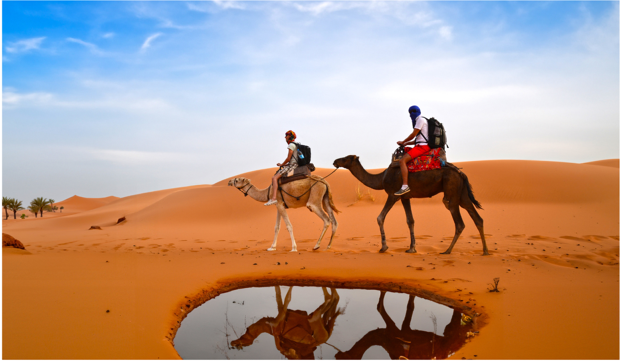
You’re curled up on your couch, a warm mug in hand, as you’re transported to the bustling streets of Tokyo, the tranquil canals of Venice, or the awe-inspiring fjords of Norway—all without leaving your living room. But here’s the twist: instead of just being a spectator, you’re the one guiding others on this journey, sharing stories, culture, and experiences from around the globe. Welcome to the exciting frontier of virtual travel experiences, where you can turn wanderlust into a thriving business.
Here’s the best part: you don’t need to be a globe-trotter with a passport full of stamps. Whether you’re showcasing the charm of your local town, sharing cultural traditions, or taking audiences on a deep dive into history, you can create and sell virtual travel experiences from anywhere.
Maybe you’re a passionate traveler eager to share your adventures. Or perhaps you’re a creative entrepreneur searching for a side hustle that blends passion with profit. Either way, this guide will give you the exact tools and strategies to bring your vision to life. From brainstorming unique ideas to marketing your experiences, you’ll discover how to turn everyday moments into something extraordinary that people will pay to see.
“The world is a book, and those who do not travel read only one page.” — Saint Augustine
Ready to start crafting unforgettable journeys for an eager audience? Let’s dive in!
TL;DR
- Virtual travel experiences are interactive online activities showcasing destinations or cultures, delivered via platforms like Zoom or YouTube.
- You don’t need to be a world traveler to start—local gems and personal expertise are just as valuable.
- Tools like Zoom, Canva, and OBS Studio help you create polished, engaging experiences.
- Profiting involves platforms like Airbnb Experiences, social media marketing, and offering unique, niche-focused tours.
- Avoid mistakes like underestimating tech issues, ignoring audience engagement, or failing to market effectively.
Step-by-Step Guide to Creating Virtual Travel Experiences
Virtual travel experiences are much more than just logging onto a Zoom call or flipping through a slideshow of vacation photos. They’re about creating a vivid, engaging, and interactive journey that allows participants to connect with destinations, cultures, or activities in real-time. Whether you’re guiding a virtual hike or teaching a cooking class, here’s how to create unforgettable experiences that people will love—and pay for.
Understand What Virtual Travel Experiences Are
At their core, virtual travel experiences are about immersing your audience in a destination or cultural activity without them ever leaving their homes. The goal is to make participants feel like they’re truly there, engaging their senses and curiosity.
Here’s how to go beyond the basics and create something magical:
Examples of Virtual Travel Experiences:
- Live Walking Tours: Take participants on a real-time stroll through your city’s historic streets, explaining landmarks and sharing local stories. Use tools like a stabilizing gimbal for smooth video footage.
- Cultural Cooking Classes: Teach participants how to prepare an authentic dish while sharing the history and traditions behind it. For example, host a class on making Neapolitan pizza while explaining its origins in Naples.
- Virtual Safaris: Collaborate with wildlife reserves to stream live footage of animals in their natural habitats. Combine this with educational commentary about the ecosystem.
- History and Legends: Share untold stories about famous landmarks or historical events. For instance, a deep dive into the myths surrounding Stonehenge or an insider’s look at the Colosseum in Rome.
The Key to Success: Engagement
Virtual travel isn’t a one-sided presentation; it’s a conversation. People crave interaction and immersion. Here’s what you can do to keep your audience hooked:
- Q&A Sessions: Allow participants to ask questions in real-time.
- Storytelling: Weave captivating stories about your destination or activity.
- Interactive Activities: Include quizzes, polls, or challenges (e.g., “Guess this landmark” or “Identify this dish”).
- Behind-the-Scenes Moments: Show unique, off-the-beaten-path aspects of a location or process.
Find Your Niche
To stand out in a growing industry, you need to focus on a specific niche. Your niche doesn’t have to be exotic—it just needs to be unique and authentic.
How to Identify Your Niche
- Local Attractions: What makes your town or area special? Highlight hidden gems, local legends, or quirky traditions. For example, showcase a lesser-known art district or a haunted historic site.
- Cultural Uniqueness: Do you come from a culture with fascinating traditions, crafts, or festivals? Teach a class on traditional dance or demonstrate how to create intricate handicrafts.
- Hobbies and Interests: Passionate about hiking, photography, or architecture? Create a virtual hike with scenic views, a photography tutorial featuring iconic spots, or a tour of famous architectural landmarks.
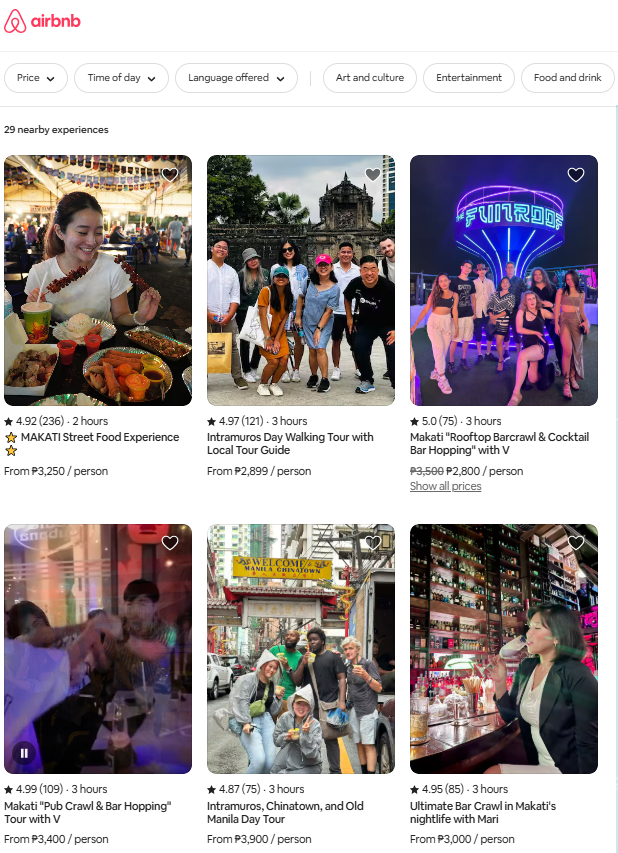
Pro Tip: Research platforms like Airbnb Experiences, YouTube, or Eventbrite to see what’s trending. Identify gaps in the market and tailor your experience to fill them. For example, if there are many virtual wine tastings but few focusing on South American wines, you’ve found an opportunity.
To help you reflect on whether starting this kind of business aligns with your personality and goals, check out this thought-provoking video: “Who Should Start A Business | kind of disturbing”, asks tough but necessary questions about what it takes to succeed as an entrepreneur. It’s a great reminder that while starting a virtual travel business can be exciting and rewarding, it also requires passion, commitment, and the willingness to step out of your comfort zone.
For More Free Videos, Subscribe to the Rhodes Brothers YouTube Channel.
Once you’ve reflected on your readiness, think carefully about what makes your offering unique. Are you particularly knowledgeable about your city’s hidden gems? Do you have cultural expertise or a hobby you love sharing? Pinpointing your niche is the first step to building a business that resonates with your audience.
Get the Right Tools
You don’t need a professional studio to create high-quality virtual experiences, but having the right tools can significantly elevate the experience for your audience.
Essential Tools for Virtual Travel Experiences
- Zoom or Google Meet: Perfect for hosting live, interactive sessions.
- OBS Studio: A free, powerful tool for live streaming and screen sharing. Use it to seamlessly transition between slides, videos, or live footage.
- Canva: Create stunning visuals, slides, and promotional materials to enhance your presentation.
- Microphone and Camera: Invest in a mid-range microphone and webcam for clear audio and visuals. For outdoor tours, a smartphone with a gimbal stabilizer works wonders.
- Ring Light: Use this for professional lighting, especially for indoor sessions.
Optional Add-ons for Advanced Experiences
- 360-Degree Cameras: Offer an immersive experience by capturing panoramic views of your destination.
- Drones: Add breathtaking aerial footage to your tours, ideal for outdoor adventures or showcasing landscapes.
- Green Screen: Transport participants to different locations by using virtual backgrounds during your session.
Example Setup: For a cultural cooking class, combine a high-quality microphone for clear instructions, a tripod-mounted camera for overhead shots of your cooking, and Canva for recipe handouts or slides about the dish’s history.
Plan Your Virtual Experience
A successful virtual experience requires thoughtful planning and structure. Think of it like writing a script for a play—you want every moment to be engaging and purposeful.
How to Plan Your Experience
- Outline the Experience: Break it into clear sections, such as an introduction, the main activity, and a Q&A session.
- Engage Your Audience: Incorporate interactive elements like polls or quizzes to keep participants involved.
- Tell Stories: Facts are great, but stories create emotional connections. For instance, instead of listing facts about a historic castle, share an anecdote about a royal scandal that took place there.
- Practice, Practice, Practice: Test your tech setup, rehearse your script, and anticipate potential questions from your audience.
Example Structure for a 1-Hour Virtual Tour
- 5 Minutes: Introduce yourself, the experience, and what participants can expect.
- 20 Minutes: Main tour or activity. For example, a live walk through a historic district or a hands-on cooking demo.
- 10 Minutes: Share interesting stories, cultural insights, or behind-the-scenes details.
- 15 Minutes: Live Q&A or interactive activity (e.g., a trivia game about the destination).
- 10 Minutes: Wrap-up, provide resources (e.g., a recipe guide or travel tips), and promote your next experience.
Monetize Your Experience
Now that you’ve created an amazing virtual experience, it’s time to turn it into a profitable venture.
Platforms to Sell Your Experiences
- Airbnb Experiences: One of the most popular platforms for unique virtual tours.
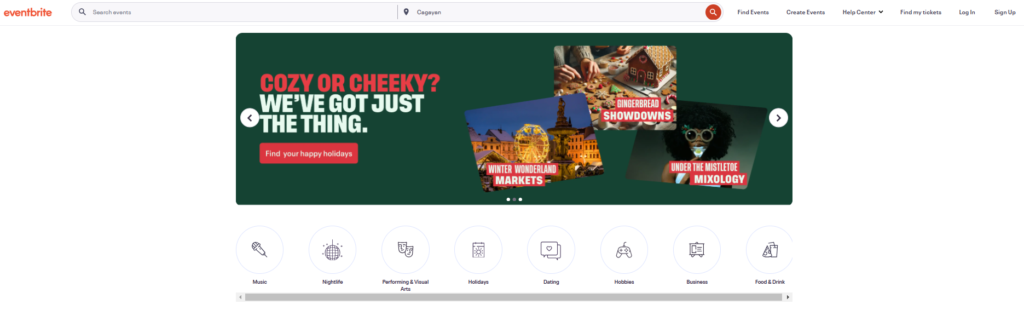
- Eventbrite: Ideal for ticketed online events.
- Patreon: Offer exclusive content to paying subscribers, such as bonus tours or behind-the-scenes footage.
- YouTube: Post free content to build an audience, then monetize through ads, sponsorships, or memberships.
Pricing Tips
- Research what similar experiences are charging and price competitively.
- Offer tiered pricing: For example, $15 for a group experience, $30 for a private tour, and $50 for a personalized session.
- Bundle services: Pair your virtual tour with downloadable content, like a recipe ebook or travel guide.
Marketing Strategies
- Social Media: Use Instagram Reels, TikTok, and Facebook to share behind-the-scenes clips or testimonials from participants.
- Email Marketing: Build a mailing list and send updates about new tours or special promotions.
- Collaborations: Partner with travel bloggers, influencers, or other creators to promote your experience.
Tools to Enhance Your Experience
Make your virtual experience stand out with tools that add a professional and interactive touch:
- Google Earth Pro: Show detailed maps or 3D views of the destinations you’re covering.
- Streamlabs: Add overlays, transitions, and effects to your live streams for a polished look.
- Canva Pro: Design branded visuals, slides, or handouts to enrich your presentation.
- Ecamm Live: A premium live streaming tool with advanced features like split screens and real-time audience interaction.
By combining these strategies, tools, and a unique personal touch, you’ll be well on your way to creating virtual travel experiences that captivate your audience and keep them coming back for more. Whether you’re guiding a virtual trek through the mountains or hosting a cultural deep dive, the possibilities are endless—and the market is hungry for authentic, engaging experiences.
Actionable Steps to Create and Sell Virtual Travel Experiences
Creating and selling virtual travel experiences can seem daunting at first, but by breaking it into clear, actionable steps, anyone can do it. The first step is to identify your audience and tailor your experience to their needs.
For example, if you’re targeting beginners or families, focus on easy-to-follow, fun experiences like a kid-friendly virtual tour of a zoo or a simple cultural cooking class with a dish like crepes.
For more experienced travelers or enthusiasts, dive deeper into niche topics such as a virtual hiking tour with insider tips or an architectural exploration of Gaudi’s work in Barcelona.
If your audience is corporate or professional groups, consider offering polished, interactive experiences like virtual wine tastings or cultural immersion workshops tailored for team-building. Understanding your audience not only determines your content but also shapes the tone and format of your sessions.
Next, choosing a niche is critical to standing out. Your niche doesn’t need to be exotic or far-reaching; it just needs to be unique and authentic. Focus on what you know best or are passionate about. Highlight local gems in your area, such as hidden art districts or historic landmarks, or share your culture’s unique traditions, crafts, or festivals.
If you’re passionate about hobbies like hiking, photography, or food, use those interests to create experiences that resonate with specific audiences. Research platforms like Airbnb Experiences or YouTube to identify trends and gaps in the market. For instance, if you notice a lack of experiences focusing on South American wines, that’s your opportunity to shine.
Once your niche is clear, start building your experience with engagement in mind. A successful virtual experience is more than a presentation—it’s an interactive journey.
Begin by outlining your session into clear sections, such as a 5-minute introduction, 20-30 minutes of your main content, a 10-15 minute interactive Q&A, and a wrap-up. Incorporate multimedia elements like videos, maps, or slides to make your content visually engaging, and always prioritize storytelling.
For example, instead of just explaining the Eiffel Tower, share the story of Gustave Eiffel’s secret apartment at the top. Engagement is key, so include activities like trivia, polls, or challenges to make your session feel interactive and fun. Address participants by name or acknowledge their comments to build a personal connection.
Polishing your setup is another important step. High-quality visuals and clear audio can make or break the experience. Invest in a good USB microphone, a webcam or smartphone with a tripod, and a ring light for professional lighting.
If you’re hosting live walking tours, a gimbal stabilizer can help keep your footage smooth. Use tools like OBS Studio for seamless streaming, Google Earth Pro for interactive maps, and Canva Pro for designing branded visuals or handouts. These tools elevate the quality of your session and help create a polished, memorable experience.
With your experience ready, it’s time to monetize. Start by determining your pricing. Research competitors to set a competitive rate and consider offering tiered pricing. For instance, you could charge $15-20 per person for a group session, $50 for a private tour, or bundle services like a cooking class with a downloadable recipe guide.
Platforms like Airbnb Experiences and Eventbrite are great for reaching global audiences, while Patreon allows you to offer exclusive subscription-based content. Don’t forget to market your experience effectively. Use social media platforms like Instagram and TikTok to share clips and testimonials, build an email list to send updates and discounts, and collaborate with travel influencers or bloggers to expand your reach.
Finally, practice and perfect your delivery. Rehearse your session with friends or family to get feedback on your timing, content, and overall flow. Test your tech setup, including your internet connection, audio, and video quality, and have backup plans for potential issues.
After hosting your first few sessions, gather feedback from participants to refine and improve your experience. Once you’ve established a loyal audience, consider expanding your offerings. For example, create a themed series of experiences like “Hidden Gems of Asia” or “European Capitals,” offer downloadable guides as add-ons, or host private events for corporate teams or families.
By following these steps, you can create virtual travel experiences that captivate audiences and generate a steady income. Whether you’re showcasing local hidden gems, diving into cultural traditions, or guiding an adventure through breathtaking landscapes, your passion and creativity can make every session unique, memorable, and profitable.
Common Mistakes to Avoid When Creating and Selling Virtual Travel Experiences
Even with the best intentions, it’s easy to stumble into avoidable mistakes when creating and selling virtual travel experiences. The good news? Each pitfall comes with a simple fix. Here are some of the most common mistakes and how to sidestep them:
Neglecting Tech Prep for Virtual Travel Experiences
A smooth technical setup is the backbone of a successful virtual travel experience, but many creators underestimate its importance.
- Mistake: Live streams cutting out, blurry videos, or poor audio quality can ruin the session.
- Solution: Test your setup thoroughly before going live. Check your internet connection, camera, microphone, and lighting. Always have a backup internet option, like a mobile hotspot, in case of connectivity issues.
Overloading on Information During Virtual Travel Experiences
It’s tempting to share everything you know about your destination or topic, but too much information can overwhelm your audience.
- Mistake: Bombarding participants with excessive facts or details.
- Solution: Focus on storytelling and key highlights. Aim to immerse your audience with memorable anecdotes or visuals instead of a lecture. Remember, engagement is more impactful than information overload.
Ignoring Audience Engagement in Virtual Travel Experiences
Virtual experiences thrive on interaction, yet some hosts treat them as one-sided presentations.
- Mistake: Failing to involve your audience and treating the session like a lecture.
- Solution: Make engagement a priority. Use polls, live Q&A sessions, or even lighthearted humor to keep participants involved. Address attendees by name and encourage them to share their thoughts or questions.
Underestimating Marketing for Virtual Travel Experiences
Even the most unique virtual travel experience won’t succeed if no one knows about it.
- Mistake: Assuming people will naturally find your experience without active promotion.
- Solution: Dedicate time to marketing your experience. Utilize social media platforms like Instagram or TikTok, partner with travel influencers, and build an email list to keep your audience informed about upcoming events. Visibility is key to attracting participants.
By staying mindful of these common pitfalls, you’ll be able to create and sell virtual travel experiences that are engaging, professional, and profitable.
Frequently Asked Questions
How do I get started with virtual travel experiences?
Start by identifying your niche, planning an engaging experience, and testing your tech setup. Platforms like Airbnb Experiences are beginner-friendly.
Do I need to travel internationally to create these experiences?
Not at all! You can create amazing experiences showcasing your local area, culture, or skills.
How much can I earn?
Income varies, but many hosts on Airbnb Experiences earn between $500–$5,000 per month, depending on demand and marketing.
Can I do this part-time?
Yes! Many creators run virtual tours as a side hustle with just a few hours per week.
What if I’m not tech-savvy?
Start small with beginner-friendly tools like Zoom and Canva. Over time, you can learn advanced tools to enhance your sessions.
How do I promote my experience?
Focus on social media, collaborations, and email marketing. Leverage platforms like Instagram and TikTok for short, engaging promos.
Are virtual travel experiences still popular post-pandemic?
Absolutely! Virtual travel remains a growing industry, catering to people who can’t travel due to budget, health, or time constraints.
What makes a virtual tour successful?
Engagement, storytelling, and high-quality visuals are key. Tailor your experience to your audience’s interests.
Can I offer group discounts?
Yes! Many hosts offer discounted rates for larger groups or corporate events.
How do I handle tech issues during live sessions?
Always have a backup plan—like pre-recorded content or a co-host to assist with troubleshooting.
Turn Your Passion Into Profit
Creating and selling virtual travel experiences is an exciting way to share your passion for travel, culture, and storytelling while building a profitable business. By choosing a niche, engaging your audience, investing in the right tools, and avoiding common mistakes, you can craft experiences that captivate participants and keep them coming back for more.
The virtual travel market is growing rapidly, and there’s no better time to step in and carve out your space. Whether you’re teaching a cultural cooking class, guiding participants through historic landmarks, or showcasing hidden gems in your hometown, the possibilities are endless.
So, why wait? Start brainstorming your ideas today, and take the first step toward creating unforgettable experiences. And as you embark on this journey, remember to stay passionate, creative, and authentic—it’s what will truly set your experiences apart.
Thank you for exploring this guide on how to create and sell virtual travel experiences! If you’re ready for even more tips and inspiration, be sure to check out and subscribe to the Rhodes Brothers YouTube Channel for the latest videos and insights to help you succeed.
Resource List
Here’s a comprehensive list of tools, platforms, and learning resources to help you create, market, and sell your virtual travel experiences:
Tools for Hosting and Streaming
- Zoom: For hosting live, interactive sessions with participants.
- Google Meet: A free and reliable alternative for live sessions.
- OBS Studio: A free, open-source tool for live streaming, screen sharing, and adding overlays.
- Streamlabs: Perfect for enhancing live streams with effects, transitions, and chat overlays.
- Ecamm Live: Premium software for professional-quality live streaming.
Tools for Visuals and Design
- Canva Pro: Create stunning visuals, handouts, and branded presentations for your sessions.
- Google Earth Pro: Show interactive maps or 3D views of destinations to enhance your experience.
- Adobe Premiere Pro: For editing pre-recorded videos or creating polished promotional clips.
- Gimbal Stabilizer: Smooth video footage for live walking tours.
Equipment Recommendations
- Blue Yeti Microphone: Affordable and high-quality audio for virtual experiences.
- Logitech StreamCam: A great webcam for clear video quality.
- Ring Light: For professional-looking lighting during indoor sessions.
- DJI Drone: Adds a wow factor with aerial footage for outdoor adventures.
- GoPro Camera: Perfect for immersive, action-packed experiences.
Platforms to Sell Your Experiences
- Airbnb Experiences: A trusted platform for selling unique virtual tours to a global audience.
- Eventbrite: Great for ticketed online events and workshops.
- Patreon: Offer exclusive, subscription-based content to loyal fans.
- YouTube: Build an audience with free content and monetize through ads, sponsorships, or memberships.
- Ko-fi: Allow your audience to support your work with small donations or paid experiences.
Marketing and Promotion Tools
- Mailchimp: For email marketing campaigns to promote your sessions.
- Later: Schedule and manage posts on social media platforms like Instagram, TikTok, and Facebook.
- Hootsuite: Track and plan social media campaigns to expand your reach.
- Canva Social Templates: For creating eye-catching promotional graphics.
Learning Resources
- “The Storyteller’s Secret” by Carmine Gallo: Learn how to use storytelling to captivate audiences.
- “Building a StoryBrand” by Donald Miller: Perfect for crafting a compelling brand around your virtual travel experiences.
- YouTube Creator Academy: Free courses on building and monetizing your YouTube channel.
- Skillshare: Courses on live streaming, video editing, and presentation skills.
Other Helpful Tools
- Google Analytics: Track the performance of your website or marketing campaigns.
- Trello: Organize your content creation process and plan your virtual sessions.
- Planoly: Streamline Instagram content planning and scheduling.
- Restream.io: Broadcast your experience live across multiple platforms simultaneously.
Virtual Travel Experience Cheat Sheet
- Choose a niche: Focus on local attractions, unique cultures, or personal hobbies.
- Invest in tools: Use Zoom, OBS Studio, Canva, and quality audio/video equipment.
- Engage your audience: Incorporate live Q&A, polls, or storytelling.
- Monetize effectively: Use platforms like Airbnb Experiences or Patreon.
- Promote wisely: Leverage social media, email newsletters, and influencer partnerships.
- Avoid common mistakes: Test your tech, market consistently, and prioritize engagement.
- Research trends: Stay updated on what’s popular in the virtual travel space.
- Use resources: Tools like Google Earth and Canva Pro enhance your sessions.
- Keep it short and sweet: Plan your experience with a clear structure.
- Practice makes perfect: Rehearse to avoid hiccups during live events.