
For More Free Videos, Subscribe to the Rhodes Brothers YouTube Channel.
“Motivation isn’t some mysterious force. It’s built one small action at a time.”– John S. Rhodes, Rhodes Brothers YouTube Channel

Do you ever find yourself caught in a fog of inaction, where even the simplest task feels insurmountable? Maybe you’re slumped in your chair, mindlessly refreshing your phone, or staring at a long to-do list that mocks you with its endless demands. It’s that frustrating, all-too-familiar state where everything feels heavy, and nothing seems to matter.
But here’s the truth: you’re not stuck—you’re just waiting for the right spark. And the best part? That spark is something you can create, starting right now.
In this post, you’ll discover how to get motivated to work, step by step. Using actionable strategies, relatable examples, and insights inspired by the Rhodes Brothers’ approach, we’ll break down exactly how you can go from feeling stuck to creating unstoppable momentum. Whether you’re dealing with a slump or just need some extra inspiration, these strategies will help you take charge of your productivity.
In the words of John S. Rhodes: “The smallest, itty-bitty, tiny step is the key to everything.” This mantra will guide us as we explore how to build motivation from the ground up. By the end of this post, you’ll have a clear, practical roadmap to not only get started but also stay consistent in your efforts. Let’s dive in!
TL;DR
- Start Small: Straighten your posture, take a deep breath, or stand up—micro-actions can spark momentum.
- Shift Your Thinking: Focus on one positive, forward-moving thought to reframe your mindset.
- Take Action: Even a small step like sending a text or jotting down an idea counts. Action triggers more action.
- Create for Others: Think about how your efforts can benefit someone else.
- Avoid Common Pitfalls: Don’t wait for motivation to strike—it follows action, not the other way around.
- Use Tools and Techniques: Leverage resources like productivity apps, timers, and gratitude exercises to stay on track.
Step-by-Step Guide: How to Get Motivated to Work
Motivation doesn’t have to feel like a burst of energy that comes out of nowhere—it’s something you can build intentionally. When you’re stuck in a rut, the key is to start small, shift your thinking, and create momentum through purposeful actions. Below, we’ll walk through practical, proven strategies to help you get motivated to work, even when it feels impossible.
Start with Micro-Actions
When you’re feeling unmotivated, even thinking about tackling a big project can feel like climbing Mount Everest. The trick? Don’t focus on the entire climb—just take the smallest possible step forward. As John S. Rhodes shared in his video, his first step out of a slump was simply straightening his spine. That one tiny movement set off a chain reaction, turning inertia into momentum.
Try This:
- Adjust Your Posture: Sit up straight, roll your shoulders back, and take a deep, calming breath.
- Stand Up and Move: Walk to another room, grab a glass of water, or stretch for 30 seconds.
- Write a Micro-Task: List one small, achievable task you can complete in five minutes, like replying to an email or organizing a single folder.
Why This Works:
Research from Stanford University shows that small, manageable actions reduce feelings of overwhelm by signaling progress to your brain. The satisfaction of completing even one minor task triggers dopamine, your brain’s reward chemical, which motivates you to keep going.
Tools to Help You Start Small:
- Habitica: Gamify your tasks by earning points for completing micro-actions.
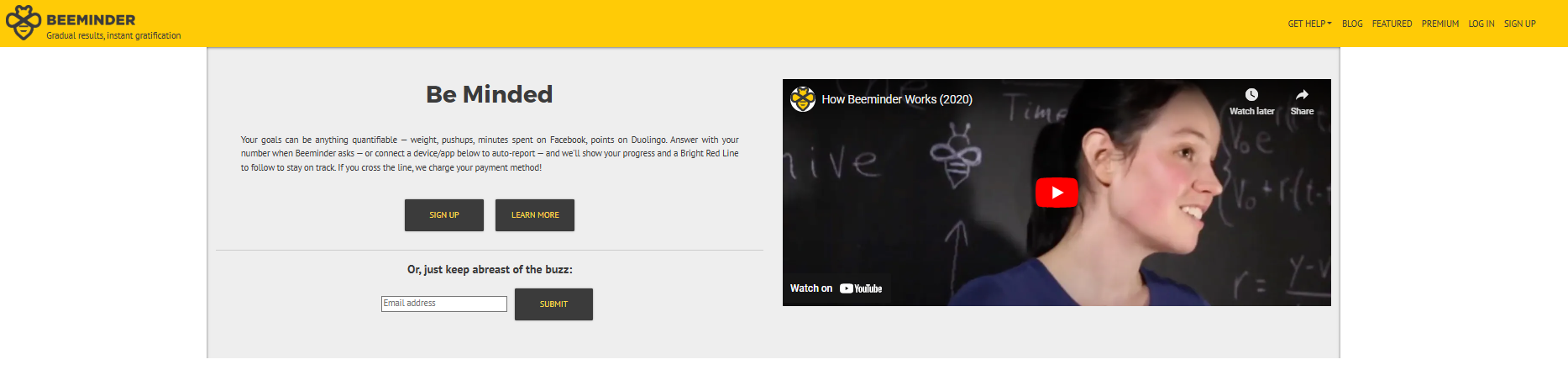
- Beeminder: Set small goals, track progress, and hold yourself accountable by risking a small financial penalty if you don’t follow through.
Reframe Your Mindset with Positive Thoughts
Motivation often starts in your mind. When you’re stuck, it’s easy to spiral into negativity, creating mental blocks that make progress feel impossible. Instead, shift your focus to positive, forward-thinking thoughts. Rhodes suggests starting with something simple, like appreciating that you’re alive, recalling a loved one, or visualizing the satisfaction of completing a task.
Practical Tips:
- Reflect on a Recent Success: Think about a time you overcame a challenge or finished a task. Remind yourself that you’ve done it before and can do it again.
- Practice Gratitude: Write down three things you’re thankful for—big or small. Gratitude shifts your focus from what’s wrong to what’s right.
- Visualize the Outcome: Imagine how great it will feel to check that task off your list.
“Whether you think you can, or think you can’t—you’re right.”
—Henry Ford
Pro Tip:
Use tools like the Five-Minute Journal App to turn gratitude and positive thinking into a daily habit. It encourages you to start and end your day with reflection, helping you build a more motivated mindset over time.
Take Action—Any Action
If you’re stuck, the solution isn’t to think harder—it’s to do something. As Rhodes puts it, “If I’m going to stand up, I might as well do something useful.” Action breaks inertia, even if it’s the smallest step forward. The key? Don’t overthink it—just start.
Actionable Steps:
- Knock Out a Quick Task: Send a short email, make your bed, or organize your desk. You’ll feel accomplished, even with minimal effort.
- Use the Two-Minute Rule: If something takes two minutes or less, do it immediately.
- Break Big Tasks into Smaller Ones: Feeling overwhelmed? Divide your project into bite-sized pieces and tackle one at a time.
Tool Spotlight: The Pomodoro Technique
The Pomodoro Technique is a powerful way to get started. Here’s how it works:
- Set a timer for 25 minutes and focus on a single task.
- Take a 5-minute break after the timer buzzes.
- Repeat this cycle up to four times, then take a longer 15-30 minute break.
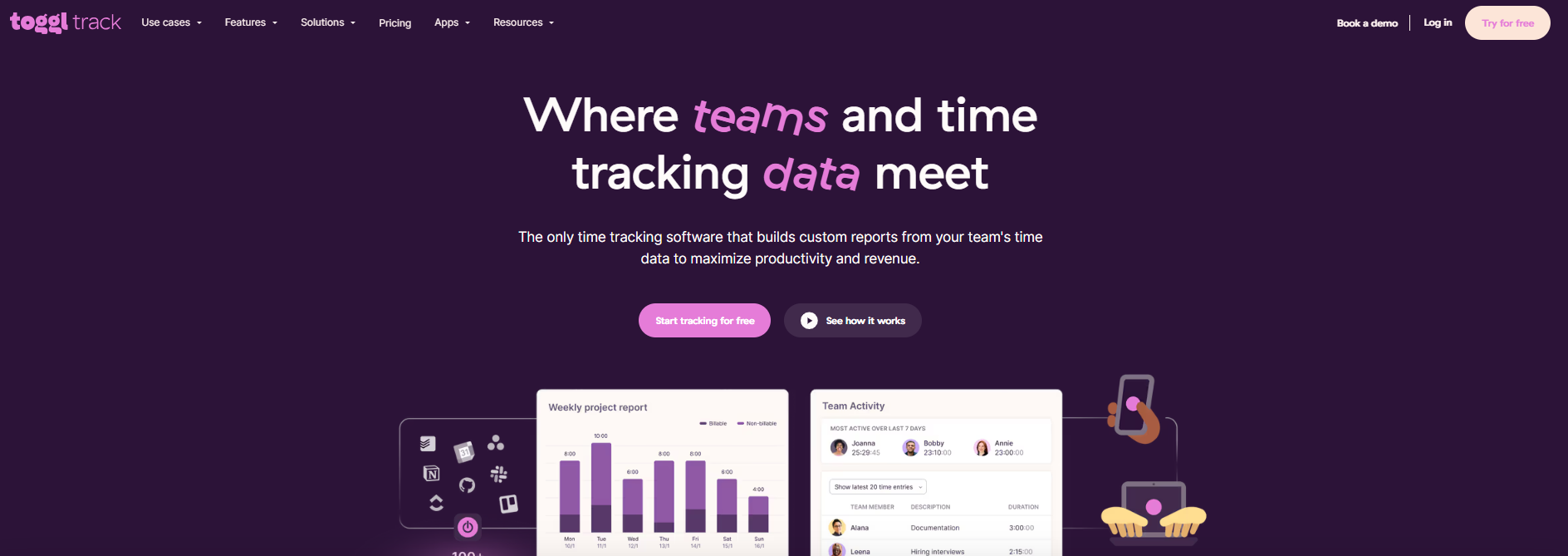
Apps like Focus Booster and Toggl Track make implementing this technique simple, helping you manage your time and build momentum.
Create with Purpose
One of the most powerful motivators is knowing your work has meaning. As Rhodes explains, when he focused on creating something valuable for others—rather than just himself—he found the energy to move forward. Shifting your perspective outward can replace resistance with a sense of purpose.
Ways to Apply This:
- Think about how your efforts can help someone else: a colleague, client, or loved one.
- Share your progress with someone who might benefit from your insights or work.
- Dedicate your efforts to someone who inspires you, like a mentor or family member.
Real-Life Example:
Imagine you’re writing a report for work. Instead of focusing on the task itself, think about how it could help your team make better decisions. Or, if you’re creating content, picture how your audience might benefit from your insights and ideas.
Pro Tip: Keep your “why” visible by writing it down on a sticky note and placing it somewhere you can see it while you work.
Leverage Tools and Resources
Sometimes, all you need to reignite your productivity is the right tool. Whether it’s an app, a book, or a podcast, these resources can provide structure, inspiration, and accountability to keep you motivated.
Recommended Tools:
- Todoist: Streamline your tasks with an easy-to-use to-do list app.
- Forest: Stay focused by “planting” a virtual tree that grows as you work distraction-free.
- Calm or Headspace: Reset your mind with guided meditations designed to reduce stress and improve focus.
Books Worth Reading:
- Atomic Habits by James Clear: Learn how small habits lead to big, lasting changes.
- Deep Work by Cal Newport: Master strategies for distraction-free productivity.
- The War of Art by Steven Pressfield: Overcome resistance and unleash your creative potential.
Inspirational Podcasts:
- The Mindset Mentor: Daily episodes to help you shift your perspective and stay motivated.
- The Tim Ferriss Show: Learn productivity tips from high-performing guests.
Quick Wins for Your Mind and Body
Motivation doesn’t just live in your head—it’s also tied to your physical state. When your body feels good, your mind follows. Incorporating quick, energizing habits into your day can supercharge your productivity.
Quick Wins to Try Today:
- Move Your Body: Take a brisk 5-minute walk, do a quick yoga flow, or stretch at your desk. Movement boosts blood flow and releases endorphins, improving both mood and focus.
- Hydrate: Dehydration, even mild, can cause fatigue. Keep a water bottle nearby and sip throughout the day.
- Eat a Healthy Snack: Fuel your brain with a handful of nuts, a piece of fruit, or dark chocolate.
Tools for Physical Energy:
- Standing Desk Converters: Alternate between sitting and standing to reduce fatigue.
- Yoga with Adriene (YouTube): Free yoga sessions for every level, perfect for quick work breaks.
- Hydro Flask: Keep water cool and accessible throughout your workday.
By implementing these strategies, tools, and quick wins, you’ll transform the way you approach work—even on the toughest days. Remember, motivation doesn’t have to be elusive. It’s something you can create, one small step at a time.
Actionable Steps to Get Motivated to Work
Building motivation is not a one-size-fits-all process. Depending on your experience level, personality, and circumstances, you may need different approaches. Below, we’ll break down practical, step-by-step strategies tailored to different demographics and needs, ensuring that you can find the right tools and techniques to spark your drive.
For Beginners: Just Starting Out
If you’re new to tackling big goals or you’re struggling to stay on track with work, simplicity is key. The most important thing is to start small and build confidence over time.
Step-by-Step Strategy:
- Set One Clear, Measurable Goal: Write down what you want to accomplish today. Be specific, e.g., “Write 300 words of my report,” instead of vague goals like “be productive.”
- Break It Down: Take your task and divide it into smaller steps. If you need to write 300 words, start with brainstorming 3-5 bullet points or writing the first sentence.
- Use the Two-Minute Rule: Commit to working for just two minutes. Chances are, once you start, you’ll keep going.
- Reward Yourself Immediately: After completing a small task, reward yourself with something you enjoy—a cup of coffee, stretching, or listening to a favorite song.
- Track Progress Visually: Use a simple habit tracker app like Streaks or cross tasks off a checklist to see your progress.
Pro Tips for Beginners:
- Leverage the Forest App to stay focused—each task helps you “grow” a virtual tree, turning productivity into a fun, visual experience.
- Celebrate small wins. Motivation grows when you recognize and reward your efforts, no matter how small they seem.
For Millennials: Balancing Busy Lifestyles
Millennials often juggle multiple responsibilities, from demanding jobs to personal goals and side hustles. Here’s how to maintain motivation while managing a packed schedule.
Step-by-Step Strategy:
- Prioritize Your Energy, Not Just Your Time: Use tools like the Eisenhower Matrix to categorize tasks by urgency and importance. Focus on high-impact tasks first when your energy is at its peak.
- Batch Similar Tasks: Group related activities (e.g., replying to emails, making phone calls) and handle them all at once to save mental energy.
- Design an Inspiring Workspace: Set up a clutter-free, aesthetically pleasing workspace that motivates you to sit down and work. Add plants, motivational quotes, or calming lighting.
- Leverage Technology: Use a productivity tool like Notion to organize your projects, track deadlines, and create workflows.
- Schedule Breaks: Use the Pomodoro Technique (25 minutes of work followed by a 5-minute break). Apps like Focus Booster or Tide can help you stick to this routine.
Pro Tips for Millennials:
- Listen to productivity podcasts like The Mindset Mentor to stay inspired during commutes or downtime.
- Try “habit stacking” from Atomic Habits by James Clear: Pair a new habit (e.g., starting work) with an existing one (e.g., drinking your morning coffee).
For Professionals Nearing Retirement: Finding Purpose in Work
For professionals who are nearing retirement, staying motivated often means finding purpose and aligning work with personal values. Here’s how to keep that spark alive.
Step-by-Step Strategy:
- Reconnect with Your Why: Spend time reflecting on why your work matters. Is it about leaving a legacy, mentoring others, or achieving personal fulfillment? Write this down and keep it visible.
- Focus on Legacy Projects: Choose tasks that align with your long-term goals, such as mentoring younger colleagues, creating resources for your team, or finishing a project that you’re passionate about.
- Simplify Your Workload: Identify tasks that can be delegated or minimized. Focus on meaningful, high-impact activities instead.
- Incorporate Wellness Routines: Stay energized by integrating regular movement, mindfulness practices, and healthy eating into your day. Apps like Calm and Daily Yoga can help.
- Celebrate Achievements: Reflect on your accomplishments regularly. Use a journal or app like Day One to document milestones and moments of pride.
Pro Tips for Professionals Nearing Retirement:
- Consider joining or leading a mastermind group to share knowledge, exchange ideas, and stay engaged.
- Explore passion projects outside of work to maintain balance and excitement for the future.
For Students: Managing Motivation Amid Deadlines
Students often face fluctuating schedules and competing priorities, which can make staying motivated a challenge. Here’s how students can stay focused and productive.
Step-by-Step Strategy:
- Set Specific Study Goals: Instead of saying “study chemistry,” break it down into specific objectives like “review Chapter 3 notes” or “complete 10 practice questions.”
- Use Study Blocks: Adopt the Pomodoro Technique to focus for short periods and prevent burnout.
- Create a Study Ritual: Build a routine that signals it’s time to work—light a candle, put on instrumental music, and set up your materials.
- Eliminate Distractions: Use apps like Cold Turkey or Freedom to block social media and other distractions while you study.
- Review and Reflect: At the end of each study session, write down what you accomplished. Seeing your progress can motivate you to keep going.
Pro Tips for Students:
- Use platforms like Quizlet to turn studying into an interactive game.
- Partner with an accountability buddy to keep each other on track with deadlines and goals.
For Creatives: Overcoming Resistance
Creative professionals often struggle with resistance and procrastination, especially when their work requires originality and emotional investment. Here’s how to push through and stay motivated.
Step-by-Step Strategy:
- Start with Play: Begin with low-pressure, enjoyable activities to get into the flow. If you’re a writer, free-write for 10 minutes. If you’re an artist, doodle without judgment.
- Set Time, Not Outcome Goals: Instead of aiming to “write 1,000 words” or “finish a painting,” commit to working for 30 minutes. This removes the pressure and lets creativity flow.
- Create a Mood Board or Vision Map: Use tools like Pinterest or a physical board to visualize your project goals and gather inspiration.
- Work in Layers: Break your project into stages—draft, refine, polish—so you’re not overwhelmed by perfectionism.
- Seek Fresh Perspectives: Take breaks to reset your mindset. Go for a walk, explore new environments, or listen to thought-provoking podcasts.
Pro Tips for Creatives:
- Use apps like Milanote to organize your creative ideas visually.
- Read The War of Art by Steven Pressfield to learn how to overcome resistance and create anyway.
For Busy Parents: Juggling Work and Family
Parents juggling work and family responsibilities often struggle to carve out time for focus. Here’s how to stay motivated and productive amidst chaos.
Step-by-Step Strategy:
- Time Block Your Day: Divide your day into blocks for work, family, and personal time. Apps like Google Calendar or TimeBloc can help you schedule efficiently.
- Set One Daily Priority: Choose one key task to focus on each day so you’re not overwhelmed.
- Work in Sprints: Fit focused work into short, intense bursts during naptime, school hours, or early mornings.
- Communicate Boundaries: Let family members know your work schedule and ask for support in creating uninterrupted time.
- Practice Self-Care: Recharge your energy with quick self-care routines, like 10 minutes of meditation or a short workout.
Pro Tips for Parents:
- Use tools like Trello to organize family and work tasks in one place.
- Delegate household chores to other family members or use services like grocery delivery to free up time.
By tailoring these strategies to your unique needs, you can create a personalized approach to motivation that works for you. Whether you’re managing a busy life, diving into creative work, or just starting to build better habits, these steps provide the structure and tools to help you take action—one step at a time.
Common Mistakes to Avoid: How to Stay Motivated to Work
One of the most common mistakes people make when trying to stay motivated is waiting for motivation to strike. Many believe they need to feel energized or inspired before starting, but the truth is that action creates motivation, not the other way around.
Instead of waiting for the “perfect moment,” start with a small, manageable task—something as simple as writing one sentence or organizing a single item. This builds momentum, making it easier to keep going. Another frequent pitfall is overloading your to-do list. Packing your day with too many tasks can lead to overwhelm and paralysis. To avoid this, focus on 1-3 key priorities each day and break larger tasks into smaller, actionable steps. Celebrate these small wins to reinforce a sense of progress and accomplishment.
Perfectionism is another major roadblock that often drains energy and stalls progress. Spending too much time tweaking small details or avoiding tasks out of fear they won’t turn out perfectly can lead to procrastination. To combat this, adopt a “good enough” mindset—focus on completing the task first and refining it later if needed.
Burnout is also a common issue, especially when people ignore the signs of mental and physical exhaustion. Pushing through fatigue without taking breaks leads to diminished productivity and motivation. Scheduling short breaks, practicing self-care, and incorporating mindfulness can help restore energy and focus.
A distracting work environment can also sap motivation. Cluttered spaces, constant notifications, and background noise make it difficult to concentrate. To tackle this, create a clean, distraction-free workspace and use tools like website blockers or noise-canceling headphones to stay focused.
Similarly, comparing yourself to others often leads to frustration and self-doubt. Instead of measuring your progress against others, focus on your own growth by celebrating small achievements and limiting exposure to social media. Finally, neglecting physical and mental health is a critical mistake.
Lack of sleep, poor nutrition, and high stress levels make it harder to stay motivated. Staying hydrated, eating healthy snacks, and incorporating movement into your day can have a significant impact on your energy and productivity.
Many people also fail to celebrate small wins, focusing only on long-term goals while ignoring the progress they’ve made. This can make the journey feel overwhelming and unrewarding. Tracking your accomplishments, rewarding yourself for completed tasks, and sharing your successes with others can help build morale and keep you motivated.
By recognizing these common pitfalls and applying simple workarounds, you can create a sustainable approach to staying motivated and consistently making progress toward your goals.
Frequently Asked Questions
How do I start when I feel completely stuck?
Begin with micro-actions like straightening your posture or writing down one small task. Momentum builds from there.
What if I don’t feel motivated at all?
Focus on taking action rather than waiting for motivation. Action often leads to inspiration.
How can I stay consistent?
Use tools like habit trackers or accountability partners to maintain momentum.
What’s a quick way to reset my mindset?
Take a deep breath, practice gratitude, or step outside for fresh air.
How do I avoid burnout?
Prioritize self-care, set boundaries, and focus on 1-3 key tasks each day.
Can I use motivational apps?
Yes! Apps like Forest and Todoist can help you stay on track.
What are some quick ways to gain energy?
Drink water, stretch, or take a short walk to refresh your body and mind.
How do I balance long-term goals with daily tasks?
Break your goals into smaller milestones and tackle them step by step.
What’s a good mindset shift for procrastination?
Remind yourself that starting small is better than not starting at all.
How can I make work more enjoyable?
Incorporate elements you love, like music or a comfortable workspace.
Take the First Step to Transform Your Motivation
Motivation isn’t something you wait for—it’s something you build. By taking small, intentional actions, reframing your mindset, and focusing on creating value for yourself and others, you can turn even the toughest slump into a springboard for success. Whether it’s straightening your spine, writing a quick note, or simply stepping outside for a breath of fresh air, these micro-movements lead to momentum. And momentum? That’s where the magic happens.
As John S. Rhodes reminds us, “The smallest, itty-bitty, tiny step is the key to everything.” Let this quote guide you as you move forward. Start small, think positive, and take action—because that’s how motivation is created.
Whatever your goals are—whether it’s completing a project, organizing your day, or pursuing a big dream—you have the tools and strategies to make it happen. If not now, then when?
Now that you know how to get motivated step by step, it’s time to take action. Start with just one small step—straighten your posture, write down a task, or take a deep breath—and watch how it sparks the momentum you need to succeed.
Need more inspiration and practical advice? Check out the Rhodes Brothers YouTube Channel for empowering videos and actionable strategies to help you achieve your goals. Don’t just stop here—make your next move now!
Resource List
To help you stay inspired and productive, here’s a list of resources, tools, and recommendations tailored to building motivation and momentum:
Books
- Atomic Habits by James Clear — A step-by-step guide to forming lasting habits.
- The War of Art by Steven Pressfield — Learn how to overcome resistance and do your creative work.
- Deep Work by Cal Newport — Master the art of distraction-free focus.
- The Power of Now by Eckhart Tolle — Tap into mindfulness to stay present and motivated.
Apps and Tools
- Todoist: Organize tasks into manageable priorities.
- Notion: A customizable workspace for tracking goals and projects.
- Forest: Stay focused by growing a virtual tree while you work distraction-free.
- Focus Booster: Implement the Pomodoro Technique to break work into manageable chunks.
- Calm or Headspace: Use guided meditations to reset your mind and boost focus.
Podcasts
- The Tim Ferriss Show — Hear interviews with high achievers on productivity and motivation.
- The Mindset Mentor — Get daily motivation to change your perspective and habits.
- The Productivity Show — Tips and strategies for working smarter, not harder.
Courses
- Foundations of Productivity by Ali Abdaal — Learn time management and productivity hacks.
- Mindshift by Barbara Oakley (Coursera) — Reframe how you think about work and learning.
- The Science of Well-Being by Yale University — Explore evidence-based strategies for happiness and motivation.
Tools for Physical and Mental Energy
- Hydro Flask: Stay hydrated and energized throughout the day.
- Yoga with Adriene (YouTube): Free yoga sessions to energize your body and mind.