
For More Free Videos, Subscribe to the Rhodes Brothers YouTube Channel.
“If you had one million dollars, what would you do? Would you spend it or would you make it work for you?”
You check your bank account like it’s any other day — but this time, something’s different. There’s an extra $1,000,000 sitting there. No warning. No catch. Just a clean, seven-figure balance staring back at you.
Now what?
- Do you finally tell your boss what you really think?
- Book that round-the-world trip you’ve been daydreaming about since college?
- Put a down payment on a beach house with a view that makes your soul sigh?
It’s a rush — the kind that makes your heart race and your brain spin with possibilities. But here’s the twist: what you do next matters way more than the money itself.
That’s the heart of this post. How to invest one million dollars wisely, not just to preserve it, but to make it grow — potentially for generations.
In a recent breakdown of legendary value investor Guy Spier’s philosophy, John S. Rhodes from the Rhodes Brothers nailed it: “Don’t consume. Compound and produce.” – John S. Rhodes, Rhodes Brothers Channel
This guide will walk you through everything from building a solid financial foundation to compounding your wealth, while avoiding the most common pitfalls. You’ll also learn how to think like a value investor, even if you’re just getting started.
Let’s dive in.
TL;DR
- Don’t spend it — invest it. Think of your $1M as a golden goose, not an egg.
- Let it compound. Reinvest interest and dividends — don’t touch the principal.
- Cover living expenses with a job, not the investment.
- Pay down debt with extra income before investing more.
- Stick to value investing principles: buy great companies at fair or bargain prices.
- Diversify across industries to minimize risk.
- Take your time placing your investments — don’t rush.
- Have an exit plan: protect your downside.
- Invest based on a thesis — and sell if it breaks.
- Survival is key: never go to zero.
Step-by-Step: How to Invest One Million Dollars (the Smarter Way)
When you’re handed a windfall — whether through hard work, inheritance, or sheer luck — the first instinct is often to spend. But if your goal is to turn that $1 million into lasting wealth, the real power lies in how you manage and grow it, not how quickly you use it. Here’s how to make smart, strategic moves right from the start.
1. Get Your Financial House in Order First
Before you even think about investing, build a solid foundation.
- Set aside emergency savings. Aim for at least $50,000 to $100,000 in a high-yield savings account. This gives you breathing room for unexpected expenses.
- Eliminate high-interest debt. Credit card interest is the enemy of wealth. Pay it off. Student loans? Get them under control. You can’t build long-term wealth while compounding debt.
- Get insured. Make sure you’re protected with health, life, and disability insurance. One medical emergency can derail everything.
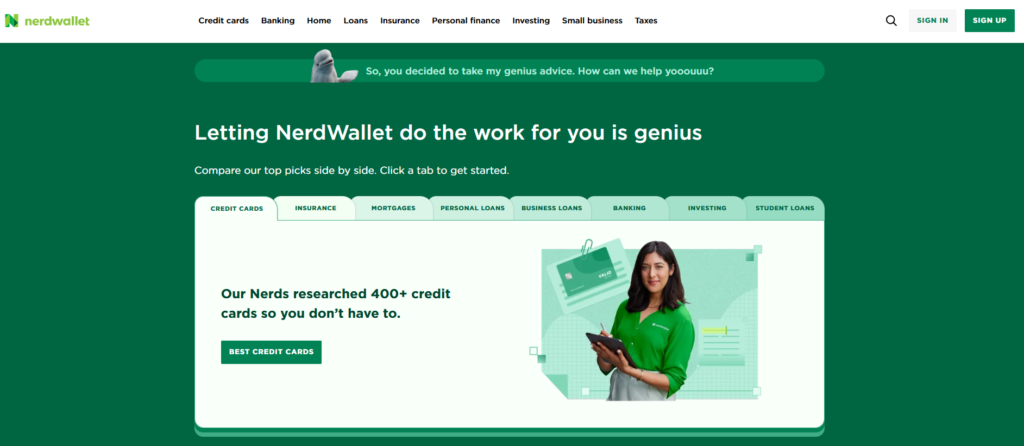
Tool tip: Use platforms like NerdWallet to compare high-yield savings accounts and find the right insurance options for your needs.
2. Think Like a Value Investor
Guy Spier, a student of Warren Buffett, follows value investing principles — that means thinking of stocks as ownership in real businesses.
To adopt this mindset:
- Look for undervalued companies with strong balance sheets and consistent earnings.
- Focus on long-term performance, not daily price swings.
- Be patient. You’re not chasing fast gains — you’re building lasting wealth.
As Warren Buffett famously said, “Price is what you pay. Value is what you get.”
3. Break It Down Into 10 Bets
Don’t invest the whole million in one go. Spier suggests making around 10 high-conviction investments, putting about 10% into each.
Here’s how it works:
- Start small — one or two investments to begin with.
- Keep the rest in cash or short-term bonds while you research.
- Over the next few years, continue placing well-researched bets.
This approach minimizes risk and gives you time to find truly worthwhile opportunities.
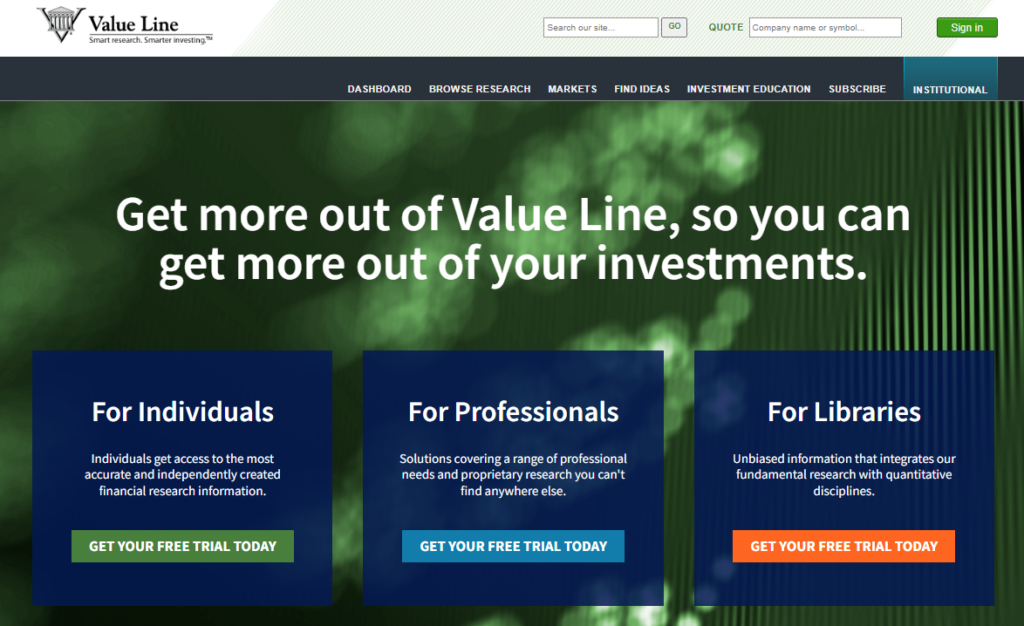
Research tools like Morningstar and Value Line can help you evaluate potential investments thoroughly.
4. Diversify Across Industries
You want to be protected if one area of the market underperforms. Diversification is key.
Spread your investments across different sectors — for example:
- Technology
- Healthcare
- Consumer goods
- Financial services
- Energy
By doing this, a downturn in one sector won’t wipe out your entire portfolio. You’re reducing risk while giving yourself access to multiple growth opportunities.
5. Reinvest Dividends and Interest
Let’s say your investments generate $40,000 in dividends each year. The instinct might be to spend it, but the smarter move is to reinvest it.
- Use dividends to buy more shares.
- Let your gains build on themselves.
- Set up a Dividend Reinvestment Plan (DRIP) so it happens automatically.
The key takeaway? Money makes more money when you let it grow untouched.
Actionable Steps by Experience Level
No matter where you’re starting from, there’s a smart way to invest your million dollars. The key is tailoring your approach to your current stage of life and financial experience.
For beginners, the goal is to keep things simple and low-risk while you build confidence. Start by opening a Roth IRA or Traditional IRA to take advantage of tax benefits for retirement. Focus on broad-market ETFs like VTI or SPY, which give you instant diversification with minimal effort. If managing investments feels overwhelming, robo-advisors like Betterment or Wealthfront can automate your portfolio based on your goals and risk tolerance — perfect for getting started without stress.
For millennials, who likely have a longer time horizon, there’s room to be a bit more aggressive and creative. Consider combining real estate exposure — such as through REITs (Real Estate Investment Trusts) — with index funds to balance stability and growth. If you’re comfortable with a bit more risk, explore tech growth stocks or sustainable investing options that align with your values. It’s also a good time to get serious about budgeting and tracking your money with tools like YNAB (You Need a Budget) or Mint, which can help you maximize your savings rate and keep your financial goals on track.
For retirees, the priority shifts to capital preservation and generating steady income. Focus on reliable, dividend-paying blue-chip stocks that offer consistent payouts and long-standing performance. Keep roughly 30% of your portfolio in cash or bonds to reduce volatility and provide liquidity when needed. Laddered certificates of deposit (CDs) or Treasury bonds can also be smart additions to create predictable income streams without exposing your nest egg to unnecessary risk.
Each stage of life comes with different priorities — but the common thread is clarity, discipline, and a strategy aligned with your goals.
Common Mistakes to Avoid
Even with a million dollars at your fingertips, it’s surprisingly easy to lose money — or at the very least, underperform — by making avoidable mistakes. Here are the most common pitfalls investors fall into, and how to steer clear of them.
1. Spending the Principal
One of the biggest dangers is treating your $1 million like a bottomless piggy bank. Every time you dip into the principal — whether it’s for a new car, a vacation, or lifestyle upgrades — you’re reducing the very asset that could be producing income for you indefinitely. Think of it like this: your million is the golden goose. Touch the eggs, not the goose.
2. Investing Emotionally
Markets rise and fall — that’s inevitable. Emotional investors tend to buy high (when everyone is euphoric) and sell low (when panic sets in). Fear and greed are powerful forces, but letting them drive your decisions will almost always lead to poor outcomes. The best investors build a strategy and stick to it, even when headlines scream otherwise.
3. Over-Diversifying
Yes, diversification is important — but there’s a point where it becomes counterproductive. Spreading your investments across too many stocks, funds, or asset classes can dilute your returns and make managing your portfolio chaotic. True diversification is about balance and thoughtful allocation, not owning a piece of everything.
4. Not Understanding What You Own
If you can’t explain what a company does, how it makes money, or why you invested in it, you probably shouldn’t own it. Blindly following stock tips, influencers, or hype-driven trends is risky. You don’t need to be an expert in everything, but you should be able to articulate your investment thesis for each asset in your portfolio.
5. Ignoring Taxes
Taxes can quietly erode your returns if you’re not careful. Selling a stock too quickly? You’ll pay short-term capital gains. Holding dividend-paying stocks in a taxable account? That’s another tax hit. Without a tax-efficient strategy, you could lose thousands each year without realizing it.
How to Avoid These Traps:
Work with a fee-only financial advisor — someone who doesn’t earn commissions and is legally obligated to act in your best interest. Sites like NAPFA.org can help you find a qualified professional who can build a tax-smart, goal-aligned investment plan. Whether it’s optimizing for returns, reducing tax drag, or keeping your emotions in check, a good advisor is often worth far more than their cost.
In the end, investing isn’t just about picking the right assets — it’s about avoiding the wrong moves that quietly sabotage your success.
Frequently Asked Questions
How do I get started with investing $1 million?
Start with planning: emergency fund, debt payoff, and education. Then invest slowly into diversified assets.
Is it better to invest all at once or over time?
Investing over time (dollar-cost averaging) reduces risk, especially in volatile markets.
Should I use a financial advisor?
Yes — a fiduciary advisor can help optimize taxes, reduce risk, and keep you disciplined.
What’s the best investment for long-term growth?
Historically, stocks—especially broad-market index funds—offer the highest returns.
Can I live off the dividends of $1 million?
Possibly. If you earn 4% in dividends, that’s $40,000/year. But you’ll need a frugal lifestyle and other income.
What’s a good asset allocation?
A common rule: 60% stocks, 30% bonds, 10% cash. Adjust based on age and goals.
How can I protect myself from a market crash?
Diversify, keep cash on hand, and never invest money you’ll need in the next 3–5 years.
What tools should I use to manage my investments?
Try Personal Capital, Morningstar, or Seeking Alpha for analysis and tracking.
How do I avoid taxes on my investments?
Use tax-advantaged accounts like IRAs and HSAs, and hold long-term to get lower capital gains rates.
Should I invest in real estate?
Yes, if you understand the market. Consider REITs or rental properties as part of a diversified plan.
Your Million-Dollar Mindset
We’ve covered a lot. But here’s the bottom line: Don’t spend your million. Invest it. Let it grow. Then let it buy your freedom.
Whether you’re 25 or 65, the strategies we covered can help you:
- Protect your money
- Grow it with smart investing
- Live off the income it generates
- Sleep better at night knowing you’re financially secure
So what’s your first step?
- Start by building your emergency fund.
- Then, educate yourself on value investing.
- And finally, invest with intention — not emotion.
Thank you for joining us for this in-depth guide on how to invest one million dollars!
Want more insights just like this?
Subscribe to the Rhodes Brothers on YouTube for free training, investing tips, and smart money strategies every week.
Resource List
Books
- The Education of a Value Investor by Guy Spier
- The Intelligent Investor by Benjamin Graham
- Rich Dad Poor Dad by Robert Kiyosaki
- Unshakeable by Tony Robbins
- Your Money or Your Life by Vicki Robin
Podcasts & Courses
- We Study Billionaires by The Investor’s Podcast Network
- BiggerPockets Money Podcast
- Investing 101 by Morningstar Academy
- Value Investing Masterclass on Udemy
Tools & Platforms
- Morningstar – In-depth stock research
- Personal Capital – Portfolio tracking
- Betterment / Wealthfront – Robo-advisors
- Seeking Alpha – Investment ideas and insights
- Mint – Budgeting and expense tracking
- Fidelity / Vanguard / Schwab – Brokerage platforms
Communities & Forums
- Bogleheads.org – Passive investing community
- r/investing on Reddit – Peer discussions
- Twitter/X – Follow investors like @michaelbatnick, @naval, and @paulg