

Are you looking to tap into the exciting world of NFTs and make passive income? Maybe you’ve heard stories of creators making thousands—if not millions—selling digital art, music, or even virtual real estate. The good news? This world isn’t reserved for tech geniuses or professional artists. With the right strategies, anyone can sell NFTs and generate passive income. Whether you’re a total beginner or have some experience, this guide will walk you through everything you need to know.
NFTs (Non-Fungible Tokens) have exploded in popularity, and the opportunity for making consistent income is huge. However, like any investment or business model, success depends on having a solid plan. In this post, we’ll cover how to sell NFTs for passive income, discuss the best platforms, and share practical strategies to help you succeed.
TL;DR
- NFTs (Non-Fungible Tokens) are unique digital assets that can be sold for profit.
- You can earn passive income by creating and selling NFTs, establishing royalties, and leveraging marketplaces.
- We’ll cover how to choose the right blockchain, mint your NFTs, and market them effectively.
- Avoid common mistakes like overpricing, neglecting your audience, or not understanding the technical aspects.
- Tools like OpenSea, Rarible, and MetaMask are essential for getting started.
- Royalties allow you to earn from secondary sales, creating ongoing income.
How to Sell NFTs (Non-Fungible Tokens) for Passive Income
Are you curious about how to turn your creative digital assets into a source of passive income? NFTs (Non-Fungible Tokens) offer an exciting opportunity for artists, musicians, and even entrepreneurs to monetize their digital content. With the right strategies, selling NFTs can not only provide immediate revenue but also ongoing earnings through royalties. If you’re ready to learn how to sell NFTs and generate passive income, this guide is for you.
Understanding the NFT Market
NFTs, or Non-Fungible Tokens, are digital assets that represent ownership of a unique item—whether it’s art, music, collectibles, or even virtual land. What sets NFTs apart is their non-fungibility. Unlike traditional currencies or cryptocurrencies like Bitcoin or Ethereum, NFTs can’t be exchanged on a one-to-one basis because each token holds a different value. This value is determined by factors such as rarity, demand, creator reputation, and uniqueness of the asset.
NFTs work on blockchain technology, which ensures transparency and verifiability of ownership. These tokens can’t be copied or duplicated, which is why they have become such a hit in the digital art and collectibles market. But they’re not limited to just art—NFTs can represent any kind of digital asset, including music, virtual real estate, and even tweets.
“The best investment you can make is in yourself.” — Warren Buffett
This quote speaks volumes, especially for NFT creators. Whether you’re minting digital art, creating music, or charting new territories with virtual worlds, learning about NFTs and how to use the available tools is a powerful investment in your future financial success.
Step 1: Choose the Right Blockchain
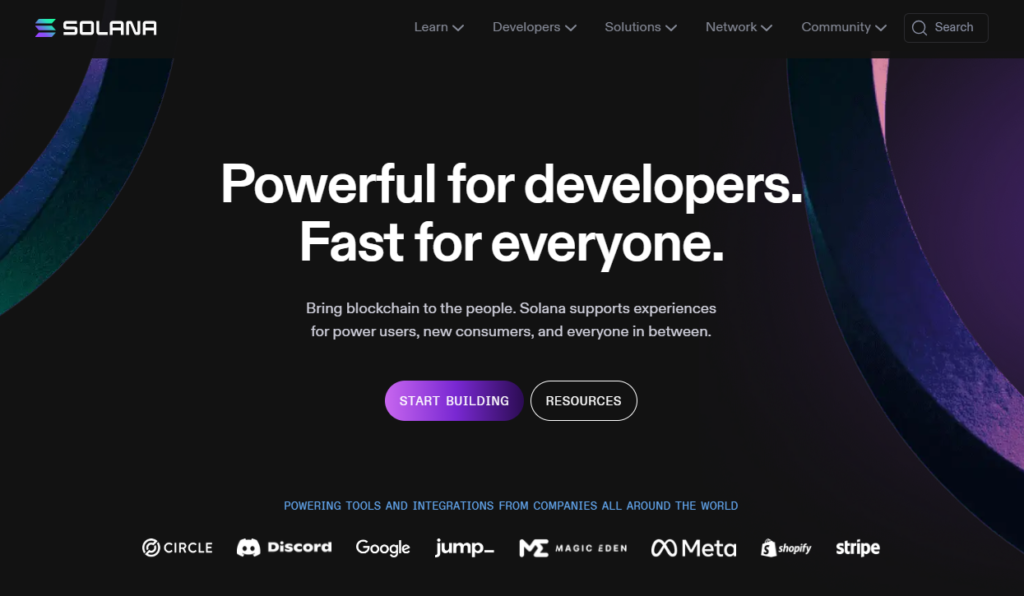
Before you even think about selling an NFT, you need to choose the right blockchain for minting your token. Different blockchains offer different advantages, and choosing the right one can make or break your NFT journey. The most popular blockchain for NFTs is Ethereum, but other options like Solana and Polygon have emerged, each with their own set of benefits.
Here’s a breakdown of the most common blockchains used for NFTs:
Ethereum
Ethereum is the most popular blockchain for NFTs, known for its pioneering role in the NFT space. It is the go-to platform for many creators and collectors due to its robust infrastructure and large user base. NFTs on Ethereum are powered by smart contracts, which allow creators to mint, sell, and enforce royalties on their digital assets.
Pros:
- The most established blockchain for NFTs.
- Largest user base and marketplace support (OpenSea, Rarible, etc.).
- Wide range of NFT types (art, music, gaming, etc.).
Cons:
- High transaction fees, also known as gas fees.
- Slower transaction speeds compared to newer blockchains.
Solana
Solana is a rising star in the NFT world, known for its high-speed transactions and low fees. It has quickly gained popularity as an alternative to Ethereum, especially for those looking to avoid the high gas fees associated with Ethereum-based NFTs. Solana’s ecosystem is growing, with more NFT marketplaces and projects launching on its blockchain, making it an attractive option for both creators and collectors.
Pros:
- Very low fees.
- Fast transaction speeds (ideal for high-volume NFTs, like collectibles or game assets).
Cons:
- Smaller market compared to Ethereum.
- Marketplace options are more limited.
Polygon
Polygon is a layer-2 scaling solution built on top of Ethereum, designed to improve transaction speeds and reduce costs while benefiting from Ethereum’s security. It has become a popular choice for NFT creators who want to leverage Ethereum’s ecosystem without the hefty gas fees. Polygon’s compatibility with Ethereum also allows users to seamlessly integrate with Ethereum-based platforms and tools, making it an appealing option for those seeking a more cost-effective way to mint and sell NFTs.
Pros:
- Works as a layer-2 solution on top of Ethereum, meaning you get Ethereum’s security but with much lower fees.
- Fast transactions.
Cons:
- Not as widely adopted as Ethereum.
- Fewer NFT marketplaces, although this is changing.
Step 2: Mint Your NFTs
After selecting a blockchain, the next step is minting your NFTs. Minting is the process of uploading your digital file (art, music, video, etc.) to the blockchain, converting it into a non-fungible token that can be sold. To mint NFTs, you’ll need a crypto wallet to store cryptocurrencies and interact with NFT platforms. The most popular wallet for NFTs is MetaMask, but there are several others depending on your blockchain choice.
Here’s how to mint your NFT:
- Create a Crypto Wallet
Download a wallet like MetaMask (for Ethereum and Polygon) or Phantom (for Solana). A crypto wallet allows you to store and manage your digital assets, including the cryptocurrency you’ll need to pay transaction fees for minting NFTs.
- Fund Your Wallet
Before you can mint an NFT, you’ll need to fund your wallet with some cryptocurrency. For instance, if you’re using Ethereum, make sure you have enough ETH to cover gas fees (transaction costs) on platforms like OpenSea or Rarible.
- Upload Your File
Once your wallet is set up and funded, head to a platform like OpenSea or Rarible and upload your digital file (image, audio, video, etc.). These platforms have made the process straightforward, even for beginners.
- Set Royalties
This step is where you can set up passive income. Royalties allow you to earn a percentage of each resale of your NFT. For example, if you set a 10% royalty, every time your NFT is resold in the future, you’ll earn 10% of the sale price. This is a significant advantage of NFTs compared to traditional art or music sales, where creators often don’t benefit from secondary sales.
Pro Tip: Set realistic royalties. A common rate is around 5-10%. While higher royalties may sound appealing, they can deter buyers from purchasing your NFT, especially if they plan to resell it.
Step 3: List Your NFTs for Sale
Now that your NFT is minted, it’s time to list it for sale. But before you do, it’s important to consider where and how you’re listing it. The NFT marketplace you choose, the price you set, and how you promote your NFT will determine how quickly and successfully you can sell it.
Choose a Marketplace
There are several NFT marketplaces available, each with its own pros and cons. Here are the top three:
- OpenSea: The largest decentralized marketplace, supporting a wide range of NFT types like art, music, and gaming assets.
- Rarible: A community-driven platform where you can create, sell, and buy NFTs. It’s also decentralized, meaning users have a say in its governance.
- Foundation: A more exclusive platform, often used by high-profile artists and creators.
Each marketplace has different fees, audiences, and features, so it’s important to research which one aligns best with your needs.
Set Your Price
You can either list your NFT for a fixed price or put it up for auction. If you’re just starting out, it might be better to go with a fixed price to avoid the uncertainty of an auction. However, if you already have a following or significant demand, auctions could drive your prices higher.
Be careful not to overprice your NFT. New creators often make the mistake of setting prices too high, which can deter potential buyers. Start with a reasonable price and let demand grow organically.
Promote Your NFTs
This step is crucial. Simply listing your NFT on a marketplace won’t guarantee sales. You need to build a community and promote your work to attract buyers. The NFT space is highly active on platforms like Twitter, Discord, and Instagram. Engage with potential buyers, join NFT communities, and collaborate with other creators to increase visibility.
Step 4: Automate Passive Income with Royalties
One of the biggest benefits of NFTs is the potential for earning passive income through royalties. Every time your NFT is resold on the secondary market, you can earn a percentage of the sale price. This could happen days, weeks, or even years after the initial sale. With the right NFT and enough demand, royalties can provide a steady stream of income over time.
Here’s how it works:
- Let’s say you sell an NFT for $1,000 and set a 10% royalty. If the buyer resells your NFT for $2,000, you’ll earn $200 from that sale.
- Now imagine that happens multiple times over the next few years. You could be earning royalties on each resale without doing any additional work.
- Royalties are what make NFTs so appealing for creators looking for long-term earnings. Unlike traditional sales, where the creator only profits from the initial sale, NFTs allow you to continue earning as your work appreciates in value.
Tools and Platforms to Help You Succeed
- OpenSea: The largest decentralized NFT marketplace, supporting a wide range of NFTs including art, music, and gaming assets. It’s a great place for beginners to start.
- Rarible: A community-owned NFT marketplace where you can buy, sell, and create NFTs. Rarible also allows you to set your own royalties.
- MetaMask: A crypto wallet that allows you to store and manage your digital assets. It’s essential for interacting with Ethereum-based NFT marketplaces.
These tools are essential for anyone looking to sell NFTs and generate passive income. By choosing the right blockchain, minting strategically, and promoting your work effectively, you can build a sustainable revenue stream through NFTs.
Building Long-Term Success in the NFT Space
One of the most important elements of succeeding in the NFT world, just like in any business or investment, is to think long-term rather than aiming for quick wins. The NFT market, like other markets, is subject to fluctuations, and building a sustainable brand or portfolio requires patience, strategy, and continuous learning.
Renowned investor Warren Buffett, though not directly involved in NFTs, often speaks to principles that can be applied to any market, including NFTs. His philosophy of focusing on long-term value and avoiding speculative bubbles is especially relevant here.
To get more insights on Warren Buffett’s approach to success, check out this video:
Warren Buffett Secret to Success (AVOID artificial intelligence?). In this video, Buffett talks about essential principles that can apply to your NFT strategy, such as avoiding short-term hype and focusing on sustainable growth. While the video touches on his views regarding artificial intelligence, the broader lesson on long-term value remains invaluable.—This section ties Buffett’s approach to the NFT world, encouraging readers to think strategically and sustainably as they build their presence in the space.
For More Free Videos, Subscribe to the Rhodes Brothers YouTube Channel.
Actionable Steps to Sell NFTs (Non-Fungible Tokens) for Passive Income
Selling NFTs for passive income might seem complex at first glance, but with the right strategy, anyone—from beginners to experienced creators—can dive into this digital goldmine. Below is a step-by-step guide that breaks down the process for different experience levels.
Step 1: Understand What an NFT Is
Before diving into sales, it’s crucial to understand NFTs and why they hold value. NFTs are unique digital assets powered by blockchain technology, and their value is based on rarity, ownership, and demand.
- Beginners: Spend some time learning the basics of NFTs. Platforms like YouTube or beginner guides on Ethereum.org can be great starting points.
- Experienced Creators: If you’re already familiar with digital assets, focus on understanding how royalties work for passive income and how to market your NFTs effectively.
Step 2: Choose the Right Blockchain
Different blockchains offer various benefits, such as lower fees, faster transactions, or broader market exposure. The right blockchain can make a big difference in your NFT selling experience.
- Beginners: Start with Ethereum for its established market and user base. While the fees (gas) are higher, it’s the most widely recognized platform.
- Intermediate Users: Consider Polygon for a more cost-effective option, especially if you’re worried about high gas fees. Solana is also a great choice for fast and low-cost transactions.
- Advanced Users: Explore lesser-known blockchains like Tezos or Binance Smart Chain, which might offer niche opportunities or unique marketplace ecosystems.
Step 3: Set Up a Crypto Wallet
To sell NFTs, you need a crypto wallet to store your cryptocurrency and interact with marketplaces. The most popular wallets include MetaMask (for Ethereum and Polygon) and Phantom (for Solana).
- Beginners: Use MetaMask for Ethereum and Polygon. It’s easy to install as a browser extension and widely supported across most NFT platforms.
- Intermediate Users: If you’re opting for Solana, download Phantom Wallet for fast and secure Solana-based NFT transactions.
- Advanced Users: Explore multi-chain wallets like Trust Wallet to manage NFTs across different blockchains.
Step 4: Purchase Cryptocurrency
You’ll need to buy some cryptocurrency (Ethereum, Solana, or Polygon) to cover transaction fees when minting NFTs. Use platforms like Coinbase, Binance, or Gemini to purchase crypto, and transfer the funds to your wallet.
- Beginners: Stick with Ethereum to get started. While the fees are higher, the market is more established, which can lead to quicker sales.
- Intermediate Users: Consider buying SOL (Solana) or MATIC (Polygon) for lower transaction fees and faster processing times.
- Advanced Users: Arbitrage between different blockchains to minimize fees and maximize profits.
Step 5: Create Your NFT
Next, you’ll need to turn your digital artwork, music, video, or other content into an NFT. This process is called minting. Choose a platform that is compatible with your chosen blockchain.
- Beginners: Use OpenSea (Ethereum and Polygon) for its user-friendly interface and massive marketplace.
- Intermediate Users: Try Solanart or Magic Eden for Solana-based NFTs. These platforms have lower fees and are gaining traction in the NFT community.
- Advanced Users: Consider creating custom smart contracts on Ethereum or using platforms like Foundation for more exclusive, high-value NFTs.
Step 6: Set Royalties for Passive Income
One of the best parts of selling NFTs is the ability to earn royalties on future sales. This means that every time your NFT is resold, you’ll receive a percentage of the sale price.
- Beginners: Stick with a royalty rate around 5-10% to make your NFT attractive to initial buyers.
- Intermediate Users: Experiment with royalty rates between 10-15%, especially if your work is in high demand or part of a limited collection.
- Advanced Users: Use smart contract platforms to customize royalties beyond what standard NFT marketplaces offer.
Step 7: List Your NFT on a Marketplace
Now it’s time to list your NFT for sale. Different marketplaces cater to different audiences, so choose the one that aligns with your goals.
- Beginners: OpenSea is the largest and most accessible marketplace. You can list your NFT with just a few clicks.
- Intermediate Users: Explore Rarible or Foundation, which offer more control over pricing and royalties.
- Advanced Users: Consider niche marketplaces like Zora or KnownOrigin, which cater to specific types of digital content, such as high-end art or music NFTs.
Step 8: Promote Your NFT
Promotion is key to selling NFTs, especially if you’re new to the space. Building an engaged community will increase your chances of success.
- Beginners: Use Twitter and Instagram to share your NFT drops. Engage with other NFT creators and collectors to build a following.
- Intermediate Users: Join Discord communities specifically for NFT projects or create your own Discord server to engage with potential buyers.
- Advanced Users: Collaborate with well-known artists or influencers in the NFT space to expand your reach.
Step 9: Earn Passive Income Through Royalties
Once your NFT is sold, you can start earning passive income through royalties. Every time your NFT is resold on the secondary market, you’ll receive a percentage of the sale price.
- Beginners: Focus on consistently creating and selling NFTs to build your presence, allowing secondary sales (and royalties) to accumulate over time.
- Intermediate Users: Create themed collections or limited editions to increase the chances of resale and higher royalties.
- Advanced Users: Use your existing audience to generate high resale value, and leverage smart contracts for advanced royalty structures.
Step 10: Analyze and Optimize
After you’ve sold a few NFTs, it’s important to analyze your sales performance and adjust your strategy accordingly.
- Beginners: Track your sales on platforms like OpenSea and see which NFTs are performing best. Adjust pricing or style based on feedback.
- Intermediate Users: Use analytics tools like Dune Analytics to track trends in the NFT market, helping you time releases for maximum impact.
- Advanced Users: Create A/B testing for different NFT collections, pricing strategies, or royalty rates to optimize your income.
Tailored Advice for Different Experience Levels
Beginners
- Tip: Start small by creating a few NFTs and listing them on a marketplace like OpenSea. Don’t worry about making huge profits at first—use this time to learn and build a community.
- Focus: Understanding how NFTs work and building your digital presence is key. Join NFT communities on social media to gain insights and grow your audience.
Intermediate Users
- Tip: Experiment with different blockchains like Solana or Polygon to reduce minting fees and increase your profit margins.
- Focus: Expand your portfolio by releasing thematic NFT collections, which can drive more engagement and resale activity.
Advanced Users
- Tip: Consider creating utility NFTs—NFTs that offer real-world value or perks like exclusive access to content, events, or services. This will encourage more resales and higher royalties.
- Focus: Leverage your knowledge of smart contracts to optimize your royalty structures and collaborate with other creators to reach new audiences.
By following these steps and tailoring your approach to your experience level, you can successfully sell NFTs and tap into the potential for passive income through royalties and resales.
Common Mistakes to Avoid When Selling NFTs
Navigating the NFT space can be tricky, especially if you’re new to the game. While the potential for success is high, there are several common pitfalls that creators often encounter. Avoiding these mistakes can increase your chances of making successful sales and earning passive income through royalties. Below, we dive deep into the most frequent errors and how to avoid them.
Overpricing Your NFTs
It’s natural to want to price your digital creations high, especially if you’ve poured time, effort, and creativity into them. However, overpricing is one of the biggest mistakes new NFT creators make. While it might seem logical to attach a high price to reflect the perceived value of your work, this strategy can backfire—especially if you don’t have a strong community or established reputation.
Why Overpricing is a Problem:
- Lack of Buyer Trust: Most buyers won’t risk large amounts of money on an artist or creator who is new to the scene. If buyers don’t know who you are or can’t gauge your popularity, they’re less likely to invest in your work at a high price.
- Limited Sales: High prices can discourage the everyday NFT enthusiast from purchasing your work. The NFT space thrives on accessibility to a broad audience, and by pricing yourself too high, you limit potential buyers.
- Missed Opportunities for Organic Demand: Pricing your NFTs reasonably gives more people the chance to buy, which can drive up secondary market activity. When your work is resold, demand and prices can increase organically, leading to higher royalties and future sales.
How to Avoid Overpricing:
- Start Small: Launch your first NFTs at a lower price to build traction. Let demand grow naturally, and allow your work to increase in value over time.
- Research Similar Artists: Look at what other creators in your niche or with a similar following are pricing their NFTs at. This will give you a benchmark for where to start.
- Offer Tiered Pricing: You can create different versions of your work, including limited editions or exclusive pieces that can justifiably be priced higher, while offering more affordable versions for a wider audience.
Neglecting to Build a Community
NFTs are not just about selling digital artwork or collectibles; they’re about building a community around your work. In the NFT space, community engagement, loyalty, and social proof are key drivers of success. Without a community, you’re essentially shouting into a void, hoping that someone will stumble upon your NFTs.
Why Community Matters:
- Trust and Credibility: The NFT world is built on trust. Buyers are more likely to purchase from creators they can interact with, who provide regular updates, and who engage with their audience. A strong community signals that people believe in your work and are willing to support you.
- Word of Mouth: A loyal community will help spread the word about your NFTs, creating organic buzz and increasing the likelihood of more sales.
- Collaboration Opportunities: By being active in the NFT community, you can collaborate with other artists or influencers, helping you reach new audiences and increase your credibility.
How to Build a Community:
- Be Active on Social Media: Platforms like Twitter, Discord, and Instagram are the lifeblood of the NFT space. Regularly post updates, share your creative process, and engage with your followers.
- Join and Participate in NFT Communities: Participate in NFT-related Discord servers, Twitter Spaces, or Clubhouse rooms. Offer value by sharing your insights, supporting other creators, and contributing to the conversation.
- Collaborate with Other Creators: Partnering with other artists or influencers can introduce your work to new audiences. Cross-promotions and collaborations can boost visibility and credibility.
- Provide Value: Beyond just selling NFTs, give your community something extra. This could be exclusive content, early access to new drops, or even direct interaction with your fans.
Ignoring Royalties
One of the most significant advantages of NFTs over traditional digital sales is the ability to earn passive income through royalties. Many creators, especially those new to the space, forget to set royalties when minting their NFTs. This is a missed opportunity to generate long-term revenue, as royalties allow you to earn a percentage of each sale every time your NFT is resold on the secondary market.
Why Royalties Are Important:
- Long-Term Passive Income: Once your NFT is sold, you can continue to earn money from future sales without doing any extra work. The more your NFTs trade hands, the more income you can generate over time.
- Incentivizes Resale: Buyers who know they can resell your work at a higher price are more likely to purchase it in the first place. Royalties ensure that you benefit from this increased demand.
- Appreciation in Value: As your reputation grows, the resale value of your NFTs may increase, allowing you to earn more from each subsequent transaction.
How to Set and Optimize Royalties:
- Set Realistic Percentages: A standard royalty rate is around 5-10%. Too high, and it may deter buyers from making a purchase; too low, and you may miss out on future earnings.
- Use Platforms That Support Royalties: Make sure the marketplace you’re using supports customizable royalty rates. Most major marketplaces like OpenSea and Rarible allow you to set royalties during the minting process.
- Promote Your Royalties: Let buyers know that by purchasing your NFTs, they are supporting your long-term success. This can encourage more sales from those who want to support creators directly.
Not Researching Marketplaces
With so many NFT marketplaces available, it’s crucial to choose the right one for your needs. Every marketplace has its own audience, fees, and features, and the platform you choose can directly impact your success. Too many creators rush into listing their NFTs without considering whether the marketplace is the best fit for their work.
How to Choose the Right Marketplace:
- Understand Your Niche: If your NFTs target a specific audience (e.g., gaming, art, music), choose a marketplace tailored to that niche. For example, SuperRare is known for fine art, while Axie Infinity is focused on gaming assets.
- Compare Fees: Look into the platform’s fee structure. OpenSea charges 2.5% per sale, but other platforms may have different rates or additional fees for listing or minting.
- Check Blockchain Support: Make sure the marketplace supports the blockchain you’ve chosen (e.g., Ethereum, Solana, or Polygon).
- Review Platform Reputation: Research the platform’s reputation for security, community engagement, and ease of use. The more trusted the marketplace, the more likely buyers are to feel comfortable purchasing your NFTs.
By avoiding these common mistakes and taking the time to strategize your approach, you can significantly increase your chances of success in the NFT market. Whether you’re just starting out or are an experienced creator, these tips will help you sell more NFTs, build a loyal community, and earn passive income through royalties.
Statistics on NFTs and Passive Income
NFTs are more than just a trend. According to a 2024 report by DappRadar, NFT sales reached $101 million in 2022.
Frequently Asked Questions
What’s the easiest way to get started with NFTs?
Start by creating a crypto wallet (like MetaMask), then choose a marketplace (OpenSea or Rarible) to list your NFTs.
How do royalties work?
You can set a royalty percentage when minting your NFT. Every time it resells, you earn that percentage of the sale price.
Do I need to know how to code to sell NFTs?
No. Many platforms have made it easy to mint and sell NFTs without any coding knowledge.
Can I sell any kind of digital file as an NFT?
Yes! You can sell art, music, videos, virtual items, and more.
What’s the best blockchain for selling NFTs?
Ethereum is the most popular, but Solana and Polygon are good alternatives with lower fees.
How do I promote my NFTs?
Build a community on social media, collaborate with other creators, and engage with the NFT community.
Can I earn passive income with NFTs?
Yes, through royalties on secondary sales.
What are gas fees?
Gas fees are transaction costs paid to the blockchain network for processing your NFT sale.
Can I sell physical goods as NFTs?
Yes, you can link NFTs to real-world items, but the logistics of delivery will need to be handled separately.
What happens if my NFT doesn’t sell?
You can relist it or adjust the price. Building a community and promoting your work can improve your chances of selling.
Take Action and Start Earning with NFTs
Selling NFTs can be a rewarding way to generate passive income, but success in this space requires careful planning and execution. Here are the key takeaways to ensure you stay on the right path:
- Start with realistic pricing to attract buyers, especially if you’re new to the NFT world. Let demand grow naturally over time.
- Build a community around your work by engaging with followers on social media and collaborating with other creators. Strong community support can drive sales and increase the value of your NFTs.
- Set royalties when minting your NFTs to ensure you earn passive income from future sales. Don’t skip this crucial step!
- Choose the right marketplace based on your niche, blockchain preference, and target audience. Each platform has its advantages, so do your research to find the best fit.
Now is the time to take action and start your journey in the NFT space. Whether you’re minting your first NFT or looking for ways to improve your strategy, implementing these tips will help you move toward achieving your goals. Get started today by setting up your first NFT or revisiting your existing strategy to optimize it for success.
Thank you for checking out this guide! For more tips and strategies to help you succeed, be sure to subscribe to the Rhodes Brothers YouTube Channel. Stay tuned for the latest videos and insights that will help you thrive in the NFT world and beyond!
Resource List
Books
- “The NFT Handbook: How to Create, Sell and Buy Non-Fungible Tokens” by Matt Fortnow and QuHarrison Terry
- “Digital Renaissance: What Data and Economics Tell Us about the Future of Popular Culture” by Joel Waldfogel
Blogs
Podcasts
- “The Nifty Show”
- “Modern Finance” hosted by Kevin Rose
- “Bankless”
- “NFT Catcher Podcast”
Tools
Courses
- “NFT Fundamentals” on Udemy
NFT Selling Cheat Sheet
- NFT Basics: NFTs are unique, non-fungible tokens representing ownership of digital assets.
- Blockchain: Choose between Ethereum (most popular, higher fees), Solana (fast, low fees), or Polygon (Ethereum-compatible, lower fees).
- Crypto Wallet: Use MetaMask for Ethereum/Polygon or Phantom for Solana to store your digital assets.
- Minting: Minting is the process of turning your digital file into an NFT on a blockchain.
- Marketplaces: Start with popular platforms like OpenSea, Rarible, or Foundation to list your NFTs.
- Royalties: Set your royalty percentage (5-10%) when minting to earn passive income from resales.
- Pricing: Avoid overpricing your NFTs. Start with reasonable prices to attract buyers, and let demand increase the value.
- Community: Build and engage with your community through social media (Twitter, Discord, Instagram).
- Promotion: Promote your NFTs on platforms where NFT buyers are active. Collaborate with other creators to expand your reach.
- Market Research: Research which platform is best for your niche. Understand fees, audience, and blockchain compatibility.
- Gas Fees: Be aware of gas fees (transaction costs) on Ethereum. Consider Polygon or Solana for lower fees.
- Royalties Explanation: Every time your NFT is resold, you earn a percentage (set by you) of the sale price.
- Listing Options: Choose between fixed prices or auctions to list your NFTs for sale.
- Secondary Market: Encourage resales to maximize your royalties and grow your NFT’s value.
- Community Engagement: Active participation in NFT communities can help build your credibility and increase sales.
- Tools: Use analytics tools like Dune Analytics to track NFT performance and optimize your strategy.
- Long-Term Strategy: Focus on building a body of work that encourages resales and consistent royalty payments.
- Collaboration: Collaborate with other influencers or creators to expand your visibility.
- Security: Always protect your wallets and accounts with strong passwords and two-factor authentication.
- Trends: Stay informed about current NFT trends by following blogs and podcasts in the space.
- Environmental Impact: Consider the environmental effects of different blockchains (e.g., Ethereum vs. Solana).