
Ready to change the world, one lesson at a time? Launching an online education platform focused on sustainable living is your chance to make a significant impact. Sustainability is more than a buzzword—it’s a movement that’s transforming how we live and interact with our planet. By creating a platform that educates and empowers individuals to adopt eco-friendly practices, you’re not only building a business but also fostering a community dedicated to a greener future.
Think about offering courses on renewable energy, zero-waste living, sustainable agriculture, and more. Each lesson can inspire change and spark action. Engaging content, interactive tools, and a passionate community can turn your platform into a go-to resource for those eager to make a difference.
This guide will walk you through the critical steps to get started. From pinpointing your target audience and curating valuable content to leveraging the latest digital tools, we’ll cover all you need to know. Ready to dive into the world of sustainable education and make a lasting impact? Let’s get started!
TL;DR
- Choose a specific niche in sustainable living (e.g., zero-waste, renewable energy, sustainable fashion).
- Select the right platform: Use tools like Teachable or Kajabi to host your courses.
- Create engaging content through a mix of videos, quizzes, and written lessons.
- Monetize your platform with course fees, memberships, and affiliate marketing.
- Leverage social media to grow your audience and drive traffic to your platform.
- Avoid common mistakes like not validating your niche or underpricing your courses.
Identifying Your Sustainable Living Niche
Sustainable living is a broad umbrella that covers many different aspects of environmentally responsible living. To create a successful online education platform, you need to focus on a specific niche within this space. This will help you target the right audience, deliver more value, and stand out from the competition. But how do you choose the right niche for your platform?
Find Your Passion
Start by identifying what aspect of sustainable living you’re most passionate about. Are you an advocate for zero-waste living? Or maybe you’re fascinated by renewable energy? Whatever it is, your passion will fuel your content creation and help you stay motivated.
Example niches within sustainable living:
- Zero-Waste Living: Teach people how to reduce waste in their homes, communities, and workplaces by adopting zero-waste practices.
- Sustainable Fashion: Educate your audience on ethical fashion practices, such as choosing sustainable fabrics and supporting eco-friendly brands.
- Renewable Energy: Offer courses on the benefits of renewable energy sources like solar, wind, and hydroelectric power, and how individuals can implement these technologies in their homes.
- Plant-Based Living: Help people transition to plant-based diets, reduce their carbon footprint, and make healthier choices for themselves and the planet.
“The best way to predict the future is to create it.” – Abraham Lincoln
This quote reminds us that by educating others about sustainable living, we can actively shape a greener and healthier future for our planet.
Research Your Audience
Once you’ve chosen a niche, the next step is to research your target audience. Understanding their needs, struggles, and desires will allow you to create content that resonates with them.
Key questions to ask:
- Who will benefit most from your platform?
- What are their biggest challenges when it comes to sustainable living?
- What format of learning do they prefer? (videos, written content, interactive tools, etc.)
- What are their goals? (e.g., reducing waste, saving money, living healthier)
Tools to use:
- Google Trends: Check the popularity of topics related to your niche.
- AnswerThePublic: Find common questions people ask about sustainable living.
- Facebook Groups: Join sustainable living groups to see what people are talking about and asking for help with.
By understanding your audience, you can ensure that your courses and content are useful and provide real value. For example, if your audience is primarily busy professionals with little time, you might want to create short, actionable lessons that they can complete in under 10 minutes.
Choosing Your Platform and Tools
Now that you’ve identified your niche and researched your audience, it’s time to choose the right platform to host your online education courses. The platform you choose will play a big role in the success of your online education business, so it’s important to select one that fits your needs and goals.
Teachable
Teachable is a highly popular platform for creating and selling online courses. It offers a user-friendly interface that allows you to easily upload videos, create quizzes, and interact with your students. You don’t need technical skills to get started, and Teachable also provides marketing tools to help you promote your courses.
Best for: Beginners who want an easy-to-use platform with plenty of features.
Key Features:
- Drag-and-drop course builder
- Quizzes and assignments to test student knowledge
- Built-in email marketing tools
- Payment gateway (so you can charge for your courses)
Kajabi
Kajabi is an all-in-one platform that includes everything you need to create, market, and sell online courses. In addition to hosting your content, Kajabi offers advanced marketing tools like email campaigns, funnels, and a website builder, making it a great choice if you’re looking for a more comprehensive solution.
Best for: Entrepreneurs who want an all-in-one solution to build and grow their online business.
Key Features:
- Website builder with customizable templates
- Marketing funnels and automation
- Membership site capabilities
- Analytics and reporting tools
Thinkific
Thinkific is similar to Teachable but offers more design flexibility. It allows you to customize the look and feel of your courses, making it a great option if branding is important to you. Thinkific also offers a free plan, which is perfect for those just starting out.
Best for: Creators who want more control over their course design and branding.
Key Features:
- Customizable course themes
- Drip content (release modules over time)
- Integration with third-party apps like Stripe and Mailchimp
- Free plan available
Creating Engaging and Valuable Content
Content is the heart of any online education platform, and your success will largely depend on the quality and engagement of the material you provide. To keep your audience interested and eager to learn, it’s essential to offer a variety of content types that cater to different learning styles.
Video Lessons
Video content is one of the most engaging ways to teach complex subjects. When you’re teaching something like sustainable living, visual demonstrations can make the material more relatable and easier to understand. For example, you could create a video series that shows how to set up a compost bin, reduce household waste, or use eco-friendly cleaning products.
Pro Tip: Keep your videos short and concise—around 5 to 10 minutes. This makes the content easier to digest and keeps viewers engaged.
Here’s a great example to get started:
How to Get Motivated to Work, Step By Step
For More Free Videos, Subscribe to the Rhodes Brothers YouTube Channel.
This video provides practical steps that can help you or your audience stay motivated when working on complex tasks like developing content for your platform. Whether you’re creating an online course or managing a community, staying motivated is key to consistent success.
Video Tools to Try:
- Camtasia: For recording and editing professional-quality videos.
- Loom: A simple tool for creating quick, screen-recorded tutorials.
Interactive Quizzes
Quizzes are an excellent way to reinforce learning and keep your students engaged. After each lesson, you can offer a short quiz to test their knowledge and ensure they’re retaining the information. This could be especially useful for topics like carbon footprint calculations or energy-saving practices.
Quiz Tools to Try:
- Typeform: Create beautifully designed, interactive quizzes and surveys.
- Quizlet: A tool specifically designed to help students learn through flashcards and quizzes.
Downloadable Resources
Offering downloadable resources can add significant value to your platform. These could be guides, checklists, or templates that your students can use to implement what they’ve learned. For example, you could provide a weekly meal planner for those looking to adopt a plant-based diet or a checklist for reducing energy consumption at home.
Examples of Downloadable Resources:
- Zero-waste shopping list
- DIY cleaning product recipes
- Energy-saving tips for households
- Step-by-step guide to setting up a home composting system
Community Building
One of the best ways to increase engagement and provide ongoing value is by creating a community where your students can connect with each other. This could be a private Facebook group, a forum on your website, or even a Slack channel. A community gives your audience a place to ask questions, share their progress, and support each other on their sustainability journeys.
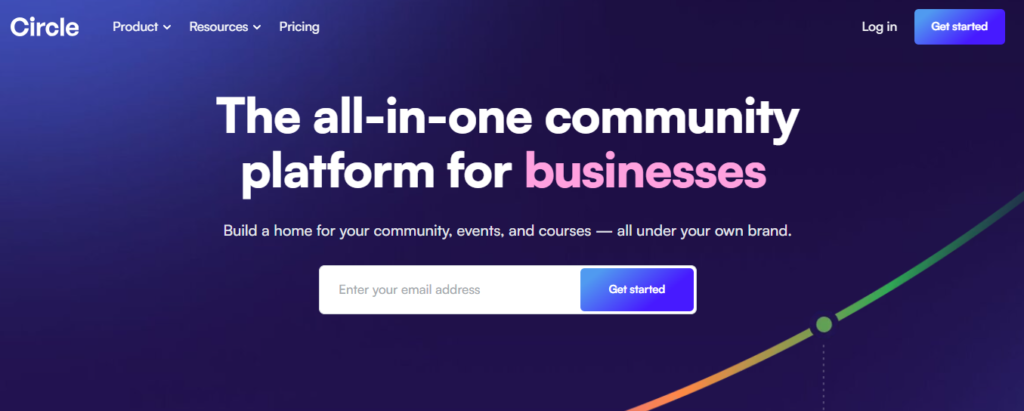
Community Platforms to Consider:
- Facebook Groups: Easy to set up and manage.
- Circle: A platform for creating branded communities with discussion boards, events, and more.
- Slack: Great for small, tight-knit groups that want to communicate in real-time.
Monetizing Your Sustainable Living Platform
While creating content that educates and empowers people is a worthy goal, let’s not forget about the business side of things. There are several ways to monetize your online education platform and build a sustainable income stream.
Course Fees
The most straightforward way to monetize your platform is by charging a fee for your courses. You can offer different pricing models, such as one-time payments or subscription-based access. Many online course creators find success by offering tiered pricing, where students can pay more for additional content or personalized coaching.
Example Pricing Models:
- One-time payment: Students pay a flat fee to access the course.
- Subscription: Students pay a monthly or yearly fee to access all content.
- Tiered pricing: Offer a basic course at a lower price, and premium content (like one-on-one coaching) at a higher price.
Membership Programs
If you’re looking for recurring revenue, consider offering a membership program. This could include access to exclusive content, live webinars, or personalized coaching. Memberships can provide ongoing value to your audience and create a sense of community, encouraging people to stay subscribed.
Affiliate Marketing
Affiliate marketing is another great way to generate income from your platform. By promoting eco-friendly products and services that align with your values, you can earn a commission on any sales made through your affiliate links. For example, you could recommend reusable water bottles, compost bins, or solar panels, and earn a percentage of each sale.
Tip: Be transparent with your audience about affiliate links and only promote products that you genuinely believe in.
Sponsored Content
As your platform grows, you may attract sponsorship opportunities from brands that align with your mission. Sponsored content involves partnering with a company to promote their products or services in exchange for payment. For example, you could create a sponsored video about a sustainable fashion brand or review eco-friendly household products.
Common Mistakes to Avoid
Launching an online education platform can be a steep learning curve, and many first-time creators make mistakes that can hinder their success. Here are some common pitfalls to watch out for:
Not Validating Your Niche
One of the biggest mistakes you can make is diving into a niche without first validating that there’s demand for it. Before you invest time and money in creating your platform, make sure there’s an audience interested in your content. You can do this by conducting surveys, launching a free mini-course, or even hosting a webinar to test the waters.
How to Validate Your Niche:
- Conduct surveys using tools like SurveyMonkey or Google Forms.
- Offer a free webinar to gauge interest.
- Create a free resource (like an ebook or guide) and see how many people download it.
Underpricing Your Courses
Many new course creators fall into the trap of underpricing their courses. While it’s important to offer value, don’t forget that your time and expertise are worth something. Research what other educators in your niche are charging, and don’t be afraid to price your courses accordingly. Remember, people are willing to pay for quality content!
Neglecting Marketing
The “build it and they will come” mindset doesn’t work in the world of online education. You could have the best course in the world, but if you don’t market it, no one will know about it. Make sure you have a solid marketing strategy in place before you launch. This could include social media marketing, email campaigns, and paid ads.
Overcomplicating Your Content
Many course creators make the mistake of cramming too much information into their lessons. While it’s tempting to share everything you know, it’s important to keep your content simple and actionable. Break complex topics down into smaller, easy-to-digest lessons that won’t overwhelm your students.
Pro Tip: Aim to keep each lesson under 10 minutes and focus on one key takeaway per lesson.
Actionable Steps to Get Started
Starting your online education platform for sustainable living can feel overwhelming, but breaking it down into clear, actionable steps will help you get started more easily. Here’s a quick guide tailored to different audiences, beginning with those who are new to the world of sustainability and online education.
For Beginners
- Niche: Focus on simple, entry-level topics like zero-waste basics or plant-based living.
- Research: Use Google Trends and Reddit to identify common beginner questions and pain points.
- Platform: Choose simple platforms like Teachable or Thinkific.
- Content Plan: Create easy-to-follow videos (5-10 minutes) with checklists or step-by-step guides.
- Monetization: Start with low-cost courses or offer a free mini-course to build trust.
- Promotion: Use Instagram and Pinterest for visual inspiration and eco-friendly tips.
- Community: Create a Facebook group for beginners to ask questions and share progress.
For Millennials
- Niche: Choose trendy topics like sustainable fashion or eco-friendly tech.
- Research: Use Instagram polls and follow sustainability influencers to find trending topics.
- Platform: Use Kajabi for branding flexibility, or Thinkific for a free-tier option.
- Content Plan: Focus on shareable content (e.g., eco-friendly travel hacks), and include case studies.
- Monetization: Offer tiered pricing or a subscription model with exclusive content.
- Promotion: Partner with influencers and run 30-day challenges on social media.
- Community: Build a Patreon or premium membership for exclusive access and networking.
For People Nearing Retirement
- Niche: Focus on sustainable gardening or energy-saving home improvements.
- Research: Use Facebook groups and email surveys to explore topics like downsizing or home efficiency.
- Platform: Choose a simple, mobile-friendly platform like Teachable or Thinkific.
- Content Plan: Create slow-paced video tutorials and printable guides for practical, hands-on learning.
- Monetization: Offer one-time payment courses or bundle deals for couples.
- Promotion: Use Facebook and email marketing to highlight practical benefits like saving money.
- Community: Create a Facebook group and host live Q&A sessions for interaction.
For Parents and Families
- Niche: Focus on family-friendly topics like sustainable parenting or eco-friendly meal planning.
- Research: Use Pinterest and Facebook to understand family-focused sustainability challenges.
- Platform: Opt for mobile-friendly platforms like Teachable or Thinkific.
- Content Plan: Offer short, practical lessons with family activities like DIY crafts or gardening.
- Monetization: Offer family bundles or monthly memberships with seasonal content.
- Promotion: Use Pinterest and Facebook ads to reach parents looking for eco-friendly tips.
- Community: Create a private Facebook group where parents can share and support each other.
Statistics and Research
Study by Capgemini Research Institute found that 68% of consumers are more likely to purchase from companies that promote sustainable practices, indicating a growing interest in eco-friendly living. This shows that the demand for education in sustainable living is not only growing but also becoming a key factor in consumer behavior.
Frequently Asked Questions
How do I get started with minimal budget?
You can start with free or low-cost tools like Thinkific’s free plan or build a simple WordPress site with a learning management system (LMS) plugin.
What’s the best way to engage my audience?
Use a mix of content types—videos, quizzes, and downloadable resources. Also, build a community forum to foster engagement.
How can I market my platform without spending a lot on ads?
Leverage social media, create a blog with SEO-optimized content, and run email campaigns to build your audience organically.
Should I offer free content?
Offering free content like webinars or mini-courses is a great way to attract an audience and build trust before they commit to purchasing a paid course.
How long should my courses be?
Ideally, each course should be broken down into digestible lessons of about 5-10 minutes each.
How do I choose a price for my courses?
Research your competitors, consider the value of your content, and don’t be afraid to charge what you’re worth.
What if I’m not an expert?
You don’t need to be a certified expert to teach sustainable living. As long as you’re passionate and knowledgeable, you can share value.
Can I offer certifications?
Yes! Offering certifications can add value to your courses and attract more students.
How often should I update my content?
Aim to update your content at least once a year to ensure it stays relevant and up-to-date.
What if no one signs up for my course?
Don’t get discouraged. Focus on building your audience through free content, and keep promoting your platform.
Tailoring Your Sustainable Living Platform for Success
Starting an online education platform for sustainable living can be a rewarding endeavor, but success depends on tailoring your approach to the specific needs of your audience. Whether you’re targeting beginners, millennials, retirees, or families, the key is to:
- Choose a niche that resonates with your demographic.
- Understand your audience’s challenges through research.
- Select the right platform that suits their learning preferences.
- Create valuable and engaging content that fits their lifestyle.
- Build a community to foster connection and ongoing learning.
By customizing your strategy for each demographic, you can create an impactful platform that not only educates but also inspires sustainable change. Keep your content practical, engaging, and accessible, and you’ll build a loyal audience ready to make a difference.
Thank you for joining us and checking out the article. We encourage you to view and subscribe to the Rhodes Brothers YouTube Channel for the latest videos and information to help you succeed!
Resource List
Books
- “Cradle to Cradle: Remaking the Way We Make Things” by William McDonough & Michael Braungart
- “The Zero Waste Home” by Bea Johnson
- “Sustainable Energy – Without the Hot Air” by David MacKay
Podcasts
Tools
- Teachable: For creating and selling online courses.
- Canva: For creating course visuals and worksheets.
- ActiveCampaign: For email marketing and automation.
Sustainable Living Education Cheat Sheet
- Pick a niche: zero-waste, renewable energy, sustainable fashion
- Research your audience using Google Trends and surveys
- Choose platforms: Teachable, Kajabi, or Thinkific
- Create content: videos, quizzes, downloadable resources
- Monetize: course fees, affiliate marketing, and memberships
- Promote on social media and build an email list
- Avoid common mistakes: underpricing, skipping market research
- Offer free content to attract leads
- Stay consistent and update your content regularly