“Nurture your mind and soul from anywhere!”
In the hustle and bustle of daily life, finding time for personal growth and wellness can feel like an impossible task. But what if you could embark on a transformative journey without ever leaving your home? Launching an online retreat series offers just that—an accessible, immersive experience designed to foster self-improvement and well-being.
This guide will walk you through creating a successful online retreat series, from planning engaging sessions to effectively marketing your program. By offering participants a virtual sanctuary for learning and rejuvenation, you’ll help them achieve their personal goals and build a supportive community. Ready to inspire and transform lives from the comfort of home? Let’s dive in and create an extraordinary online retreat series!
TL;DR
- Understand your audience: Tailor your retreat to what they need most, whether it’s stress relief, mindfulness, or personal development.
- Choose the right platform: Use intuitive platforms like Zoom, Teachable, or Thinkific to host your retreat online.
- Create engaging content: Mix live sessions with pre-recorded materials to maximize engagement.
- Leverage social media: Build a community and spread the word through Instagram, Facebook, and email marketing.
- Partner with influencers: Collaborate with wellness influencers to increase visibility.
- Avoid common pitfalls: Don’t overlook tech practice runs, unclear communication, or lack of engagement strategies.
Step-by-Step Guide to Launching an Online Retreat Series
Launching an online retreat series is an exciting way to connect with others, share knowledge, and create a transformative experience for your participants. Whether you’re offering a weekend of mindfulness or a month-long personal development program, taking the right steps in the planning and execution process is crucial for success. In this guide, we’ll walk you through the key steps to help you create a seamless and impactful
retreat.
1. Define Your Vision and Audience
Before diving into logistics, it’s crucial to define your retreat’s purpose. What kind of transformation do you want attendees to experience? Do you want to help them achieve mental clarity, emotional healing, or personal productivity? Understanding the end goal will guide every decision, from the type of content you create to how you market your retreat.
Actionable Tips:
- Identify Your Niche: Is your retreat focused on mindfulness, self-care, professional development, or holistic wellness? Narrowing down your niche helps you stand out in the crowded wellness industry.
- Survey Your Audience: If you’re unsure where to start, consider creating a simple survey using tools like Google Forms or SurveyMonkey. Ask potential participants about their challenges, goals, and what they would expect from an online retreat.
- Analyze Competitors: Look at other successful retreats in your niche. What do they offer? How do they structure their content? Use this information to identify gaps in the market that your retreat can fill.
Example:
If your audience is primarily working professionals, you may want to focus on themes such as stress management, mindfulness practices, and techniques for achieving work-life balance. In contrast, if your audience consists of wellness enthusiasts, you could incorporate more holistic practices such as yoga, meditation, sound healing, and nutrition workshops.
“The greatest discovery of my generation is that a human being can alter his life by altering his attitudes.” — William James
2. Choose the Right Platform for Hosting
Now that your vision is clear, it’s time to select a platform that will bring your retreat to life. Since your retreat will be virtual, the platform you choose should be intuitive for both you and your participants, and it should enable a seamless experience.
Here are some of the most popular platforms for hosting an online retreat:
Tools for Hosting:
- Zoom: Perfect for live interactive sessions, Zoom allows you to host large groups, create breakout rooms for smaller discussions, and record sessions for later viewing.
- Teachable: Ideal if you want to combine live sessions with pre-recorded courses. Teachable’s platform allows you to build a structured learning path, which is perfect for retreats that include multiple sessions over several days or weeks.
- Thinkific: Another great platform for online courses and workshops. Thinkific gives you the flexibility to offer everything from live classes to self-paced learning modules.
- Kajabi: A more advanced platform that combines course creation, marketing, and sales. Kajabi is perfect if you’re looking to scale your retreat series and build an ongoing community.
Pro Tip:
Include a mix of live and pre-recorded content. Live sessions foster real-time connection and engagement, while pre-recorded content allows participants to go at their own pace, which is especially helpful for people in different time zones.
Example:
For a retreat focusing on mindfulness and meditation, you might use Zoom for live meditation sessions, allowing participants to ask questions and share experiences afterward. Pre-recorded lessons on mindfulness techniques could be hosted on Teachable for participants to revisit at their convenience.
3. Curate Engaging and Transformative Content
Content is the heart of your retreat. To ensure your retreat is both engaging and transformative, you need to provide value and structure in each session. Consider the flow of your retreat: will it be a single-day event with multiple sessions, or will it span several days?
Content Ideas:
- Morning Mindfulness Sessions: Start each day with a guided meditation or gratitude practice to center your participants.
- Expert Interviews: Invite guest speakers or experts in the field to share their insights. For example, an expert on mindful eating could lead a session on how to incorporate mindfulness into daily meals.
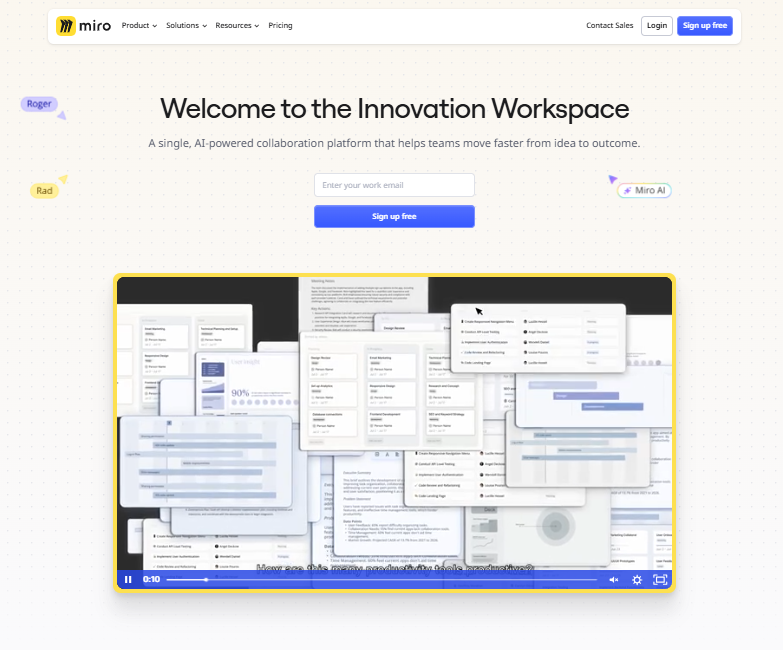
- Interactive Workshops: These could include goal-setting workshops for personal development, journaling exercises, or creating personalized wellness routines. Tools like Miro or Google Jamboard can be used for interactive brainstorming and collaboration during workshops.
- Incorporate Personal Stories: Sharing personal experiences can be a powerful way to connect with participants. For instance, you could include a video like What Meditation Did For Me After 6 Years, where the speaker reflects on the profound impact of long-term meditation practice. This can inspire participants to commit to their own mindfulness journey.
For More Free Videos, Subscribe to the Rhodes Brothers YouTube Channel.
- Breakout Rooms: Use Zoom’s breakout room feature to divide participants into smaller groups for more intimate discussions. This can be especially useful for activities like sharing personal experiences or discussing the day’s learnings.
Pro Tip:
Vary the length and style of each session. For example, you might follow a 45-minute goal-setting workshop with a relaxing 20-minute meditation. This prevents burnout and keeps participants energized.
Example:
For a personal development retreat, you might open the day with a 30-minute session on mindfulness practices, followed by a goal-setting workshop where participants map out their personal growth journey. Afterward, smaller groups can discuss their goals in breakout rooms, fostering connection and accountability.
4. Market Your Retreat Effectively
Even the most well-planned retreat won’t be successful without participants. Marketing is key, and the earlier you start, the better. You want to build anticipation and excitement while ensuring you’re reaching the right audience.
Marketing Strategies:
- Leverage Social Media: Use platforms like Instagram and Facebook to showcase sneak peeks of your retreat. Create Instagram Stories, Reels, and even live Q&A sessions to engage your audience. Facebook Groups can also serve as a community hub for potential participants.
- Email Marketing: Build a mailing list early on using tools like Mailchimp or ConvertKit. Keep your followers in the loop with regular updates, early bird discounts, and exclusive offers. According to a 2023 HubSpot report, email marketing has an average ROI of $42 for every dollar spent, making it an essential tool for promoting your retreat.
- Collaborate with Influencers: Partner with influencers in the wellness or personal development space. Influencers can introduce your retreat to a broader audience by sharing it with their followers. You can offer them affiliate links or free access in exchange for promotion.
- Offer Early Bird Discounts: Encourage early sign-ups by offering a limited-time discount. This helps build momentum and creates a sense of urgency.
Pro Tip:
Use tools like Canva to create professional-looking promotional materials, whether it’s for social media posts, email headers, or flyers. Canva provides numerous templates specifically designed for wellness events.
Example:
If you’re marketing a stress management retreat, create an Instagram Reel showcasing a short clip of a guided meditation from the retreat. Use a discount code in the caption and encourage followers to sign up before the deadline to save on registration.
5. Set Up a Pricing Model That Works
Pricing can be tricky. You want to reflect the value of your retreat without alienating your target audience. Consider offering flexible pricing options so that more people can afford to join while still ensuring you’re compensated fairly for your work.
Pricing Models:
- Early Bird Pricing: Offer a discount to those who register early. This creates a sense of urgency and helps you secure early sign-ups.
- Tiered Pricing: Offer different pricing tiers based on the level of access. For example, the basic tier might include access to all pre-recorded content, while a premium tier includes live Q&A sessions or one-on-one coaching.
- Group Discounts: Encourage participants to invite friends or colleagues by offering group discounts. This not only boosts your attendance numbers but also fosters a sense of community among participants.
Pro Tip:
Use tools like Stripe or PayPal to easily collect payments. These platforms also offer options for setting up recurring payments if you’re hosting a series of retreats or offering subscription-based access.
Example:
For a holistic wellness retreat, you could offer three pricing tiers:
- Basic: $250 for access to all pre-recorded sessions.
- Standard: $400 for access to live sessions and all pre-recorded content.
- VIP: $600 for everything in Standard, plus two one-on-one coaching sessions with the retreat leader.
By following these steps and using the right tools, you can successfully launch an online retreat that not only resonates with your audience but also provides them with lasting transformation.
Actionable Steps for Launching an Online Retreat Series for Personal Growth and Wellness
When launching an online retreat series for personal growth and wellness, it’s essential to consider the varying needs of different demographics. Whether you’re targeting beginners, millennials, or people nearing retirement, each group will have unique challenges and preferences that shape how they experience personal growth. Here’s a step-by-step guide tailored to different demographics to help you create a retreat that resonates deeply with your audience.
For Beginners: Simple, Structured, and Practical
Beginners in the wellness or personal growth space are often looking for simple, easy-to-follow content that doesn’t overwhelm them with too much information upfront. They may be new to concepts like mindfulness, wellness routines, or personal development strategies, so your retreat should provide clear guidance and a structured path they can easily follow.
Step-by-Step Strategy:
- Start with foundational topics: Offer introductory sessions on mindfulness, goal setting, or self-care practices. Keep these sessions short and manageable (30-45 minutes).
- Provide simple tools: Introduce basic tools like guided meditations (using apps like Headspace or Insight Timer), journaling prompts, or habit trackers (try Habitica or Streaks).
- Offer accountability: Create a Facebook group or Slack channel where participants can ask questions, share progress, and support each other.
- Encourage small, actionable steps: For example, suggest daily practices like writing 3 things they’re grateful for, developing a simple morning routine, or meditating for 5 minutes a day.
Pro Tip:
For beginners, avoid overwhelming them with too much theory. Focus on actionable steps and quick wins that build confidence and momentum.
For Millennials: Interactive, Tech-Savvy, and Community-Oriented
Millennials are generally tech-savvy, value personal growth, and are more likely to be interested in interactive and community-driven experiences. They’re often balancing busy careers, personal lives, and social media, so your retreat should offer flexibility while also building a sense of connection.
Step-by-Step Strategy:
- Leverage technology for engagement: Use platforms like Zoom for live sessions and Instagram for real-time updates and behind-the-scenes content. Create interactive polls, Q&A sessions, and live chats to keep them engaged.
- Incorporate social sharing: Encourage participants to share their journey on social media using a custom hashtag for your retreat. This not only builds community but also helps with marketing.
- Offer flexibility: Provide on-demand access to recorded sessions so participants can watch at their own pace. Millennials often prefer to fit learning into their schedules rather than attending live sessions.
- Create community spaces: Use apps like Telegram, Slack, or Mighty Networks to build a community where participants can connect, share experiences, and keep each other accountable.
Pro Tip:
Millennials appreciate authenticity and personalized experiences. Offer options for one-on-one coaching or personalized feedback to create deeper connections with participants.
For People Nearing Retirement: Holistic, Reflective, and Health-Focused
People nearing retirement are often at a transitional point in their lives, seeking personal growth related to reflection, purpose, and well-being. They may be more interested in holistic health practices and emotional well-being as they prepare for this next stage of life.
Step-by-Step Strategy:
- Focus on holistic wellness: Incorporate practices like yoga, tai chi, meditation, and mindfulness. These gentle, reflective practices are ideal for older adults looking to maintain their health and inner peace.
- Encourage reflection: Offer journaling sessions or workshops that focus on life review, purpose discovery, and legacy creation. This demographic often enjoys exploring their life experiences and finding deeper meaning.
- Provide health-related content: Consider adding sessions on nutrition, healthy aging, or stress management. These topics are relevant to those nearing retirement who want to prioritize their physical and mental health.
- Create a slower pace: Structure your retreat with longer breaks between sessions and more time for reflection. Avoid back-to-back sessions, as participants may prefer to process information at a more relaxed pace.
Pro Tip:
Consider integrating guest speakers or experts on topics like healthy aging, retirement planning, or longevity to add value and relevance to this demographic.
For Parents and Caregivers: Flexible, Supportive, and Family-Oriented
Parents and caregivers are often juggling multiple responsibilities, so they need a retreat experience that is flexible, supportive, and focused on self-care without taking up too much time. They’re looking for ways to recharge and grow while managing their busy lives.
Step-by-Step Strategy:
- Offer bite-sized content: Provide short, digestible sessions (around 20-30 minutes) that can fit into a busy schedule. For example, offer a quick mindfulness session they can do during a child’s nap time, or a self-care routine they can implement in 15 minutes.
- Focus on stress management: Include sessions on managing stress, energy renewal, and work-life balance. Parents and caregivers need practical strategies they can implement immediately.
- Create family-friendly activities: Consider offering family-oriented activities like parent-child yoga, guided meditations for kids, or mindfulness exercises the whole family can do together.
- Flexible scheduling: Provide on-demand access to all content so participants can engage at a time that works for them.
Pro Tip:
Make sure to emphasize self-care and well-being for parents and caregivers. Encourage them to carve out time for themselves, even if it’s just a few minutes each day.
For Entrepreneurs: Goal-Oriented, Productivity-Focused, and Results-Driven
Entrepreneurs are often looking for growth strategies that can help them balance personal development with building their business. They’re interested in maximizing their time, improving their mental clarity, and finding ways to stay productive.
Step-by-Step Strategy:
- Focus on productivity and mindset: Offer sessions on goal-setting, time management, and mentality shifts that can help entrepreneurs stay focused and motivated. Use tools like Trello or Notion to help them organize their goals and track progress.
- Incorporate business growth tips: Provide optional workshops or resources on personal branding, leadership development, or work-life integration. Entrepreneurs often seek a blend of personal and professional growth.
- Offer coaching: Entrepreneurs value feedback and guidance. Offer one-on-one coaching sessions to help them set actionable goals and overcome obstacles.
- Create accountability groups: Use platforms like Slack or Circle to create mastermind groups where entrepreneurs can share their goals, receive feedback, and hold each other accountable.
Pro Tip:
Entrepreneurs are typically results-driven, so emphasize the outcomes they can achieve through your retreat, whether that’s increased clarity, improved focus, or enhanced work-life balance.
Common Mistakes to Avoid in Launching an Online Retreat Series for Personal Growth and Wellness
When designing an online retreat, it’s essential to consider the specific needs, expectations, and limitations of different demographic groups. Missteps in adapting your content or structure can lead to disengagement, frustration, and ultimately a lower success rate for your retreat. Here’s a more in-depth look at common mistakes to avoid when catering to various demographics, and how to ensure your retreat resonates deeply with each group.
Overcomplicating Content for Beginners
Mistake: Using jargon, advanced techniques, or overly complex exercises that overwhelm beginners.
Beginners, especially those new to personal growth, wellness practices, or mindfulness, need simple and digestible content. Introducing them to advanced techniques or topics too early can cause confusion, frustration, and lead to abandonment. Beginners are often looking for entry points into personal development, not an advanced master class.
How to Avoid This:
- Use accessible language: Explain concepts in everyday terms. Avoid buzzwords or technical jargon unless it’s thoroughly explained with real-world examples.
- Start with the basics: Offer introductory workshops like “Mindfulness 101” or “Introduction to Personal Goal Setting.” Assume that participants have little to no prior knowledge and build from there, gradually increasing complexity as they gain confidence.
- Provide step-by-step guidance: Break down practices into small, manageable steps. For example, with meditation, start by teaching a simple breathing exercise before moving into more advanced techniques like body scans or guided visualizations.
- Offer additional resources: Create downloadable worksheets or video tutorials that reinforce the basics, allowing beginners to revisit foundational concepts at their own pace.
Pro Tip: Use metaphors or analogies to explain complex concepts. For example, compare mindfulness to “tuning into a radio station” to help beginners understand the idea of focusing attention.
Failing to Offer Flexibility for Busy Audiences
Mistake: Expecting millennials, parents, or caregivers to attend multiple live sessions without offering alternative formats like recorded content or self-paced modules.
Millennials, parents, and caregivers often have hectic schedules, juggling work, family responsibilities, and personal time. Rigid scheduling can be a significant barrier for these groups, as they may not have the freedom to attend live sessions, especially during traditional working hours. Offering only live content without alternatives can lead to low attendance and a feeling of exclusion.
How to Avoid This:
- Offer on-demand content: Record all live sessions and make them available for replay. This allows participants to engage with the material at a time that suits their schedule.
- Create self-paced modules: For particularly busy audiences, consider developing a series of pre-recorded lessons that participants can progress through at their own pace. This can be especially helpful for parents who may only have short windows of uninterrupted time.
- Use mobile-friendly platforms: Ensure your retreat platform (whether Zoom, Teachable, or Thinkific) is mobile-friendly so participants can join sessions or consume content on the go—whether that’s during a commute, while multitasking, or during a child’s nap.
- Keep sessions short and focused: Design bite-sized sessions (15-30 minutes) that deliver value without requiring large time commitments. This is particularly useful for busy parents or millennials balancing multiple obligations.
Pro Tip: Include flexible participation options, such as live Q&A sessions at different times or via asynchronous chat, where participants can submit questions in advance for later response.
Skipping Reflection for Older Audiences
Mistake: Neglecting the need for reflection and introspection for audiences nearing retirement.
For older participants, particularly those nearing or in retirement, a retreat is often seen as an opportunity to reflect on their lives, review past experiences, and explore what comes next. Skipping over reflective exercises can leave them feeling unsatisfied or disconnected. This demographic is less interested in rushing through content and more focused on finding meaning and purpose.
How to Avoid This:
- Focus on life review and legacy: Incorporate reflective exercises that encourage participants to look back on their lives and consider the lessons they’ve learned. Journaling prompts like “What are the defining moments of your life?” or “What legacy do you want to leave behind?” can be powerful tools.
- Create space for slower-paced activities: Build in time for reflection between sessions. Offering longer, more relaxed breaks allows participants to absorb what they’ve learned and think deeply about how to apply it to their lives.
- Facilitate group discussions on meaningful topics: Use breakout rooms or group sessions to discuss topics like purpose, aging gracefully, or navigating life transitions. Peer conversations can add depth and encourage participants to consider new perspectives.
- Introduce mindfulness and meditation geared toward reflection: Tailor mindfulness practices to encourage self-reflection, such as guided visualizations that explore life chapters or meditations on gratitude and acceptance.
Pro Tip: Provide optional follow-up sessions or materials that continue the reflection process after the retreat ends. This could include journaling prompts, book recommendations, or ongoing group discussions.
Neglecting Personalization for Entrepreneurs
Mistake: Offering a one-size-fits-all retreat experience that doesn’t cater to the specific goals and challenges of entrepreneurs.
Entrepreneurs are typically goal-oriented, results-driven, and time-conscious. They’re not only seeking personal growth but also the tools to become more effective in their businesses and leadership roles. A retreat that’s too generic or doesn’t cater to their unique needs will fail to capture their attention and provide the value they seek.
How to Avoid This:
- Tailor sessions to entrepreneurial challenges: Offer sessions that integrate personal development with business growth. For example, sessions on mindset shifts for leadership, goal-setting for business success, or work-life balance for entrepreneurs will resonate more with this audience.
- Provide personalized feedback: Entrepreneurs appreciate individualized attention that helps them apply learnings to their specific situations. Offer one-on-one coaching or small-group mastermind sessions where they can receive personalized advice and feedback.
- Incorporate measurable outcomes: Entrepreneurs like to track progress and see tangible results. Create exercises that help them set actionable goals and measure their growth over time. For example, have them define key growth metrics (both personal and business-related) and provide tools like SMART goal templates or habit trackers to help them stay accountable.
- Offer networking opportunities: Create spaces for entrepreneurs to network and collaborate with like-minded peers. This could take the form of virtual networking events, breakout rooms, or mastermind groups where they can share insights, challenges, and solutions.
Pro Tip: Entrepreneurs thrive on productivity tools. Recommend apps like Notion, Trello, or Asana to help them integrate personal growth into their business planning and daily routines.
By breaking down your retreat’s strategy based on the unique needs of different demographics, you can create a highly personalized, impactful experience for your participants.
Frequently Asked Questions
How do I get started with launching a retreat?
Begin by defining the purpose and audience for your retreat. Choose a hosting platform, create engaging content, and start marketing early to attract participants.
What’s the best platform for hosting an online retreat?
Platforms like Zoom, Teachable, and Thinkific are popular options. Choose one that fits your content delivery style (live, pre-recorded, or a mix).
How do I price my retreat?
Consider early bird pricing, tiered packages, and group discounts. Be sure to reflect the value of your retreat in your pricing.
How long should an online retreat be?
It depends on your audience. A weekend retreat (2-3 days) is common, but some retreats span a week or are ongoing, with weekly sessions over a month.
Can I offer a retreat for free?
Yes, but ensure you have a strategy to monetize later, such as offering premium content or one-on-one coaching.
How do I keep participants engaged?
Mix up your content with live sessions, interactive activities, and breakout rooms. Encourage participation with Q&A sessions and polls.
How do I market my retreat?
Use social media, email marketing, and partnerships with influencers to spread the word and build excitement.
What if I have technical issues during the retreat?
Always have a backup plan. Record sessions in case participants can’t attend live, and have tech support on hand to troubleshoot.
How far in advance should I promote my retreat?
Start promoting at least 6-8 weeks before the retreat to build momentum and maximize sign-ups.
Can I host a retreat without any technical skills?
Absolutely! Use intuitive platforms like Zoom and Teachable, and consider hiring a virtual assistant to help with logistics.
Your Path to Launching a Successful Online Retreat Series
In summary, launching an online retreat series can be a powerful way to connect with your audience and offer transformative experiences. From defining a clear vision and understanding your target audience to curating engaging content and marketing your retreat effectively, each step plays a crucial role in ensuring success. Remember to tailor your content to different demographics, offer flexibility, and provide personalized experiences where needed.
Here are the key actionable tips you can implement immediately to get started:
- Define Your Vision and Audience: Be clear on the transformation you want to offer and who your ideal participants are.
- Choose the Right Platform: Select a platform that supports both live and pre-recorded content to offer flexibility.
- Curate Engaging Content: Mix up the format of your sessions—balance interactive workshops with reflective exercises.
- Market Effectively: Leverage social media, email marketing, and influencer partnerships to reach your ideal audience.
- Set a Pricing Strategy: Use tiered pricing, early bird discounts, and group rates to make your retreat accessible to a wider audience.
Now, it’s time to take the first step toward launching your retreat! Get started today by defining your retreat’s purpose and identifying your audience. Need some help? Download this free resource to begin outlining your retreat structure and marketing plan.
Thank you for joining us. Be sure to check out and subscribe to the Rhodes Brothers YouTube Channel for the latest videos and tips to help you succeed in creating your online retreat series.
Resource List
To help you continue your journey, here’s an extensive list of recommended resources related to personal growth, wellness, and online retreat creation:
Books
- The Power of Now by Eckhart Tolle
- Atomic Habits by James Clear
- Start with Why by Simon Sinek
- The Miracle Morning by Hal Elrod
- Radical Acceptance by Tara Brach
Podcasts
- The Tim Ferriss Show (personal development and productivity)
- On Purpose with Jay Shetty (wellness and mindfulness)
- The Life Coach School Podcast (life coaching and mindset)
- Wellness Mama Podcast (holistic health and well-being)
Courses
- Masterclass: Mindfulness & Meditation with Jon Kabat-Zinn
- Teachable’s “How to Create a Profitable Retreat” Course
- Insight Timer’s Meditation Teacher Training
Tools
- Zoom: For live retreat sessions and breakout rooms.
- Thinkific or Teachable: For organizing and delivering online courses.
- Canva: For creating marketing materials.
- Asana or Trello: For project management and task tracking.
- ConvertKit: For email marketing automation and audience segmentation.
Blogs
- Mindful.org (Mindfulness and meditation insights)
- Zen Habits (Personal growth and simplicity)
- Marie Forleo (Entrepreneurship and lifestyle design)
Launching an Online Retreat Series for Personal Growth and Wellness Cheat Sheet
- Define your retreat’s purpose and the transformation it provides.
- Identify your target audience and their specific needs.
- Choose a user-friendly platform like Zoom, Teachable, or Thinkific.
- Mix live sessions with pre-recorded content to offer flexibility.
- Curate content that includes workshops, mindfulness sessions, and group discussions.
- Vary content length to keep participants engaged and avoid burnout.
- Market your retreat using social media, email marketing, and influencer collaborations.
- Offer tiered pricing, early bird discounts, and group rates for your retreat.
- Use tools like Canva for professional marketing materials.
- Record live sessions so participants can watch at their convenience.
- Create community spaces using Slack, Telegram, or Facebook Groups.
- Personalize experiences for entrepreneurs by offering goal-setting workshops or one-on-one coaching.
- Provide reflection time for older participants to process their experiences.
- Use surveys to gather feedback and continuously improve your retreat.