
 If you’re running a platform where people share their ideas, videos, or creations, you’re sitting on gold. That’s right—user-generated content (UGC) is one of the most powerful ways to build a thriving, dynamic community, and more importantly, it’s an untapped source of revenue. But here’s the big question: How do you actually monetize all that content without turning off your users?
Whether you have a niche forum, a growing social network, or a creative content-sharing site, the potential to profit from your users’ contributions is enormous. And the best part? You don’t have to be a tech giant like YouTube or Reddit to do it. With the right strategies, you can transform your platform into a thriving, profitable ecosystem, all while keeping your community happy and engaged.
In this guide, we’re going to explore multiple ways to monetize user-generated content—from ads and subscriptions to affiliate marketing and crowdfunding. If you’re ready to turn your community into a revenue-driving engine, keep reading.
TL;DR
- Advertising and Sponsorships: Display ads or partner with brands to generate revenue.
- Subscription Models: Offer exclusive features or premium content for paying users.
- Marketplace Integration: Allow users to sell products or services and earn a commission.
- Affiliate Marketing: Earn a commission by promoting relevant products or services.
- Crowdfunding and Donations: Let users support creators by contributing directly.
- Licensing: Sell the rights to high-quality user-generated content to third parties.
Why Monetize User-Generated Content?
Monetizing user-generated content is not just about making money. It’s about creating a sustainable business model that rewards both the platform and its contributors. After all, UGC is the lifeblood of many platforms today—think about YouTube, Reddit, or even platforms like TikTok, whose value is largely derived from what users create.
How to Monetize User-Generated Content on Your Platform
Monetizing user-generated content (UGC) can seem like a daunting task at first, but the rewards can be immense. The challenge is finding the right balance between driving revenue and maintaining a seamless user experience. Whether your platform is small and niche or growing rapidly, there are several key strategies you can implement to turn your users’ contributions into a steady income stream.
Let’s explore six tried-and-true methods for monetizing UGC, from traditional advertising and sponsorships to more creative approaches like marketplace integration and licensing. Each method comes with its own set of tools, tips, and opportunities for growth.
Advertising and Sponsorships
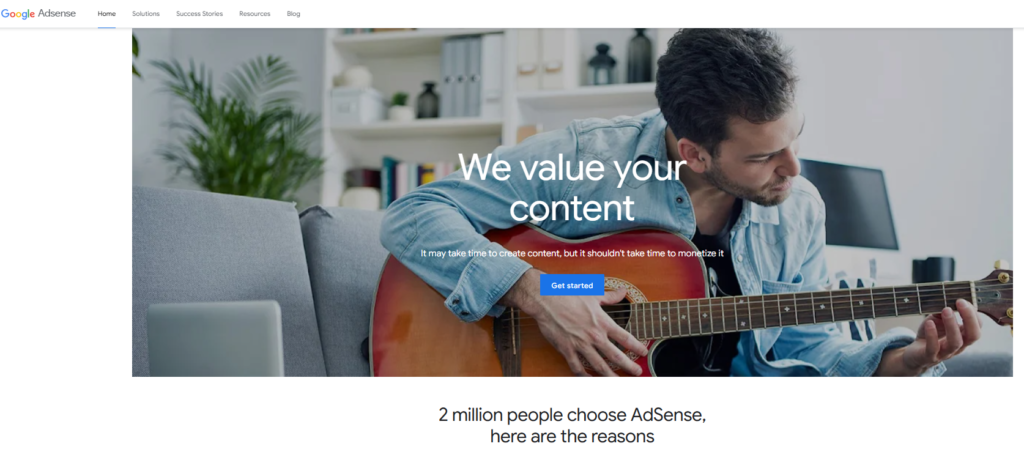 One of the most common ways to monetize UGC is through advertising. By placing ads next to user content, you can generate revenue based on metrics such as impressions, clicks, or conversions. This is an excellent starting point because it’s relatively easy to implement through popular ad networks like Google AdSense. These platforms allow you to set up ads that are relevant to your users’ interests, helping you earn based on the traffic your platform generates.
However, if you want to take things a step further, consider direct sponsorships. Especially for niche platforms, partnering with brands that align with your content can be incredibly lucrative. For example, if your platform is focused on travel, companies in the travel industry (such as airlines, hotels, or travel gear brands) may pay to display ads or even sponsor specific content that resonates with their target audience.
The key to success in advertising and sponsorships is to ensure that the ads are a natural fit for your users. Overloading your platform with irrelevant or excessive ads can turn users off, so balance is crucial.
“Opportunities don’t happen. You create them.” — Chris Grosser
This quote is particularly relevant when it comes to securing sponsorships. By focusing on building a highly engaged and loyal community, you create a strong value proposition for brands that want to reach your audience.
Subscription Models
Another highly effective way to monetize UGC is through subscription services. This model works well if your platform offers exclusive or premium content that users are willing to pay for. You can create different tiers of membership, where paying users get perks such as ad-free browsing, early access to new content, or special features.
Take Reddit Premium as an example. Reddit offers users the ability to remove ads and access exclusive features, such as special community badges, in exchange for a monthly fee. Similarly, platforms like Patreon allow users to support individual creators directly through subscriptions that grant them access to exclusive content like behind-the-scenes videos, early releases, or additional perks.
When implementing a subscription model, focus on providing real value to your paying users. Think about what makes your platform unique and what additional features or content might inspire users to upgrade to a premium tier.
Tools to Consider:
- Memberful: This tool allows you to build and manage a subscription service seamlessly.
- Patreon: Ideal for creators looking to offer exclusive content in exchange for monthly subscriptions.
Marketplaces and E-commerce Integration
If your platform has users who create their own products—whether digital or physical—you can introduce a marketplace where they can sell directly through your platform. By enabling users to sell goods or services like digital art, handcrafted items, or consulting services, you can take a small percentage of each sale as commission.
Think of platforms like Etsy or Fiverr, where users can monetize their skills or creations. If you have a platform that caters to a specific niche, like fitness or photography, you can allow users to sell workout plans, photography presets, or other digital products directly to others in the community.
This method works particularly well when your platform already has a strong sense of community. Users are more likely to buy from others they engage with regularly, especially if they trust the quality of their work.
Examples:
- Shopify: This platform allows you to integrate full e-commerce functionality within your site.
- WooCommerce: A highly customizable WordPress plugin that lets users set up their own online stores.
Affiliate Marketing
Affiliate marketing is an excellent way to monetize UGC with minimal effort. By promoting relevant products or services within the content your users are already creating, you can earn a commission on any sales made through your referral links.
For instance, if your platform focuses on tech reviews, your users can create content like tutorials or product reviews, and you can embed affiliate links to products sold on platforms like Amazon. Every time a visitor clicks the link and makes a purchase, you earn a percentage of the sale. The key is ensuring that the products or services you promote are highly relevant to your audience, which increases the likelihood of conversions.
Affiliate marketing works particularly well when the content on your platform is product-focused or educational. Users who are already discussing or recommending products can naturally integrate affiliate links into their posts, articles, or videos.
Popular Affiliate Programs:
- Amazon Associates: Offers commissions on a vast range of products, making it a versatile option for many platforms.
- ShareASale: Connects you with various retailers offering affiliate programs across different industries.
- Rakuten Marketing: A robust network for affiliate marketers.
Crowdfunding and Donations
For platforms with strong creative communities, crowdfunding and donations can be powerful monetization methods. By integrating tools like Patreon or Ko-fi, you can enable users to support their favorite creators directly with financial contributions. This model works particularly well for content creators who build a loyal following and want to continue creating content without relying solely on ads or sponsorships.
For example, Ko-fi allows users to contribute small amounts of money (like buying a creator a “coffee”), while Patreon provides ongoing monthly support in exchange for exclusive content or perks.
This method is popular in communities where users feel a strong connection to the content creators and genuinely want to support them in their endeavors. Integrating a donation button or setting up crowdfunding campaigns for specific projects can encourage users to contribute, especially if they get something special in return.
Crowdfunding Platforms:
- Patreon: Best for ongoing support of individual creators.
- Kickstarter: Great for one-time, project-based crowdfunding.
- Ko-fi: A lightweight platform that allows creators to accept tips or small donations.
Licensing and Rights Management
If your platform hosts high-quality UGC—such as stunning photos, videos, or digital art—you can make money by licensing this content to third parties. Licensing is a smart way to monetize premium content, especially when it’s in high demand from other businesses or media outlets.
For example, photographers or videographers who upload their work to your platform could license their content for use by brands, stock photo sites, or media companies. Your platform can take a commission for facilitating these deals while helping creators profit from their work.
Pixsy is a tool that helps creators protect their content and manage licensing agreements, ensuring that they are compensated when their work is used commercially. Getty Images is another example of a platform that licenses content from creators to businesses worldwide.
Tools for Licensing:
- Pixsy: Helps creators track and manage licensing of visual content.
- Getty Images: A well-known platform for creators to license their photography and artwork.
By exploring these strategies, you can transform your user-generated content into a sustainable revenue stream. Whether you’re just getting started or looking to take your platform to the next level, these methods offer multiple ways to profit while keeping your community engaged and thriving.
Actionable Steps for Monetizing User-Generated Content
Monetizing user-generated content (UGC) can seem overwhelming at first, especially since the right strategy depends largely on your platform’s audience, goals, and the type of content your users create. To make things easier, let’s break down practical, step-by-step strategies tailored to different types of platforms and user demographics.
Whether you have a niche community, a growing social network, or a creative content-sharing site, these steps will guide you through the process of turning UGC into a reliable revenue source.
Advertising and Sponsorships
Advertising and sponsorships are some of the most straightforward ways to monetize a platform, allowing you to earn revenue by placing relevant ads or partnering with brands. For small or niche communities, starting with basic ad placements or finding sponsors that align with your community’s interests can be an effective way to generate income without overwhelming users with too many ads.
For Beginners: Small or Niche Communities
- Step 1: Start with Google AdSense or another ad network. Sign up, configure your ad placements, and start earning based on clicks or impressions.
- Step 2: Gradually explore direct sponsorships by reaching out to small businesses or brands relevant to your niche. For example, if your platform focuses on fitness, reach out to local gyms, fitness equipment brands, or health food companies.
- Step 3: Ensure ad placements are non-intrusive. Test different ad locations (top banner, sidebar, etc.) to see what works best without overwhelming users.
For Intermediate: Growing Platforms
- Step 1: Use advanced tools like Google Ad Manager to manage your ad inventory and optimize revenue.
- Step 2: Develop media kits with key platform metrics (e.g., traffic, user demographics, engagement rates) to attract larger sponsors. Brands want data to justify their investment.
- Step 3: Diversify your ad offerings by exploring native ads (ads that blend with content) or sponsored content (brand partnerships for unique articles or videos).
For Advanced: Large, Established Communities
- Step 1: Use programmatic advertising (automated buying and selling of ads in real-time) to maximize revenue. Platforms like DoubleClick or OpenX can help.
- Step 2: Focus on exclusive sponsorship packages for premium placement. For example, offer a large brand exclusive banner space or content sponsorship for a higher fee.
- Step 3: Implement A/B testing to determine which ad formats (video ads, pop-ups, sponsored posts, etc.) drive the highest engagement and revenue without degrading user experience.
Subscription Models
Subscription models are an excellent way to generate consistent revenue from your platform, especially if you offer value that users are willing to pay for. By providing premium features, exclusive content, or enhanced experiences, you can create a reliable income stream while building a dedicated community. For small or niche communities, starting with a simple subscription model is a great way to ease into monetization without overwhelming your users.
For Beginners: Small or Niche Communities
- Step 1: Start by offering ad-free browsing as a simple premium feature. This is an easy sell to users who already love your platform but want a cleaner experience.
- Step 2: Use platforms like Memberful or Patreon that offer easy-to-integrate subscription models without complex development.
- Step 3: Offer early access to new features or content for premium users (e.g., beta testing or exclusive videos).
For Intermediate: Growing Platforms
- Step 1: Develop tiered subscription models, where each level offers different perks. For instance, a basic membership could remove ads, while a premium membership might include exclusive content or community badges.
- Step 2: Offer discounts or special promotions (e.g., a free trial month of premium access) to entice users to upgrade.
- Step 3: Leverage data to personalize offers for users. For example, if someone frequently engages with certain content, offer them premium access to similar exclusive content.
For Advanced: Large, Established Communities
- Step 1: Create customized premium features like private chat rooms, exclusive webinars, or virtual events that only premium members can access.
- Step 2: Implement dynamic pricing or paywall systems that encourage users to upgrade after they’ve consumed a set amount of free content.
- Step 3: Partner with third-party services to offer bundled subscriptions (e.g., access to both your platform and a related service at a discount).
Marketplaces and E-commerce Integration
Integrating a marketplace or e-commerce feature into your platform is a great way to allow users to monetize their creations, whether they’re selling digital products, physical goods, or services. For small or niche communities, setting up a marketplace can foster deeper engagement and create a new revenue stream by taking a small commission on each sale. This approach empowers users to become sellers, further enriching the platform’s ecosystem.
For Beginners: Small or Niche Communities
- Step 1: Start by allowing users to sell digital products (e.g., eBooks, guides, or templates) using simple platforms like Gumroad or Shopify Lite.
- Step 2: Take a small commission (e.g., 5-10%) from each sale as a way to monetize these transactions.
- Step 3: Encourage users to list their products by offering free promotional support (e.g., platform-wide announcements, featured sections).
For Intermediate: Growing Platforms
- Step 1: Implement a full-fledged marketplace using tools like WooCommerce (for WordPress sites) or Shopify integration.
- Step 2: Offer customizable storefronts where users can brand their own shops within your platform. Charge a fee for premium features like advanced customization or additional product listings.
- Step 3: Build in user reviews and ratings to ensure quality and trust within the marketplace.
For Advanced: Large, Established Communities
- Step 1: Introduce a peer-to-peer marketplace where users can sell both digital and physical products. Take a commission on all transactions or charge listing fees.
- Step 2: Implement dropshipping partnerships or affiliate e-commerce models, where users can sell third-party products and earn commissions, while you take a cut from each sale.
- Step 3: Offer premium seller accounts that come with advanced analytics, marketing tools, and higher commission rates.
Affiliate Marketing
Affiliate marketing is one of the most accessible and low-maintenance ways to monetize user-generated content (UGC). By promoting relevant products or services through affiliate links, your platform can earn commissions on sales without needing to create or sell products directly. For small or niche communities, this method works particularly well when you recommend products that align with your community’s interests, ensuring that any promotions feel organic and valuable to users.
For Beginners: Small or Niche Communities
- Step 1: Join affiliate programs like Amazon Associates, ShareASale, or CJ Affiliate to find relevant products to promote.
- Step 2: Create content hubs (e.g., product reviews, tutorials, or how-to guides) that naturally integrate affiliate links.
- Step 3: Ensure your affiliate links are clearly disclosed to maintain user trust and comply with regulations.
For Intermediate: Growing Platforms
- Step 1: Partner with niche affiliate programs that align closely with your audience. For example, if your platform is focused on photography, look for specific camera gear or software affiliate programs.
- Step 2: Use tools like ThirstyAffiliates or Pretty Links to manage and track your affiliate links effectively.
- Step 3: Regularly create seasonal content that ties into shopping trends (e.g., holiday gift guides) to boost affiliate sales during peak buying periods.
For Advanced: Large, Established Communities
- Step 1: Negotiate exclusive affiliate deals where you earn a higher commission rate in exchange for promoting a specific product or service.
- Step 2: Automate your affiliate marketing efforts using email marketing campaigns or pop-ups that promote products based on the user’s browsing behavior.
- Step 3: Use A/B testing to optimize which affiliate products and placements drive the most conversions on your platform.
Crowdfunding and Donations
Crowdfunding and donation models provide a direct way for users to financially support their favorite creators or platform initiatives. For small or niche communities, this method can be particularly effective because it leverages the strong connection between users and creators. By allowing users to contribute voluntarily, creators can continue producing content, and platforms can maintain operations without relying solely on ads or paid memberships.
For Beginners: Small or Niche Communities
- Step 1: Set up a Ko-fi or Buy Me a Coffee account to allow users to support your platform or their favorite creators with small, one-time donations.
- Step 2: Offer simple perks (e.g., thank-you notes or shout-outs) to incentivize donations.
- Step 3: Add donation buttons or widgets on key pages of your platform to make contributing easy.
For Intermediate: Growing Platforms
- Step 1: Use Patreon or Kickstarter to launch more structured crowdfunding campaigns, offering tiered rewards (e.g., exclusive content, early access, or merchandise) to backers.
- Step 2: Promote your crowdfunding campaign through email newsletters or social media to reach a larger audience.
- Step 3: Offer stretch goals or additional rewards to increase engagement and encourage larger donations.
For Advanced: Large, Established Communities
- Step 1: Create a dedicated crowdfunding section on your platform where users can support specific projects, creators, or platform features.
- Step 2: Partner with creators to offer long-term donation models (e.g., recurring monthly support) with exclusive benefits like private events, behind-the-scenes content, or chats.
- Step 3: Launch branded crowdfunding campaigns to fund major platform updates, new features, or community-driven projects.
Licensing and Rights Management
Licensing and rights management offer a way for platforms and creators to monetize high-quality user-generated content (UGC) by granting third parties the rights to use it. This method is particularly valuable for communities where users produce creative assets, such as images, videos, or music. For small or niche communities, establishing a simple licensing system can help creators protect their work while generating income through licensing deals.
For Beginners: Small or Niche Communities
- Step 1: Start by offering basic licenses for user-generated content, like photographs or videos, using platforms like Pixsy or Getty Images.
- Step 2: Promote the licensing option to your users, showing them how they can earn money from their content.
- Step 3: Take a small commission for each licensing deal facilitated through your platform.
For Intermediate: Growing Platforms
- Step 1: Develop a content library of high-quality user-generated content that can be licensed to third parties (e.g., media companies or advertisers).
- Step 2: Offer license packages for brands that want to use content for commercial purposes (e.g., social media campaigns, ads, etc.).
- Step 3: Create exclusive licensing deals with brands or agencies that want to use your platform’s content regularly.
For Advanced: Large, Established Communities
- Step 1: Launch a rights management system that helps users track where their content is being used and ensures they are compensated accordingly.
- Step 2: Partner with stock image or video platforms (like Shutterstock or Adobe Stock) to offer high-quality UGC for licensing.
- Step 3: Implement automated licensing agreements that streamline the process for brands looking to purchase UGC at scale.
By following these tailored, step-by-step strategies, you can effectively monetize user-generated content—no matter your platform’s size or your users’ experience levels.
Common Mistakes to Avoid When Monetizing UGC
Monetizing user-generated content (UGC) can be highly rewarding, but it’s important to strike the right balance between generating revenue and maintaining a positive user experience. Here are some common mistakes to avoid when implementing monetization strategies on your platform.
Overloading the Platform with Ads
One of the most frequent mistakes platforms make when trying to monetize UGC is overwhelming users with excessive ads. While ads are a popular and relatively easy way to generate revenue, overloading your platform with too many can quickly alienate your audience. Users come to your platform for the content—not to be bombarded by ads. If your site feels cluttered or too focused on revenue generation, users will likely leave in search of a more streamlined experience. The goal should always be to maintain a balance where ads complement the user experience, not detract from it. Strategically place ads in areas that don’t disrupt content consumption, and consider limiting the number of ads shown per session.
Ignoring Community Feedback
Your community is your platform’s lifeblood. Ignoring feedback from your users is a critical mistake that can lead to decreased engagement and user turnover. When pushing monetization efforts, it’s essential to stay in tune with what your community values and how they feel about the changes you’re making. Regularly engage with your users through surveys, polls, or direct communication on forums to gather their thoughts on your monetization strategies. Users are much more likely to embrace ads, subscriptions, or sponsored content if they feel their opinions have been taken into account. Ignoring this feedback not only erodes trust but also risks alienating your most loyal users, who may see your platform as more focused on profit than creating value for them.
Failing to Maintain Content Quality
Another common mistake is letting content quality decline in the pursuit of monetization. When a platform becomes overly focused on revenue, it’s easy to sideline the importance of high-quality content creation and curation. If your platform allows low-quality or spammy content to flood the site, users will quickly notice and leave. Monetization efforts should never come at the cost of the user experience. Instead, they should enhance it. For instance, if you’re introducing sponsored content or affiliate marketing, ensure that it aligns well with your community’s interests and maintains your platform’s standards. High-quality content is what keeps users coming back, so safeguarding this aspect of your platform is crucial for long-term success.
Frequently Asked Questions (FAQs)
How do I get started with monetizing user-generated content?
Start by analyzing the types of UGC on your platform and identifying the most suitable monetization strategies. Ads, subscriptions, and affiliate marketing are often the easiest to implement.
What is the best monetization method for beginners?
Advertising and affiliate marketing are typically the simplest for beginners since they require little upfront investment and can be applied broadly.
How can I offer premium content without alienating free users?
Offer a tiered system where free users still enjoy basic content, and premium features add value without disrupting the core experience.
What’s the easiest way to integrate a marketplace?
Use tools like Shopify or WooCommerce to create a marketplace where users can sell directly on your platform.
Is it better to use ads or a subscription model?
It depends on your audience. If they’re willing to pay for exclusive content or features, a subscription model might be more profitable. Ads work best for platforms with a large, free user base.
How do I maintain content quality while growing my platform?
Implement content moderation tools and guidelines to ensure that user-generated content remains high-quality and relevant.
Should I charge users to post content?
Charging users to post content can discourage engagement, so it’s typically better to monetize through ads or subscriptions.
How can I attract brands for sponsorships?
Build a niche audience and demonstrate engagement metrics like views, likes, and shares to attract sponsors.
Can I combine multiple monetization methods?
Absolutely! Many of the most successful platforms use a combination of ads, subscriptions, and affiliate marketing to create multiple revenue streams.
How do I stay competitive in the UGC space?
Continuously innovate, listen to your community, and implement new features that enhance the user experience.
Monetizing UGC Effectively
In this article, we’ve explored key strategies to effectively monetize user-generated content (UGC) while maintaining a positive user experience. The actionable tips provided are simple and scalable, making them easy to implement no matter the size or type of your platform. From avoiding ad overload to engaging with your community for feedback, these methods ensure that your monetization efforts align with user expectations and drive long-term success.
The key takeaways include:
- Balance monetization with user experience to ensure that ads or sponsored content don’t overwhelm your platform.
- Engage with your community regularly to understand their needs and preferences, ensuring that your monetization strategy is well-received.
- Maintain content quality to keep users engaged, even as you introduce revenue-generating elements like affiliate marketing or subscriptions.
- Explore diverse revenue streams such as crowdfunding, licensing, and marketplace integration to diversify your income sources.
In addition to these strategies, it’s essential to stay up-to-date with broader industry trends that may affect the future of monetization and content creation. For example, concerns about AI replacing jobs have been growing, especially in creative fields where UGC is prevalent. To get a clear understanding of how AI might impact jobs and content creation, check out this insightful video: AI Killing Jobs? Here Is The Answer. This video offers a balanced perspective on the role of AI in the workforce and its potential effects on various industries, including digital content platforms.
For More Free Videos, Subscribe to the Rhodes Brothers YouTube Channel.
It’s time to take action! Begin implementing these strategies today to start monetizing your UGC while keeping your community happy and engaged. Every step you take will get you closer to turning your platform into a sustainable business.
Thank you for checking out this article! For more tips, strategies, and insights on building a successful platform, make sure to view and subscribe to the Rhodes Brothers YouTube Channel for the latest videos and advice to help you succeed.
Resource List
Books
- “The Lean Startup” by Eric Ries – A must-read for anyone looking to build a sustainable business model, including monetizing UGC.
- “Hooked: How to Build Habit-Forming Products” by Nir Eyal – Learn how to create engaging platforms that users return to, which is crucial for successful monetization.
Blogs
- TechCrunch – Provides insights on the latest trends in tech and digital platforms, including monetization strategies.
- Neil Patel’s Blog – Offers detailed marketing strategies, including how to monetize content and drive traffic to your site.
Podcasts
- The Smart Passive Income Podcast by Pat Flynn – A great resource for learning about online monetization strategies, including affiliate marketing and ad revenue.
- Masters of Scale by Reid Hoffman – Features interviews with successful entrepreneurs on building scalable businesses.
Courses
- “Monetize Your Content” by Udemy – A comprehensive guide to turning user-generated content into revenue.
- Coursera’s Digital Marketing Specialization – Learn about the fundamentals of digital marketing, including how to monetize content effectively.
Tools
- Google AdSense – A simple way to start displaying ads on your platform and generating revenue.
- Patreon – Great for crowdfunding and securing ongoing support from your audience.
- Gumroad – An easy-to-use platform for selling digital products like eBooks and courses.
- Pixsy – Helps creators protect and monetize their visual content by managing licensing and copyright issues.
Online Communities
- Reddit – Subreddits like r/Entrepreneur and r/SideProject offer insights and advice from others trying to monetize their UGC.
- Product Hunt – Stay on top of the latest tools and platforms to help you monetize online content.
Monetizing UGC Cheat Sheet
- Monetization should never overwhelm user experience.
- Start with easy-to-implement ad networks like Google AdSense.
- Engage with your community and listen to feedback before implementing monetization strategies.
- Offer premium subscriptions with exclusive content or ad-free browsing.
- Partner with brands for direct sponsorships aligned with your platform’s niche.
- Monetize through affiliate marketing by promoting relevant products to your community.
- Crowdfunding tools like Ko-fi or Patreon allow users to support creators directly.
- Implement a marketplace for users to sell digital or physical products.
- Ensure content quality doesn’t suffer from over-commercialization.
- Explore content licensing as another revenue stream.
- Use tools like Pixsy to manage and protect user-generated visual content.
- Be transparent about sponsored content and affiliate links to maintain trust.
- Maintain a balance between free and premium content to keep all users engaged.
- Regularly optimize ad placements and formats to improve user experience.