
You’re the host of a sizzling podcast, serving up piping-hot content to your hungry audience. But now, it’s time to sprinkle some financial seasoning on your show.
How? By landing those high-paying sponsorship deals that can turn your passion project into a money-making feast!
Fear not, my fellow podcaster! I’ve got the recipe for success. Just like a master chef with secret ingredients, you’ll learn how to attract sponsors who crave your unique flavor. These sponsors are like food critics, eager to savor your content and share it with a wider audience. So grab your apron, fire up the mic, and let’s cook up some podcast magic!
Remember, landing sponsorship deals is like cooking a gourmet meal. It takes time, patience, and the right ingredients. But with a little creativity and determination, you can turn your podcast into a profitable venture.
TL;DR
- Understand your audience: Know your listeners inside and out to attract sponsors who align with their interests.
- Craft a compelling media kit: Showcase your podcast’s value and reach with a professional and engaging media kit.
- Build relationships: Network with potential sponsors and cultivate genuine connections.
- Negotiate effectively: Know your worth and negotiate fair rates for your sponsorship deals.
- Deliver exceptional value: Go above and beyond to fulfill your sponsorship obligations and exceed expectations.
Understanding Your Audience
Before you can start attracting sponsors, you need to understand who your audience is. What are their interests? What are their demographics? What are their pain points? The more you know about your audience, the better you can target sponsors who are a good fit for them.
For example, if you have a podcast about sustainable living, your audience is likely interested in topics like eco-friendly products, organic food, and renewable energy. You could target sponsors like companies that sell reusable water bottles, organic clothing, or solar panels.
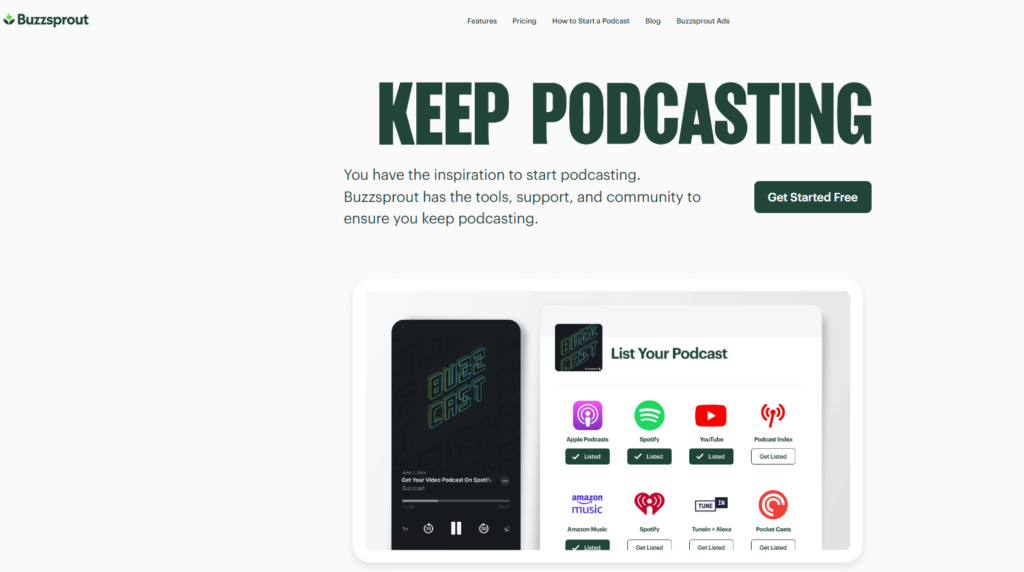
To gain a deeper understanding of your audience, utilize tools like Google Analytics, Buzzsprout, and Libsyn. These platforms provide detailed analytics, including listener demographics, interests, and engagement metrics. This data can help you identify the specific needs and desires of your audience, making it easier to attract relevant sponsors.
Think of your audience as your most valuable asset. They’re the reason sponsors want to work with you. By understanding their needs and desires, you can create a compelling pitch that resonates with potential sponsors.
Crafting a Compelling Media Kit
Your media kit is your first impression. It’s your chance to showcase your podcast’s value and reach to potential sponsors. A well-crafted media kit should include:
- Podcast overview: A brief description of your podcast’s topic, format, and target audience.
- Listenership data: Statistics on your podcast’s downloads, engagement, and demographics.
- Advertising options: Clearly defined sponsorship packages with pricing and deliverables.
- Testimonials: Quotes from satisfied listeners and previous sponsors.
- Contact information: Your name, email address, and social media handles.
To create a visually appealing and professional media kit, consider using design platforms like Canva or simply create a digital kit using Google Docs. In your media kit, highlight your podcast’s average downloads per episode, listener demographics (age, location, interests), and engagement metrics (average listening time, social media engagement). Include testimonials from satisfied listeners and previous sponsors, showcasing the positive impact your podcast has had.
The Power of Networking
Networking is crucial for landing high-paying sponsorships. Reach out to potential sponsors and introduce yourself. Attend industry events, connect on social media, and participate in online communities. Building genuine relationships with sponsors can lead to long-term partnerships and lucrative deals.
Attend industry conferences, workshops, or meetups related to your podcast’s niche. Connect with sponsors on LinkedIn, Twitter, or Instagram. Join relevant Facebook groups or online forums. These platforms provide valuable opportunities to connect with potential sponsors and industry professionals.
Negotiating Effectively: Knowing Your Worth
When it comes to negotiating sponsorship deals, it’s important to know your worth. Research industry benchmarks and compare your podcast’s reach and engagement to similar podcasts. Don’t be afraid to ask for what you deserve. Remember, you’re providing a valuable service to sponsors by connecting them with your engaged audience.
Use tools like SponsorPitch or Podmatch to research industry benchmarks and compare your podcast’s reach and engagement to similar podcasts. This will help you determine a fair rate for your sponsorship deals.
Delivering Exceptional Value: Going Above and Beyond
Once you’ve secured a sponsorship deal, it’s important to deliver exceptional value. Go above and beyond to fulfill your obligations and exceed expectations. This could include:
- Creating engaging content: Integrate the sponsor’s message into your podcast in a natural and authentic way.
- Promoting the sponsor: Share the sponsor’s website, social media handles, and promotional offers with your listeners.
- Providing regular updates: Communicate with the sponsor about your podcast’s performance and provide regular reports.
For example, if you have a sponsorship deal with a company that sells organic coffee, you could create a segment on your podcast about the benefits of organic coffee. You could also share the sponsor’s website and social media handles with your listeners and encourage them to use a special discount code.
To track your podcast’s performance and create reports for your sponsors, use tools like Google Sheets. Utilize social media scheduling tools like Hootsuite or Buffer to schedule your social media posts promoting your sponsors.
Just like podcasts, YouTube channels are a great way to build an audience and attract sponsors. If you’re looking for ways to grow your YouTube channel, check out this video: How To Grow Your Small YouTube Channel Using A.I.
For More Free Videos, Subscribe to the Rhodes Brothers YouTube Channel.
Actionable Steps and Direct Advice
If you’re just starting out, focus on building a strong foundation. Begin by defining your audience – create a detailed profile of your ideal listener. Understand their interests, demographics, and pain points. Don’t be afraid to start small; reach out to smaller businesses or local brands that might be a good fit for your podcast.
Build a strong media kit that showcases your podcast’s value and reach, including listenership data, testimonials, and clear sponsorship packages. Network actively – attend industry events, connect on social media, and participate in online communities. Building relationships and landing sponsorships takes time, so be patient and persistent.
For experienced podcasters, it’s time to leverage your existing data and expertise. Analyze your audience using tools like Google Analytics to understand their demographics, interests, and engagement levels. Develop a tiered sponsorship strategy, offering different packages with varying levels of pricing and deliverables.
Seek out high-value sponsors – target brands that align with your podcast’s niche and have a proven track record of successful sponsorships. Negotiate confidently, knowing your worth and being prepared to walk away from deals that don’t meet your expectations. Finally, focus on delivering exceptional value – go above and beyond to fulfill your sponsorship obligations and exceed expectations.
Common Mistakes to Avoid
- Not understanding your audience: Failing to understand your audience can lead to attracting sponsors who are not a good fit.
- Creating a weak media kit: A poorly crafted media kit can make it difficult to secure sponsorships.
- Ignoring networking opportunities: Not building relationships with potential sponsors can limit your chances of landing deals.
- Underestimating your worth: Don’t undervalue your podcast’s reach and engagement. Negotiate fair rates for your sponsorships.
- Failing to deliver value: Not fulfilling your sponsorship obligations can damage your reputation and future opportunities.
Frequently Asked Questions
Q: How do I find potential sponsors for my podcast?
A: Start by identifying brands that align with your podcast’s topic and target audience. Look for companies that are active in your industry or that have a history of sponsoring podcasts. You can also use online tools like SponsorPitch and Podmatch to find potential sponsors.
Q: What are some common types of podcast sponsorships?
A: Common types of podcast sponsorships include:
- Read ads: The sponsor provides a script that you read during your podcast.
- Hosted segments: The sponsor provides a script and you host a segment dedicated to their product or service.
- Product placements: The sponsor provides a product that you use or mention during your podcast.
- Social media promotions: The sponsor asks you to promote their brand on your social media channels.
Q: How do I negotiate a fair rate for a sponsorship deal?
A: Research industry benchmarks and compare your podcast’s reach and engagement to similar podcasts. Consider your podcast’s listenership, engagement, and the value you can provide to the sponsor. Don’t be afraid to negotiate for a fair rate.
Q: What are some tips for creating a compelling media kit?
A: Your media kit should be professional, engaging, and informative. It should include:
- A clear and concise overview of your podcast.
- Statistics on your podcast’s listenership and engagement.
- Clearly defined sponsorship packages with pricing and deliverables.
- Testimonials from satisfied listeners and previous sponsors.
- Your contact information.
Q: How do I integrate sponsors into my podcast in a natural and authentic way?
A: The key is to be transparent with your listeners and to make the sponsorship feel like a natural part of your podcast. Don’t force the sponsorship into your content. Instead, find ways to integrate it in a way that adds value to your listeners.
Q: How do I measure the success of my podcast sponsorships?
A: Track the following metrics to measure the success of your podcast sponsorships:
- Downloads: How many downloads did your podcast receive during the sponsorship period?
- Engagement: How many listeners interacted with the sponsor’s message?
- Website traffic: How much traffic did the sponsor’s website receive from your podcast listeners?
- Sales: Did the sponsor see an increase in sales after your podcast sponsorship?
Q: How do I build relationships with potential sponsors?
A: Attend industry events, connect on social media, and participate in online communities. Reach out to potential sponsors and introduce yourself. Build genuine relationships with sponsors by showing interest in their business and their goals.
Q: What are some resources for learning more about podcast sponsorships?
A: Here are some resources for learning more about podcast sponsorships:
- The Podcast Host Academy: This online course provides comprehensive training on all aspects of podcasting, including sponsorship.
- The Podcasters’ Paradise: This website offers a wealth of resources for podcasters, including articles, guides, and tools for securing sponsorships.
- Podcast Sponsorships: A Practical Guide: This ebook provides a step-by-step guide to landing high-paying sponsorship deals.
Q: How can I make sure my podcast is a good fit for potential sponsors?
A: Focus on creating high-quality content that is engaging and informative. Build a loyal audience by consistently delivering valuable content. Track your podcast’s performance using tools like Google Analytics, Buzzsprout, or Libsyn. This data will help you identify your audience’s interests and demographics, making it easier to attract sponsors who align with your content.
Q: How can I make sure I’m getting a fair deal from sponsors?
A: Research industry benchmarks and compare your podcast’s reach and engagement to similar podcasts. Use tools like SponsorPitch or Podmatch to get an idea of typical sponsorship rates. Don’t be afraid to negotiate for a fair rate that reflects the value you bring to sponsors.
Unlocking Your Podcast’s Potential
Landing high-paying sponsorship deals is about more than just attracting brands; it’s about building a strong foundation for your podcast’s success. By understanding your audience, crafting a compelling media kit, building relationships, negotiating effectively, and delivering exceptional value, you can turn your podcast into a lucrative business.
Get started today by taking the first step! Analyze your audience, create a professional media kit, and start networking with potential sponsors. Remember, you’ve got the passion, the content, and the audience – now it’s time to unlock your podcast’s full potential and turn it into a profitable venture.
Thank you for joining us! Check out the Rhodes Brothers YouTube Channel for the latest videos and information to help you succeed.
Resource List
Podcast/Blogs:
- The Podcast Host Academy
- Podcast Sponsorships: A Practical Guide
- The Art of Podcasting
- Podcast Marketing Mastery
Tools:
Podcast Sponsorships Cheat Sheet
- Know your audience: Understand their interests, demographics, and pain points.
- Craft a compelling media kit: Showcase your podcast’s value and reach with a professional and engaging media kit.
- Build relationships: Network with potential sponsors and cultivate genuine connections.
- Negotiate effectively: Know your worth and negotiate fair rates for your sponsorship deals.
- Deliver exceptional value: Go above and beyond to fulfill your sponsorship obligations and exceed expectations.
- Start small: Don’t be afraid to reach out to smaller businesses or local brands.
- Be patient: Building relationships and landing sponsorships takes time.
- Analyze your data: Use tools like Google Analytics to understand your audience.
- Develop a tiered sponsorship strategy: Offer different sponsorship packages with varying levels of pricing and deliverables.
- Seek out high-value sponsors: Target brands that align with your podcast’s niche.
- Negotiate confidently: Know your worth and be prepared to walk away from deals that don’t meet your expectations.
- Focus on delivering exceptional value: Go above and beyond to fulfill your sponsorship obligations.