
For More Free Videos, Subscribe to the Rhodes Brothers YouTube Channel.
“Growth is the antidote to dying. If you’re growing, you can’t be dying—not at the same time.” – John S. Rhodes, Rhodes Brothers

It’s a bold statement, but it resonates with truth. The traditional notion of retirement—the idea of stopping work entirely and coasting into the sunset—is outdated, unfulfilling, and, quite frankly, a lie. Retirement, as most people understand it, is not the ultimate goal it’s made out to be. Instead, continuous growth, creation, and contribution are the keys to a meaningful, vibrant life, whether you’re 25 or 85.
This article explores why stopping work entirely can be detrimental to your mind, body, and soul, and how embracing purposeful work—paid or unpaid—can lead to a healthier, happier, and more fulfilling life. Along the way, we’ll dive into practical strategies, actionable steps, and common mistakes to avoid so you can reframe your approach to work and retirement.
TL;DR
- Retirement is a mindset, not a destination. Purposeful work keeps you sharp, active, and fulfilled.
- Growth is essential. Whether it’s physical, mental, or emotional, continuous improvement is the secret to a long, meaningful life.
- You don’t need to work 40+ hours a week. Even part-time work, volunteering, or creative pursuits can keep you engaged.
- Health and happiness go hand in hand with purpose. Staying active in work improves both mental and physical health.
- Work can take many forms. From gardening to mentoring to running a small business, find something that gives you purpose and joy.
Why Retirement Is a Lie: The Case for Never Stopping Work
Retirement, as traditionally defined, is a myth that limits potential and stifles fulfillment. The idea of stopping work entirely and “taking it easy” often leads to stagnation rather than happiness. In reality, life thrives on purpose, growth, and contribution—qualities that continuous work, whether paid or unpaid, provides. As John S. Rhodes aptly puts it, “If you’re not growing, you’re dying.” Purposeful work keeps the mind sharp, the body active, and the spirit fulfilled, proving that retiring entirely is not the goal—it’s the challenge to keep creating and contributing that truly defines a meaningful life.
Work Gives You Purpose
When you stop working completely, you risk losing the sense of purpose that drives you to wake up every morning. Purpose is what keeps the mind sharp and the body moving. As John S. Rhodes said, “If you’re not growing, you’re dying.” Purposeful work—whether it’s volunteering, creating art, or mentoring others—fuels growth.
Even if you’re no longer in a traditional 9-to-5 job, engaging in meaningful activities helps you feel needed and appreciated. This sense of purpose doesn’t just benefit you—it inspires and uplifts others, creating a ripple effect.
Tools to Help You Find Purpose:
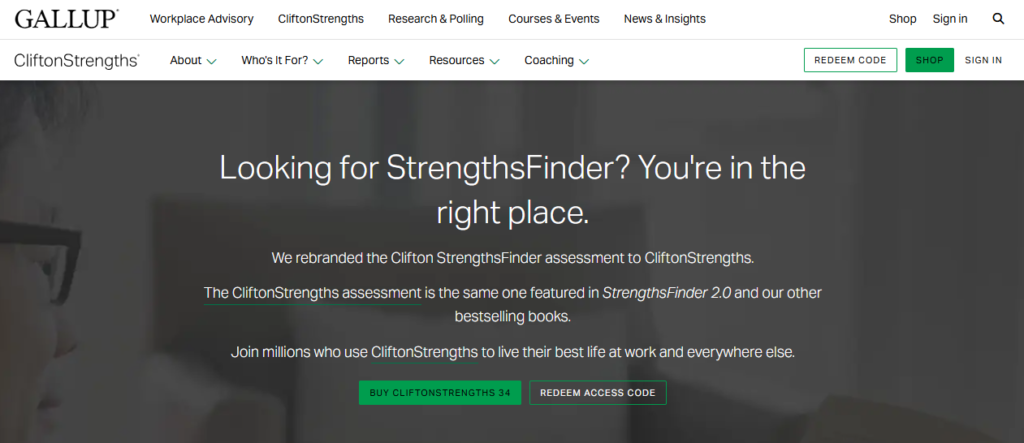
- StrengthsFinder 2.0 by Gallup: A book and online assessment that helps you identify your strengths and find fulfilling work.
- MindMeister: A mind-mapping tool to brainstorm and organize ideas for meaningful projects or hobbies.
- Meetup: An app to find local groups or activities that align with your interests.
Staying Active Keeps You Healthy
Science backs it up: people who remain active as they age live longer, healthier lives. Physical activity, even in small amounts, can drastically improve your quality of life. But here’s the kicker—staying active doesn’t mean hitting the gym five days a week. It can mean walking, gardening, or even tackling home improvement projects.
When you work with purpose, you naturally stay more active. For example:

- Gardening: A simple yet rewarding way to stay physically and mentally engaged.
- Volunteering in a soup kitchen: Combines movement with social interaction.
- Mentoring or teaching: Keeps your brain sharp and your social skills intact.
Tools to Track Physical Activity:
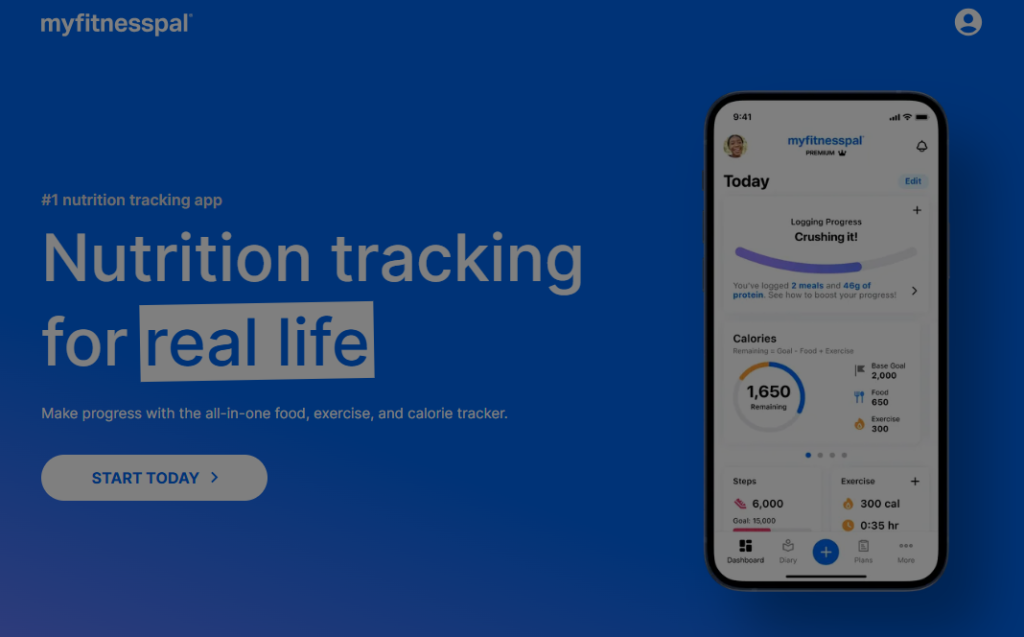
- Fitbit or Apple Watch: These fitness trackers monitor your steps, heart rate, and activity levels to keep you motivated.
- MyFitnessPal: A simple app to track your nutrition and movement.
- Yoga with Adriene (YouTube): Free yoga routines designed for all levels, perfect for staying active at home.
Solve Problems or Create Value
Problem-solving keeps the brain engaged. Whether you’re solving puzzles, creating art, or helping others, you’ll experience a dopamine boost that makes life more enjoyable. Some ideas include:
- Volunteering to help a non-profit streamline operations.
- Starting a blog to share your expertise.
- Organizing community events or workshops.
Tools to Help You Create Value:

- Canva: A user-friendly design tool for creating content like flyers, social media posts, or presentations.
- Squarespace or WordPress: Platforms to start a blog, share knowledge, or showcase your creative work.
- Slack: A communication tool for collaborating with teams or organizing community projects.
Embrace Lifelong Learning
Learning doesn’t stop after retirement. In fact, it should accelerate. Keeping your mind active with new skills or knowledge isn’t just good for your brain—it’s fun and deeply satisfying. Consider:
- Taking online courses on platforms like Coursera or Udemy.
- Reading books and listening to podcasts about topics that interest you.
- Learning new skills like woodworking, coding, or photography.
Tools for Lifelong Learning:
- Coursera: Offers courses from top universities in everything from art to business.
- Skillshare: A platform with thousands of classes on creative and practical skills.
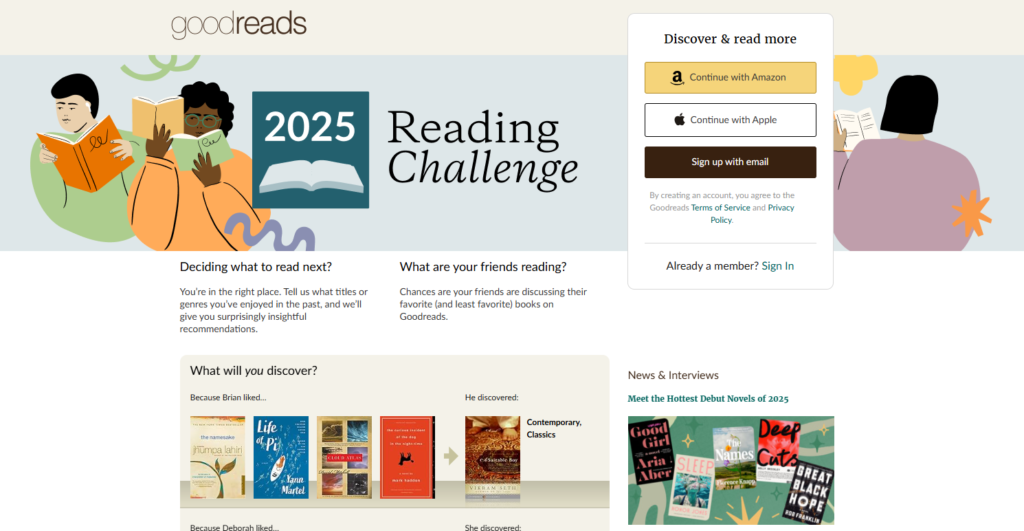
- Goodreads: A great tool to track books you want to read and discover new recommendations.
Build and Maintain Relationships
Isolation is one of the biggest dangers of traditional retirement. Staying socially connected is just as important as staying physically and mentally active. Purposeful work often involves collaboration, which naturally keeps you connected to others.
Some ways to stay socially active include:
- Scheduling regular coffee chats with friends or family.
- Joining hobby-based groups or clubs.
- Volunteering, which often involves working closely with others.
Tools for Staying Connected:
- Zoom or Google Meet: Great for virtual meetups with friends, family, or colleagues.
- Eventbrite: Find local events and workshops to attend.
- Facebook Groups: Join online communities related to your interests or hobbies.
Start a New Venture
Many retirees find fulfillment by starting a business or side hustle. It doesn’t have to be big—it could be as simple as selling crafts on Etsy, becoming a freelance consultant, or teaching classes online. This type of work allows you to stay engaged, earn income, and create something meaningful.
Tools for Starting a Venture:
- Etsy: A platform for selling handmade goods or vintage items.
- Fiverr or Upwork: Great for freelancing and offering your expertise.
- QuickBooks: A simple tool for managing finances for your small business.
Practice Gratitude and Mindfulness
Staying active is about more than just work. Practicing gratitude and mindfulness can help you find joy in the present moment and appreciate the life you’ve built. Journaling, meditation, and reflection are powerful tools for this.
Tools for Gratitude and Mindfulness:
- Headspace or Calm: Apps for guided meditation and mindfulness exercises.
- The Five-Minute Journal: A simple journal designed to help you focus on gratitude and positivity.
- Insight Timer: Offers thousands of free meditations for all levels.
Actionable Steps to Thrive Without Retiring Completely
Every stage of life brings unique opportunities to stay active, purposeful, and fulfilled. Thriving without retiring doesn’t mean working a 9-to-5 forever—it’s about finding meaningful ways to continue growing and contributing. Here’s a breakdown of actionable steps tailored to different demographics, so you can embrace purposeful living, no matter your age or circumstances.
For Young Professionals (Ages 20–40)
Build habits and explore opportunities that set the foundation for a lifetime of growth, contribution, and fulfillment.
Step 1: Redefine What Work Means to You
Work isn’t confined to climbing the corporate ladder. Explore opportunities that align with your passions while creating value:
- Volunteer to mentor high school students or college grads starting their careers.
- Start a YouTube channel or podcast sharing insights about your field.
- Build a side hustle, like freelance writing, graphic design, or selling handmade crafts.
Step 2: Stay Physically and Mentally Active
Balance career ambitions with healthy routines to avoid burnout:
- Begin each day with a 20-minute workout. Apps like Nike Training Club or Peloton can guide you.
- Dedicate time to learning new skills, like coding on Codecademy or personal finance management.
- Join a recreational sports league or group fitness class to stay social and active.
Step 3: Set Achievable Goals
- Commit to reading one professional development book per month.
- Take on one pro bono project per quarter to give back while building your skills.
- Set a fitness goal, like completing a 5K run within six months.
For Mid-Career Individuals (Ages 40–60)
Leverage your experience and skills to create meaningful impact while maintaining balance and vitality.
Step 1: Redefine What Work Means to You
Leverage your experience to create value in non-traditional ways:
- Volunteer at industry associations or professional groups.
- Mentor younger colleagues or offer career coaching.
- Write a book sharing lessons from your career or start a blog sharing niche expertise.
Step 2: Stay Physically and Mentally Active
Prioritize health and intellectual curiosity to maintain energy and focus:
- Join a local walking or cycling group for regular physical activity.
- Enroll in an online course to learn a new skill, like photography or digital marketing, on Udemy or MasterClass.
- Incorporate brain-boosting puzzles or apps like Lumosity into your daily routine.
Step 3: Set Achievable Goals
- Volunteer at least one weekend a month for community service.
- Dedicate time to a passion project, like restoring old furniture, painting, or gardening.
- Set a goal to attend one networking or industry event every quarter.
For Retirees or Older Adults (Ages 60+)
Focus on joy, connection, and staying active by embracing fulfilling activities that make every day purposeful.
Step 1: Redefine What Work Means to You
Focus on activities that bring joy and connection while contributing to others:
- Volunteer at a local library, animal shelter, or food bank.
- Offer wisdom and guidance by mentoring or tutoring students.
- Start a creative project like writing memoirs, painting, or crafting.
Step 2: Stay Physically and Mentally Active
Incorporate gentle activities that keep the body moving and the mind engaged:
- Take daily walks or try low-impact exercises like yoga or tai chi. YouTube channels like “Yoga with Adriene” offer free guidance.
- Learn something new, like playing a musical instrument or trying online cooking classes.
- Join a community book club or take part in trivia nights to stay socially and mentally sharp.
Step 3: Set Achievable Goals
- Commit to walking 5,000–10,000 steps daily, tracked with tools like Fitbit or Apple Watch.
- Volunteer a few hours weekly at a cause that resonates with you.
- Set a goal to connect with friends or family weekly, either in person or virtually.
Common Mistakes to Avoid
When redefining what work means to you and staying engaged later in life, there are common pitfalls that can hinder your progress. Avoiding these mistakes will help you maintain balance, purpose, and fulfillment throughout your journey.
Mistake 1: Believing You’re Done Growing
One of the biggest misconceptions about retirement is that it marks the end of personal and professional growth. Many people assume that after decades of working, they’ve earned the right to “check out” and stop learning or improving. While rest and relaxation are important, this mindset often leads to stagnation, boredom, and dissatisfaction.
Growth and progress don’t have an expiration date. Whether you’re picking up a new hobby, learning a skill, or mentoring someone, there’s always room to expand your horizons. Studies show that individuals who stay curious and engaged in lifelong learning experience better cognitive health, greater happiness, and a stronger sense of purpose.
How to Avoid This Mistake:
- Set lifelong learning goals. Take an online course, read books on topics you’re curious about, or attend workshops. Platforms like Skillshare or Coursera offer endless opportunities.
- Challenge yourself mentally. Solve puzzles, play strategy games, or try brain-training apps like Lumosity to keep your mind sharp.
- Seek new passions. Have you ever wanted to learn woodworking, gardening, or coding? Retirement is the perfect time to explore these interests.
Mistake 2: Isolating Yourself
Retirement often coincides with a reduced social circle. Without the daily interactions of the workplace, many retirees find themselves feeling isolated or lonely. This lack of connection can lead to mental health issues like anxiety and depression, and it often accelerates the aging process. s are inherently social beings, and maintaining meaningful relationships is essential for emotional and physical well-being. Socializing doesn’t just make life more enjoyable—it also has measurable health benefits, such as lowering blood pressure and reducing the risk of dementia.
How to Avoid This Mistake:
- Join groups or clubs. Whether it’s a book club, fitness class, or photography group, connecting with like-minded people can combat loneliness and give you a sense of belonging. Apps like Meetup make it easy to find local gatherings.
- Volunteer. Giving your time to a cause you care about is a powerful way to meet people and make a difference. Websites like VolunteerMatch can connect you to opportunities in your area.
- Stay intentional about relationships. Schedule regular meetups with friends and family. If distance is a challenge, use video conferencing tools like Zoom or Google Meet to stay connected.
Mistake 3: Neglecting Physical Health
Retirement often brings a more relaxed pace of life, but this can easily lead to a sedentary lifestyle. Without the structure of a work routine, it’s tempting to spend more time sitting—watching television, scrolling through your phone, or reading for hours on end. While rest is important, inactivity accelerates aging, weakens muscles, and increases the risk of chronic diseases like diabetes and heart disease.
Staying active doesn’t mean you need to start training for a marathon. Simple, consistent habits like walking, stretching, or light strength training can dramatically improve your physical health, boost energy levels, and reduce stress.
How to Avoid This Mistake:
- Incorporate movement into your day. Take a morning walk, join a yoga class, or try tai chi.
- Use tracking tools. Fitness apps like Fitbit or MyFitnessPal make it easy to set and track daily movement goals.
- Try a new physical activity. Dancing, swimming, or even gardening are excellent ways to stay active while having fun.
- Schedule regular health checkups. Prioritize preventive care by visiting your doctor and staying on top of screenings and vaccinations.
Mistake 4: Overworking
While staying active and engaged is essential, there’s a fine line between purposeful work and overworking. Some individuals, especially those transitioning from a demanding career, fall into the trap of taking on too much after retirement. This can happen when they feel pressured to stay busy or when they take on projects without clear boundaries.
Overworking can lead to burnout, stress, and a loss of enjoyment in the activities you once loved. Remember, the goal isn’t to replace one full-time job with another—it’s to find balance and fulfillment in the work you choose to do.
How to Avoid This Mistake:
- Set boundaries. Learn to say no to commitments that don’t align with your goals or values.
- Prioritize joyful activities. Focus on work or hobbies that genuinely bring you happiness and purpose, rather than those driven by obligation.
- Schedule downtime. Make time for relaxation, self-care, and leisure. Whether it’s reading, meditating, or simply enjoying nature, balance is key.
- Work part-time or in shorter bursts. If you’re taking on a paid role or volunteering, limit your hours to avoid feeling overwhelmed.
Frequently Asked Questions
What’s wrong with traditional retirement?
Traditional retirement often leads to stagnation, isolation, and a loss of purpose. Staying engaged in meaningful work keeps you healthier and happier.
Do I have to work full-time?
Not at all. Even part-time work, volunteering, or creative hobbies can provide purpose and fulfillment.
What if I don’t know what I’m passionate about?
Experiment with different activities—volunteering, learning a new skill, or mentoring others. Passion often develops through action.
Can I still relax and enjoy life?
Absolutely. The goal isn’t to work non-stop but to find fulfilling activities that keep you engaged.
Why is staying active so important?
Physical and mental activity promotes longevity, reduces the risk of chronic diseases, and improves overall quality of life.
Can I make money while staying active?
Yes! Many retirees start side hustles, consult, or freelance. This allows you to earn income while pursuing something you enjoy.
What are some good volunteer opportunities?
Look for local soup kitchens, libraries, schools, or animal shelters. Online platforms like VolunteerMatch can also connect you to causes that align with your values.
How do I avoid burnout?
Set boundaries and prioritize activities that bring you joy. Balance work with relaxation and self-care.
Is it too late to start something new?
Never. Lifelong learning and growth are possible at any age.
How can I stay socially connected?
Join clubs, attend community events, or use social media to connect with like-minded individuals.
Embracing a Purposeful Life Beyond Retirement
Retirement doesn’t have to mean the end of meaningful work, personal growth, or fulfilling connections. By redefining what work means to you, staying physically and mentally active, and setting achievable goals, you can create a life filled with purpose and joy at any stage. Avoiding common mistakes—like believing you’re done growing, isolating yourself, neglecting physical health, or overworking—will help you maintain balance and thrive.
The key to a fulfilling retirement (or post-retirement life) is not to stop working altogether but to engage in activities that bring value to yourself, your community, and those around you. Whether it’s through volunteering, mentoring, learning new skills, or pursuing passions, staying active and connected will lead to a healthier, happier, and more meaningful life. Remember, growth and contribution are lifelong pursuits, and every day is an opportunity to move forward.
Thank the user for joining us checking out the article, encourage them to view and subscribe to the Rhodes Brothers YouTube Channel for the latest videos and information to help them succeed.
Resource List
Here are some tools, programs, and platforms to help you stay active, connected, and engaged:
Lifelong Learning
- Coursera: Online courses from top universities on a variety of subjects. coursera.org
- Skillshare: Creative and practical skills taught by experts. skillshare.com
- MasterClass: High-quality courses taught by celebrities and industry leaders. masterclass.com
- Goodreads: Track books you’ve read or want to read and discover personalized recommendations. goodreads.com
Physical and Mental Health
- Fitbit: Track physical activity, sleep, and overall health. fitbit.com
- Yoga with Adriene: Free yoga classes for all levels on YouTube. youtube.com
- Lumosity: Brain-training games to keep your mind sharp. lumosity.com
- Calm: Guided meditation and mindfulness exercises. calm.com
Volunteering and Social Connection
- VolunteerMatch: Find volunteer opportunities in your area or online. volunteermatch.org
- Meetup: Join local groups for activities and hobbies that interest you. meetup.com
- Nextdoor: Connect with your neighbors and stay informed about local events. nextdoor.com
- Eventbrite: Discover workshops, classes, and social events near you. eventbrite.com
Creative and Entrepreneurial Pursuits
- Canva: Design tools for creating graphics, flyers, and more. canva.com
- Etsy: Sell handmade goods or vintage items. etsy.com
- Fiverr: Offer freelance skills like writing, graphic design, or web development. fiverr.com
- Squarespace or WordPress: Build a website for blogging, showcasing your work, or starting a small business. squarespace.com, wordpress.org
Social and Networking Tools
- Zoom: Virtual meetings for staying in touch with friends, family, or colleagues. zoom.us
- Facebook Groups: Join interest-based communities online. facebook.com/groups
- Slack: Collaborate with teams or organize community projects. slack.com