
For More Free Videos, Subscribe to the Rhodes Brothers YouTube Channel.
“Retirement isn’t the end of the road; it’s the beginning of the open highway.” If this resonates with you, then you’re in the right place. Whether you’re a few years away from retirement or already enjoying your golden years, one thing is certain: retirement is more than financial freedom—it’s about crafting a life you love. And here’s the best part: anyone can do it with the right mindset and strategies.

John S. Rhodes of the Rhodes Brothers puts it best: “Retirement isn’t about stopping. It’s about starting something new that brings you joy, contentment, and growth.” In this guide, we’ll dive deep into the retirement mindset, covering actionable strategies to help you plan your days, stay connected, and embrace a fulfilling post-career lifestyle.
TL;DR
- Prioritize happiness and passion: Identify activities that bring joy and contentment, and incorporate them into your daily life.
- Plan your days, weeks, and years: Use tools like calendars and journals to organize meaningful activities.
- Stay physically and mentally active: Engage in hobbies, puzzles, or classes to keep your body and mind sharp.
- Strengthen social connections: Build or maintain a strong social network to thrive emotionally.
- Learn to savor the present: Practice mindfulness and find joy in everyday moments.
- Test your retirement lifestyle: Experiment with hobbies, locations, and budgets before fully committing.
The Five Pillars of the Retirement Mindset
Retirement is not just about leaving your job—it’s about stepping into a new chapter of life that’s filled with purpose, joy, and fulfillment. By focusing on the right pillars, you can build a retirement that feels meaningful and exciting. These five foundational elements will help you craft a life you love, no matter where you are in your retirement journey.
Discover What Brings You Joy and Contentment
A fulfilling retirement begins with understanding what truly makes you happy. This isn’t just about fleeting pleasures but the deeper passions and activities that give you a sense of purpose and contentment.
Why It Matters
Many retirees find themselves lost after leaving the structured environment of work. Without goals or meaningful activities, life can feel stagnant. The key is to identify what excites and motivates you so that your days are filled with purpose.
How to Identify Your Joys and Passions
- Write It Down: Start a “happiness list,” noting down activities and experiences that bring you joy. For example:
- Spending time with grandchildren.
- Writing a memoir.
- Exploring the outdoors, like hiking or birdwatching.
- Reflect on Your Past: Think about hobbies or interests you enjoyed in your youth. Did you love painting as a teenager? Did you dream of traveling the world but never had the time?
- Experiment with New Interests: Sometimes, joy comes from unexpected places. Try something new, like pottery, gardening, or photography, and see if it resonates.
Example
Susan, 63, always dreamed of becoming a writer but never pursued it due to her busy career. In retirement, she started a blog about her travels, which not only brought her joy but also connected her with like-minded people around the world.
Tools to Help:
Day One (App): Journal your thoughts and track your happiness patterns.
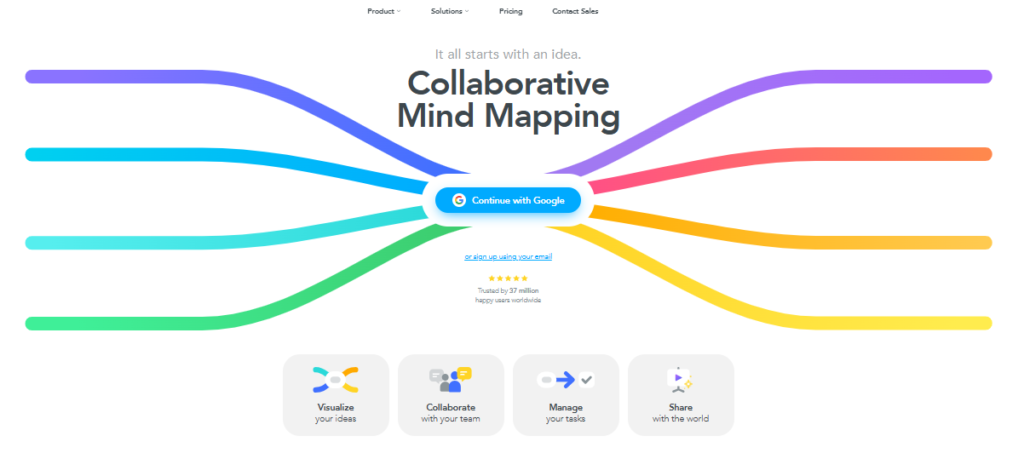
Mind Mapping Tools (e.g., MindMeister): Map out hobbies or passions to explore.
Plan Your Days Like a Pro
Without a plan, even the most exciting retirement can lose its shine. Having a clear structure will help you stay energized and give you something to look forward to.
Why Planning is Essential
A lack of structure can lead to boredom, procrastination, and even feelings of aimlessness. By planning your days, you ensure they’re filled with activities that align with your goals and passions.
How to Plan Effectively
- Use a Calendar or Planner:
-
-
- Write down big events like trips or family gatherings.
- Include daily routines, such as morning walks or hobby time.
-
- Plan in Advance:
-
-
- Create a yearly plan with major milestones or experiences, such as vacations or learning new skills.
- Break these into monthly or weekly steps.
-
- Balance Routine and Adventure:
-
- Have a consistent morning routine, but leave room for spontaneity.
- For example, spend Mondays volunteering and Wednesdays trying new restaurants.
Example
Let’s say you’ve always wanted to take up gardening. Your plan for the year might look like this:
- January–March: Research gardening techniques and read books.
- April–May: Set up your garden beds and plant seeds.
- June–September: Maintain your garden and harvest vegetables.
- October–December: Reflect on your progress and plan for the next year.
Tools to Help:

- Google Calendar: Set reminders for activities and events.
- Passion Planners: Track your long-term goals alongside daily tasks.
Stay Physically and Mentally Active
Your health is your wealth in retirement. Staying active not only enhances your quality of life but also ensures you can fully enjoy your newfound freedom.
Physical Activity Tips
- Find Exercises You Love: Dance, swim, hike, or take yoga classes. Choose activities that feel fun rather than obligatory.
- Set Small Goals: Begin with 10-minute daily walks and gradually increase duration or intensity.
Mental Activity Tips
- Solve Puzzles: Crosswords, Sudoku, and brain games are great for mental sharpness.
- Take Classes: Learn a new language, take an art class, or study history.
- Start a Hobby: Painting, woodworking, or even playing chess can challenge your brain in new ways.
Stat Alert: A 2024 study by the National Institute on Aging found that retirees who engage in regular physical and mental activities are 25% less likely to develop cognitive decline than their less active peers.
Tools to Help:
- Lumosity (App): Brain-training games to keep your mind sharp.
- YouTube Channels: Follow free fitness or hobby tutorials.
Strengthen Your Social Connections
Retirement can sometimes lead to social isolation, especially if your work relationships were your primary source of interaction. Building and maintaining a strong social network is critical for emotional and psychological well-being.
How to Stay Connected
- Reconnect with Old Friends: Call up an old friend and schedule a coffee date.
- Join Clubs or Groups: Love reading? Join a book club. Passionate about fitness? Find a local walking group.
- Volunteer: Help at a local shelter or teach a skill to others. Volunteering provides a sense of purpose while connecting you with like-minded people.
Example
David, 68, realized he missed the camaraderie of his workplace. He joined a woodworking class and found not only a new hobby but also a group of friends who shared his interests.
Tools to Help:

- Meetup: Discover groups in your area that align with your hobbies.
- Facebook Groups: Join online communities for retirees or specific hobbies.
Practice Living in the Moment
Retirement isn’t just about planning the future—it’s about savoring the present. Learning to be mindful and present can help you find joy in the simplest moments.
Mindfulness Strategies
- Gratitude Journals: Write down three things you’re thankful for each day.
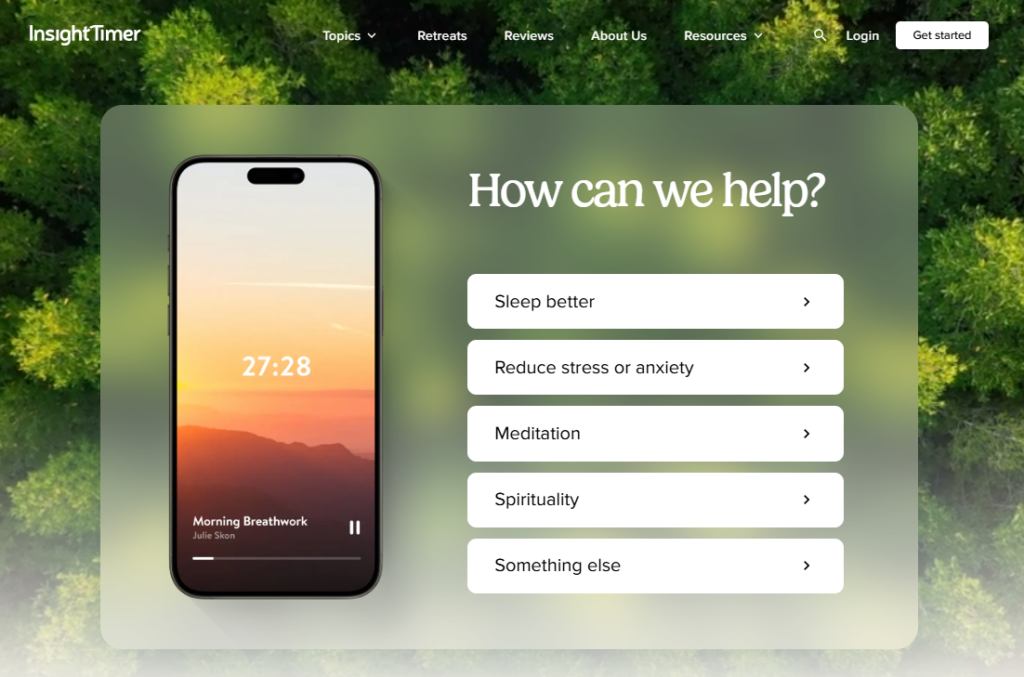
- Meditation Apps: Use apps like Calm or Insight Timer to develop a meditation habit.
- Slow Down: Take time to appreciate small details, like the warmth of the sun or the sound of birds in your garden.
Example
Sarah, 70, started practicing gratitude by writing down her favorite part of each day. Over time, she realized that even mundane moments, like sipping tea on her porch, brought her immense happiness.
Stat Alert: A 2023 report by the American Psychological Association found that mindfulness practices improved retirees’ overall happiness by 30%.
Actionable Steps to Test Your Retirement Lifestyle
Testing your retirement lifestyle before fully committing to it can save you from regret and help you design a life that truly works for you. Whether you’re a young retiree, a millennial planning for early retirement, or someone nearing traditional retirement age, these steps can be tailored to your unique goals and circumstances.
Test Your Ideal Location
Where you live during retirement can greatly influence your quality of life. Instead of making a permanent move right away, take the time to test potential retirement locations through extended vacations or trial stays. This is particularly important for different demographics who have varying priorities—whether it’s affordability, proximity to family, or access to activities.
For Younger Retirees (50s or Early Retirees):
- Why It Matters: Younger retirees often prioritize active lifestyles and adventure. Locations with outdoor activities, gyms, or vibrant social scenes might be a better fit.
- What to Do:
-
- Plan a month-long stay in a location that excites you (e.g., a beach town, mountain retreat, or bustling city).
- Test drive the lifestyle by joining local groups or attending events.
- Evaluate amenities like hiking trails, gyms, or coworking spaces if you plan to have a side hustle.
- Take note of accessibility to healthcare, as it might not be an immediate concern now but will matter long-term.
For Traditional Retirees (60s and Beyond):
- Why It Matters: Proximity to family, healthcare, and a slower pace of life are often top priorities.
- What to Do:
-
- Take a two-week vacation to explore the area during different seasons.
- Connect with local retirement communities to see if they match your social and lifestyle needs.
- Assess the cost of living, transportation options, and access to healthcare providers.
- Test daily routines, like grocery shopping or attending local events, to see if the location feels like home.
For Aspiring Early Retirees (Millennials/Gen Z):
- Why It Matters: Early retirees often prioritize affordable living and remote work-friendly environments.
- What to Do:
-
- Look into international locations known for affordable living, like Portugal or Mexico.
- Spend a few months working remotely from potential locations to gauge internet reliability and work-life balance.
- Test the local food, transportation, and social opportunities to see if they align with your lifestyle.
Key Questions to Ask While Testing:
- Is the cost of living sustainable on my retirement income?
- Do the weather and seasons suit my preferences?
- Are there opportunities for socializing, hobbies, and personal growth?
Try New Hobbies
Retirement is a perfect time to explore new hobbies that bring joy, fulfillment, and even a sense of purpose. Testing hobbies before fully committing helps you determine if they’re worth pursuing long-term.
For Younger Retirees:
- Why It Matters: Younger retirees often look for hobbies that are physically engaging and social.
- What to Do:
-
- Rent equipment for active hobbies, like kayaking, paddleboarding, or skiing.
- Take group classes for activities like salsa dancing or martial arts to meet like-minded people.
- Test hobbies that could turn into a side hustle, like woodworking, photography, or writing.
For Traditional Retirees:
- Why It Matters: Traditional retirees may prefer hobbies that are relaxing, creative, or community-oriented.
- What to Do:
-
- Sign up for one-off workshops, like pottery, painting, or knitting, to try before committing.
- Join local clubs or groups, such as gardening societies or book clubs, to explore interests while meeting people.
- Volunteer at local organizations to see if the cause aligns with your values.
For Aspiring Early Retirees:
- Why It Matters: Early retirees often look for hobbies that are scalable, income-generating, or intellectually stimulating.
- What to Do:
-
- Test hobbies like coding, graphic design, or blogging that could lead to freelance work.
- Try entrepreneurial hobbies, like creating handmade products to sell on Etsy.
- Take online classes in areas of interest, such as marketing, cooking, or foreign languages.
Key Tips for All:
- Start small: Rent or borrow equipment before investing in expensive gear.
- Track your enthusiasm: Reflect on whether the hobby energizes or bores you after a few sessions.
- Budget for hobbies: Consider the long-term costs of supplies, memberships, or travel.
Live on Your Retirement Budget
Financial stability is the foundation of a stress-free retirement. Testing your retirement budget before fully retiring allows you to identify potential challenges and adjust your spending habits accordingly.
For Younger Retirees:
- Why It Matters: Younger retirees tend to have more active lifestyles, which can lead to overspending in areas like travel, dining out, or hobbies.
- What to Do:
-
- Calculate your expected monthly retirement income from savings, investments, or side hustles.
- Try living on that amount for three months while maintaining your current lifestyle.
- Track overspending categories and identify where you can cut back without sacrificing quality of life.
For Traditional Retirees:
- Why It Matters: Traditional retirees often have fixed incomes, making it crucial to live within their means.
- What to Do:
-
- Create a mock retirement budget, including essential expenses like housing, healthcare, and groceries.
- Factor in discretionary spending for travel, hobbies, or gifts for family.
- Test your budget for at least one month to see if it’s realistic.
For Aspiring Early Retirees:
- Why It Matters: Early retirees often rely on investments or side hustles, which can fluctuate. Testing the budget ensures you’re prepared for income variability.
- What to Do:
- Calculate a lean budget that includes only essential expenses.
- Challenge yourself to live on a smaller income to build financial discipline.
- Use tools like Mint or YNAB (You Need a Budget) to track spending and identify areas for improvement.
Key Budgeting Strategies for All:
- Account for Inflation: Remember that costs will rise over time, especially for healthcare.
- Include a Buffer: Set aside extra funds for unexpected expenses or emergencies.
- Audit Subscriptions: Cut unnecessary recurring expenses, like unused streaming services or memberships.
Common Mistakes to Avoid
Retirement is a time filled with potential, but it also comes with its challenges. Without proper planning and awareness, it’s easy to fall into pitfalls that can make this phase of life less fulfilling than it should be. Below are some of the most common mistakes retirees make and practical solutions to avoid them, so you can maximize your happiness and well-being during retirement.
Failing to Plan
One of the biggest mistakes is failing to plan. Many retirees underestimate how important it is to create structure in their daily lives. After decades of adhering to a work schedule, the newfound freedom of retirement can feel liberating at first but may eventually lead to aimlessness. Without a plan, days can begin to blur together, leaving you feeling unproductive or even bored.
Solution: Introduce intentionality into your schedule. Use a calendar, planner, or journal to organize your activities, set goals, and track your progress. Whether it’s scheduling weekly yoga classes, planning trips, or simply penciling in time to visit friends, having a structure ensures your days are filled with purpose.
Neglecting Your Health
Another common mistake is neglecting your health, both physical and mental. Many retirees fall into the trap of thinking they’ve earned the right to “relax” indefinitely, which can lead to inactivity and mental stagnation. This approach, however, can have long-term consequences for your quality of life.
Solution: Prioritize your health to fully enjoy your retirement. Make physical activity a non-negotiable part of your routine, whether it’s through daily walks, swimming, or joining fitness classes. Mental health is just as important—engage in activities that challenge your mind, such as puzzles, reading, or learning new skills. Self-care is crucial as well, so ensure you’re eating a balanced diet, getting enough sleep, and managing stress effectively. Staying active and focusing on your well-being will help you maintain the energy and vitality needed for a fulfilling retirement.
Isolating Yourself
Isolating yourself is another mistake that can have a profound impact on your emotional well-being. Many retirees don’t realize how much their social networks were tied to their workplace until they leave it. Losing touch with friends or failing to form new relationships can lead to loneliness and feelings of disconnection.
Solution: Stay socially engaged to avoid loneliness. Join local clubs or groups that align with your interests, such as book clubs, walking groups, or art classes. Volunteering is another excellent way to meet people and maintain a sense of purpose. Whether it’s mentoring younger generations or helping at a community organization, volunteering fosters meaningful connections while contributing to your community. Prioritizing social activities will help you build and maintain strong relationships that bring joy and fulfillment to your retirement.
Not Testing Your Plans
One of the more practical yet often overlooked mistakes is not testing your plans before committing to major lifestyle changes. Retirees sometimes dive headfirst into new hobbies, move to a new location, or adopt a completely different lifestyle without first experimenting to see if it’s truly a good fit. This can lead to regrets, wasted money, or dissatisfaction.
Solution: Take the time to test your plans. If you’re considering moving to a new city or country, spend a few months there first to see if it suits your needs and preferences. Similarly, try out new hobbies by taking introductory classes or renting equipment before making significant investments. This approach allows you to fine-tune your retirement plans and make informed decisions that align with your long-term happiness.
Focusing Only on Finances
Focusing only on finances is a mistake that many retirees make. While financial security is undeniably important, retirement is about much more than just money. Solely fixating on your savings, investments, or budget can lead you to overlook other critical aspects of retirement, such as emotional, social, and personal fulfillment.
Solution: Balance financial planning with efforts to create a life that brings joy and meaning. Prioritize activities that feed your soul, whether it’s traveling, pursuing a passion project, or spending quality time with loved ones. By nurturing your emotional and social well-being alongside your financial health, you can build a retirement that’s both secure and deeply satisfying.
Frequently Asked Questions
How do I start planning for retirement?
Start by setting goals, creating a budget, and exploring hobbies or passions you’d like to pursue.
What’s the best way to stay active in retirement?
Combine physical activities (like walking or yoga) with mental challenges (like puzzles or classes).
How can I maintain social connections?
Reconnect with old friends, join clubs, or volunteer in your community.
What if I don’t know what I enjoy doing?
Experiment with new hobbies and activities to discover your passions.
How do I test my retirement budget?
Live on your expected retirement income for a month to see if it’s realistic.
What tools help with retirement planning?
Use apps like Mint for budgeting or Meetup for finding social groups.
Should I move after retiring?
Test potential locations by vacationing there first.
How do I stay motivated in retirement?
Set goals, plan exciting activities, and keep learning new skills.
What’s the biggest mistake retirees make?
Failing to plan their time and relying too heavily on work-based social networks.
How do I balance relaxation with productivity?
Alternate between leisure activities and passion projects to maintain a healthy balance.
Your Dream Retirement Starts with the Right Mindset
Retirement is often viewed as the finish line, but it’s really the starting point for a new and exciting chapter in your life. By embracing a retirement mindset, you can create a purposeful and joy-filled future that aligns with your values, passions, and goals.
Let’s recap what we’ve covered:
- Discover What Makes You Happy: Focus on activities and passions that bring you joy and contentment.
- Plan Your Time Intentionally: Structure your days, weeks, and years to include meaningful goals and adventures.
- Stay Physically and Mentally Active: Prioritize your health and growth through exercise, hobbies, and lifelong learning.
- Strengthen Social Connections: Build and nurture relationships to stay emotionally fulfilled.
- Live in the Moment: Practice mindfulness and gratitude to find joy in everyday experiences.
- Test Your Retirement Lifestyle: Experiment with hobbies, locations, and finances to ensure your plans align with reality.
“The best way to predict the future is to create it.” – Abraham Lincoln
Whether you’re years away from retirement or already in it, these strategies will help you design a life that’s not only fulfilling but also constantly evolving. Retirement isn’t about sitting still—it’s about growing, learning, and thriving in ways you never thought possible.
Your Next Steps
- Start Small: Write down one activity or passion you’ve always wanted to pursue, and take the first step toward it today.
- Get Organized: Grab a calendar, planner, or journal and map out your ideal retirement week.
- Take Action: Try one of the testing strategies we discussed—whether it’s living on your retirement budget or exploring a new hobby.
- Connect with Others: Reach out to a friend, join a group, or volunteer in your community to strengthen your social network.
Remember, retirement isn’t just about financial security—it’s about creating a life you love. And if you ever need guidance, inspiration, or practical advice, the Rhodes Brothers are here to help.
Thank you for joining us on this journey to developing the ultimate retirement mindset. Retirement is your time to shine, so seize the opportunity to make it as fulfilling and purposeful as possible.
Don’t forget to subscribe to the Rhodes Brothers YouTube Channel for more actionable insights and inspiration. Let’s create your dream retirement—starting today!
Resource List
To continue your journey toward a fulfilling retirement, check out these recommended resources:
Books
- “The Blue Zones of Happiness” by Dan Buettner: Learn how to design a life of joy and purpose.
- “You Can Retire Sooner Than You Think” by Wes Moss: A practical guide to retiring early and happily.
- “What Color Is Your Parachute? For Retirement” by John E. Nelson and Richard N. Bolles: A step-by-step guide to planning a fulfilling retirement.
Courses & Podcasts
- “Designing Your Life” (Stanford Online): Learn how to redesign your life and career for retirement.
- “The Retirement Answer Man Podcast”: Practical advice on financial and lifestyle planning.
- “Lynda.com (LinkedIn Learning)”: Explore classes on hobbies, skills, and retirement planning.
Tools
- Mint: A free app to manage your retirement budget.
- Headspace: Guided meditation to practice mindfulness.
- Google Calendar: Plan your weeks, months, and years with ease.
- Meetup: Find local groups for hobbies, interests, or volunteering opportunities.
Blogs and Websites
- Retire by 40: A blog focused on early retirement strategies.
- Next Avenue: Expert advice on retirement, health, and lifestyle.
- The Rhodes Brothers YouTube Channel: Weekly videos on mastering wealth, retirement, and personal growth.