

In today’s digital age, the demand for unique and engaging content is at an all-time high. Whether it’s for social media, marketing campaigns, or personal projects, custom filters and effects for photo and video apps have become essential tools for creators and businesses alike. As Tony Robbins wisely said, “The only limit to your impact is your imagination and commitment.”
Imagine transforming ordinary photos into stunning visuals with just a few taps, or adding a touch of magic to videos that captivate audiences. By selling custom filters and effects, you can tap into this growing market, offering personalized solutions that enhance the visual appeal of any content.
Not only do these customizations provide a creative outlet, but they also offer a lucrative business opportunity. With the right skills and a keen eye for design, you can create filters and effects that stand out, attract a loyal customer base, and generate a steady stream of income.
So, whether you’re a seasoned designer or just starting out, there’s never been a better time to dive into the world of custom filters and effects for photo and video apps. Let’s explore how you can turn your creativity into a thriving business!
TL;DR
- Create high-quality filters and effects: Master design principles and utilize relevant software (Photoshop, After Effects, Filter Forge).
- Choose the right platform: Select marketplaces (Envato Market, Creative Market) or app development (iOS, Android) based on your skills and goals.
- Market your creations effectively: Utilize social media (Instagram, TikTok), influencer marketing, and targeted ads (Facebook, Google Ads).
- Understand pricing strategies: Balance profitability with market competitiveness (research competitor pricing).
- Provide excellent customer support: Build a strong reputation and encourage repeat business (respond promptly to inquiries).
- Continuously improve and adapt: Stay ahead of trends and refine your offerings (monitor app store charts, social media trends).
- Legal considerations: Understand copyright and licensing (consult legal professionals if needed).
Step-by-Step Guide to Creating and Selling Filters and Effects
Creating and selling your own custom filters and effects for photo and video apps can be a rewarding and profitable venture. This step-by-step guide will walk you through the process, from honing your design skills to marketing your creations effectively. Let’s get started!
Step 1: Hone Your Design Skills
Before diving into the technical aspects, master the art of visual design. Understand color theory, composition, and visual hierarchy. Experiment with different styles and aesthetics to find your unique voice.
Tools & Examples:
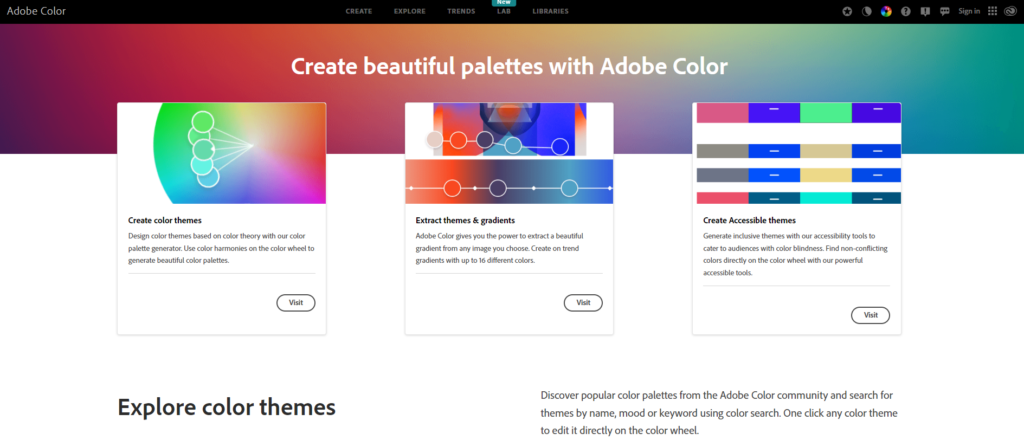
- Color Theory: Use tools like Adobe Color (formerly Kuler) to create harmonious color palettes. For example, create a palette based on a trending color scheme like “muted earth tones” for a specific filter set.
- Composition: Study the rule of thirds and other compositional techniques to create visually appealing filters. A filter might subtly emphasize the rule of thirds by slightly brightening or saturating areas aligned with those points.
- Online Courses: Take courses on Skillshare, Udemy, or Coursera to improve your design skills. Search for courses specifically on “filter design,” “photo editing,” or “video effects.”
Step 2: Choose Your Software
Several software options can help you create stunning filters and effects.
- Adobe Photoshop: Powerful for image editing and filter creation. Example: Create a “vintage film” filter by adjusting curves, adding noise, and applying a color grading effect.
- Adobe After Effects: Ideal for dynamic video effects and transitions. Example: Design a filter that adds a subtle animated bokeh effect to videos.
- Filter Forge: Specialized software for designing filters and effects. Example: Create a unique procedural filter using Filter Forge‘s node-based interface, generating complex patterns and textures.
- Unity and Unreal Engine: Powerful for advanced filters requiring 3D rendering or complex shaders. Example: Develop a filter that simulates realistic lens flares or volumetric lighting effects.
Step 3: Design Your Filters and Effects
This is where your creativity shines! Consider your target audience. Are your filters for professional photographers, casual users, or a specific niche (e.g., portrait photographers, food bloggers)?
Examples:
- “Vintage Film”: Mimics the look of old film photography with faded colors, grain, and light leaks.
- “Dreamy Glow”: Adds a soft, ethereal glow to images, ideal for portraits or landscapes.
- “Bold Pop”: Increases saturation and contrast for vibrant, eye-catching photos.
- ” Cinematic”: Applies a film-like color grading and adds subtle vignette effects to videos.
Step 4: Select Your Sales Platform
Choosing the right platform to sell your filters is a crucial decision that will impact your reach, revenue, and overall business model. Each option presents unique advantages and disadvantages, so carefully consider your skills, resources, and long-term goals.
- App Stores (iOS and Android): Requires app development skills but offers higher profit potential and direct control. Example: Create an app centered around your unique filter style, offering in-app purchases for individual filters or bundles.
- Online Marketplaces: Easier to get started; platforms handle sales and payments. Examples: Envato Market (CodeCanyon for plugins, GraphicRiver for filter packs), Creative Market, Etsy.
- Direct Sales: Sell through your website or social media if you have a strong following. Example: Offer exclusive filter packs to your email subscribers or Patreon supporters.
Step 5: Pricing Your Filters
Pricing requires a balance of profitability and competitiveness. Research competitor prices for similar filters, considering their features and target audience. Factor in your creation costs (time and resources). Experiment with pricing strategies:
- Individual Filter Pricing: Price each filter based on complexity and perceived value.
- Bundling: Offer discounted packs of filters.
- Subscriptions: Provide ongoing access to a library of filters.
- Tiered Pricing: Offer basic and premium filter versions.
- Promotions: Use discounts and sales to boost sales.
Monitor sales and adjust prices as needed to optimize revenue. Track conversion rates and average order value (AOV) to refine your strategy.
Step 6: Marketing Your Filters
Effective marketing is crucial for reaching your target audience and driving sales. Utilize a multi-pronged approach:
- Social Media Marketing: Use Instagram, TikTok, and YouTube to showcase your filters. Use relevant hashtags (e.g., #photofilter, #videoeffect, #mobileediting). Run contests and giveaways to increase engagement.
- Influencer Marketing: Partner with relevant influencers to promote your filters to their followers. Example: Send free filter packs to beauty influencers and ask them to showcase them in their tutorials.
- Paid Advertising: Use Facebook Ads or Google Ads to target specific demographics interested in photo and video editing.
- Website/Portfolio: Create a professional website or online portfolio to showcase your filters and provide a central point of contact for potential customers. Include high-quality images and videos demonstrating your filters in action. Make it easy for customers to purchase your filters directly from your website.
Driving traffic to your website is key to converting potential customers into buyers. This involves various strategies, including search engine optimization (SEO), content marketing, and leveraging other online channels. For a comprehensive guide on generating website traffic, watch this helpful video: How to Get Website Traffic (best 3 methods). The strategies outlined in this video will help you effectively promote your custom filters and build a successful online business.
For More Free Videos, Subscribe to the Rhodes Brothers YouTube Channel.
Step 7: Provide Excellent Customer Support
Exceptional customer support is vital for building a positive reputation and fostering customer loyalty. Happy customers are more likely to leave positive reviews, recommend your filters to others, and make repeat purchases.
- Responsiveness: Respond promptly to all customer inquiries, whether they’re asking questions about your filters, reporting bugs, or requesting support. Aim to respond within 24-48 hours, or even sooner if possible.
- Professionalism: Maintain a professional and courteous tone in all your communications. Even if a customer is upset, handle the situation calmly and empathetically.
- Problem-Solving: Address customer issues efficiently and effectively. If a customer reports a bug, investigate the problem thoroughly and provide a solution or workaround as quickly as possible.
- Proactive Communication: Don’t wait for customers to contact you with problems. Proactively reach out to customers to address any issues or concerns they might have. For example, send follow-up emails after a purchase to ensure the customer is satisfied with their purchase.
- Feedback Collection: Actively solicit customer feedback through surveys, reviews, or direct communication. Use this feedback to improve your filters and your customer service.
- Positive Reviews: Positive reviews are invaluable. Encourage satisfied customers to leave reviews on your website, app store, or social media platforms. Respond to reviews, both positive and negative, to show that you value customer feedback.
Step 8: Continuously Improve and Adapt
The world of photo and video editing is constantly evolving. To stay competitive, you must continuously improve your filters and adapt to changing trends.
- Monitor App Store Charts & Social Media Trends: Keep an eye on the top-performing filters and effects in your niche. What styles are popular? What features are customers demanding? Use this information to inform your future filter designs. Pay attention to emerging trends in social media and adapt your marketing strategy accordingly.
- Analyze Customer Feedback: Regularly review customer reviews, ratings, and feedback to identify areas for improvement. What are customers saying about your filters? Are there any recurring issues or suggestions for improvement?
- Iterative Development: Treat filter creation as an iterative process. Continuously refine your existing filters based on customer feedback and emerging trends. Don’t be afraid to experiment with new styles, features, and effects.
- Expand Your Offerings: Consider expanding your filter offerings to cater to a wider range of needs and preferences. For example, if you currently offer filters for portrait photography, you might consider expanding into landscape photography or video effects.
- Stay Updated: Keep abreast of the latest technology and software updates. This will allow you to create more advanced and innovative filters. Explore new software and techniques to enhance your skills and expand your creative possibilities.
By consistently improving your filters and adapting to the ever-changing market, you’ll be well-positioned for long-term success in the competitive world of custom filter creation.
Actionable Steps for Selling Custom Filters and Effects
These steps are designed to be adaptable to different experience levels and demographics. Beginners can focus on the simpler aspects, while more experienced creators can delve deeper into each step.
For Beginners (Little to No Experience)
- Start with Free Tools: Utilize free photo editing software like GIMP or Canva to learn basic design principles and experiment with filter creation. Focus on mastering color correction, basic adjustments (brightness, contrast, saturation), and simple effects.
- Choose a Niche: Instead of trying to create filters for every possible scenario, focus on a specific niche. This could be vintage filters, filters for pet photos, filters for food photography, etc. A narrower focus makes marketing easier.
- Learn Basic Design Principles: Take free online courses on color theory and composition. Understanding these principles will significantly improve the quality of your filters.
- Start Small on a Marketplace: Begin by selling your filters on a platform like Etsy or Creative Market. These platforms have lower barriers to entry and handle payments and customer service.
- Build a Portfolio: Even if you’re starting small, create a portfolio showcasing your best work. This will help attract customers and demonstrate your skills as you gain experience.
- Focus on Customer Service: Respond promptly and professionally to customer inquiries. Positive reviews are crucial for building trust and attracting new customers.
For Intermediate Creators (Some Experience)
- Invest in Professional Software: Transition to professional software like Adobe Photoshop or After Effects. These tools offer more advanced features and control over filter creation.
- Expand Your Niche: While maintaining your initial focus, explore related niches to diversify your offerings.
- Master Advanced Techniques: Learn more advanced techniques like masking, layer styles, and blending modes to create more sophisticated filters.
- Explore Different Platforms: Once you’ve built a solid portfolio, consider selling your filters on platforms like Envato Market or directly through your own website.
- Develop a Marketing Strategy: Create a comprehensive marketing plan that includes social media marketing, influencer outreach, and potentially paid advertising.
- Implement Feedback: Actively solicit and incorporate customer feedback to improve your filters and offerings.
For Advanced Creators (Significant Experience)
- Develop Your Own App: Create a dedicated app to showcase and sell your filters. This offers greater control and profit potential.
- Explore Advanced Filter Techniques: Experiment with advanced techniques like procedural generation, 3D rendering, and custom shaders to create unique and innovative filters.
- Build a Brand: Develop a strong brand identity that reflects your unique style and resonates with your target audience.
- Create a Community: Engage with your audience through social media, email marketing, and other channels to build a loyal following.
- Explore Partnerships: Collaborate with other creators or businesses to expand your reach and create new opportunities.
- Continuous Improvement: Constantly analyze your sales data and customer feedback to identify areas for improvement and expansion.
Regardless of your experience level:
- Always prioritize quality: High-quality filters are more likely to sell and generate positive reviews.
- Understand your target audience: Tailor your filters and marketing efforts to the specific needs and preferences of your ideal customer.
Be patient and persistent: Building a successful filter business takes time and effort. Don’t get discouraged if you don’t see results immediately. Keep creating, keep learning, and keep marketing your work.
Common Mistakes to Avoid When Selling Filters
- Poor Quality: Invest time in design; use high-resolution assets; develop a consistent style.
- Ignoring Market Research: Research competitors, understand trends, identify a niche.
- Ineffective Marketing: Use multiple platforms (social media, ads, website); track results.
- Pricing Errors: Research competitive pricing; consider production costs and perceived value.
- Poor Customer Service: Respond promptly to inquiries; address issues efficiently.
- Failing to Adapt: Stay updated on trends; regularly update filters; incorporate new features.
- Legal Issues: Use royalty-free assets or obtain proper licenses.
Addressing these issues significantly improves your chances of success. Prioritize quality, understand your audience, and adapt to market changes.
Frequently Asked Questions
How do I get started creating filters?
Begin by learning basic design principles (color theory, composition). Use free software like GIMP or Canva to experiment. Focus on mastering simple adjustments (brightness, contrast, saturation) before tackling more complex effects. Choose a niche to streamline your initial efforts.
What software do I need?
Free options like GIMP or Canva are great starting points. For more advanced filters, consider Adobe Photoshop or After Effects (subscription-based). Filter Forge is specialized software for filter creation. The best choice depends on your skill level and budget.
How do I find my niche?
Consider your skills and interests. What kind of filters are you passionate about creating? Research popular filter styles on social media and app stores. Identify underserved niches or unique styles that stand out.
Where can I sell my filters?
Options include app stores (iOS, Android—requires app development), online marketplaces (Envato Market, Creative Market, Etsy), and direct sales through your website. Start with a marketplace to gain experience before creating your own app.
How do I price my filters?
Research competitor pricing, factoring in your production costs (time, resources) and the perceived value. Experiment with different pricing models: individual filters, bundles, subscriptions, tiered pricing.
How do I market my filters?
Utilize social media (Instagram, TikTok, YouTube), influencer marketing, and potentially paid advertising (Google Ads, Facebook Ads). Create a professional website or portfolio to showcase your work.
What if my filters don’t sell well?
Analyze your marketing strategy, gather customer feedback, and refine your designs. Experiment with different pricing and platforms. Consider offering free filters to build a following and generate reviews.
How important are customer reviews?
Extremely important! Positive reviews build trust and attract new customers. Respond to all reviews (positive and negative) professionally and use feedback to improve your filters and service.
What legal considerations should I be aware of?
Understand copyright laws. Use only royalty-free assets or obtain proper licenses for any copyrighted material. Consult a legal professional if needed.
How do I stay updated on industry trends?
Follow industry blogs, social media influencers, and app store charts. Attend relevant online events and workshops. Engage with online communities of filter creators to learn from others and stay informed about new techniques and technologies.
Unlock Your Creative Potential and Turn Your Passion into Profit
So, you’ve learned how to create and sell custom filters and effects for photo and video apps. Remember these key takeaways:
- Master the fundamentals: Hone your design skills, focusing on color theory, composition, and visual hierarchy.
- Choose your tools wisely: Select software that matches your skill level and project needs (free options are great starting points!).
- Find your niche: Focus on a specific area to streamline marketing and target your ideal customer.
- Market strategically: Utilize a multi-platform approach, combining social media, influencer marketing, and potentially paid advertising.
- Provide stellar customer service: Respond promptly and professionally to build trust and encourage repeat business.
- Adapt and evolve: Stay updated on trends, incorporate feedback, and continuously improve your offerings.
Ready to turn your creative vision into a profitable reality? The first step is often the hardest, but the rewards are well worth the effort. Start by identifying your niche and creating a few sample filters using free software. Then, build a basic portfolio and begin selling on a user-friendly platform like Etsy or Creative Market.
We hope this comprehensive guide has equipped you with the knowledge and confidence to succeed in the exciting world of custom filter creation. To further your journey and learn more about building a successful online business, we encourage you to check out the Rhodes Brothers YouTube Channel for the latest videos and information designed to help you achieve your goals. Subscribe today and join our community of aspiring entrepreneurs!
Resource List
Books
- The Design of Everyday Things by Don Norman (for understanding usability and user experience)
- Color Theory and Design by Patti Mollica (for mastering color principles)
- Marketing for Dummies by Michael Miller (for building a marketing strategy)
- The Lean Startup by Eric Ries (for iterative product development)
- Building a StoryBrand by Donald Miller (for crafting compelling brand messaging)
Online Courses
- Skillshare: Search for courses on “filter design,” “Photoshop for filter creation,” “graphic design,” “color theory,” “digital marketing.”
- Udemy: Similar to Skillshare, Udemy offers a wide range of courses on design, marketing, and business.
- Coursera: Offers university-level courses on design, marketing, and business.
- LinkedIn Learning: Provides professional development courses, including many on design and marketing.
Podcasts
- Marketing Over Coffee: Covers various marketing topics, including digital marketing and online business strategies.
- The Tim Ferriss Show: Features interviews with successful entrepreneurs and experts in various fields.
- Shopify Masters: Focuses on ecommerce and building online businesses.
Software & Tools
- Adobe Photoshop: Industry-standard image editing software.
- Adobe After Effects: For creating dynamic video effects.
- Filter Forge: Specialized software for designing filters.
- GIMP: Free and open-source image editing software.
- Canva: User-friendly design tool for creating graphics and marketing materials.
- Google Analytics: For tracking website traffic and user behavior.
- Mailchimp or ConvertKit: For email marketing.
- Stripe or PayPal: For payment processing.
- Envato Market, Creative Market, Etsy: Online marketplaces for selling digital products.
- Asana or Trello: For project management.
Blogs & Websites
- Creative Bloq: Features articles on design, technology, and creativity.
- Smashing Magazine: Covers web design and development.
- Ahrefs Blog: Provides insights into SEO and digital marketing.
- Neil Patel’s Blog: Offers advice on digital marketing and online business.
Selling Custom Filters and Effects Cheat Sheet
- Design: Master color theory, composition, visual hierarchy. Use high-resolution assets.
- Software: Photoshop, After Effects, Filter Forge (or free alternatives like GIMP, Canva).
- Niche: Focus on a specific area (e.g., vintage, portrait, food).
- Platforms: App stores, Envato Market, Creative Market, Etsy, your own website.
- Pricing: Research competitors; consider costs and perceived value; experiment with bundles/subscriptions.
- Marketing: Social media, influencer marketing, paid ads, website/portfolio.
- Customer Service: Respond promptly; address issues efficiently; solicit feedback.
- Adaptation: Monitor trends; update filters; incorporate feedback; add new features.
- Legalities: Use royalty-free assets or obtain proper licenses.
- Continuous Learning: Take courses; follow blogs/podcasts; engage with online communities.