
“Find your niche, build your success!”
Are you ready to carve out a unique space in the job market? Creating a niche job board can set you apart and attract a dedicated community of job seekers and employers. Whether it’s tech startups, creative industries, or remote work, a specialized job board offers targeted opportunities and valuable connections. By offering premium listings, you can give employers enhanced visibility while generating steady revenue. This guide will show you how to build and manage a successful niche job board, from identifying your target market to implementing effective pricing strategies. Let’s dive in and create a job board that truly stands out!
TL;DR
- Choose a niche that has a dedicated audience and demand for specialized job listings.
- Set up a user-friendly job board platform that caters to both job seekers and employers.
- Start with free listings to build traction, then offer premium listings with added benefits.
- Use simple marketing tactics like SEO, social media, and email newsletters to drive traffic.
- Pricing your premium listings should reflect the value you offer, such as featured spots or extended posting times.
- Avoid common pitfalls like overcomplicating your site or targeting too broad of a niche.
Step 1: Choose Your Niche
The first and perhaps most critical step in starting a niche job board is picking the right niche. This decision will shape everything from your marketing strategy to your pricing model. The key is to find an audience that has a specific need for job opportunities in a focused area, but also a niche that isn’t oversaturated with existing job boards.
How to Pick the Perfect Niche
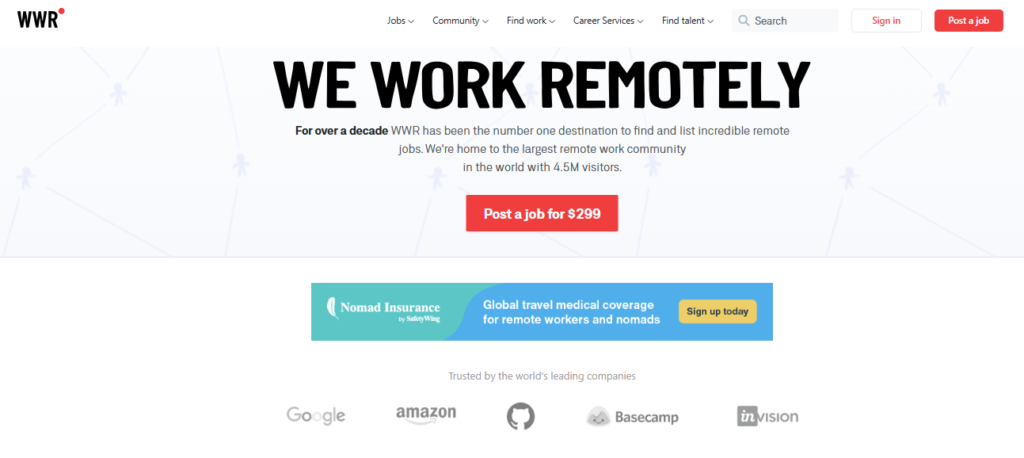
- Identify a market gap: Look for underserved markets. Ask yourself, “What industries or job types lack a dedicated job board?” For example, the rise of remote work has led to the creation of job boards like We Work Remotely, which targets remote job seekers. Similarly, Dribbble caters specifically to creative professionals.
- Leverage your expertise: If you’re already part of a certain industry, consider creating a job board in that space. Being an insider gives you an advantage—you understand the challenges job seekers and employers face. For instance, if you work in the tech startup ecosystem, you could launch a job board specifically for startups seeking talent.
- Passion and interest: Running a job board can be a long-term commitment. Choosing a niche you’re passionate about will help you stay motivated. If you’re a fitness enthusiast, why not create a job board for fitness professionals or trainers?
- Measure demand: Before you dive in, research to ensure there’s demand for jobs in your chosen niche. Use tools like Google Trends, Ahrefs, or SEMrush to look up search volume for keywords related to jobs in your niche. For instance, if you find that “remote software jobs” has a growing search volume, it indicates that there’s a need for such roles.
The more specific your niche, the better. For example, instead of launching a job board for marketing roles, narrow it down to “content marketing jobs for SaaS companies.” This allows you to cater to a very focused audience, making your job board more attractive to both job seekers and employers alike.
“Success usually comes to those who are too busy to be looking for it.” – Henry David Thoreau.
Picking the right niche and focusing on solving a specific problem will make attracting employers and job seekers much easier.
As you think about scaling your job board and eventually expanding your team, understanding who your first employee should be is crucial to your success. Check out this video for helpful tips: Hiring Tips – Who Should Be Your FIRST Employee?.
For More Free Videos, Subscribe to the Rhodes Brothers YouTube Channel.
Step 2: Set Up Your Job Board Platform
With your niche in place, it’s time to set up your job board platform. Thankfully, you don’t need to reinvent the wheel or have top-tier coding skills to launch a job board. There are plenty of tools and software solutions that can help you get your job board up and running quickly.
Tools for Building Your Job Board
- WordPress + WP Job Manager: If you’re already comfortable with WordPress, WP Job Manager is a fantastic plugin that allows you to turn your WordPress site into a full-fledged job board. It offers employers the ability to post jobs and job seekers the functionality to search and apply easily. Plus, since WordPress is open-source, you’ll have full control over customization.
- Job Board Software: There are platforms like SmartJobBoard, JobBoard.io, and WebJobs that offer a more plug-and-play solution. These services allow you to launch a job board without any coding knowledge. They come with built-in features like employer dashboards, job alerts, and payment gateways for premium listings.
- Custom Development: If you have a bigger budget and need highly specific features, hiring a developer to build a custom job board is an option. While this route is more expensive, it offers limitless customization options and scalability.
Essential Features to Include on Your Job Board
- User-friendly interface: Ensure the layout is simple for both job seekers and employers. Job seekers should be able to search for jobs easily, and employers should be able to post jobs without friction.
- Mobile-friendly design: Most users access job boards via their smartphones. Your site should be fully responsive and easy to navigate on mobile devices.
- Search filters: Allow users to filter job listings by criteria like location, experience level, salary range, and job type (full-time, part-time, freelance).
- Employer dashboard: Provide employers a space where they can manage their job posts, track applications, and view analytics on job performance.
- Job alerts: Offer job seekers the ability to sign up for email alerts when new jobs are posted that match their interests. This keeps them engaged and returning to your site.
Step 3: Offer Free Listings to Gain Traction
When you first launch your job board, you’ll need to attract both job seekers and employers. A great way to build traction in the beginning is by offering free job listings. This will give employers an incentive to try your platform, and it will help populate your site with job opportunities that attract job seekers.
Once you’ve built up a solid user base and traffic, you can begin charging for premium listings. Premium listings are paid job postings that offer employers additional features, such as:
- Featured spots: Premium listings can be featured at the top of search results pages or prominently displayed on the homepage to increase visibility.
- Extended listing duration: While free listings might expire after a set period, premium listings can remain visible for longer periods (e.g., 60 or 90 days).
- Advanced job post formatting: Premium listings might allow employers to include custom branding elements, like their company logo or a more detailed job description.
How to Price Premium Listings
Pricing your premium listings can be tricky, but it’s essential to get it right. You want to charge enough to make it profitable, but not so much that employers are turned off.
Here are a few pricing strategies:
- Competitive pricing: Look at other niche job boards in your industry. For example, We Work Remotely charges $299 for a 30-day job post, while Dribbble charges around $99. Start with competitive pricing based on your niche and adjust as your site grows.
- Bundle pricing: Offer discounts for bulk postings, such as 10 job posts for $500, or create subscription plans where employers can post a set number of jobs per month for a flat fee.
- Discounts for repeat customers: Offer discounts or loyalty programs for employers who post regularly. This encourages long-term relationships and repeat business.
Step 4: Drive Traffic to Your Job Board
Even the best-designed job board won’t succeed without traffic. You need to employ effective marketing strategies to bring both job seekers and employers to your site. Here’s how to do it.
SEO for Job Boards
Search engine optimization (SEO) is one of the best ways to drive organic traffic to your job board. Here are a few on-page and off-page SEO strategies you can implement:
- Optimize job postings: Make sure each job post is optimized for relevant keywords. For example, if your niche is freelance graphic design jobs, your job titles and descriptions should include terms like “freelance graphic designer” or “remote graphic design job.”
- Job schema markup: Implement job schema markup to help search engines understand and display your job listings in search results. This can increase your visibility on Google and other search engines.
- Create valuable content: Consider starting a blog or resource section on your site. Write articles that target both job seekers and employers. For example, topics like “How to Attract Top Talent in Remote Work” or “Crafting the Perfect Resume for Freelancers” can drive traffic, build authority, and improve your SEO rankings.
Social Media Marketing
Leverage social media platforms to promote your job board. The platform you choose will depend on your niche. For example:
- LinkedIn: Ideal for professional and corporate job boards.
- Twitter: Great for tech and startup-related job boards.
- Instagram: Perfect for creative industries like photography, fashion, and design.
Create engaging content that drives traffic to your job board, such as career tips, industry news, or success stories from job seekers who have landed positions through your platform.
Email Marketing
Build an email list by offering job alerts to job seekers. Send out regular newsletters with new job postings, career advice, and industry news. Email marketing is a great way to keep users engaged and drive repeat visits to your job board. For employers, consider sending targeted emails with special offers, such as discounts on premium listings.
Actionable Steps for Starting a Niche Job Board and Charging Premium Listings
Whether you’re just starting out or have experience in online businesses, these practical, step-by-step strategies will help you create a niche job board and eventually profit by charging for premium listings. We’ll break it down into steps that cater to beginners, intermediate entrepreneurs, and experienced business owners, so no matter where you are in your journey, you’ll find actionable tips to guide you.
For Beginners: Laying the Foundation
If you’re just getting started and have little to no experience in creating a job board or running an online business, these steps will help you build a strong foundation.
Choose a Focused Niche
- Start by narrowing down your niche. The more specific you can be, the better. For example, instead of focusing on all freelance jobs, you could target freelance graphic design jobs for startups or remote developer jobs for fintech companies.
- Use tools like Google Trends or SEMrush to research niche keywords.
- Survey potential users via social media or LinkedIn to understand their job search pain points.
Pick an Easy-to-Use Platform
- As a beginner, you don’t need custom-built software. Use platforms like JobBoard.io or SmartJobBoard to get started quickly without any coding requirements.
- Consider using WordPress with the WP Job Manager plugin if you’re already familiar with the platform.
- Opt for platforms that offer built-in payment processing and job post management to simplify the setup.
Start with Free Listings
- Attract employers by offering free job listings initially. This will help populate your site with job opportunities and give job seekers a reason to visit.
- Promote the free listing offer in relevant online communities, such as Facebook groups or LinkedIn threads related to your niche.
- Use email outreach to companies in your niche, offering them the chance to post jobs for free during your launch phase.
Develop Basic SEO Skills
- Learn the basics of SEO to make sure your job board gets found by job seekers. Focus on optimizing job titles and descriptions to include relevant keywords.
- Use free SEO tools like Google Search Console to monitor your site’s performance.
- Research SEO best practices for job boards, such as using job schema markup to appear in Google’s job search results.
For Intermediate Entrepreneurs: Building Traffic and Monetizing
If you have some experience with online businesses or platforms but want to take things to the next level, these steps will help you grow your niche job board and start charging for premium listings.
Build an Audience with Content
- Create valuable content for both job seekers and employers to drive traffic to your website. Use your expertise and knowledge of the niche to provide useful insights.
- Start a blog offering job search tips, industry news, or tips for employers on how to attract the best candidates.
- Post regularly on social media platforms (LinkedIn, Twitter) to build a community around your job board.
Introduce Premium Listings
- Once you’ve built some traffic, start offering premium listings to employers. Premium listings can include features like:
- Featured job posts that appear at the top of search results.
- Extended listing durations, such as 60 or 90 days instead of 30.
- Company branding with logos or detailed company profiles to attract better talent.
- Price your premium listings based on the value they offer. For example, start with $50–$100 per premium post and adjust based on demand.
- Offer discounts to employers who purchase multiple job postings or sign up for subscription packages (e.g., 10 job posts for $500).
Leverage Email Marketing
- Build an email list by offering job seekers the ability to sign up for job alerts. Email marketing is a great way to keep people engaged and returning to your site.
- Use email automation tools like Mailchimp or ConvertKit to send out weekly job alerts or newsletters.
- Segment your email lists to target specific audiences (e.g., job seekers, employers, industry professionals).
Optimize for Mobile
- Make sure your job board is fully optimized for mobile. Many users will access your site on their smartphones, so having a responsive design is essential.
- Test your site on different mobile devices to ensure it’s easy to navigate and job seekers can apply easily on mobile.
- Consider using a mobile-friendly job board theme if you’re using WordPress or other customizable platforms.
For Experienced Business Owners: Scaling and Expanding Your Job Board
For those with a solid background in business or online marketplaces, focus on scaling your job board and maximizing profitability by exploring other monetization strategies and expanding your reach.
Launch Additional Monetization Features
- Beyond premium listings, there are several other ways to monetize your job board:
- Resume database access: Charge employers for access to a database of job seekers’ resumes.
- Featured employer profiles: Offer companies the opportunity to feature their brand on the homepage or in email newsletters.
- Sponsored blog posts or webinars: Partner with companies to create sponsored content that is relevant to your niche.
Use Paid Advertising to Scale
- Once you have some revenue coming in, reinvest in paid advertising to grow your audience. Platforms like Google Ads and LinkedIn Ads are perfect for targeting employers and job seekers in your niche.
- Start with a small budget and test different ad creatives and copy to see what drives the most traffic and job post submissions.
- Track conversions and ROI using tools like Google Analytics or Facebook Pixel to ensure your ad spend is effective.
Expand to Multiple Niches
- If your job board is successful, consider expanding to related niches. For example, if you’ve built a job board for remote developers, you could create a separate board for remote project managers or designers.
- Use your existing traffic and email list to cross-promote your new job boards.
- Reuse the same platform and tools you’ve already implemented to create job boards with minimal additional overhead.
Build Partnerships with Industry Leaders
- Partner with influencers or companies in your niche to promote your job board. For example, you could collaborate with industry-specific blogs or podcasts to promote your service to a wider audience.
- Offer these partners affiliate commissions or other incentives to help drive traffic to your site.
- Host virtual job fairs or webinars in partnership with industry leaders to attract both job seekers and employers.
Common Mistakes to Avoid When Starting a Niche Job Board
Starting a niche job board can be a highly profitable venture, but only if you avoid some common mistakes that can derail your progress. Each of these missteps can significantly impact your site’s growth, user experience, and revenue potential. Let’s dive deeper into these common pitfalls and how to avoid them so your job board can thrive.
1. Being Too Broad with Your Niche
One of the biggest mistakes aspiring job board owners make is targeting too broad of an audience. While it may seem tempting to cast a wide net to attract more users, this can actually dilute your offering and make it harder to stand out. Competing with general job boards like Indeed and LinkedIn is an uphill battle, especially if you don’t have their massive budgets and brand recognition.
Why this is a problem:
- Lack of differentiation: General job boards already dominate the market. Employers and job seekers turn to these platforms because they offer a wide range of opportunities across countless industries. If your job board tries to cover too many sectors or job types, you risk becoming just another generic platform, making it difficult to attract a loyal user base.
- Targeting too many audiences: A broad niche means catering to multiple industries or job types, which can stretch your resources thin. You won’t be able to tailor your marketing efforts, content, or features to specific needs, making it harder to create a unique value proposition.
How to avoid it:
- Narrow your focus: Pick a specific niche within an industry or a demographic you understand well. For example, instead of creating a general tech job board, focus on remote software engineering jobs or AI and machine learning roles. The narrower your niche, the more targeted and effective your marketing and product offering will be.
- Validate your niche: Use tools like Google Trends, SEMrush, or Ahrefs to ensure there’s enough demand for jobs in your chosen niche. You want a niche that’s specific but still large enough to sustain a job board.
Example:
Instead of a general healthcare job board, focus on home healthcare positions or telemedicine jobs. This allows you to specialize in a growing field and tailor your platform to meet the unique needs of employers and job seekers in that space.
2. Not Monetizing Early Enough
Many job board owners fall into the trap of waiting too long to monetize their platform. While offering free postings can help build traction in the beginning, you need to have a clear monetization strategy in place as your traffic grows. If you don’t introduce paid features early, you might miss out on potential revenue and struggle to position your job board as valuable.
Why this is a problem:
- Delayed revenue: Waiting too long to charge for premium listings means you’re leaving money on the table. Employers are willing to pay for additional visibility and features, but if you delay monetization, you might miss that opportunity.
- Setting the wrong expectations: If you offer free listings for too long, employers may expect your platform to remain free. Introducing premium features later might lead to pushback or lower conversion rates because users aren’t accustomed to paying for job posts.
How to avoid it:
- Start with a freemium model: Offer free job listings to build your initial audience, but introduce paid features early on. Premium listings could include benefits like extended time on the job board, featured placements, or enhanced job descriptions with company logos.
- Offer tiered pricing: To ease into monetization, start with low-cost premium options. For example, you can charge $50 to feature a post for 30 days, then increase prices as your platform grows and delivers more value.
Example:
Job boards like We Work Remotely started with free listings but quickly transitioned to a paid model as their traffic and reputation grew. Today, they charge $299 per listing with added perks like featured placements and extended visibility.
3. Ignoring SEO and Marketing
Building your job board is only half the battle—you need to actively market it to job seekers and employers. Many new job board owners focus so much on setting up their platform that they overlook search engine optimization (SEO) and marketing, which are crucial to driving traffic.
Why this is a problem:
- No visibility: Without SEO and marketing efforts, your job board will struggle to rank in search engines, making it difficult for users to find your site organically. This is especially important in competitive niches, where ranking for relevant keywords can make or break your platform’s success.
- Missed opportunities: SEO is a long-term strategy, and the earlier you start, the better. If you don’t optimize your site from the beginning, you’ll miss out on valuable traffic that could help grow your user base.
How to avoid it:
- Invest in SEO early: Optimize job listings with relevant keywords, meta descriptions, and job schema markup. Use tools like Yoast SEO (if you’re on WordPress) or Moz to help you optimize your site for search engines.
- Create valuable content: Start a blog that helps both job seekers and employers. Write articles like “How to Write a Job Description for [Your Niche]” or “Top Skills You Need to Land a Job in [Your Niche].” This will not only improve your SEO but also position your job board as an authority in the niche.
- Leverage social media: Promote your platform across social media channels where your target audience is likely to hang out. For example, if your niche is remote work, be active on Twitter, LinkedIn, and remote job communities.
Example:
A site like AngelList, which focuses on startup jobs, has a content hub full of articles about startup trends, career advice, and hiring practices. This content serves a dual purpose of educating their audience and improving their site’s search engine rankings.
4. Neglecting User Experience (UX)
A poorly designed job board with a confusing interface will drive users away. Whether it’s job seekers or employers, your platform needs to be intuitive and easy to use. If users can’t easily find jobs or post listings, they’ll leave and never return.
Why this is a problem:
- High bounce rates: If job seekers have a hard time navigating your site or employers struggle to post jobs, they’ll abandon your platform, leading to high bounce rates and low engagement.
- Lost credibility: A clunky or outdated design can make your site appear unprofessional, which can deter serious employers from paying for premium listings.
How to avoid it:
- Focus on simplicity: Keep your design clean and your job posting process straightforward. Ensure that job seekers can easily filter through job listings and employers can quickly post open roles without unnecessary steps.
- Optimize for mobile: A significant portion of job seekers will access your site via mobile devices. Make sure your job board is responsive and mobile-friendly so that users can easily browse and apply for jobs on their phones.
- Test regularly: Conduct user testing with real job seekers and employers to identify pain points in the user experience. Make adjustments based on their feedback to improve functionality and usability.
Example:
Job boards like Dribbble and Behance (for creative professionals) have sleek, user-friendly interfaces that make it easy for both job seekers and employers to navigate. Their simple designs and intuitive filters ensure a smooth experience for all users.
5. Pricing Premium Listings Too High Too Early
When introducing premium listings, one of the most common mistakes is setting prices too high from the start. While it’s important to monetize your platform, overcharging initially can scare off smaller employers or startups who may not have a large hiring budget.
Why this is a problem:
- Scaring off potential clients: If your prices are too high before you’ve proven the value of your platform, employers—especially smaller businesses—will be hesitant to pay for premium listings.
- Limited growth: High prices early on may limit the number of job posts on your platform, resulting in fewer opportunities for job seekers and less overall traffic.
How to avoid it:
- Start with competitive pricing: Research competitors in your niche and set your prices slightly lower to attract more employers. For example, if similar job boards charge $100 per post, start at $75 and gradually increase prices as your platform grows.
- Offer tiered pricing: Introduce different pricing tiers based on the level of visibility and features. Offer basic listings at a lower price point and charge more for featured or extended listings. This allows employers with different budgets to participate.
- Provide value: Make sure your premium listings actually deliver more value to employers. Whether it’s better visibility, longer posting durations, or additional features like analytics, premium listings should feel worth the extra cost.
Example:
ProBlogger, a niche job board for blogging jobs, offers basic listings at $70, while featured listings that stay on the homepage for longer periods cost $150. This tiered system allows smaller employers to still participate while offering larger companies added perks for higher fees.
Frequently Asked Questions
How much does it cost to start a niche job board?
Startup costs range from $500 to $5,000, depending on your platform and features.
How do I pick the right niche?
Choose a niche you’re knowledgeable or passionate about, and make sure there’s demand
for job listings.
Can I run a job board as a side business?
Yes, many job boards start as side hustles. It can be managed part-time until it grows.
What’s the best way to monetize a job board?
Charging for premium listings is the most common, but you can also offer sponsorships, ads, or resume database access.
How do I attract employers to post jobs?
Start by offering free listings, then market your site through email and social media to attract employers.
How long does it take to launch a niche job board?
With pre-built solutions, you can launch in 2–4 weeks. A custom-built site may take 3–6 months.
Do I need technical skills to start a job board?
No, you can use job board software or WordPress plugins. Basic knowledge of SEO and content management is helpful.
When should I start charging for premium listings?
Once you have 1,000–2,000 monthly visitors and consistent job seeker activity, you can introduce premium listings.
What features make a job board stand out?
Offer custom job alerts, employer branding options, market insights, and freelance or contract job postings.
How do I retain users long-term?
Provide quality job listings, career resources, and analytics for employers. Build a community with blogs or events to keep users engaged.
Launching Your Niche Job Board
Starting a niche job board is an exciting opportunity to create a platform that serves a specialized community while generating revenue through premium listings and other features. By focusing on a specific niche, you’re positioning yourself away from the competition and providing a tailored solution for both job seekers and employers in your chosen industry.
Here’s a quick recap of actionable steps you can take:
- Pick a highly specific niche that you’re knowledgeable about and that has proven demand.
- Start with free listings to attract early users and create momentum.
- Introduce premium listings once you’ve built a steady flow of traffic.
- Implement SEO strategies and mobile optimization to ensure your job board is visible and easy to use.
- Engage with your audience through valuable content, email marketing, and social media to drive long-term growth.
Now is the perfect time to get started. Define your niche, launch your platform, and set your job board on the path to success.
Thank you for reading! For more tips and insights on building a successful online business, be sure to subscribe to the Rhodes Brothers YouTube Channel and stay updated with the latest videos that will help you achieve your goals.
Resource List
Books
- “Gigged: The End of the Job and the Future of Work” by Sarah Kessler
- “The Lean Startup” by Eric Ries
- “Platform Revolution: How Networked Markets Are Transforming the Economy” by Geoffrey G. Parker, Marshall W. Van Alstyne, and Sangeet Paul Choudary
- “SEO 2023: Learn Search Engine Optimization with Smart Internet Marketing Strategies” by Adam Clarke
Blogs & Websites
Podcasts
- “The Recruitment Flex”
- “The Side Hustle School” by Chris Guillebeau
- “Marketing School” by Neil Patel & Eric Siu
- “The Tim Ferriss Show”
Courses
Tools
Communities
Cheat Sheet: Starting a Niche Job Board
- Niche Selection: Choose a specific, in-demand niche that you’re passionate about.
- Research Demand: Use tools like Google Trends and Ahrefs to validate the demand for jobs in your niche.
- Platform Choice: Use platforms like JobBoard.io, SmartJobBoard, or WP Job Manager for easy setup.
- Monetization: Start with free listings to build traffic, then introduce premium listings with added features.
- SEO Optimization: Use Yoast SEO, job schema markup, and relevant keywords to rank your job posts.
- Create Content: Build a blog with SEO-optimized articles to attract job seekers and employers.
- Email Marketing: Use Mailchimp to set up job alerts and newsletters for increased user engagement.
- Social Media: Promote your job board on LinkedIn, Twitter, and niche-specific communities using tools like Buffer.
- Mobile-Friendly: Ensure your job board is responsive and optimized for mobile users.
- Analytics: Track traffic and behavior using Google Analytics to optimize your platform’s performance.
- Pricing Strategy: Start with competitive pricing for premium listings and offer tiered packages for different employer needs.
- User Retention: Keep users engaged with valuable content, job alerts, and a smooth user experience.
- Community Building: Join LinkedIn and Reddit groups related to your niche to promote your job board.
- Offer Value: Provide employers with analytics on job posting performance and offer job seekers personalized job suggestions.
- Stay Consistent: Regularly update your job listings, blog, and social media channels.
- Partner with Influencers: Collaborate with influencers or industry leaders to promote your job board.