
Building a business that generates passive income and helps people achieve their goals is highly rewarding. An online language learning platform is a perfect way to blend profitability with purpose. Language learning is a constantly growing market, and with the right approach, you can tap into this demand to create a platform that stands out.

This guide will take you through every step of the process, from identifying your niche to monetizing your platform efficiently. By the end, you’ll have a clear roadmap to create a sustainable business that generates passive income while making a global impact.
“The best way to predict the future is to create it.” – Peter Drucker
Let’s dive in and explore how you can turn your vision into reality!
TL;DR
- Learn how to create a profitable online language learning platform that generates passive income.
- Discover the tools, strategies, and techniques to build, market, and scale your platform.
- Avoid common mistakes that could derail your success.
- Get actionable steps, real-life examples, and insider tips to launch your business today.
- Bonus: A cheat sheet and resource list to accelerate your journey.
Step 1: Define Your Niche and Target Audience
The first step to building a successful language learning platform is choosing a niche. Instead of trying to teach every language to everyone, focus on a specific audience. Narrowing down your niche will help you stand out in a competitive market and attract loyal users.
Why Niching Down Matters
The global e-learning market is projected to reach $645 billion by 2030, and language learning is a significant part of that growth. However, general platforms like Duolingo dominate broader audiences. To compete, you need a unique selling point (USP) to carve out your space in the market.
Talking to people with confidence—whether in a professional setting or while marketing your own niche platform—is a crucial skill. Whether you’re pitching your idea, networking with collaborators, or connecting with your audience, communication plays an essential role in building trust and credibility. For actionable advice, check out this helpful video: How To Talk To People With Confidence (this works). It offers practical strategies to help you engage with others effectively, which can be invaluable as you define your niche and promote your platform.
How to Choose a Niche
Choosing the right niche is the most important step in starting your online language learning platform. It allows you to target a specific audience, stand out in a crowded market, and build a loyal user base. A well-defined niche makes your platform more focused, effective, and appealing to the people who need it most.
For More Free Videos, Subscribe to the Rhodes Brothers YouTube Channel.
Instead of trying to cater to everyone, think about who you can serve best. Are you helping business professionals learn English? Teaching Spanish to travelers? Or offering specialized lessons, like French for chefs? Defining your niche ensures your platform speaks directly to your ideal audience, solving their specific language-learning needs.
Consider these factors:
- Your Expertise: What languages do you know? Can you teach them effectively?
- Audience Demand: Use tools like Google Trends to see what language-learning topics are trending.
- Specific Needs: Identify underserved markets, such as:
- English for non-native speakers in a specific profession (e.g., nurses, engineers).
- Conversational Spanish for travelers.
- Business Mandarin for executives.
Example: If you’re fluent in French, you could create a platform that teaches conversational French specifically for solo travelers.
Tools to Research Your Niche
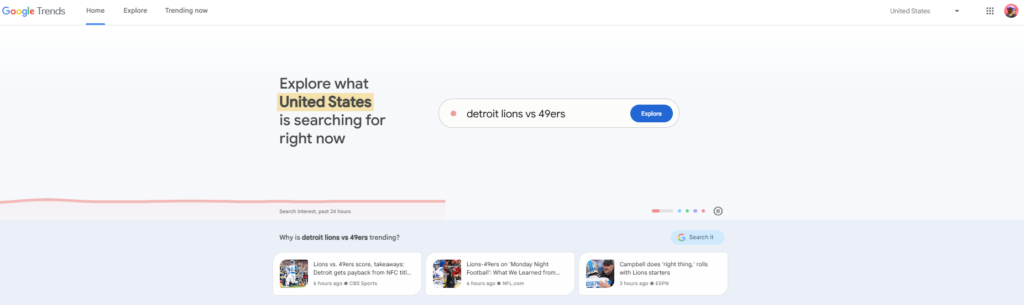
- Google Trends: Type in potential keywords like “learn French for travel” to identify demand.
- AnswerThePublic: Find questions people are asking about language learning.
- SEMrush: Analyze search volume and competition for your niche idea.
Step 2: Build Your Online Platform
Once you’ve identified your niche, your next step is to create a platform. Your platform will be the home of your business, so it needs to be professional, user-friendly, and visually appealing.
Options for Building Your Platform
Creating an online language learning platform doesn’t have to be overwhelming, thanks to the variety of tools and technologies available today. Whether you’re tech-savvy or a beginner, there are options to suit every skill level and budget.
You can build a custom website, use course-hosting platforms, or even create a mobile app. The key is to choose a solution that matches your goals and audience. For example, a website might work best for in-depth courses, while an app is ideal for interactive, gamified learning. With the right tools, you can create a professional, user-friendly platform that keeps learners engaged and coming back for more.
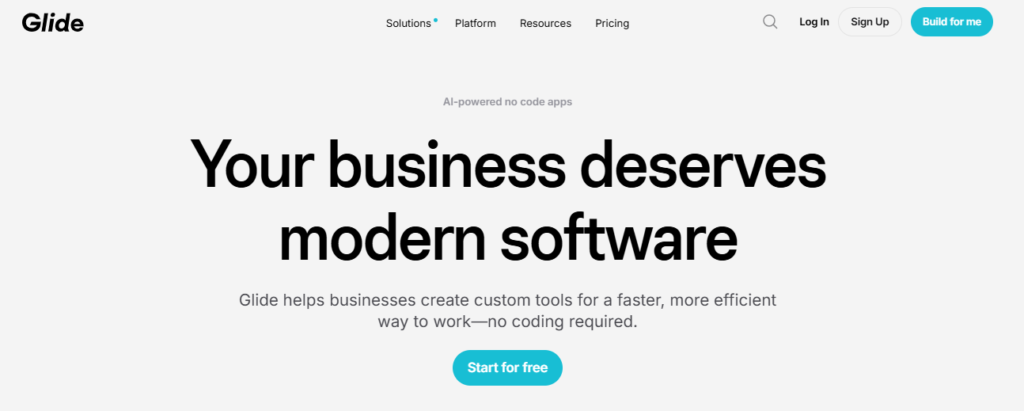
- Website Builders: Platforms like WordPress, Squarespace, or Wix are great for creating a custom site.
- Course Platforms: If you’re focused on selling courses, consider Teachable, Thinkific, or Kajabi.
- Apps: For a more interactive experience, create an app using no-code tools like Bubble or Glide Apps.
Key Features Your Platform Should Have
To attract and retain users, your platform must provide a seamless and engaging learning experience. Including the right features ensures that learners can access quality content, track their progress, and stay motivated throughout their journey.
Essential features like interactive lessons, progress tracking, and community forums not only enhance user experience but also set your platform apart from competitors. By focusing on functionality and user needs, you can create a platform that keeps learners engaged and encourages long-term use.
- User-Friendly Design: Make navigation easy and intuitive.
- Interactive Content: Incorporate videos, quizzes, and exercises to keep learners engaged.
- Progress Tracking: Let users see their achievements and milestones.
- Community Interaction: Add discussion boards or live group sessions to foster collaboration.
- Payment Options: Ensure users can easily purchase courses or subscriptions.
Example Platforms to Get Inspired:
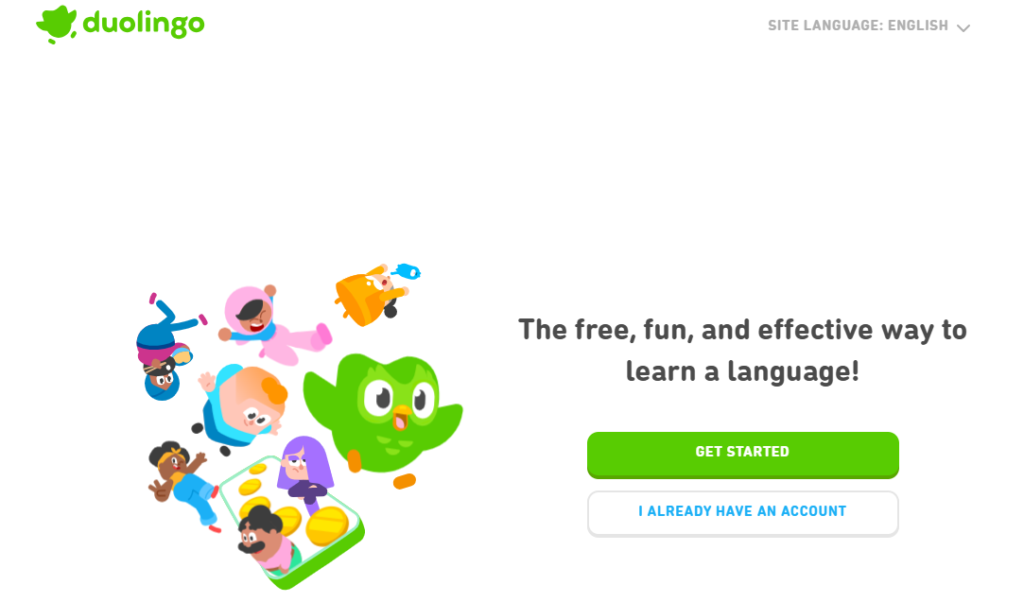
- Duolingo: Gamified learning with bite-sized lessons.
- Preply: Connects learners with tutors for live lessons.
- Rosetta Stone: Provides immersive language learning experiences.
Tools to Build Your Platform
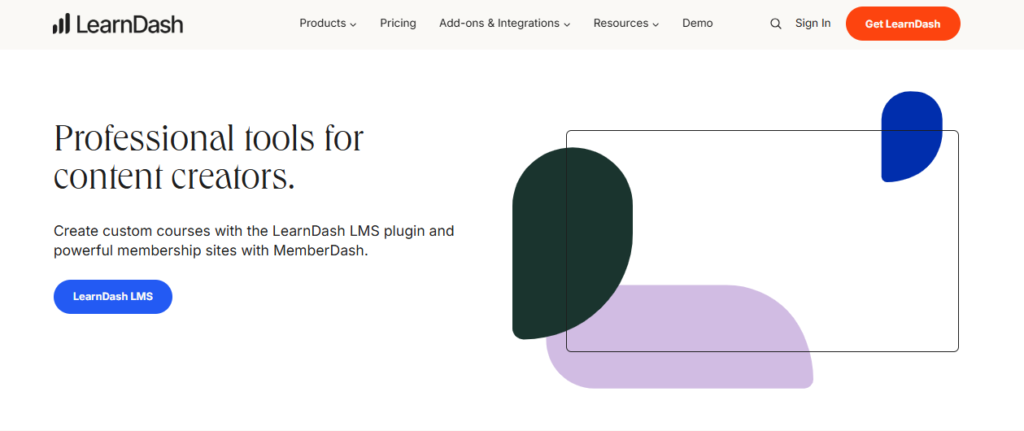
- LearnDash: A WordPress plugin for creating and hosting online courses.
- Thinkific: An all-in-one course platform with marketing tools included.
- Bubble: A no-code app builder perfect for interactive platforms.
- Canva: For designing your website graphics and course visuals.
Step 3: Create High-Quality and Engaging Content
Content is the backbone of your platform. Your lessons should not only be educational but also fun and engaging. High-quality content builds trust with your users and encourages them to stick with your platform.
Types of Content to Offer
The success of your language learning platform depends on the quality and variety of content you provide. Offering different types of content helps cater to various learning styles and keeps users engaged. From video lessons and practice exercises to downloadable resources and live sessions, each format serves a unique purpose in reinforcing language skills.
By diversifying your content, you can create a well-rounded learning experience that appeals to beginners, advanced learners, and everyone in between. The goal is to make learning practical, interactive, and enjoyable.
- Video Lessons: Record short, engaging videos that focus on specific topics (e.g., pronunciation, grammar, or vocabulary).
- Quizzes and Games: Use interactive exercises to test your users’ knowledge.
- Live Classes: Offer premium live sessions for real-time interaction and feedback.
- Downloadable Resources: Create PDFs, flashcards, or cheat sheets that users can access offline.
How to Structure Your Content
A well-structured content plan is essential for guiding learners through their language journey in a logical and effective way. Start with foundational topics for beginners, then gradually introduce more advanced concepts as users progress.
Organize your content into clear, manageable sections, such as grammar, vocabulary, and real-life scenarios. This ensures learners can build their skills step by step without feeling overwhelmed. A structured approach not only improves learning outcomes but also keeps users motivated to continue.
- Beginner-Friendly: Start with foundational lessons for complete beginners.
- Progressive Learning: Gradually introduce more complex topics as users advance.
- Real-Life Scenarios: Focus on practical applications, like ordering food in a restaurant or attending a business meeting.
Example Lesson Idea:
If your platform teaches Spanish, you might create a series of lessons like:
- Lesson 1: Basic Greetings and Introductions
- Lesson 2: Ordering Food at a Restaurant
- Lesson 3: Asking for Directions
Content Creation Tools
- Loom: For recording video tutorials.
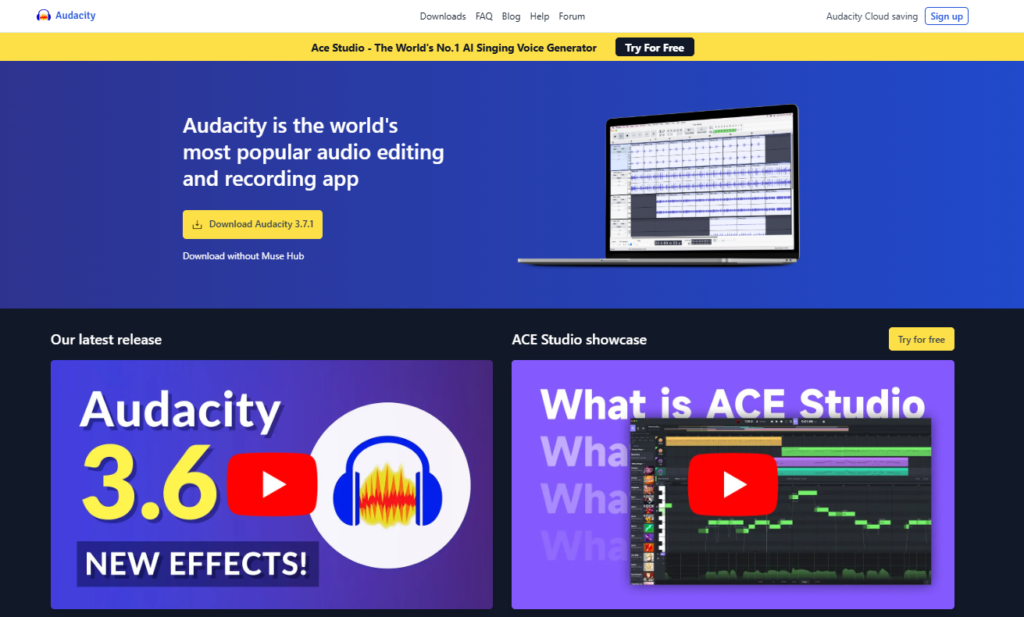
- Audacity: For editing audio lessons.
- Canva: For designing graphics like flashcards or worksheets.
- Quizlet: For creating interactive quizzes and flashcards.
Step 4: Monetize Your Platform
While your primary goal may be to help others learn, it’s important to build a sustainable business model. Here are some ways to monetize your platform:
Subscription Plans
Offer tiered subscriptions, such as:
- Basic: Free access to limited content.
- Pro: Paid access to advanced lessons and additional features.
Course Sales
Sell individual courses for a one-time fee. This works well for niche-specific content.
Affiliate Marketing
Partner with language-learning tools, books, or apps that complement your platform. For example, promote language textbooks or translation apps and earn a commission on sales.
Ads and Sponsorships
If you have a large user base, brands may pay to advertise on your platform.
Example Subscription Plan:
- Free Plan: Access to beginner lessons and quizzes.
- Premium Plan: $15/month for access to advanced courses, live classes, and downloadable materials.
Step 5: Market Your Platform
Even the best platform won’t succeed without effective marketing. You need to reach the right audience and convince them to trust your platform.
Marketing Strategies
- Search Engine Optimization (SEO): Optimize your website for keywords like “learn Spanish online” or “best Mandarin course.” Use blog posts and free resources to drive organic traffic.
- Social Media: Share engaging content on Instagram, TikTok, and YouTube to attract language learners. Short videos demonstrating phrases or tips work especially well.
- Email Marketing: Build an email list with free resources, then nurture your audience with regular tips, updates, and course offers.
- Influencer Collaborations: Partner with language bloggers or YouTubers to promote your platform.
Marketing Example:
Create a free downloadable “10 Essential Phrases for Travelers” guide. Use this as a lead magnet to collect email addresses. Then, promote your paid courses through email campaigns.
Marketing Tools
- Ahrefs: For keyword research and SEO.
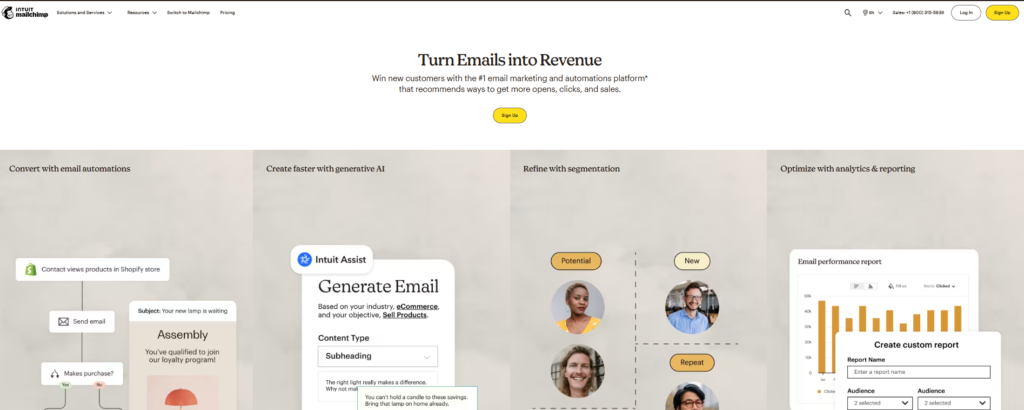
- Mailchimp: For email marketing automation.
- Hootsuite: To schedule and manage social media posts.
- Canva: For creating social media graphics and ads.
Actionable Steps and Direct Advice for Starting an Online Language Learning Platform for Passive Income
Starting an online language learning platform for passive income requires a well-thought-out plan that balances effective content creation, marketing, and scalability.
For beginners, the first step is to identify your niche and target audience. Narrowing your focus, such as teaching conversational Spanish to travelers or basic Japanese to anime fans, can help you stand out in a competitive market. Once you’ve defined your niche, choose an appropriate platform to deliver your content. Beginners might start with user-friendly platforms like Teachable, Thinkific, or Gumroad to host courses without requiring advanced technical skills. Alternatively, you can create a simple website using tools like WordPress or Wix. Focus on creating beginner-friendly content, such as practical lessons on pronunciation, basic phrases, or grammar tips. Start small by offering low-cost resources like PDF guides or mini-courses to validate your idea and attract your first customers. Promote your platform through social media by sharing valuable, engaging content, such as short videos or infographics, that link back to your offerings. Over time, automate processes like course delivery and email marketing using tools like Mailchimp to save time and scale your platform gradually.
For millennials, leveraging technology and social media trends can significantly boost your platform’s growth. Auditing your current online presence is a great starting point—ensure your personal brand aligns with your platform’s purpose. Millennials can incorporate gamification and interactive tools, such as quizzes on Kahoot or flashcards on Quizlet, to make language learning more engaging for users. Short, attention-grabbing videos on platforms like TikTok or Instagram are essential for marketing. For example, you could post quick lessons like “5 Common Italian Phrases for Beginners” or “Mastering Basic Korean in 60 Seconds” to attract followers. Collaborating with influencers in the language learning space is another effective way to gain visibility. Consider offering subscription models for recurring income, where users pay monthly fees for access to premium courses, live sessions, or downloadable resources. Additionally, diversify your income streams by monetizing content beyond your platform—publish eBooks, create YouTube tutorials, or sell audiobooks on platforms like Amazon or Gumroad. Scaling your platform with tools like Kajabi or Thinkific, and running targeted social media ads, can help you reach a broader audience.
For individuals nearing retirement, starting an online language learning platform can be both a fulfilling project and a source of passive income. Focus on your expertise, creating lessons that draw from your unique experiences, such as cultural tips or business-specific language skills. Keep the platform simple and user-friendly by using tools like Podia or Teachable to host your courses. Your target audience could include retirees learning a language for travel or professionals looking to gain new skills. Build evergreen content that doesn’t require frequent updates, such as grammar lessons or pronunciation guides, so your platform can generate income over time with minimal maintenance. To increase engagement and revenue, offer live workshops or downloadable resources like travel phrasebooks or language flashcards as add-ons to your courses. Outsourcing tasks like video editing or customer service to freelancers can free up your time, while automated email marketing ensures you stay connected with your audience. By sharing your wisdom and focusing on building a lasting legacy, you can create a platform that is both impactful and rewarding.
Regardless of your experience level or demographic, there are universal principles for building a successful online language learning platform. Start small and validate your idea by testing it with a small audience. High-quality, practical content is essential—your lessons should address real pain points for learners, such as mastering pronunciation or learning conversational phrases. Automation is key to turning your platform into a truly passive income stream. Set up systems for course delivery, payment processing, and email campaigns to minimize manual work. Diversify your revenue streams by offering subscriptions, selling downloadable resources, or monetizing a YouTube channel with ads and sponsorships. Consistent marketing is crucial—build an online presence by sharing valuable content on social media, starting a blog, or creating YouTube videos. As your platform gains traction, reinvest profits into improving course quality, expanding your offerings, and running paid ads to reach a larger audience. With patience, consistency, and a focus on scalability, you can create an online language learning platform that generates passive income while making a meaningful impact on learners worldwide.
Common Mistakes to Avoid
Starting a language learning platform can be an exciting venture, but it’s important to navigate some common pitfalls that many entrepreneurs face. Avoiding these mistakes can make the difference between a thriving platform and one that struggles to gain traction.
One of the biggest mistakes is trying to do too much too soon. It’s tempting to teach multiple languages or cover every possible topic in an effort to appeal to a broad audience. However, this approach often results in spreading resources too thin, creating subpar content, and overwhelming yourself in the process. Instead, focus on one or two specific niches or languages to start. For example, you might specialize in teaching conversational Spanish for travelers or business French for professionals. Starting small allows you to create high-quality content, establish a clear identity for your platform, and build a loyal audience. Once you’ve gained momentum and refined your offerings, you can consider expanding into other areas.
Another common pitfall is ignoring user feedback. Your users are your most valuable resource when it comes to improving your platform. Regularly collecting feedback through surveys, reviews, or direct communication is essential for understanding their needs and addressing pain points. For example, users might suggest adding more beginner-friendly content, improving the interface, or including interactive exercises. By actively listening to feedback and making thoughtful improvements, you not only enhance the user experience but also build trust and loyalty, which are crucial for long-term success.
Overpricing your courses or subscriptions is another mistake to avoid. While it’s important to value your time and effort, setting prices too high—especially when you’re just starting out—can alienate potential customers. Keep in mind that many language learners are comparing your platform to established competitors like Duolingo or Babbel, which offer affordable or even free options. To attract users, start with competitive pricing that reflects your platform’s value without intimidating your audience. For example, you could offer a free trial or an introductory discount to encourage sign-ups. As your platform grows and you build a reputation for quality, you can gradually increase your prices to reflect the additional value you provide.
Finally, one of the most critical mistakes is neglecting marketing efforts. Even if you have the best language learning platform in the world, it won’t succeed if people don’t know it exists. Marketing is not just an afterthought—it’s a vital part of building your platform. Dedicate time and budget to creating a strong online presence through social media, search engine optimization (SEO), and paid ads. Platforms like Instagram, TikTok, and YouTube are particularly effective for language learning businesses, as you can share quick, engaging lessons that showcase your expertise and drive traffic to your platform. Additionally, consider collaborating with influencers or running promotional campaigns to increase visibility. Consistent and creative marketing is essential for attracting users, building trust, and growing your audience.
By avoiding these common mistakes—overextending yourself, ignoring user feedback, mispricing your offerings, and neglecting marketing—you can create a more focused, user-friendly, and successful language learning platform. Starting small, listening to your audience, pricing competitively, and investing in visibility will set the foundation for growth and long-term success.
Frequently Asked Questions
How do I start with no experience?
Start small by focusing on one niche. Use no-code tools or partner with experts to fill gaps in your knowledge.
Can I really earn passive income with a language platform?
Yes, but passive income requires upfront work, such as building content and marketing systems.
What’s the best way to attract users?
Use SEO, social media, and email marketing to drive traffic. Offer a freemium model to convert free users into paying customers.
Do I need to hire teachers?
You can create pre-recorded lessons or hire freelance instructors for live sessions.
How do I handle competition?
Differentiate yourself by specializing in a niche and offering unique features like gamification or community engagement.
How do I keep users motivated?
Gamify your platform by adding rewards, badges, or progress tracking.
What costs should I expect?
Initial platform setup costs range from $1,000 to $10,000, depending on features. Marketing and content creation will also require ongoing investment.
What languages should I focus on?
Start with popular languages like English, Spanish, or Mandarin, or focus on underserved niches (e.g., business English).
How do I scale my platform?
Add new courses, expand your target audience, or offer premium features like live coaching.
How long does it take to succeed?
On average, platforms take 6-12 months to gain traction, depending on your niche and marketing efforts.
Take the Leap and Start Your Language Learning Platform Today
Building an online language learning platform for passive income is not just a dream—it’s an achievable goal. By following the steps outlined in this guide, you can create a thriving business that helps learners worldwide while giving you the financial freedom you desire.
Remember, success doesn’t happen overnight, but with consistent effort and a strategic approach, you’ll see your platform grow and your passive income streams flourish. Take that first step today—brainstorm your niche, research your audience, or start building your platform.
As Peter Drucker’s quote reminds us, “The best way to predict the future is to create it.” You have the knowledge, tools, and resources to create a profitable language-learning platform. Now it’s time to take action.
And don’t forget—learning and adapting along the way is part of the journey. The most successful entrepreneurs are those who listen to their audience, refine their processes, and stay committed to their vision.
Resources List
To help you take your platform to the next level, here’s a curated list of tools, books, and courses:
Books
- The Lean Startup by Eric Ries – Learn how to build and scale a startup efficiently.
- Crushing It! by Gary Vaynerchuk – Master personal branding and online marketing.
- Passive Income, Aggressive Retirement by Rachel Richards – A guide to creating multiple income streams.
Courses
- Coursera’s “Entrepreneurship: Launching an Innovative Business” – Ideal for beginners.
- Udemy’s “How to Create an Online Course that Sells” – Learn course creation strategies.
- Teachable’s Free Webinars – Learn how to create and sell online courses.
Podcasts
- The Smart Passive Income Podcast by Pat Flynn – Insights into online business and passive income.
- Online Marketing Made Easy by Amy Porterfield – Tips on marketing your platform.
- EdSurge Podcast – Focused on education technology and e-learning trends.
Tools
- Canva – For designing course materials and social media graphics.
- Zoom – For live lessons and webinars.
- LearnDash – A WordPress plugin for hosting online courses.
- Kajabi – An all-in-one platform for course creation and marketing.
- Ahrefs – For SEO research and competitor analysis.
- Trello – For managing your content and project workflows.
Websites and Blogs
- EdSurge – Stay updated on e-learning trends.
- Neil Patel’s Blog – Learn SEO and marketing strategies.
- Thinkific Blog – Tips for building and scaling online courses.
Actionable Cheat Sheet: Starting an Online Language Learning Platform
Here’s a quick reference guide to remind you of the key steps:
- Choose Your Niche: Focus on a specific audience, language pair, or skill.
- Build Your Platform: Use tools like WordPress, Teachable, or Bubble for user-friendly platforms.
- Create Engaging Content: Offer interactive lessons, videos, and downloadable resources.
- Monetize Smartly: Use subscription models, freemium plans, affiliate marketing, and ads.
- Market Effectively: Leverage SEO, social media, email marketing, and influencer collaborations.
- Avoid Common Pitfalls: Don’t neglect user experience, feedback, or marketing.
- Engage Your Audience: Gamify learning, track progress, and foster a community.
- Tools to Use: Canva, Loom, Mailchimp, SEMrush, and more.
- Resources to Learn: Courses, books, and podcasts tailored to entrepreneurs.
- Stay Consistent: Building passive income takes time, patience, and dedication.