
You’ve probably heard it before: a landing page is the key to converting website traffic into leads and sales. But crafting a high-converting landing page is more than just throwing some text and images together. It’s about understanding the psychology of your target audience, creating a compelling narrative, and optimizing every element for maximum impact.
Envision this, you’re scrolling through your social media feed, and a captivating ad catches your eye. You click on it, expecting to be taken to a website with all the information you need. Instead, you’re met with a confusing jumble of text, images, and links that leave you feeling lost and frustrated. You quickly click away, never to return.
This is a common scenario, and it highlights the importance of crafting a landing page that is clear, concise, and compelling. In this article, we’ll explore the art of crafting a high-converting landing page, covering everything from understanding your target audience to optimizing for conversions.
TL;DR
- Understand your target audience: Who are you trying to reach? What are their needs and pain points?
- Create a compelling headline: Grab your visitor’s attention with a clear and concise headline that promises a solution to their problem.
- Use strong visuals: Images and videos can help to break up text and make your landing page more engaging.
- Focus on a single call to action: Make it clear what you want your visitors to do.
- Optimize for mobile devices: More and more people are browsing the web on their phones, so make sure your landing page is mobile-friendly.
- Test and refine: Don’t be afraid to experiment with different landing page designs and elements to see what works best.
Understanding Your Target Audience
Before you can start crafting your landing page, you need to understand who you’re trying to reach. Who is your ideal customer? What are their needs and pain points? What are their goals? Once you have a clear understanding of your target audience, you can start to tailor your landing page to their specific interests and needs.
Think about the language you use, the images you choose, and the overall tone of your messaging. Are you trying to reach a younger, tech-savvy audience, or a more mature audience with traditional values? The answers to these questions will help you create a landing page that resonates with your target audience.
Tools:
- Google Analytics: Use Google Analytics to gain insights into your website traffic, including demographics, interests, and behavior. This data can help you understand your target audience better.
- SurveyMonkey: Conduct surveys to gather feedback directly from your target audience about their needs, preferences, and pain points.
Example:
Let’s say you’re selling a new type of fitness tracker designed for busy professionals. You could use Google Analytics to determine that your target audience is likely to be 25-45 years old, with a high income and a busy lifestyle. This information can help you tailor your landing page messaging to focus on the benefits of the fitness tracker, such as its ability to track progress, provide personalized insights, and help users manage their time effectively.
In addition to understanding your target audience, it’s also important to consider how you can reach them online. Platforms like Fiverr can be incredibly valuable for freelancers looking to build a strong online presence and attract clients. The video “Why Fiverr is the Ultimate Platform for Wealthy Freelancers” offers valuable insights into how to leverage platforms like Fiverr to build a successful freelance career. This video can help you understand the importance of creating a strong online presence and using landing pages to attract clients.
For More Free Videos, Subscribe to the Rhodes Brothers YouTube Channel.
Crafting a Compelling Headline
The headline is the first thing your visitors will see, so it’s crucial to make it count. Your headline should be clear, concise, and attention-grabbing. It should also accurately reflect the content of your landing page and promise a solution to your visitor’s problem.
Tools:
- CoSchedule Headline Analyzer: Use CoSchedule’s Headline Analyzer to test the effectiveness of your headlines and get suggestions for improvement.
Example:
Instead of a generic headline like “Fitness Tracker for Busy Professionals,” you could use a more compelling headline like “Track Your Progress, Crush Your Goals, and Reclaim Your Time ” This headline is more specific, promises a benefit, and uses strong verbs to grab attention.
Using Strong Visuals
Visuals are essential for creating an engaging landing page. Images and videos can help to break up text, add visual interest, and convey your message more effectively.
When choosing visuals, make sure they are relevant to your landing page and target audience. Use high-quality images and videos that are optimized for different screen sizes.
Tools:
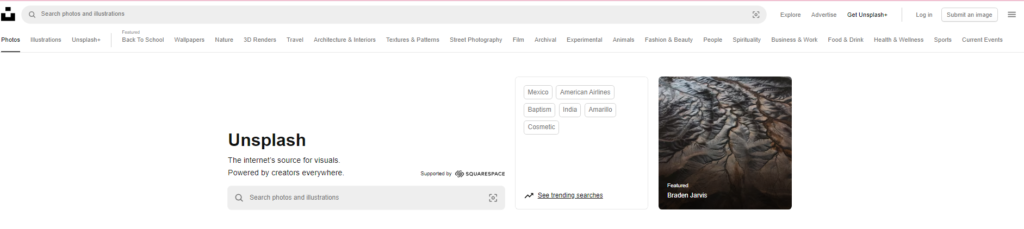
- Unsplash: Find high-quality, free-to-use images for your landing page.
- Pexels: Another great source for free, high-resolution stock photos and videos.
- Canva: Create professional-looking graphics and visuals for your landing page using Canva’s easy-to-use design tools.
Example:
Instead of using a generic stock photo of a person exercising, you could use a more compelling image that shows a busy professional using your fitness tracker in a real-life setting, like a coffee shop or a busy office. This image would be more relatable to your target audience and help to convey the benefits of your product.
Focusing on a Single Call to Action
Your landing page should have a clear and concise call to action (CTA). The CTA should tell your visitors exactly what you want them to do. This could be anything from signing up for a newsletter to downloading a free ebook to making a purchase.
- Make your CTA stand out: Use a contrasting color, bold text, or a button to draw attention to it.
Tools:
- Hotjar: Use Hotjar to create heatmaps and session recordings to see how visitors interact with your landing page. This can help you identify areas where your CTA might be getting lost.
Example:
Instead of a generic CTA like “Learn More,” you could use a more specific and actionable CTA like “Get Your Free Trial Today.” This CTA is more likely to encourage visitors to take action.
Optimizing for Mobile Devices
More and more people are browsing the web on their phones, so it’s essential to make sure your landing page is mobile-friendly. This means ensuring that your landing page is responsive and looks good on all screen sizes.
You can use tools like Google’s Mobile-Friendly Test to check if your landing page is mobile-friendly.
Tools:
- Google Mobile-Friendly Test: Use Google’s Mobile-Friendly Test to check if your landing page is optimized for mobile devices.
- Responsive Design: Use a landing page builder that automatically optimizes your landing page for different screen sizes.
Example:
If your landing page is not mobile-friendly, visitors may have a difficult time navigating it on their phones. This can lead to a higher bounce rate and fewer conversions. Make sure your landing page is responsive and looks great on all devices to ensure a positive user experience.
Testing and Refining
Once you’ve created your landing page, it’s important to test and refine it to see what works best. You can use A/B testing to compare different versions of your landing page and see which one performs better.
A/B testing allows you to test different elements of your landing page, such as:
- Headline: Test different headlines to see which one gets the most clicks.
- Images: Test different images to see which one is most appealing to your target audience.
- Call to action: Test different CTAs to see which one gets the most conversions.
By testing and refining your landing page, you can continuously improve its performance and increase your conversion rate.
Tools:
- Optimizely: A popular A/B testing tool that allows you to create and run A/B tests on your landing page.
Example:
You could run an A/B test to compare two different headlines for your landing page. One headline could be “Get Your Free Guide to Fitness Tracking,” while the other could be “Track Your Progress, Crush Your Goals, and Reclaim Your Time.” By tracking the click-through rates for each headline, you can determine which one is more effective in grabbing attention and driving traffic to your landing page.
By using these tools and following these strategies, you can create a high-converting landing page that captures attention, drives engagement, and converts visitors into customers.
Remember, the key to success is to continuously test and refine your landing page to see what works best. Don’t be afraid to experiment and see what resonates with your target audience.
Actionable Steps for Crafting High-Converting Landing Pages
Here’s a breakdown of practical strategies for crafting high-converting landing pages, tailored to different experience levels:
For Beginners:
- Define your goal: What do you want your landing page to achieve? Are you looking to collect leads, drive sales, or promote a specific product or service?
- Identify your target audience: Who are you trying to reach? What are their needs and pain points?
- Choose a landing page builder: Tools like Unbounce, Leadpages, or Instapage offer user-friendly interfaces and templates to get you started.
- Keep it simple: Focus on a single message and a clear call to action. Don’t overwhelm visitors with too much information.
- Test and refine: Use A/B testing to experiment with different headlines, visuals, and CTAs to see what works best.
For Experienced Marketers:
- Deepen your audience understanding: Go beyond demographics and understand your audience’s motivations, pain points, and aspirations. Conduct user research and analyze data to gain insights.
- Craft a compelling narrative: Tell a story that resonates with your audience and highlights the benefits of your product or service. Use strong visuals and persuasive language to create an emotional connection.
- Optimize for conversions: Use heatmaps and session recordings to identify areas where visitors are dropping off. Test different elements like form fields, button placement, and page layout to improve conversion rates.
- Personalize the experience: Use dynamic content and targeted messaging to personalize the landing page for different segments of your audience.
- Track and analyze performance: Monitor key metrics like bounce rate, conversion rate, and time on page. Use this data to continually improve your landing page and optimize for better results.
For Small Business Owners:
- Focus on your unique value proposition: Clearly articulate what makes your business different and why customers should choose you.
- Use high-quality visuals: Invest in professional photography or video to showcase your products or services in an attractive way.
- Build trust and credibility: Include customer testimonials, reviews, and social proof to build confidence in your business.
- Offer incentives: Use discounts, free trials, or special offers to encourage visitors to take action.
- Make it easy to contact you: Provide clear contact information and make it easy for visitors to get in touch with you.
Remember, crafting a high-converting landing page is an ongoing process. By understanding your target audience, focusing on clarity and simplicity, and continuously testing and refining your page, you can create a landing page that drives results.
Common Mistakes to Avoid
- Too much text: People have short attention spans. Keep your landing page concise and use bullet points, subheadings, and white space to make your text easier to read.
Solution: Focus on delivering key information in a clear and concise way. Use visuals to break up text and highlight important points.
- Too many CTAs: Having multiple CTAs can confuse your visitors and make it less likely that they will take any action. Stick to one clear CTA.
Solution: Choose one primary action you want visitors to take and make it the focus of your landing page.
- Poor design: Your landing page should be visually appealing and easy to navigate. Use a clean and modern design that is consistent with your brand.
Solution: Use a landing page builder tool to help you create a professional-looking design. Use high-quality images and videos to enhance your visual appeal.
- Not targeting your audience: Make sure your landing page is tailored to your target audience. Use language and visuals that resonate with them.
Solution: Conduct thorough research to understand your target audience’s needs, interests, and pain points. Tailor your messaging and visuals accordingly.
- Not testing and refining: Don’t be afraid to experiment and see what works best. Continuously test and refine your landing page to improve its performance.
Solution: Use A/B testing to compare different versions of your landing page and see which one performs better. Analyze your data and make adjustments based on your findings.
Remember, crafting a high-converting landing page is an ongoing process. By understanding your target audience, focusing on clarity and simplicity, and continuously testing and refining your page, you can create a landing page that drives results.
Frequently Asked Questions
Q: How do I get started with creating a high-converting landing page?
A: Start by defining your goals. What do you want your landing page to achieve? Then, identify your target audience. Who are you trying to reach? Once you have a clear understanding of your goals and audience, you can start to brainstorm ideas for your landing page. Use a landing page builder tool to make the process easier.
Q: What are the essential elements of a high-converting landing page?
A: A compelling headline, clear and concise copy, strong visuals, a single call to action, and optimization for mobile devices are all essential elements.
Q: How do I write a compelling headline for my landing page?
A: Your headline should be clear, concise, and attention-grabbing. It should accurately reflect the content of your landing page and promise a solution to your visitor’s problem. Use strong verbs and numbers to make your headline more impactful.
Q: What kind of visuals should I use on my landing page?
A: Use high-quality images and videos that are relevant to your landing page and target audience. Make sure your visuals are optimized for different screen sizes.
Q: How do I choose the right call to action for my landing page?
A: Your call to action should be clear, concise, and tell your visitors exactly what you want them to do. Use a contrasting color, bold text, or a button to draw attention to it.
Q: How do I optimize my landing page for mobile devices?
A: Make sure your landing page is responsive and looks good on all screen sizes. Use a landing page builder tool that automatically optimizes for mobile devices.
Q: How do I track the performance of my landing page?
A: Use analytics tools like Google Analytics to track metrics like bounce rate, conversion rate, and time on page.
Q: What are some common mistakes to avoid when creating a landing page?
A: Avoid using too much text, having multiple CTAs, poor design, not targeting your audience, and not testing and refining your landing page.
Q: How often should I update my landing page?
A: It’s a good idea to update your landing page regularly, especially if you’re running a promotion or introducing a new product or service.
Q: What are some resources for learning more about landing page optimization?
A: There are many resources available, including books, courses, and online articles. Check out the Resource List in this article for some recommendations.
Elevate Your Conversions
In conclusion, crafting a high-converting landing page is an art form that requires a deep understanding of your target audience, a compelling narrative, and a focus on optimization. By following the strategies outlined in this article, you can create a landing page that captures attention, drives engagement, and converts visitors into customers.
Remember, the key to success is to continuously test and refine your landing page to see what works best.
Don’t be afraid to experiment and see what resonates with your target audience.
Get started today by creating a landing page for your website or business. Thank you for joining us today! Be sure to check out our Rhodes Brothers YouTube channel for the latest videos and information to help you succeed.
Resource List
Books:
- “The Psychology of Persuasion” by Robert Cialdini
Courses:
- “Landing Page Optimization” by Neil Patel
- “Conversion Rate Optimization” by CXL
Tools:
- Google Analytics: Website analytics tool
- SurveyMonkey: Online survey platform
- CoSchedule Headline Analyzer: Headline analysis tool
- Unsplash: Free stock photo website
- Pexels: Free stock photo and video website
- Canva: Graphic design platform
- Hotjar: Website heatmap and session recording tool
- Google Mobile-Friendly Test: Mobile-friendliness testing tool
- Optimizely: A/B testing tool
High-Converting Landing Page Cheat Sheet
- Understand your target audience.
- Craft a compelling headline.
- Use strong visuals.
- Focus on a single call to action.
- Optimize for mobile devices.
- Test and refine your landing page.
- Avoid common mistakes.
- Use landing page builder tools.
- Track your landing page performance.
- Continuously improve your landing page.
- Get started today!