

Financial independence.
Those two words make so many of us dream of a life free from the 9-5 grind. No longer being dependent on a job to pay the bills. Having the freedom and flexibility to live life on your own terms.
It may seem like a lofty goal, but financial independence is more attainable than you think with the right mindset, strategies, and consistency.
In this comprehensive guide, you’ll discover practical steps to set yourself up for long-term financial freedom. Whether you’re starting from scratch or looking to optimize and accelerate your progress, you’ll find actionable tips to boost your income streams, master budgeting, leverage smart investments, and ultimately design the financially independent lifestyle you desire.
Let’s get started on the path to freedom and flexibility!
TL;DR
- Adopt a focused, positive mindset around money and your financial goals
- Build multiple passive income streams through assets, automation, and outsourcing
- Budget wisely and optimize spending to direct more cash flow to investments
- Utilize strategies like index funds, real estate, and high-interest accounts to grow your money
- Structure accounts and assets for optimal tax efficiency as your wealth builds
- Work with financial advisors and mentors to create a personalized plan for FI
- Pad your nest egg, diversify, and insure to facilitate a smooth transition to retirement
The journey to financial independence starts with…your mindset. Adopting the right mental framework makes the process much smoother.
Master the Mindset of Financial Independence
Becoming financially independent requires diligence, strategy, and often years of focused effort. Adopt these core principles to maintain motivation:
- Reframe your money mindset – Don’t think of finances as a chore or limitation. Approach money management as your ticket to freedom! Each budgeted expense and invested dollar brings you closer to your goals.
- Focus on progress not perfection – Building substantial passive income and wealth takes time. Don’t beat yourself up over small setbacks. Progress compounds!
- Cultivate gratitude – Appreciate what you already have, even if it’s not much yet. Gratitude fosters resilience during difficult times on your path to financial independence.
- Keep large goals in sight – Remind yourself regularly why you want financial independence and what it will allow you to do. But also celebrate small milestones along the way.
- Invest in yourself first – Grow your skills, earning potential, and knowledge. The smartest investment you can make is in your own abilities.
Adopting this positive, future-focused mindset lays the foundation.
Next, it’s time to start building your income streams.
Create Multiple Passive Income Streams
One critical key to financial independence is establishing multiple passive income sources that bring in money even when you’re not actively working. These can be built through:
- Assets – Income-generating assets include real estate, dividend stocks, rental properties, websites/blogs, online courses, business equity, and more. Invest wisely and allow your money to work for you.
- Automation – Set up automatic income streams that run in the background like advertising on a website or blog, affiliate marketing, subscription services, and advertising on platforms like YouTube.
- Outsourcing – Hire others to work for you by building scalable businesses or outsourcing tasks while you collect profits and equity.
Diversify your income streams across these categories for stability and flexibility. As Warren Buffet says, “Don’t depend on single income. Make investment to create a second source.”
Budget Like a Pro
With your income streams established, the next priority is budgeting wisely so you can maximize savings and investments.
Follow these budgeting best practices:
- Track every expense and category of spending each month
- Identify areas where you can cut back to direct more to savings/investments
- Downsize housing, vehicles, and lifestyles for greater cash flow
- Avoid lifestyle inflation as income rises
- Set budgets around needs vs wants, with firm limits for discretionary spending
- Automate saving and investing as soon as paychecks hit your account
- Use free budgeting apps and financial dashboards to optimize spending efficiency
Budgeting well takes some sacrifice, but it’s essential to build capital for investments. As Ramit Sethi advises, “Spend extravagantly on the things you love, and cut costs mercilessly on the things you don’t.”
It’s important to note that 56% of U.S. adults lack the emergency funds necessary to handle a $1,000 unexpected expense according to Bankrate. Proper budgeting and expense optimization is critical to avoid this wealth-destroying trap.
The data demonstrates that most Americans are lagging far behind where they need to be for financial independence. But with focus and intention, it’s possible to reach escape velocity and break free.
Why Am I Poor?
Here are some common reasons why people struggle to build wealth and achieve financial independence:
Why Am I Poor? (9 Reasons Why)
Understanding the root causes of being stuck financially is the first step toward progress.
For More Free Videos, Subscribe to the Rhodes Brothers YouTube Channel.
Invest Wisely for Optimal Growth
As your income and savings grow, invest as much as possible into assets that build long-term wealth:
- Index Funds – Hand off investing to professionals for stable, diversified growth via index funds. Target at least 8-10% annual returns.
- Real Estate – Invest in rental properties to generate equity and monthly passive income. Screen carefully for high rental demand and cash flow.
- High-Interest Savings – Park some cash in high-yield savings accounts, CDs, or money market funds for safety, earning 1-2% interest.
- Retirement Accounts – Max out contributions to 401(k)s, IRAs, and other tax-advantaged accounts. Let compounding work its money magic.
- Peer-to-Peer Lending – Earn interest by lending money to peers via P2P platforms like Lending Club. Returns range from 5-12%.
Automate investing contributions each month. Let compound interest boost your money into lasting wealth.
Maximize Tax Efficiency
As your assets and income grow, strategically minimize taxes to accelerate your financial independence:
- Hold investments long term for lower capital gains tax rates
- Contribute to retirement accounts like 401(k)s and IRAs for tax-free growth
- Invest in Opportunity Zones for temporary capital gains deferral
- Use Health Savings Accounts (HSAs) as another tax-advantaged vehicle
- Invest in municipal bonds which are exempt from federal taxes
- Purchase assets and services strategically at year-end to optimize tax deductions/write-offs
Work with a tax expert to structure assets and accounts in a tax efficient manner
As Robert Kiyosaki says, “The rich know that taxes are the biggest expense in life…the key is not to pay taxes.”
Get Expert Support
Achieving financial independence usually requires professional support:
- Financial advisor – Hire a fee-only advisor to develop a personalized plan for passive income streams, budgeting, and investing.
- Wealth manager – As your assets grow, work with a wealth manager to handle investing and specialized strategies like tax minimization.
- Tax professional – Consult a tax expert to ensure your accounts and assets are structured for optimal tax efficiency.
- Real estate agent – If investing in property, work with a savvy real estate agent who can help you identify and acquire solid rentals and flips.
- Business coach – If starting a business, get guidance from a coach on structuring it for high profit margins and passive income generation.
With the right team advising you, your likelihood of financial independence success grows exponentially.
Useful Tools
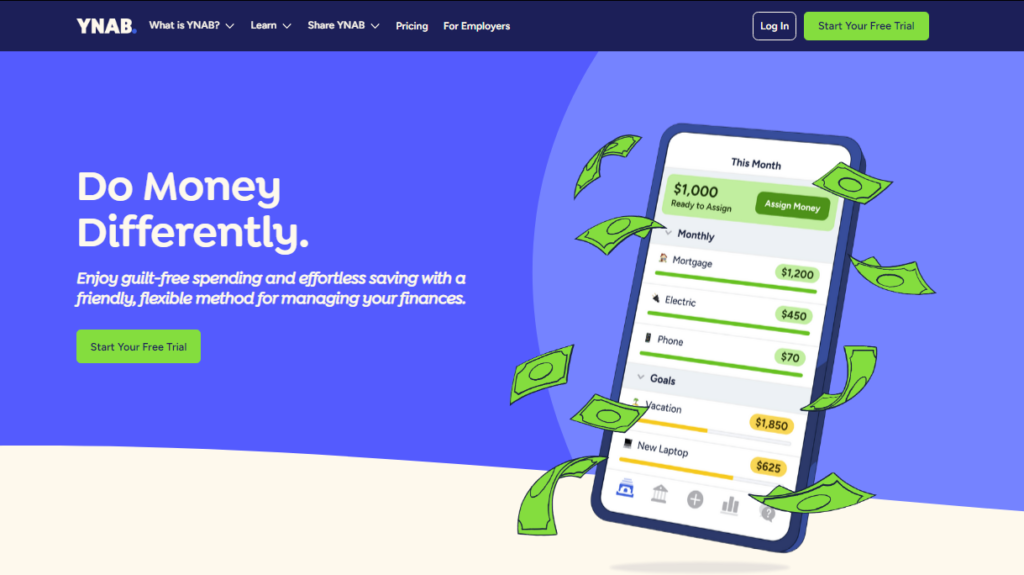
Here are some useful tools to help with budgeting, tracking net worth, optimizing taxes, and more:
- Personal Capital – free financial dashboard for tracking net worth
- Mint – budgeting and expense tracking
- YNAB – envelope-based budgeting system
- TaxAct – tax filing and planning software
- TurboTax – DIY tax preparation and filing
- Vanguard – low-fee brokerage and index funds
- Fundrise – simple real estate investing platform
Plan Your Retirement Finances
Thinking ahead for retirement is critical. Take these steps to retire comfortably:
- Start retirement contributions early and maximize them each year
- Determine your target monthly retirement income based on living expenses
- Calculate the lump sum savings target this requires (rule of thumb = 25x annual expenses)
- Include projected Social Security payments in your retirement income estimates
- Earmark multiple retirement investment vehicles like 401(k)s, Roth IRAs, HSAs, annuities, and taxable accounts
- Consult a financial advisor to ensure your retirement strategy aligns with your goals
The further ahead you plan, the more comfortably you can retire. As Fidelity recommends, aim to have 10x your income saved by age 67.
Pad Your Nest Egg
As your wealth accumulates, leverage vehicles that provide financial protection:
- Emergency fund – Maintain 6-12 months’ living expenses liquid in savings to hedge against unexpected costs or loss of income streams.
- Insurance – Insure yourself adequately with health, dental, disability, life, and umbrella policies. Review coverage 2x/year as your assets grow.
- Legacy planning – Develop a will and testament for heirs. Consider trusts to manage inheritance disbursement.
- Income protection – Have 3-6 months’ worth of passive income payments set aside in case of disruption in income streams.
- Diversification – Diversify both income streams and investments to minimize correlation and risk.
With the right contingency plans in place, you can retire with confidence knowing you’re financially prepared for the unexpected.
Actionable Steps
If financial independence seems daunting, break it down into manageable action steps:
Step 1 – Adopt a focused mindset and commit to making financial freedom a priority
Step 2 – Build your first (or next) passive income stream, even if starting small
Step 3 – Create a lean budget, downsize expenses, and direct all extra to savings/investments
Step 4 – Start investing consistently each month – automate transfers into index funds, retirement accounts, high-interest savings, and other growth vehicles
Step 5 – Consult a financial advisor to develop a personalized plan for passive income acceleration and retirement
Step 6 – As assets grow, work with a tax expert to optimize your tax strategy
Step 7 – Add income protection through emergency savings funds, insurance policies, and income stream diversification
Step 8 – Project retirement needs and formulate a strategy to accumulate 25-30x your annual expenses
Step 9 – Build your all-star team of financial professionals to expedite progress and implement advanced strategies
Step 10 – Stay focused, be consistent, and get excited about living life on your terms! Small steps compound.
Financial independence does take time, often 10 years or more. But with laser focus, intentional strategies, and the right support, you can liberate yourself from dependence on a paycheck.
Commit today to taking at least one step forward – whether saving an extra $25, paying off some debt, or meeting with a financial advisor. Progress accelerates with consistency. You’ve got this!
Common Mistakes
It’s easy to stumble on the path to financial independence. Steer clear of these common pitfalls:
- No strategy – Don’t just wing it. Develop a written plan for your investments, income streams, retirement contributions, and tax optimization.
- Lifestyle inflation – As income increases, avoid inflating your lifestyle. Redirect surplus income to investments.
- Debt accumulation – Credit card and loan debt destroy wealth. Avoid it at all costs. Pay off liabilities ASAP.
- Frequent trading – Trading often in hopes of big returns usually underperforms long-term buy-and-hold strategies.
- Not automating – Automate all you can – saving, investing, bill payments. Don’t rely on discipline alone.
- No accounting for taxes – Not planning for taxes erodes income. Work with experts to legally minimize tax liability.
- Lack of diversification – Don’t rely on just one income stream or asset class. Diversify both for stability.
- No pro support – DIY rarely gets you to financial independence. Get ongoing guidance from financial advisors.
Avoid these missteps to accelerate your path to financial freedom!
Frequently Asked Questions
Q: How much do I need to save each month to reach financial independence?
A: Save at least 20-40% of your income monthly. Invest surplus aggressively into appreciating assets. Let compound growth work its magic over time.
Q: What return should I target on investments?
A: Aim for 8-12% average annual returns across your investment portfolio over the long run.
Q: How many income streams should I build?
A: Shoot for at least 3-5 diverse passive income streams for stability as you transition to financial independence.
Q: How much is enough to retire early/become financially independent?
A: Target saving 25-30x your annual expenses. So $1 million would support $40-50k in annual spending.
Q: What should my asset allocation look like?
A: Generally 60-80% stocks/funds, 10-20% bonds, up to 20% real estate, and 1-5% cash is a good starting point. Adjust based on risk tolerance.
Q: What expenses can I cut to direct more cash flow to savings?
A: Housing, transportation, dining out, subscriptions, entertainment are common areas to downsize expenses substantially.
Q: Should I hire financial advisors?
A: Yes. Paying for expertise dramatically increases your ability to optimize strategies and accelerate financial independence.
Q: Can I retire early/become financially independent quickly?
A: It’s possible in 5-10 years with very aggressive saving and investment. But this is an exception – 15-20 years is more realistic.
Q: What are the best books/resources for learning about financial independence?
A: There are many excellent books and resources available to help you learn about and implement financial independence strategies. Some of the most highly recommended are The Simple Path to Wealth by JL Collins, Your Money or Your Life by Vicki Robin, and The Millionaire Next Door by Thomas J. Stanley. Other great resources include popular FIRE blogs like Mad Fientist and Frugalwoods, the ChooseFI podcast, BiggerPockets for real estate investing advice, Reddit FIRE forums to connect with like-minded individuals, and free tools like Personal Capital, Mint, and YNAB for tracking your finances. Leverage these knowledge sources to further your financial education.
Q: What are some common mistakes to avoid on the path to financial independence?
A: It’s easy to make missteps on the winding path to financial independence. Some common pitfalls include not having a clear financial plan, lifestyle inflation as income rises, accumulating too much debt, frequent trading versus long-term buy-and-hold strategies, failing to automate finances, not properly accounting for taxes, lack of diversification in assets and income streams, trying to do everything yourself without advisors, comparing yourself to others, living above your means, and simply not making savings and investing enough of a priority. Being aware of these potential mistakes can help you avoid them and stay focused on the actions that truly move the needle on your financial freedom.
Keep Your Eyes on the Prize
The journey to financial independence takes dedication, focus, and sustained effort over years, if not decades. But by implementing the strategies covered here – mindset shifts, passive income streams, budget optimizations, tax minimization, leveraging experts, and aggressive wealth building – your goal of financial freedom is absolutely attainable.
Stay consistent.
Celebrate small milestones.
Keep your vision firmly in sight.
And know that smart sacrifices today will pay life-changing dividends down the road.
You’ve got this! Here’s to living life 100% on your own terms.
Thank you for joining us and checking out this article! I encourage you to view and subscribe to the Rhodes Brothers YouTube Channel for the latest videos and information to help you succeed on your journey to financial independence.
The Rhodes Brothers provide fantastic tips and advice on budgeting, investing, passive income generation, early retirement planning, and much more. Our channel is an invaluable resource, so be sure to subscribe to stay up-to-date on their newest content. Thanks again for your interest, and best of luck pursuing your financial goals!
Resources
- Your Money or Your Life by Vicki Robin – the FIRE movement classic that started it all!
- The Simple Path to Wealth by JL Collins – excellent investing education and philosophy
- Mad Fientist – One of the best blogs for financial independence strategies
- ChooseFI – amazing podcast for FIRE stories, tips, and motivation
- Personal Capital – free financial dashboard for tracking net worth
- TaxAct – optimized and affordable tax filing, planning, and advice
- Vanguard – pioneer of low-fee index fund investing
- Audible – huge selection of personal finance audiobooks for learning on the go
Cheat Sheet
- Master positive, wealth-building mindsets
- Create multiple passive income streams
- Budget ruthlessly and automate savings
- Invest early and often in index funds
- Minimize taxes where legally possible
- Build assets that compound and appreciate
- Consult financial experts and advisors
- Diversify income streams and assets
- Focus on progress not perfection
- Keep your “why” for financial independence ever in sight
- Small, consistent steps compound into huge results over time
- You’ve got this!