
“25% of all Americans have less than zero dollars of net worth. In other words, they are underwater,” says John S. Rhodes of the Rhodes Brothers. This startling statistic isn’t just a number—it’s a wake-up call. It represents millions of people struggling with debt, living paycheck to paycheck, and feeling trapped in a cycle of financial instability. But what if there was a way to break free from this cycle and join the ranks of the financially secure?

The good news is, there is a path forward, and it’s not as out of reach as you might think. The secret weapon of the wealthy isn’t just about making money—it’s about learning how to learn. This powerful ability allows you to adapt, grow, and stay ahead in an ever-changing financial landscape. By mastering this one crucial skill, you can transform your financial future, regardless of where you’re starting from.
In a world where technology is advancing at breakneck speed and economic conditions can change overnight, the ability to quickly acquire new knowledge and skills is invaluable. It’s not just about what you know today, but how quickly you can learn what you need to know tomorrow.
In this comprehensive guide, we’ll explore the transformative power of learning how to learn, and how it can propel you from financial struggle to success. We’ll dive into practical strategies, common pitfalls to avoid, and actionable steps you can take today to start your journey towards financial freedom.
As John S. Rhodes wisely puts it, “Learning how to learn is probably the most valuable skill.” This isn’t just a catchy phrase—it’s a fundamental truth that has the power to change your life. Whether you’re drowning in debt, just getting by, or looking to take your finances to the next level, mastering the art of learning is your ticket to a brighter financial future.
Let’s unlock this potential together and set you on the path to financial prosperity. By the end of this article, you’ll have a clear roadmap for developing this crucial skill and applying it to your financial life. Are you ready to transform your relationship with money and join the ranks of the financially savvy? Let’s dive in!
TL;DR
- Learning how to learn is the ultimate skill for building wealth
- AI and automation are changing the job market, making adaptability crucial
- Creativity and the ability to provide value are key in the new economy
- Unlearning is as important as learning for top performers
- Building assets that generate cash flow or appreciate in value is essential
- Practical steps and strategies for mastering the skill of learning
- Common mistakes to avoid on your financial journey
- Resources and tools to support your learning and wealth-building efforts
The Power of Learning How to Learn
In today’s rapidly evolving world, the ability to adapt and acquire new skills quickly is more valuable than ever. As John S. Rhodes emphasizes, “Learning how to learn is probably the most valuable skill.” This sentiment echoes the wisdom of many successful individuals throughout history.
Benjamin Franklin once said, “An investment in knowledge pays the best interest.” This rings especially true in our current era of technological advancement and economic shifts. By mastering the art of learning, you’re not just acquiring information—you’re developing a superpower that can transform every aspect of your life, especially your financial well-being.
Why Traditional Skills Aren’t Enough
The rise of AI and automation is reshaping the job market at an unprecedented pace. Tasks that were once considered uniquely human are now being performed by machines, often with greater efficiency and accuracy. This shift is not just affecting blue-collar jobs; white-collar professions are also feeling the impact.
For instance, AI-powered legal research tools are revolutionizing the legal industry, performing in minutes tasks that once took junior lawyers hours or even days. Similarly, AI algorithms are now capable of analyzing financial data and making investment decisions, tasks traditionally performed by financial analysts.
This rapid change means that many traditional skills and jobs are becoming obsolete. The skills that were valuable just a few years ago may no longer be in demand. This makes it crucial to focus on developing adaptable learning skills rather than specific technical abilities that may become outdated.
The Learning-Earning Connection
Those who can learn efficiently and effectively are better positioned to:
- Identify new opportunities in the market: By staying informed about emerging trends and technologies, you can spot potential opportunities before they become mainstream.
- Adapt to changing economic conditions: Whether it’s a recession, a boom, or a major shift in the industry, those who can quickly learn and adapt are more likely to thrive.
- Acquire valuable skills that command higher pay: As the job market evolves, new high-paying skills emerge. Those who can quickly master these skills often command premium salaries.
- Create innovative solutions to problems: By combining knowledge from different fields, you can create unique solutions that others might not see.
- Build and manage wealth-generating assets: Understanding various investment vehicles and wealth-building strategies allows you to make informed decisions about growing your wealth.
Strategies for Mastering the Art of Learning
To harness the power of learning, you need to approach it strategically. Here are some key techniques to enhance your learning capabilities:
1. Develop a Growth Mindset
Embrace challenges and see failures as opportunities for growth. This mindset, coined by psychologist Carol Dweck, is crucial for continuous learning and improvement.
A growth mindset is the belief that your abilities can be developed through dedication and hard work. This view creates a love of learning and a resilience that is essential for great accomplishment. People with a growth mindset tend to achieve more than those with a more fixed mindset (those who believe their talents are innate gifts).
To develop a growth mindset:
- Embrace challenges instead of avoiding them
- Persist in the face of setbacks
- See effort as the path to mastery
- Learn from criticism rather than ignoring it
- Find lessons and inspiration in the success of others
2. Use the Feynman Technique
Named after physicist Richard Feynman, this technique involves explaining complex concepts in simple terms. It helps identify gaps in your understanding and reinforces learning.
The Feynman Technique consists of four steps:
- Choose a concept you want to learn about
- Pretend you’re teaching it to a sixth-grade student
- Identify gaps in your explanation; go back to the source material to better understand it
- Review and simplify (optional)
This technique forces you to understand something well enough that you can explain it simply. It’s particularly useful for complex financial concepts like compound interest, diversification, or tax-loss harvesting.
3. Practice Active Recall
Instead of passively reviewing information, actively test yourself on what you’ve learned. This strengthens memory and improves long-term retention.
Active recall involves retrieving information from memory rather than simply re-reading or highlighting text. It’s one of the most effective learning techniques because it strengthens the neural pathways associated with a piece of information.
Ways to practice active recall:
- Use flashcards (physical or digital)
- Take practice tests
- Teach the material to someone else
- Write summaries from memory
- Create mind maps without referring to the source material
4. Implement Spaced Repetition
Review information at increasing intervals over time. This technique leverages the psychological spacing effect, which demonstrates that information is more effectively remembered when studied over incrementally increasing intervals.
For example, you might review new information after:
- 1 day
- 3 days
- 1 week
- 2 weeks
- 1 month
- 3 months
Tools like Anki can help you create digital flashcards for efficient spaced repetition. This technique is particularly useful for remembering key financial terms, investment strategies, or important dates for tax planning.
5. Leverage Technology
Use AI-powered learning tools like Duolingo for languages or Khan Academy for various subjects to enhance your learning experience.
Technology can significantly accelerate your learning process:
- Use apps like Coursera or edX for structured online courses
- Listen to educational podcasts during your commute
- Watch educational YouTube videos (like those on the Rhodes Brothers channel)
- Use AI-powered tools like ChatGPT to get explanations or summaries of complex topics
- Utilize financial modeling software to practice investment strategies in a risk-free environment
Remember, the goal is not just to consume information, but to actively engage with it and apply it to real-world situations.
Applying Learning Skills to Financial Success
Now that we’ve covered learning strategies, let’s explore how to apply these skills specifically to building wealth:
1. Stay Informed About Financial Trends
Regularly read financial news and analysis from reputable sources like The Wall Street Journal or Bloomberg. Use your learning skills to quickly absorb and analyze this information.
Staying informed allows you to:
- Identify emerging investment opportunities
- Understand potential risks in the market
- Make informed decisions about your financial strategies
- Create a daily routine of spending 15-30 minutes reading financial news. Use active recall to summarize key points and consider how they might affect your personal finances.
2. Master Personal Finance Basics
Learn about budgeting, saving, and investing. Apps like Mint or YNAB can help you apply these concepts to your own finances.
Key areas to focus on:
- Budgeting: Understanding your income and expenses
- Saving: Building an emergency fund and saving for specific goals
- Investing: Understanding different asset classes and investment strategies
- Credit management: Understanding credit scores and how to improve them
- Insurance: Understanding different types of insurance and when you need them
Use the Feynman Technique to explain these concepts to yourself or others. This will help solidify your understanding and identify any areas where you need more study.
3. Understand Asset Classes
Study different types of assets, from stocks and bonds to real estate and cryptocurrencies. Platforms like Investopedia offer free courses on these topics.
Key asset classes to understand:
- Stocks: Ownership in companies
- Bonds: Loans to companies or governments
- Real Estate: Physical property or REITs
- Commodities: Physical goods like gold or oil
- Cash and Cash Equivalents: Savings accounts, money market funds
- Cryptocurrencies: Digital assets like Bitcoin or Ethereum
Use spaced repetition to review the characteristics, risks, and potential returns of each asset class. This knowledge will help you make informed decisions about portfolio allocation.
4. Learn About Tax Strategies
Understanding tax laws can save you significant money. Consider taking an online course on tax planning or consult with a tax professional to learn more.
Key areas of tax strategy:
- Understanding tax brackets and how they affect your income
- Maximizing deductions and credits
- Tax-advantaged investment accounts (401(k)s, IRAs)
- Capital gains taxes and how they apply to investments
- Tax implications of different types of income (earned income, passive income, etc.)
Use active recall to quiz yourself on different tax concepts. Apply this knowledge to your own tax situation to see where you can optimize your tax strategy.
5. Develop entrepreneurial skills
Even if you don’t plan to start a business, thinking like an entrepreneur can help you identify opportunities and create additional income streams.
Key entrepreneurial skills:
- Identifying market needs and opportunities
- Creative problem-solving
- Financial modeling and forecasting
- Marketing and sales
- Networking and relationship building
Practice these skills by looking for problems in your daily life that could be solved with a business solution. Use the Feynman Technique to explain your business ideas to others and refine your concept.
The Importance of Unlearning
As John S. Rhodes points out, for those at the top of their field, “learning how to unlearn is a secret that many of the most advanced people have exploited.” This involves:
- Challenging your assumptions: Regularly question your beliefs about money and success. Are they still serving you?
- Being open to new ideas: The financial world is constantly evolving. Be willing to consider new investment strategies or financial tools.
- Adapting to changing circumstances: What worked in a bull market might not work in a bear market. Be ready to adjust your strategies.
- Letting go of outdated knowledge or strategies: Some financial advice becomes outdated. Be willing to discard old information when better alternatives emerge.
Unlearning is often more challenging than learning because it requires us to admit that our current knowledge or beliefs might be wrong or outdated. However, it’s a crucial skill in the fast-paced world of finance.
Practice unlearning by:
- Regularly challenging your own beliefs about money
- Seeking out diverse perspectives on financial topics
- Being willing to admit when you’re wrong and adjust your strategies
- Staying curious and open to new financial ideas and technologies
Building Wealth Through Assets
Once you’ve developed strong learning skills and built a financial foundation, focus on acquiring assets that generate wealth:
- Dividend-paying stocks: Companies that share profits with shareholders through regular payments.
- Rental real estate: Properties that generate monthly income from tenants.
- Businesses that generate passive income: Online businesses, vending machines, or other ventures that can earn money with minimal daily involvement.
- Intellectual property: Patents, copyrights, or trademarks that can generate royalties.
- High-yield savings accounts or CDs: While these typically offer lower returns, they provide a safe place for emergency funds or short-term savings.
Remember, as Rhodes emphasizes, “Assets are those things that spit off cash flow or increase in value over time simply by holding them.”
When building your asset portfolio:
- Start small and gradually increase your investments as you learn
- Diversify across different asset classes to manage risk
- Reinvest earnings to take advantage of compound growth
- Regularly review and rebalance your portfolio
- Continue learning about new asset classes and investment strategies
Tools and Examples
To support your learning and wealth-building journey, consider using these tools:
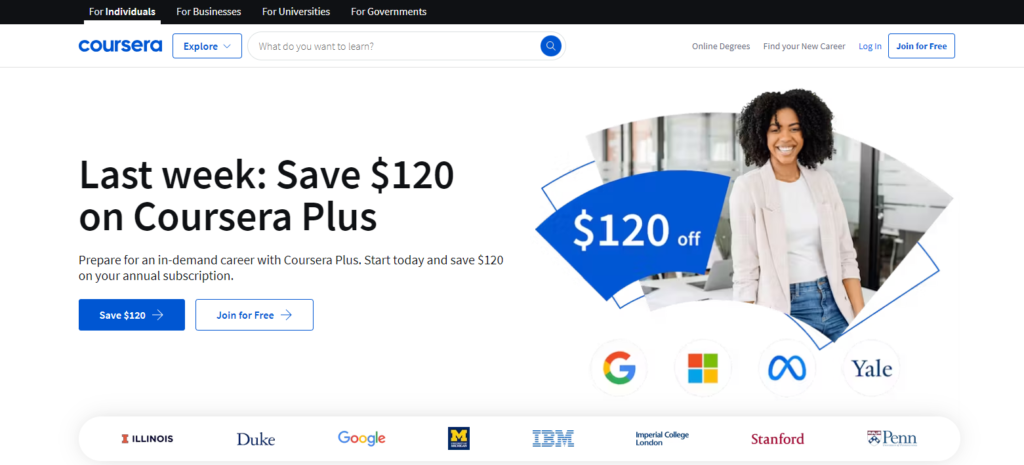
- Coursera or edX for online courses: These platforms offer courses on everything from personal finance to advanced investing strategies.
- Robinhood or E*TRADE for investing: User-friendly platforms that allow you to start investing with small amounts of money.
- Audible for audiobooks on finance and learning: Listen to expert advice during your commute or while doing chores.
- Evernote or Notion for organizing your learning materials: Keep track of notes, articles, and ideas in one centralized location.
- Meetup for finding local finance or learning groups: Connect with others on a similar journey and share knowledge.
Actionable Steps
Beginner Level (Young Adults/New to Investing):
- Understand compound interest
- Research the concept online or in basic finance books
- Use an online compound interest calculator to visualize growth
- Start with small amounts to see the effect in real-time
- Set up an emergency fund
- Open a high-yield savings account
- Aim to save 3-6 months of living expenses
- Automate small, regular deposits from your paycheck
- Start investing early
- Open a retirement account (e.g., 401(k) if employed, IRA if self-employed)
- Begin with low-cost index funds or target-date funds
- Contribute consistently, even if it’s a small amount
- Educate yourself
- Read beginner-friendly finance books or blogs
- Follow reputable financial advisors on social media
- Attend free financial literacy workshops in your community
Intermediate Level (Mid-career Professionals):
- Maximize retirement contributions
- Contribute the maximum allowed to your 401(k) or IRA
- Take full advantage of any employer match
- Consider opening additional investment accounts if maxed out
- Diversify your investments
- Explore a mix of stocks, bonds, and real estate investment trusts (REITs)
- Consider international markets for broader exposure
- Rebalance your portfolio annually
- Reduce high-interest debt
- Pay off credit card balances and personal loans
- Consider refinancing high-interest debt
- Use freed-up cash flow to increase investments
- Explore passive income streams
- Research dividend-paying stocks or funds
- Consider rental property investments
- Look into peer-to-peer lending platforms
Advanced Level (High Net Worth Individuals):
- Optimize tax strategies
- Consult with a tax professional or financial advisor
- Explore tax-advantaged investment options (e.g., municipal bonds)
- Consider strategies like tax-loss harvesting
- Leverage advanced investment vehicles
- Look into private equity or venture capital opportunities
- Explore hedge funds or other alternative investments
- Consider direct real estate investments
- Implement estate planning
- Set up trusts to protect and transfer wealth
- Develop a comprehensive estate plan with legal professionals
- Consider philanthropic strategies for tax benefits and legacy
- Utilize professional services
- Work with a team of financial advisors, tax professionals, and lawyers
- Regularly review and adjust your financial strategy
- Stay informed about changes in tax laws and investment opportunities
Retirees:
- Shift focus to wealth preservation
- Adjust asset allocation to be more conservative
- Consider annuities for guaranteed income
- Develop a sustainable withdrawal strategy
- Manage required minimum distributions (RMDs)
- Understand RMD rules for various retirement accounts
- Plan for tax implications of distributions
- Consider qualified charitable distributions to reduce tax burden
- Explore healthcare planning
- Understand Medicare options and supplement plans
- Consider long-term care insurance
- Budget for potential out-of-pocket healthcare costs
- Legacy planning
- Review and update estate plans regularly
- Consider gifting strategies to reduce estate taxes
- Explore charitable giving options for tax benefits and legacy
General Tips for All Levels:
- Live below your means and avoid lifestyle inflation
- Continuously educate yourself about personal finance and investing
- Be patient and think long-term; avoid emotional decisions based on market fluctuations
- Regularly review and adjust your financial strategy as your life circumstances change
- Seek professional advice when needed, especially for complex financial situations
Common Mistakes to Avoid
- Mistake: Starting too late
Solution:
- Start investing immediately, even with small amounts
- Use age-appropriate investment strategies (more aggressive when younger)
- Educate yourself on the power of compound interest to stay motivated
- Mistake: Failing to diversify investments
Solution:
- Invest in a mix of stocks, bonds, and other assets
- Use low-cost index funds for broad market exposure
- Regularly rebalance your portfolio to maintain desired asset allocation
- Mistake: Trying to time the market
Solution:
- Adopt a dollar-cost averaging strategy by investing regularly
- Focus on long-term goals rather than short-term market fluctuations
- Stick to your investment plan during market volatility
- Mistake: Neglecting to max out tax-advantaged accounts
Solution:
- Prioritize contributions to 401(k)s, IRAs, and HSAs
- Take full advantage of employer matches in retirement accounts
- Understand and utilize catch-up contributions if you’re over 50
- Mistake: Paying high fees
Solution:
- Choose low-cost index funds or ETFs over actively managed funds
- Compare expense ratios when selecting investments
- Be cautious of hidden fees in financial products
- Mistake: Emotional investing
Solution:
- Create a solid investment plan and stick to it
- Avoid checking your portfolio too frequently
- Consider working with a financial advisor for objective guidance
- Mistake: Neglecting to adjust strategy over time
Solution:
- Regularly review and update your investment strategy
- Adjust your asset allocation as you approach retirement
- Stay informed about changes in the financial landscape
- Mistake: Borrowing from retirement accounts
Solution:
- Build an emergency fund to avoid tapping into retirement savings
- Explore other options like personal loans if you need funds
- Understand the long-term impact of early withdrawals
- Mistake: Ignoring inflation
Solution:
- Ensure your investment returns outpace inflation
- Consider inflation-protected securities (TIPS) in your portfolio
- Regularly increase your savings rate to keep up with rising costs
- Mistake: Lack of financial education
Solution:
- Read books, attend seminars, or take online courses on investing
- Follow reputable financial news sources and experts
- Join investment clubs or forums to learn from peers
- Mistake: Overlooking the impact of taxes
Solution:
- Understand the tax implications of different investment accounts
- Consider tax-efficient investment strategies (e.g., tax-loss harvesting)
- Consult with a tax professional for personalized advice
- Mistake: Chasing past performance
Solution:
- Focus on long-term historical trends rather than recent performance
- Understand that past performance doesn’t guarantee future results
- Stick to your investment strategy rather than jumping to “hot” investments
- Mistake: Not accounting for risk tolerance
Solution:
- Assess your risk tolerance honestly
- Align your investment strategy with your risk comfort level
- Reassess your risk tolerance periodically as life circumstances change
- Mistake: Failing to plan for major life events
Solution:
- Factor in potential job changes, marriage, children, etc., in your plan
- Maintain flexibility in your investment strategy
- Regularly update your financial plan to reflect life changes
- Mistake: Neglecting to teach financial skills to family
Solution:
- Involve family members in financial discussions
- Teach children about saving, investing, and compound interest early
- Consider setting up custodial accounts to give hands-on experience
Frequently Asked Questions
How do I start learning about personal finance if I’m a complete beginner?
Begin with the basics: budgeting, saving, and understanding credit. Free resources like Khan Academy’s personal finance course or the r/personalfinance subreddit can provide a solid foundation. Start small by tracking your expenses for a month and creating a basic budget. As you become comfortable with these concepts, gradually expand your knowledge to topics like investing and retirement planning. Remember, everyone starts as a beginner—the key is to start and be consistent in your learning.
What’s the best way to stay motivated while learning new financial skills?
Set small, achievable goals and reward yourself when you reach them. For example, after mastering budgeting, treat yourself to a small indulgence. Join online communities or local meetups focused on financial education for support and accountability. Visualize your long-term financial goals to keep yourself motivated during challenging times. Share your progress with friends or family to create a sense of accountability. Also, try to make learning enjoyable by finding resources that match your learning style, whether that’s reading, watching videos, or hands-on practice.
How can I find time to learn new skills while working full-time?
Prioritize your learning by scheduling dedicated time slots, even if it’s just 30 minutes a day. Use commute time or lunch breaks for bite-sized learning sessions. Consider audiobooks or podcasts for learning on-the-go. Remember, consistency is key – small daily efforts add up over time. Try the “2-minute rule”: if a task takes less than two minutes, do it immediately. This can help you fit short learning sessions into your day. Also, look for ways to integrate learning into your daily routine, like reading financial news while having your morning coffee.
Are there any free resources for learning about investing?
Yes, there are many free resources available. Websites like Investopedia offer comprehensive guides and tutorials. Many brokerages provide free educational materials to their customers. YouTube channels like “The Plain Bagel” or “Two Cents” offer easy-to-understand investing content. The SEC’s Investor.gov website provides unbiased, reliable information about investing basics. Don’t forget about your local library, which may offer free access to financial magazines and books. Remember to always verify the credibility of your sources and be wary of any “get rich quick” schemes.
How do I know if I’m making progress in my financial learning journey?
Track your knowledge through regular self-assessments or quizzes. Monitor improvements in your personal finances, such as increased savings or investment returns. Set specific, measurable goals and review them periodically. Consider teaching what you’ve learned to others as a way to gauge your understanding. Keep a learning journal to document new concepts you’ve mastered and how you’ve applied them. You might also notice that you’re understanding financial news more easily or feeling more confident in financial discussions.
What’s the difference between saving and investing, and how do I know when to do which?
Saving typically refers to setting money aside in low-risk, easily accessible accounts for short-term goals or emergencies. Investing involves putting money into assets with the potential for higher returns (and higher risk) over the long term. Generally, aim to save 3-6 months of expenses for emergencies, then consider investing additional funds for long-term goals like retirement. Start investing once you have a stable income, manageable debt, and a solid emergency fund. Remember, investing is for long-term goals (5+ years) due to market volatility. Always consider your risk tolerance and financial goals when deciding between saving and investing.
How can I learn about taxes and use that knowledge to my advantage?
Start by understanding the basics of income tax through resources like the IRS website or free online courses. Learn about deductions and credits relevant to your situation. Consider using tax preparation software, which often includes educational resources. For more advanced strategies, consult with a tax professional and learn from their expertise. Stay updated on tax law changes that might affect you. Remember, tax planning is a year-round activity, not just something to think about in April. Look for opportunities to reduce your tax burden legally, such as contributing to tax-advantaged retirement accounts or timing your investments wisely.
What are some effective ways to learn from my financial mistakes?
Reflect on each mistake and identify the root cause. Keep a “financial journal” to track decisions and outcomes. Seek feedback from more experienced individuals or financial advisors. Use mistakes as case studies to deepen your understanding and adjust your strategies accordingly. Remember, everyone makes financial mistakes—the key is to learn from them rather than repeating them. Try to approach mistakes with curiosity rather than judgment. Ask yourself: “What can I learn from this? How can I prevent this in the future?” This mindset can turn setbacks into valuable learning experiences.
How can I apply the concept of “learning how to learn” to my career advancement?
Identify key skills in your industry that are in high demand. Develop a learning plan to acquire these skills systematically. Practice teaching these skills to others to reinforce your knowledge. Seek out projects or responsibilities at work that allow you to apply and showcase your new skills. Stay updated on industry trends and emerging technologies. Network with professionals in your field to learn about their career paths and strategies. Consider creating a personal brand that highlights your continuous learning and adaptability. Remember, in many industries, the ability to learn quickly and adapt is often more valuable than specific technical skills.
What’s the best way to stay updated on changing financial regulations and opportunities?
Subscribe to reputable financial news sources and set up alerts for topics relevant to your situation. Follow financial experts and institutions on social media for real-time updates. Regularly review official government websites for changes in tax laws or financial regulations. Consider joining professional organizations in the finance sector for access to industry updates and networking opportunities. Attend webinars or conferences on financial topics. Set aside time each week to review and summarize key financial news. Remember to cross-reference information from multiple sources to ensure accuracy and get a balanced perspective on financial matters.
Embrace the Journey of Continuous Learning
As we’ve explored throughout this article, the path to financial success is paved with continuous learning and adaptation. By mastering the skill of learning how to learn, you’re equipping yourself with a powerful tool that can transform your financial future.
This journey isn’t about reaching a final destination—it’s about embracing a lifelong process of growth and improvement. Each new piece of knowledge, each skill mastered, and each mistake learned from brings you one step closer to your financial goals.
The financial world is complex and ever-changing, but with the right learning strategies, you can navigate it with confidence. Whether you’re just starting out on your financial journey or looking to take your wealth to the next level, the ability to learn effectively will be your greatest asset.
As you move forward, keep these key points in mind:
- Embrace a growth mindset. Believe in your ability to learn and improve.
- Use effective learning techniques like active recall and spaced repetition.
- Apply what you learn to real-world situations.
- Stay curious and open to new ideas.
- Learn from your mistakes and the experiences of others.
- Continuously challenge yourself with new learning objectives.
Take action today. Choose one area of your finances you want to improve, apply the learning strategies we’ve discussed, and commit to making progress, no matter how small. Whether it’s understanding investment basics, mastering budgeting techniques, or exploring new income streams, every step forward counts.
Financial success isn’t just about the dollars in your bank account—it’s about the knowledge in your mind and the habits you develop. By committing to lifelong learning, you’re investing in your most valuable asset: yourself.
We encourage you to continue your journey by checking out the Rhodes Brothers YouTube Channel for the latest videos and information to help you succeed in your financial endeavors.Your financial future is in your hands—keep learning, keep growing, and keep striving for success!
Resource List
Books
- “Rich Dad Poor Dad” by Robert Kiyosaki
- “The Simple Path to Wealth” by JL Collins
- “Your Money or Your Life” by Vicki Robin and Joe Dominguez
- “The Psychology of Money” by Morgan Housel
- “A Random Walk Down Wall Street” by Burton G. Malkiel
- “The Millionaire Fastlane” by M.J. DeMarco
- “The Intelligent Investor” by Benjamin Graham
- “The Little Book of Common Sense Investing” by John C. Bogle
- “Think and Grow Rich” by Napoleon Hill
- “The Richest Man in Babylon” by George S. Clason
Podcasts
- “Planet Money” by NPR
- “Freakonomics Radio”
- “ChooseFI”
- “BiggerPockets Money Podcast”
- “So Money with Farnoosh Torabi”
- “Afford Anything” with Paula Pant
- “Money For the Rest of Us” with David Stein
- “Stacking Benjamins”
- “Masters of Scale” with Reid Hoffman
- “The Dave Ramsey Show”
Courses
- “Learning How to Learn” on Coursera
- “Personal Finance” by edX
- “Fundamentals of Financial Planning” by CFP Board
- “Behavioral Finance” by Duke University on Coursera
- “Investment and Portfolio Management Specialization” by Rice University on Coursera
- “Financial Markets” by Yale University on Coursera
- “Entrepreneurship” by Wharton School on Coursera
- “Accounting and Financial Statement Analysis” by IESE Business School on Coursera
- “Real Estate Investment” by MIT OpenCourseWare
Blogs and Websites
- Mr. Money Mustache
- The Simple Dollar
- Nerdwallet
- Investopedia
- Bogleheads Wiki
- The Financial Diet
- Get Rich Slowly
- The College Investor
- The Penny Hoarder
- The Balance
Tools and Apps
- Mint – for budgeting and expense tracking
- Personal Capital – for investment tracking and analysis
- YNAB (You Need A Budget) – for zero-based budgeting
- Robinhood – for beginner-friendly investing
- Acorns – for automated micro-investing
- Credit Karma – for credit score monitoring
- TurboTax – for tax preparation and education
- Betterment – for robo-advising
- Goodbudget – for envelope budgeting system
- Morningstar – for investment research
This extensive list of resources should provide you with a wealth of information and tools to support your financial learning journey. Remember to approach each resource critically, verify information from multiple sources, and always consider how the information applies to your unique financial situation. Happy learning!