
For More Free Videos, Subscribe to the Rhodes Brothers YouTube Channel.
Hold onto your digital wallets, folks! The financial titans that once scoffed at cryptocurrency are now quietly sneaking into the Bitcoin party – and you won’t believe who just walked through the door. JP Morgan and Wells Fargo, two of the biggest names in traditional banking, have just disclosed their exposure to Bitcoin through spot ETFs. This isn’t just news; it’s a seismic shift in the financial landscape that could impact your investment strategy.
As John S. Rhodes of the Rhodes Brothers aptly puts it, “The government is getting out of the way.” This statement encapsulates a crucial turning point in the cryptocurrency narrative. While regulation still exists, there’s a growing acceptance of Bitcoin as a legitimate asset class, even among the most conservative financial institutions.
Whether you’re a seasoned crypto enthusiast or a curious newcomer, this blog post will guide you through what this means for you, how you can potentially profit from this development, and why now might be the perfect time to consider your own Bitcoin strategy.
TL;DR
- JP Morgan and Wells Fargo have invested in Bitcoin ETFs
- Banks are buying through ETFs, not directly holding Bitcoin
- Investment amounts are small but signify a critical shift in acceptance
- Retail investors can now invest alongside big banks
- Government regulation is present but not stifling Bitcoin growth
- Opportunities for “front-running” big money in Bitcoin still exist
- Easy access to Bitcoin for retail investors through various methods
The Big Banks’ Bitcoin Buy-In: What’s Really Happening?
Let’s break down the headline news that’s got the crypto world buzzing. JP Morgan and Wells Fargo, two banking behemoths, have officially dipped their toes into the Bitcoin pool. But before you imagine bank vaults filled with hard drives of digital currency, let’s get the facts straight.
JP Morgan’s Bitcoin Exposure
JP Morgan disclosed a modest $731,000 investment in spot Bitcoin ETFs. They’ve spread this investment across multiple ETFs, including:
- BlackRock’s iShares Bitcoin Trust (IBIT)
- Bitwise Bitcoin ETF (BITB)
- Fidelity Wise Origin Bitcoin Fund (FBTC)
To put this into perspective, let’s use a tool called “Asset Allocation Visualizer.” If we were to represent JP Morgan’s total assets under management as a pizza, their Bitcoin investment would be smaller than a single sesame seed on that pizza.
Wells Fargo’s Bitcoin Play
Not to be left behind, Wells Fargo reported around $141,000 invested in Grayscale’s Bitcoin Trust (GBTC) during the first quarter of 2024. Using our pizza analogy again, this would be like a grain of salt on Wells Fargo’s asset pizza.
“These numbers are pathetically small,” you might think. And you’d be right. For banks that deal in billions, these investments are mere pennies. But here’s why it matters:
- It’s a foot in the door. These investments signal a shift in institutional thinking about cryptocurrency.
- It paves the way for larger investments in the future.
- It provides legitimacy to Bitcoin as an asset class.
Why This Matters to You: The Retail Investor’s Perspective
You might be wondering, “That’s great for the banks, but what does it mean for me?” Well, quite a lot, actually.
Increased Legitimacy and Accessibility
With big banks buying in, even if in small amounts, it adds a layer of legitimacy to Bitcoin. This could lead to:
- More widespread adoption
- Potentially less volatile price movements
- Easier access for retail investors through traditional investment channels
For example, you can now invest in Bitcoin through your regular brokerage account using ETFs like IBIT or FBTC, just like you’d buy a stock.
The “Front-Running” Opportunity
As John S. Rhodes points out, there’s still an opportunity to “front-run” the big banks. What does this mean? Essentially, you have the chance to invest in Bitcoin before these institutions potentially increase their holdings significantly.
Step-by-Step Guide to Investing in Bitcoin:
- Educate Yourself: Understand the basics of blockchain and cryptocurrency. Websites like Coinbase Learn or Binance Academy offer free educational resources.
- Choose Your Investment Method:
Direct purchase through cryptocurrency exchanges
Bitcoin ETFs (like the ones the banks are using)
Bitcoin mining (for the more tech-savvy)
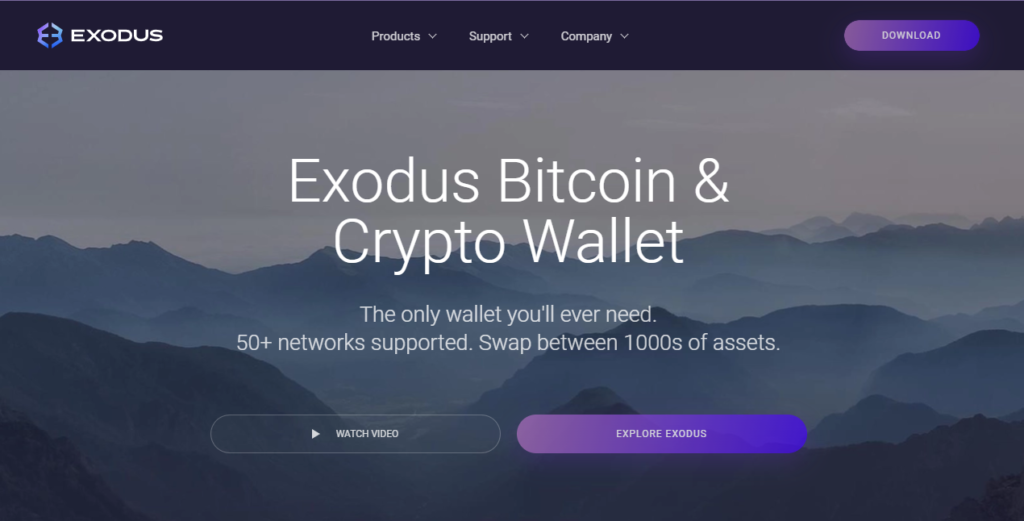
- Set Up a Wallet: Choose between hot (online) or cold (offline) storage. For beginners, a software wallet like Exodus or Trust Wallet can be a good start.
- Start Small: Begin with an amount you’re comfortable potentially losing. Many exchanges allow you to start with as little as $10.
- Stay Informed: Keep up with market trends and regulatory news. Apps like CryptoCompare or CoinMarketCap can help you track prices and news in real-time.
Tools and Platforms for Bitcoin Investment
Cryptocurrency Exchanges:
- Coinbase: User-friendly for beginners. Offers a “Learn and Earn” program where you can earn free crypto while learning.
- Binance: Offers a wide variety of cryptocurrencies and advanced trading features like futures and options.
- Kraken: Known for strong security measures and offers a “Cryptowatch” feature for advanced charting.
Bitcoin ETFs:
- iShares Bitcoin Trust (IBIT): Backed by BlackRock, one of the world’s largest asset managers.
- Fidelity Wise Origin Bitcoin Fund (FBTC): Offers exposure to Bitcoin through a traditional brokerage account.
- Grayscale Bitcoin Trust (GBTC): One of the oldest Bitcoin investment vehicles, now converted to an ETF.
Hardware Wallets:
- Ledger Nano X: Bluetooth-enabled for mobile management of your crypto.
- Trezor Model T: Offers a touch screen for easy navigation and supports over 1,800 cryptocurrencies.
Portfolio Tracking Apps:
- CoinGecko: Provides comprehensive coin data, including market cap, trading volume, and community scores.
- CoinMarketCap: Offers price alerts, watchlists, and a portfolio tracker to manage your investments.
Tax Tools:
- CoinTracker: Helps you stay compliant with tax regulations by tracking your crypto transactions across multiple exchanges.
The Regulatory Landscape: Navigating the New Normal
While the government isn’t endorsing Bitcoin outright, the landscape is changing. As Rhodes notes, “The government is coming to grips with the fact that tens of millions of Americans own Bitcoin.” This shift in perception is crucial for several reasons:
- Increased Regulation: While some view this negatively, clear regulations can provide stability and attract more institutional investors. For example, the SEC’s approval of Bitcoin ETFs in January 2024 was a significant milestone.
- Tax Implications: As Bitcoin becomes more mainstream, expect clearer guidelines on how cryptocurrency gains are taxed. The IRS now requires you to report crypto transactions on your tax return.
- Consumer Protection: With increased oversight, there may be more safeguards for retail investors. For instance, many exchanges now offer insurance on digital assets held on their platforms.
Profiting from the Bank’s Bitcoin Move
While the banks’ current investments are small, their entry into the market could signal future growth. Here’s how you might profit:
- Direct Investment: Buy and hold Bitcoin, betting on long-term appreciation. You can use dollar-cost averaging tools like Swan Bitcoin to automate regular purchases.
- ETF Investment: Invest in the same ETFs as the banks for a more traditional approach. This can be done through most brokerage platforms like Fidelity or Charles Schwab.
- Mining: If you have the technical know-how, consider Bitcoin mining. Companies like Compass Mining offer “hosted mining” services where they manage the hardware for you.
- Blockchain Technology Stocks: Invest in companies developing blockchain technology. For example, companies like MicroStrategy (MSTR) and Block Inc. (SQ) have significant Bitcoin holdings on their balance sheets.
As the famous investor Paul Tudor Jones once said, “Bitcoin is math, and math has been around for thousands of years. I like the idea of investing in something that’s reliable, consistent, honest, and 100% certain.”
Remember, while the potential for profit exists, always invest responsibly and never more than you can afford to lose. The crypto market is known for its volatility, so approach it with caution and thorough research.
Actionable Steps and Direct Advice in Bitcoin Investment
For Beginners:
- Start with a small investment in a reputable Bitcoin ETF
- Educate yourself on blockchain technology and cryptocurrency basics
- Set up a secure digital wallet
For Intermediate Investors:
- Diversify your cryptocurrency portfolio beyond just Bitcoin
- Consider dollar-cost averaging to mitigate volatility
- Stay informed about regulatory changes
For Advanced Investors:
- Explore opportunities in Bitcoin mining or blockchain startups
- Consider using Bitcoin futures or options for more sophisticated strategies
- Look into decentralized finance (DeFi) platforms for additional investment opportunities
Common Mistakes to Avoid in Bitcoin Investment
Overinvesting
- Solution: Follow the 1% rule – invest no more than 1% of your portfolio in crypto.
Poor Security
- Solution: Use hardware wallets and enable two-factor authentication on all accounts.
Falling for Scams
- Solution: Research thoroughly and be skeptical of unsolicited investment advice.
Ignoring Taxes
- Solution: Use crypto tax software to track and report all transactions.
Panic Selling
- Solution: Develop a long-term strategy and use dollar-cost averaging.
Lack of Diversification
- Solution: Invest in a mix of cryptocurrencies and consider blockchain-related stocks.
Not Understanding the Technology
- Solution: Take online courses about blockchain and cryptocurrency.
Losing Wallet Access
- Solution: Securely store wallet seed phrases and regularly test recovery processes.
Chasing Past Performance
- Solution: Focus on fundamentals rather than short-term price movements.
Neglecting to Take Profits
- Solution: Set clear profit-taking milestones and use limit orders.
Frequently Asked Questions
What is Bitcoin?
Bitcoin is a decentralized digital currency that operates without a central bank or single administrator.
How do I buy Bitcoin?
You can buy Bitcoin through cryptocurrency exchanges, Bitcoin ATMs, or peer-to-peer platforms.
Is Bitcoin a safe investment?
Bitcoin is considered high-risk due to its volatility. Never invest more than you can afford to lose.
How much should I invest in Bitcoin?
Start small. Many experts recommend investing no more than 1-5% of your portfolio in cryptocurrencies.
Do I need to buy a whole Bitcoin?
No, you can buy fractions of a Bitcoin. The smallest unit is called a Satoshi (0.00000001 BTC).
How do I store my Bitcoin?
Use a cryptocurrency wallet. Options include hardware wallets, software wallets, and paper wallets.
Is Bitcoin legal?
Bitcoin’s legal status varies by country. In many countries, it’s legal but not considered official currency.
How is Bitcoin taxed?
In many jurisdictions, Bitcoin is treated as property for tax purposes. Consult a tax professional for specifics.
Can I lose money investing in Bitcoin?
Yes, like any investment, you can lose money. Bitcoin’s price is highly volatile.
What affects Bitcoin’s price?
Factors include supply and demand, regulatory news, technological developments, and market sentiment.
Is Bitcoin mining profitable?
Mining profitability depends on electricity costs, hardware efficiency, and Bitcoin’s price.
Can I use Bitcoin for everyday purchases?
Some businesses accept Bitcoin, but it’s not yet widely used for daily transactions in most places.
What’s the difference between Bitcoin and other cryptocurrencies?
Bitcoin was the first cryptocurrency and remains the largest by market cap. Others may offer different features or use cases.
How secure is Bitcoin?
Bitcoin’s blockchain is considered very secure, but individual users must take precautions to protect their holdings.
What is a Bitcoin halving?
A halving is when the reward for mining new blocks is halved, which happens approximately every four years.
Mastering Bitcoin Investment – Your Path Forward
Bitcoin investment can be rewarding, but it requires careful navigation. Let’s recap the key takeaways:
- Invest wisely: Stick to the 1% rule to manage risk.
- Prioritize security: Use hardware wallets and enable two-factor authentication.
- Stay informed: Research thoroughly and avoid falling for scams.
- Keep records: Use crypto tax software for accurate reporting.
- Think long-term: Develop a strategy and avoid panic selling.
- Diversify: Consider a mix of cryptocurrencies and blockchain-related investments.
- Understand the tech: Take online courses to grasp blockchain basics.
- Secure access: Safely store wallet information and test recovery processes.
- Focus on fundamentals: Don’t chase past performance.
- Take profits wisely: Set clear milestones for realizing gains.
Start your Bitcoin investment journey today by implementing these strategies. Begin with educating yourself – take an online blockchain course or set up a small investment to learn the ropes.
For the latest videos and information to help you succeed in your crypto journey, we encourage you to check out and subscribe to the Rhodes Brothers YouTube Channel . Their expert insights and timely updates can be invaluable as you navigate the world of Bitcoin and cryptocurrency investing.
Resource List
Books
- “The Bitcoin Standard” by Saifedean Ammous
- “Mastering Bitcoin” by Andreas M. Antonopoulos
- “Digital Gold” by Nathaniel Popper
- “Cryptoassets” by Chris Burniske and Jack Tatar
- “The Age of Cryptocurrency” by Paul Vigna and Michael J. Casey
Courses
- Coursera: “Bitcoin and Cryptocurrency Technologies” by Princeton University
- Coinbase Learn: Various free cryptocurrency courses
- Khan Academy: “Bitcoin: What is it?”
Podcasts
- “What Bitcoin Did” with Peter McCormack
- “Unchained” with Laura Shin
- “The Pomp Podcast” with Anthony Pompliano
- “The Bitcoin Podcast” by Corey Petty and Demetrick Ferguson
- “Crypto 101” by Bryce Paul and Aaron Malone
Blogs and Websites
YouTube Channels
Tools
- CoinMarketCap – for price tracking and market data
- TradingView – for technical analysis
- Blockfolio – for portfolio tracking
- CoinTracker – for tax reporting
- Ledger Live – for hardware wallet management
Security Tools
- Ledger (hardware wallet)
- Trezor (hardware wallet)
- Authy (two-factor authentication app)
- LastPass (password manager)
- Cryptosteel (for seed phrase backup)
Analytics and Research
News Aggregators
Regulatory Resources
- FinCEN (Financial Crimes Enforcement Network)
- CFTC (Commodity Futures Trading Commission) virtual currency resources
- Global Digital Finance (GDF) regulatory resources