
For More Free Videos, Subscribe to the Rhodes Brothers YouTube Channel.
“You are responsible for getting out of being broke. You can do it, and only you are going to be the one that makes that happen.” – John S. Rhodes, Rhodes Brothers Channel

Being broke isn’t just a financial state—it’s an emotional one. It’s waking up in the morning with a pit in your stomach, wondering how to scrape together enough to pay the next bill. But here’s the truth: you don’t have to stay broke. With the right strategies and mindset, you can go from surviving to thriving.
The good news? You don’t need a fancy degree, an inheritance, or even perfect circumstances to turn your situation around. All it takes is understanding three actionable steps that work for anyone, regardless of where you’re starting from.
In this post, we’ll break down those three steps, drawing from the powerful insights shared by John S. Rhodes in his video, “What To Do If You Are Broke.” You’ll learn how to get crystal clear on why you’re stuck, uncover your unique value, and align yourself with opportunities that bring real, lasting results.
TL;DR
Here’s the quick-hit version of how to stop being broke and start building wealth:
- Step 1: Clarify Your Why – Understand why you’re broke and why you want to change. Take responsibility and focus on what you can control.
- Step 2: Define Your Unique Value – Identify what makes you unique and how you can provide value to others in areas like health, relationships, or money.
- Step 3: Align Your Value with Buyers – Focus on what people are already spending money on and tailor your efforts to meet their needs.
But keep reading—because the details are where the magic happens.
Step 1: Clarify Your Why
Let’s be honest: it’s easy to point fingers when you’re broke. Maybe it was the economy, your upbringing, or a series of unlucky events. And while those factors might have played a part, the first step to breaking free is taking full responsibility. This isn’t about blame—it’s about ownership. Why? Because when you own your situation, you also own the power to change it.
Why does this matter? Without clarity on why you’re broke—and why you’re determined to change—you’ll stay stuck. The truth is, you need a strong, deeply personal reason to fuel you when the journey gets tough (and it will). This is your “why,” the emotional anchor that keeps you moving forward.
As John S. Rhodes wisely said: “You are responsible for getting out of being broke. You can do it, and only you are going to be the one that makes that happen.”
Actionable Steps to Define Your Why
Here’s how to get clear on your “why” and use it as a driving force to escape the cycle of being broke:
Reflect on Your Current Situation
Take a hard look at where you are financially—and why you’re there. This might be uncomfortable, but it’s necessary.
Here’s how:
- Write down the specific reasons you’re broke.
- Is it overspending?
- A lack of income?
- No financial plan or goals?
- Break it down into categories:
- Habits: Are you spending too much on things you don’t need?
- Circumstances: Did an unexpected event like a job loss or medical bill set you back?
- Knowledge gaps: Are you unsure how to budget, save, or invest?

Example Tool: Use a budgeting app like Mint or YNAB (You Need a Budget) to track your spending habits. This will give you a clear picture of where your money is going.
Visualize Your Future
Now, flip the script. Imagine what life will look like when you’re no longer broke:
- How will you feel?
- Relieved? Empowered? Free?
- What will you be able to do?
- Travel? Save for retirement? Help your family?
- What will your daily life look like?
- Picture yourself paying bills without stress, building wealth, and living without financial anxiety.
Pro Tip: Use vision boards or tools like Trello to visually map out your goals. Seeing your future self thriving will keep you motivated.
Ask Yourself Hard Questions
This is where you dig deep and find the emotional core of your “why.”
- Why do you want to change your financial situation?
- Is it for your family?
- To prove to yourself that you can do it?
- What’s at stake if you don’t change?
- Will you continue living paycheck to paycheck?
- Will you miss out on opportunities for yourself or your loved ones?
Journal Your Thoughts
Writing things down is one of the most powerful ways to process your emotions and uncover patterns in your relationship with money.
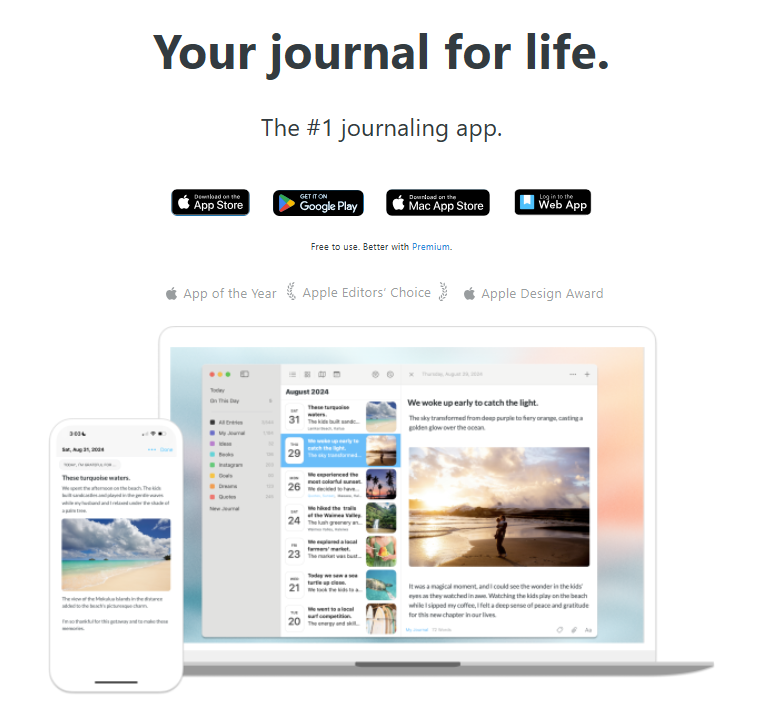
Example Tool: Use a journaling app like Day One or simply grab a notebook. Spend 10 minutes each day reflecting on your financial goals and what’s holding you back.
Real-Life Example:
Let’s say you realize overspending is your biggest issue. You’re constantly buying things you don’t need because it gives you a temporary sense of happiness. But when you dig deeper, you realize you’re using shopping as a way to cope with stress. Now that you’ve identified the root cause, you can focus on healthier ways to deal with stress—like exercising or journaling—while also cutting back on unnecessary expenses.
Step 2: Define Your Unique Value
Here’s the truth: you already have something valuable to offer. Whether it’s a skill, experience, or perspective, you have unique gifts that can be turned into income. The trick is uncovering what those gifts are and how to use them to help others.
As John S. Rhodes puts it: “You only need to be one step ahead of someone else to provide value.”
Discovering Your Unique Value
Identify Your Strengths
Take stock of what you’re good at. Everyone has skills or talents they can leverage.
Ask yourself:
- What do I enjoy doing?
- What tasks come easily to me?
- What do people often ask me for help with?
Leverage Your Experiences
Your life experiences—both good and bad—can be a source of value for others.
Example:
Maybe you overcame a challenge, like losing weight or paying off debt. Your story and the lessons you learned could inspire others in similar situations.
Find Your Niche
Choose an area to focus on that aligns with your strengths and passions.
- Health
- Fitness tips, meal planning, or mental wellness strategies.
- Relationships
- Parenting, dating advice, or conflict resolution.
- Money
- Budgeting, starting side hustles, or managing debt.
Pro Tip: Use tools like Skillshare or Udemy to learn how to package your knowledge into something people will pay for, like an online course or workshop.
Tools and Examples
Here are some tools to help you monetize your unique value:
- Canva: Create e-books, presentations, or social media posts to showcase your expertise.
- Teachable: Build and sell online courses.
- Fiverr: Offer your skills as a freelancer (e.g., graphic design, writing, or consulting).
- TikTok or YouTube: Share short, value-packed videos to attract an audience and eventually monetize through ads or sponsorships.
Real-Life Example:
Let’s say you’ve mastered the art of meal prepping on a budget. You could:
- Create a YouTube channel sharing weekly meal prep tips.
- Sell a downloadable meal prep guide on Etsy.
- Offer one-on-one coaching sessions for busy parents who struggle with meal planning.
Step 3: Align Your Value with Buyers
Having a unique value is great, but if no one’s willing to pay for it, you’re stuck. That’s why aligning your value with what buyers want is critical.
How to Align Your Value
Research What’s Selling
The easiest way to figure out what people want is to see what they’re already paying for.
Here’s how:
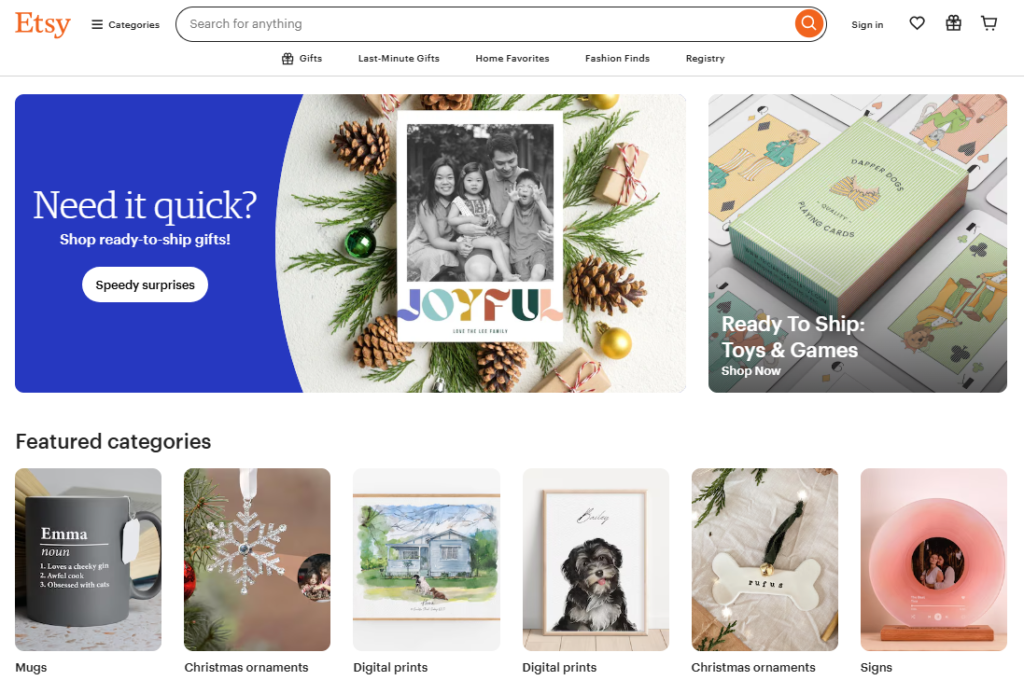
- Visit platforms like Amazon or Etsy and look for bestsellers in your niche.
- Pay attention to:
- Titles, keywords, and descriptions.
- Customer reviews (what are people praising or complaining about?).
Use Tools to Find Trends
Stay ahead of the curve by using tools that show what’s trending in your niche.
- Google Trends: See which topics are gaining traction.
- Ubersuggest: Find popular keywords and phrases people are searching for.
- AnswerThePublic: Discover common questions people have in your niche.
Create a Simple Offer
Once you know what buyers want, create something that solves their problem.
Examples:
- E-books: Teach a specific skill or share your expertise.
- Online Courses: Provide step-by-step guidance on a topic.
- Consulting Services: Offer personalized advice or coaching.
- Tool Recommendation: Use Gumroad to sell digital products like e-books or templates.
Start Small
Don’t overthink your first product or service. Focus on creating something simple that provides real value.
Pro Tip: Test your ideas by offering a free version first (e.g., a free guide or webinar). Collect feedback to improve your offer before charging for it.
Real-Life Example:
Let’s say you’ve identified a demand for budget-friendly home organization tips. You could:
- Start a blog sharing DIY storage ideas.
- Sell printable organization checklists on Etsy.
- Create a course teaching busy moms how to declutter their homes in 30 days.
By aligning your value with what buyers are looking for, you’ll not only make money but also build trust and credibility in your niche.
By clarifying your “why,” defining your unique value, and aligning that value with buyers, you’ll have a clear, actionable roadmap to escape being broke and start building wealth. As Albert Einstein famously said: “Strive not to be a success, but rather to be of value.”
Actionable Steps to Stop Being Broke
No matter where you’re starting from—whether you’re a college student surviving on ramen noodles, a millennial trying to pay off student loans, or someone nearing retirement worried about running out of money—you can turn things around. The key is to take targeted, practical steps tailored to your situation. Below, we’ll break down strategies for different demographics and experience levels so you can apply them to your life today.
For Beginners: Starting From Scratch
If you’re just starting out and have no savings, no plan, and limited knowledge about managing money, don’t worry. Here’s a simple roadmap to get on track:
1. Track Every Dollar
- Start by figuring out where your money is going. Use a free app like Mint or PocketGuard to track your expenses automatically.
- Categorize your spending into needs (e.g., rent, utilities) and wants (e.g., dining out, subscriptions).
2. Create a Bare-Bones Budget
- Use the 50/30/20 Rule:
- 50% of your income goes to essentials (rent, groceries).
- 30% to wants (but you’ll cut here if you’re broke).
- 20% to savings or debt repayment.
- If the 50/30/20 rule feels too advanced, start with zero-based budgeting. Allocate every dollar to a category until your income equals your expenses.
3. Start a Mini Emergency Fund
- Save $500–$1,000 as quickly as possible to cover unexpected expenses (car repairs, medical bills).
- Use apps like Digit to automate small savings daily.
4. Cut Non-Essential Expenses
- Cancel unused subscriptions using tools like Truebill.
- Cook meals at home instead of eating out.
5. Learn Basic Financial Skills
- Read beginner-friendly books like The Total Money Makeover by Dave Ramsey.
- Watch free YouTube channels like the Rhodes Brothers Channel for actionable financial advice.
For Millennials: Balancing Debt and Goals
If you’re in your 20s or 30s, chances are you’re juggling student loans, rent, and dreams of financial independence. Here’s how to regain control:
1.Prioritize High-Interest Debt
- Use the Debt Snowball Method: Pay off your smallest debts first for quick wins, then move on to larger ones.
- Alternatively, try the Debt Avalanche Method: Focus on debts with the highest interest rates first to save more money in the long term.
2. Get Creative with Side Hustles
- Leverage the gig economy with platforms like Upwork, DoorDash, or TaskRabbit.
- Offer services based on your skills (e.g., freelance writing, graphic design, or tutoring).
3. Invest in Your Future
- Open a Roth IRA or contribute to a 401(k) if your employer offers one. Even small contributions now can grow significantly over time.
- Use apps like Acorns or Robinhood to start investing with as little as $5.
4. Budget with a Purpose
- Set specific goals like “pay off $10,000 in debt in 2 years” or “save $5,000 for a house down payment.”
- Break big goals into smaller, manageable milestones.
5. Educate Yourself
- Listen to podcasts like The Money Guy Show or Afford Anything for millennial-specific financial advice.
- Take advantage of free financial literacy courses on sites like Coursera or Khan Academy.
For People Nearing Retirement: Building Last-Minute Security
If you’re in your 40s, 50s, or beyond and feeling broke, it’s not too late to create a safety net. Here’s how to make smart moves now:
1. Maximize Retirement Contributions
- If you’re behind on retirement savings, take advantage of catch-up contributions for 401(k)s and IRAs.
- Contribute the maximum allowed to your retirement accounts to reduce your taxable income.
2. Downsize and Simplify
- Consider moving to a smaller home or a more affordable area.
- Sell unused items on platforms like eBay or Facebook Marketplace to generate extra cash.
3. Delay Major Expenses
- Postpone big purchases like new cars or vacations until you’ve built up your savings.
4. Create a Second Stream of Income
- Turn hobbies into income: If you enjoy woodworking, knitting, or gardening, sell your creations on Etsy.
- Consider consulting or freelance work based on your career expertise.
5. Evaluate Your Social Security Strategy
- If possible, delay claiming Social Security benefits until age 70 to maximize your monthly payments.
- Use tools like the Social Security Benefits Calculator to plan strategically.
6. Focus on Health Savings
- If you have a Health Savings Account (HSA), prioritize contributions to prepare for future medical expenses.
Common Mistakes to Avoid When Trying to Stop Being Broke
Even with the best intentions, breaking free from financial struggles can feel overwhelming. While motivation is vital, certain mistakes can sabotage your progress and keep you stuck in the same cycle. The good news is that most of these mistakes are preventable. Below, we’ll take a closer look at the most common pitfalls and how to avoid them, so you can confidently move toward financial stability.
Chasing Money Instead of Creating Value
It’s natural to focus on making quick money when you’re broke. You might look for any opportunity that promises fast cash, hoping for immediate relief. However, this mindset often leads to wasted time, burnout, and short-term solutions.
Why This Is a Mistake:
Focusing solely on money neglects the core principle of wealth creation: value exchange. People pay for solutions to their problems, not just for products or services. If you prioritize creating value, money becomes a natural byproduct of your efforts.
What to Do Instead:
- Shift your focus to solving problems or meeting the needs of others.
- Invest time in developing skills, knowledge, or products that offer genuine value.
- Consider learning a skill or refining an existing one that can help others, such as graphic design, tutoring, or financial coaching.
Overthinking Your First Step
The desire to start perfectly often leads to overthinking and ultimately delays action. You might spend too much time planning, researching, and waiting for the “right” time, which can lead to inaction.
Why This Is a Mistake:
Waiting for perfect conditions is unrealistic. Progress comes from starting, no matter how small or imperfect the attempt. Overthinking adds unnecessary stress and prevents you from gaining momentum.
What to Do Instead:
- Start small with manageable, actionable steps.
- Focus on building momentum rather than perfection.
- Embrace the idea that your first attempt doesn’t need to be flawless—it’s about learning and improving as you go.
Failing to Research the Market
Jumping into a business or project without understanding the market demand is a common mistake. You might have a great idea or passion, but if no one wants or needs it, your efforts won’t translate into income.
Why This Is a Mistake:
Without proper research, you risk wasting time and resources on something that won’t sell. Successful ventures are built around what people are actively searching for and willing to pay for.
What to Do Instead:
- Use tools like Google Trends, Amazon Best Sellers, or AnswerThePublic to identify popular products, services, or topics.
- Validate your ideas by testing demand through surveys, pre-sales, or free trials.
- Pay attention to customer reviews and feedback to understand gaps in the market.
Not Taking Action
While planning and strategizing are essential, they’re meaningless without execution. Many people generate great ideas but fail to act on them, often due to fear of failure, procrastination, or feeling overwhelmed.
Why This Is a Mistake:
Inaction keeps you stuck in the same place. Regardless of how good your ideas or plans are, they won’t create results unless you act on them.
What to Do Instead:
- Commit to taking at least one small action every day toward your financial goals.
- Break large goals into smaller, manageable tasks to make them less intimidating.
- Create deadlines for yourself to stay accountable and motivated.
Quitting Too Soon
Giving up when progress feels slow is one of the most common mistakes. Financial growth, like any worthwhile goal, takes time and consistency.
Why This Is a Mistake:
Building financial stability isn’t an overnight process. Quitting too soon means you miss out on the long-term rewards of your efforts. Success often comes just after the point where most people stop trying.
What to Do Instead:
- Track your progress to see even small improvements over time.
- Remind yourself that setbacks are part of the journey and adjust your strategies as needed.
- Stay consistent and patient, knowing that persistence pays off in the long run.
Ignoring Your Mindset
Your mindset plays a critical role in your financial journey. Negative thoughts like “I’ll never get out of debt” or “I’m just bad with money” can create self-fulfilling prophecies.
Why This Is a Mistake:
Limiting beliefs and negative self-talk can hold you back from taking action or believing in your ability to succeed. A poor mindset can also make you more likely to give up when facing challenges.
What to Do Instead:
- Reframe your thoughts by replacing negative beliefs with empowering ones. For example, shift from “I’m bad with money” to “I’m learning how to manage my money better.”
- Surround yourself with positive influences, such as motivational podcasts, books, or communities focused on financial growth.
- Practice gratitude and celebrate small wins to reinforce a positive outlook.
Spreading Yourself Too Thin
Trying to tackle too many goals at once can dilute your focus and energy, making it harder to make meaningful progress.
Why This Is a Mistake:
When you try to do everything at once, you risk burnout and getting overwhelmed. This can lead to abandoning your goals altogether.
What to Do Instead:
- Prioritize your most critical financial goals (e.g., paying off high-interest debt or building an emergency fund).
- Focus on one or two goals at a time to build momentum and see results faster.
- Use tools like Trello or Notion to organize and track your progress.
Relying on External Motivation
It’s easy to get inspired by success stories or motivational content, but relying solely on external motivation can be a mistake. When challenges arise, motivation might waver, leaving you without the drive to push forward.
Why This Is a Mistake:
Motivation is fleeting. Without discipline and clear systems in place, you’re more likely to lose focus and give up.
What to Do Instead:
- Build habits that align with your financial goals, such as saving a fixed percentage of your income or reviewing your budget weekly.
- Set up systems to automate your finances, like automatic bill payments or savings transfers, so progress happens even when motivation is low.
Neglecting to Build an Emergency Fund
When you’re broke, saving for emergencies might feel impossible or unnecessary. However, not having an emergency fund can leave you vulnerable to financial setbacks.
Why This Is a Mistake:
Without a safety net, unexpected expenses (like car repairs or medical bills) can derail your progress and push you further into debt.
What to Do Instead:
- Start small by saving $500–$1,000 as a mini emergency fund. This amount can cover most minor emergencies.
- Use apps like Digit or Qapital to automate small, consistent savings.
Comparing Yourself to Others
Constantly comparing your financial situation to others can lead to discouragement or poor decisions, like overspending to “keep up.”
Why This Is a Mistake:
Everyone’s financial journey is different. Comparing yourself to others can distract you from your goals and create unnecessary stress.
What to Do Instead:
- Focus on your own progress, no matter how small. Celebrate your wins and stay committed to your path.
- Remind yourself that financial success is a personal journey, and what works for someone else might not work for you.
Frequently Asked Questions
What’s the first step to stop being broke?
Start by clarifying your “why.” Understanding your reasons for change will give you the motivation to take action.
Can I really make money with my skills?
Yes! Everyone has something unique to offer. The key is identifying what people are willing to pay for.
What if I don’t have any skills?
You don’t need to be an expert. If you’re one step ahead of someone else, you can provide value.
How do I know what buyers want?
Research platforms like Amazon or Etsy to see what’s selling. Look for trends and patterns in your niche.
Are there free tools I can use?
Absolutely! Canva, Google Trends, and Fiverr are great starting points.
How long will it take to stop being broke?
It depends on your effort and consistency, but even small steps can lead to significant progress within months.
Should I quit my job to start a side hustle?
No, start small and build your income stream before making major decisions.
What’s the biggest mistake to avoid?
Not taking action. Overthinking and waiting for perfect conditions will keep you stuck.
How do I stay motivated?
Reconnect with your “why” regularly and celebrate small wins along the way.
Is it really possible to achieve financial freedom?
Yes! With the right mindset, strategies, and consistency, anyone can build wealth over time.
Take Control of Your Financial Future
Breaking free from being broke isn’t just about earning more—it’s about creating value, taking consistent action, and avoiding common pitfalls that keep you stuck. Whether you’re clarifying your “why,” discovering your unique value, or aligning that value with real opportunities, each step you take brings you closer to financial freedom.
Here’s a quick recap of the actionable strategies we’ve covered:
- Clarify Your Why: Take responsibility for your situation and connect with a strong, personal reason to drive your financial transformation.
- Define Your Unique Value: Identify your skills, experiences, and strengths that can help others and turn those into income-generating opportunities.
- Align Your Value with Buyers: Research demand, create simple offers, and focus on solving problems that people are willing to pay for.
- Avoid Common Mistakes: Stop overthinking, take action daily, and focus on building value instead of chasing quick money.
Now is the time to shift your mindset and start taking small, consistent steps toward your goals. It’s not about perfection—it’s about progress.
As John S. Rhodes wisely said: “You are responsible for getting out of being broke. You can do it, and only you are going to be the one that makes that happen.”
Take the First Step Today: Whether it’s creating a budget, starting a side hustle, or researching your unique value, choose one action you can take right now. The sooner you start, the sooner you’ll see results.
If you found this helpful, don’t stop here—subscribe to the Rhodes Brothers YouTube Channel for more actionable insights, strategies, and inspiration to help you succeed in your financial journey.
Resource List
Here’s a list of recommended resources to help you keep learning and growing:
Books
- The Total Money Makeover by Dave Ramsey – A step-by-step guide to getting out of debt and building wealth.
- Atomic Habits by James Clear – Learn how small, consistent habits can lead to big results in your financial life.
- You Are a Badass at Making Money by Jen Sincero – A motivational book about changing your money mindset.
Courses
- Financial Peace University by Dave Ramsey – An in-depth course on budgeting, saving, and paying off debt.
- Coursera: Personal Finance Essentials – Free and beginner-friendly courses to improve your financial literacy.
- Skillshare: Freelancing and Side Hustles – Learn how to turn your skills into income streams.
Podcasts
- The Dave Ramsey Show – Practical advice on getting out of debt and managing money.
- Afford Anything – Focuses on financial independence and making smarter choices with your money.
Tools and Apps
- YNAB (You Need a Budget): Helps you allocate every dollar and stick to a plan.
- Mint: Track spending, create budgets, and monitor your financial health.
- Acorns: Invests your spare change to build wealth over time.
- Upwork: Find freelance gigs in writing, design, and more.
- Fiverr: Offer services like graphic design, copywriting, or voiceovers.
- Google Trends: See what’s trending in your niche.
- AnswerThePublic: Discover common questions and pain points in your target audience.
Blogs and Websites
- Mr. Money Mustache: Practical advice on frugal living and financial independence.
- NerdWallet: Tools and tips for budgeting, saving, and investing.
- The Simple Dollar: Beginner-friendly advice on personal finance and debt management.
YouTube Channels
- Graham Stephan – Insights on saving, investing, and building wealth.
- The Financial Diet – Tips for managing money, budgeting, and creating financial stability.
Communities
- r/personalfinance – A supportive group for financial advice and tips.
- r/financialindependence – Focuses on strategies for achieving financial independence.